
Film
Sins of My Father
- Drug-trade crime
- Biopic
- Very dark
A documentary that uses family testimony—from Pablo Escobar's own son and the sons of his victims—to examine how violence echoes across generations. It's intimate, uncomfortable, and surprisingly focused on reconciliation rather than spectacle. For anyone interested in how complicity works, or how people rebuild after unthinkable harm.
If you liked this
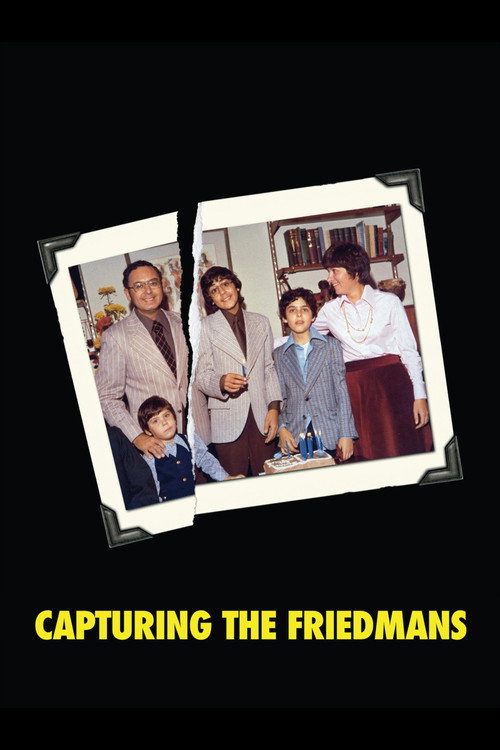
Capturing the Friedmans2003
A family documentary that doesn't flinch from moral ambiguity. Uses home video and interviews to explore a scandal that destroys a household, with no easy answers about guilt or innocence.
But The subject matter involves serious allegations against children. The found-footage style can feel claustrophobic and the film refuses to provide catharsis.
The Act of Killing2012
Directors confront mass murderers in Indonesia and ask them to recreate their crimes on film. It's a radical attempt to understand perpetrators and their rationalizations, and it's devastatingly effective.
But Graphic depictions of violence and the psychological toll of the filmmaking process. Watching murderers perform and justify their acts is genuinely difficult.

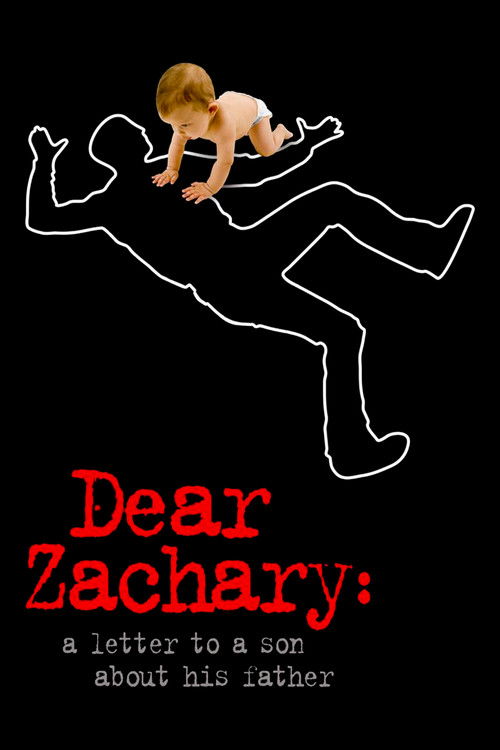
Dear Zachary: A Letter to a Son About His Father2008
A father makes a documentary about his murdered son for his grandson. It's a study in grief, love, and the weight of family secrets. Profoundly moving and deeply human.
But The emotional gut-punch comes late and hard. If you're sensitive to sudden tragedy or want to predict where a film is going, this will blindside you.
Not sure tonight? Get a pick in a minute, starting from Sins of My Father
The wildcard
Something you would not have found on your own.
A Prophet2009
Both are about legacy and the machinery of violence—how one person's choices shape another's future, and whether escape or redemption is even possible.
A French prison drama about a young man's brutal education inside. It's formally stunning, morally serious, and built entirely around the question of who we become when survival is at stake—the same question your film asks.
But French with subtitles. Prison violence is explicit and casual. Two-and-a-half hours. It's demanding cinema that doesn't offer easy exits.

More like this (8)
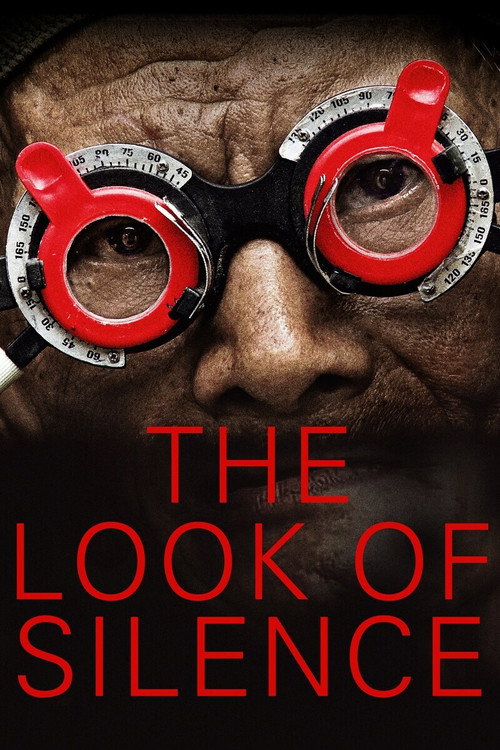
The Look of Silence2014
A survivor of Indonesian genocide interviews the men who killed his family and friends. Quiet, patient, and more powerful than rage. It's about facing evil and choosing not to become it.
But The pace is deliberately slow and meditative. Some will find it understated where they wanted confrontation. Subtitled.
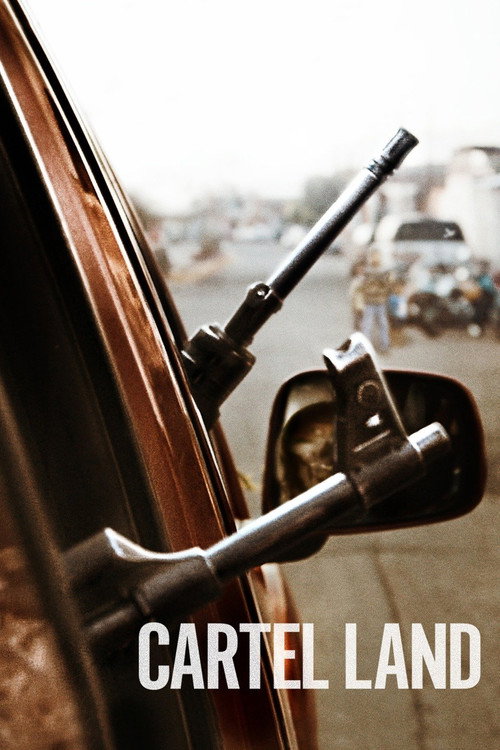
Cartel Land2015
A portrait of two vigilante groups fighting Mexican drug cartels. Cinematically gripping and morally complex—it shows how people become what they fight against.
But Violence is frequent and sometimes graphic. The camera work is immersive in ways that can feel exploitative, and there are no satisfying resolutions.
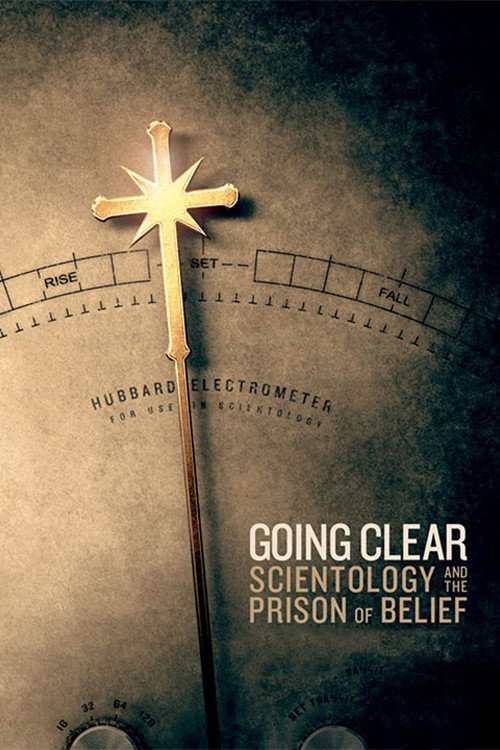
Going Clear: Scientology and the Prison of Belief2015
An investigation into how belief systems trap people and extract loyalty. Uses interviews, documents, and archive to build a damning portrait of institutional control.
But Two and a half hours of argument and testimony. Some of the accusations are disputed, and it can feel like an extended polemic rather than exploration.
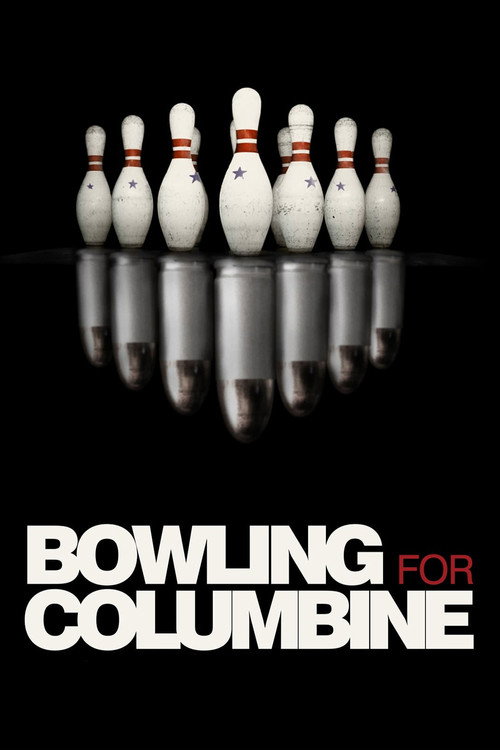
Bowling for Columbine2002
Michael Moore investigates mass violence and gun culture in America. Angry, funny, and willing to follow uncomfortable threads about complicity and fear.
But Moore's editorializing is heavy-handed and his conclusions often oversimplify. The provocative stunts can feel like cheap point-scoring.
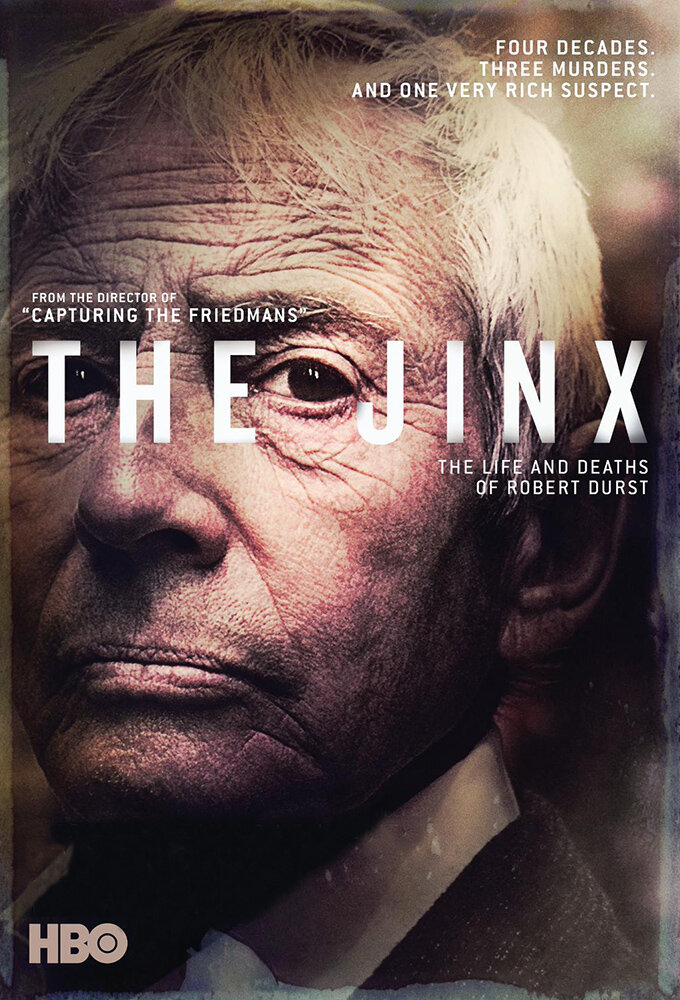
The Jinx: The Life and Deaths of Robert Durst2015
A true-crime miniseries that lets a wealthy eccentric slowly incriminate himself through interview. It's a masterclass in letting reality unspool without manufactured drama.
But Six hours is a lot of time for a murder mystery. Some episodes plateau and the subject's charm can make you complicit in enjoying his company.
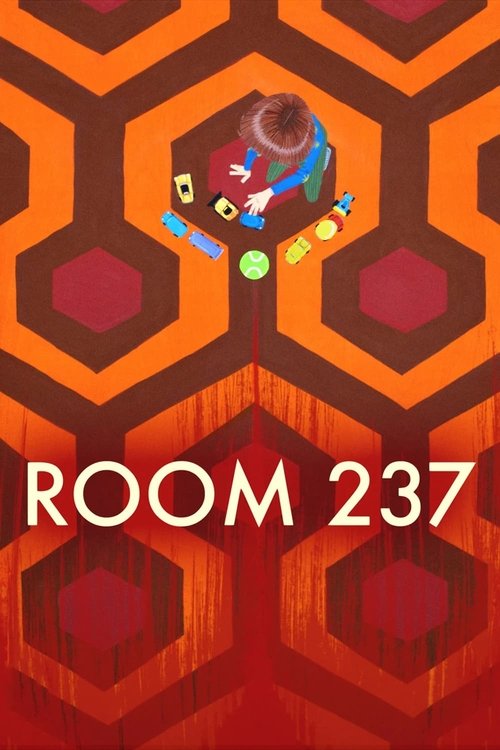
Room 2372012
Cinephiles dissect Kubrick's *The Shining* frame by frame, finding patterns and hidden meanings. A love letter to obsessive film analysis and pattern recognition.
But It's basically 90 minutes of fan theories. If you don't love Kubrick or don't find the speculation engaging, there's nothing here but archive footage and speculation.
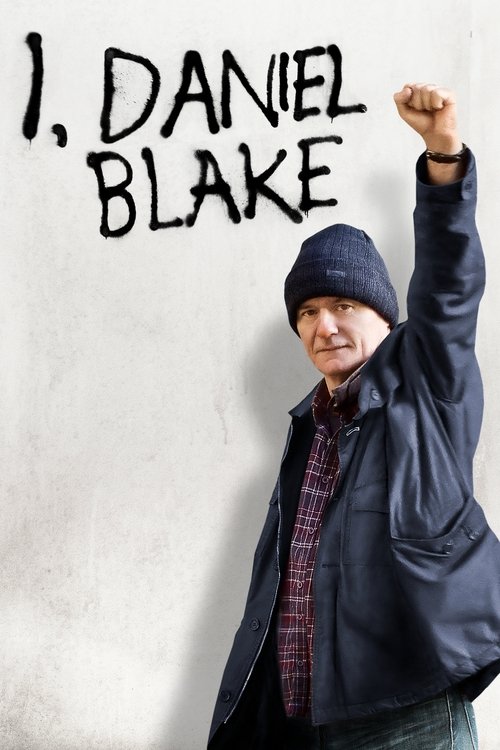
I, Daniel Blake2016
Sins of My Father asks how we account for inherited harm; this asks who's accountable when the violence is structural and invisible—carried out by people just following rules.
A British social-realist film about a man destroyed by bureaucracy and poverty. Ken Loach makes you feel the weight of systems crushing individuals. It's about complicity on a different scale—how we all participate in harm.
But It's bleak and slow, and the tragedy is mundane rather than spectacular. Some find Loach's social messaging heavy-handed; others find his restraint punishing.
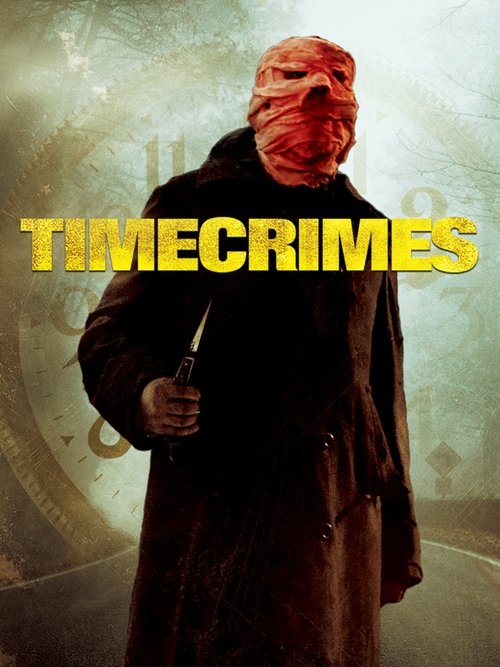
Timecrimes2007
Both ask whether forgiveness or redemption is possible when the person you're forgiving has already made you the person you've become—a different kind of time trap.
A Spanish science-fiction thriller that uses a time loop to explore guilt, responsibility, and whether we can escape the consequences of our actions. It's formally ingenious and genuinely disturbing.
But The twist requires attention and rewatch. Spanish audio. Some find the violence troubling; others think it's all surface cleverness hiding a thin premise.
People
Cast
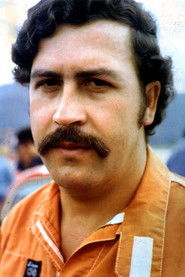 Pablo EscobarSelf (archive footage)
- Nicolás EntelHimself
Directing
- Nicolás EntelDirector
Writing
- Nicolás EntelWriter
- Pablo FarinaWriter