
Film
Gajab Raat
- Crime
- Crime thriller
- Drama
- Very dark
- Relentless
Gajab Raat is a taut Indian crime thriller about a compromised cop whose single moment of compassion unravels into a night of escalating violence and moral reckoning. It's a character study wrapped in genre thrills—the kind of film that uses action and suspense to ask uncomfortable questions about who we become when we break the rules we're meant to keep. For anyone who loves morally complicated protagonists and stories that don't look away.
If you liked this
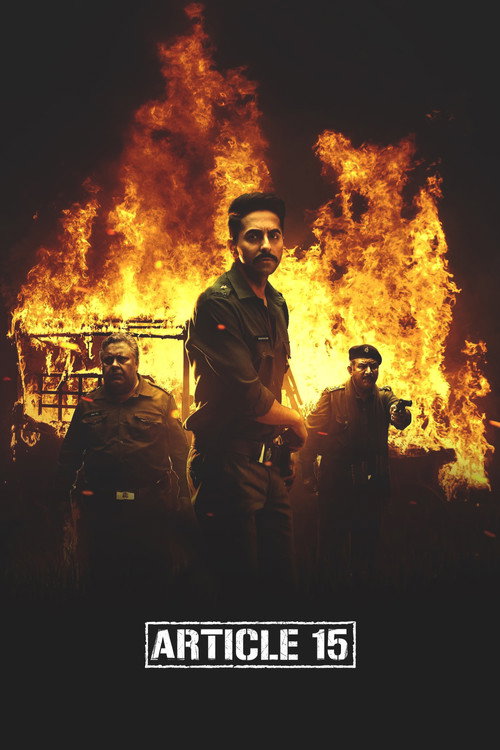
Article 152019
Manoj Bajpayee leads this searing crime thriller about systemic corruption and violence. It shares Gajab Raat's willingness to implicate institutions and ask hard questions about power, complicity, and the cost of living within a broken system.
But It's deliberately uncomfortable and doesn't offer easy catharsis. The investigation meanders at times, and the ending refuses simple justice.
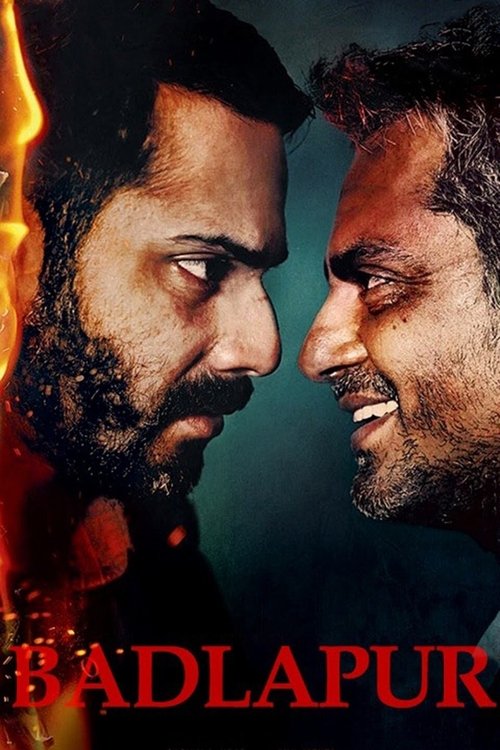
Badlapur2015
A dark, methodical thriller about revenge that spins out of control. It shares Gajab Raat's interest in how one act of transgression triggers a cascade, and how protagonists become the villains of their own stories.
But The violence is graphic and the emotional tone is bleak. It doesn't aim to entertain so much as to disturb.
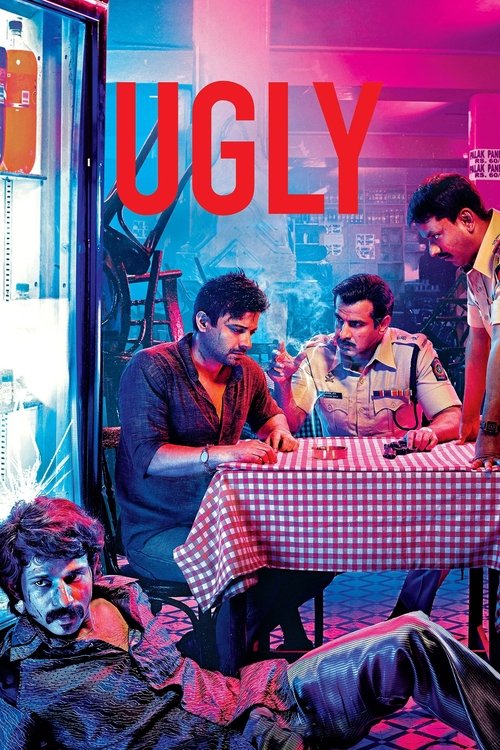
Ugly2013
An unflinching look at corruption, family breakdown, and the moral compromises we make. It shares the same DNA as Gajab Raat—a thriller that's really about character and consequence, shot with documentary-like realism.
But There's minimal plot momentum. It's a slow excavation of corruption rather than a fast-moving crime story.
Not sure tonight? Get a pick in a minute, starting from Gajab Raat
The wildcard
Something you would not have found on your own.
Sins of My Father2009
Both interrogate institutional guilt and personal complicity. Both ask: can a single moral act—or a single immoral one—matter in a corrupt system?
A documentary following the son of a powerful politician seeking redemption for his father's crimes. It shares Gajab Raat's central obsession: how one person's mercy or transgression ripples outward, and whether accountability is ever truly possible. The raw, unscripted reality is more unsettling than any fiction.
But It's a documentary, not a thriller, so there's no plot engine or resolution. It's also deeply sad and deliberately unresolved.

More like this (5)
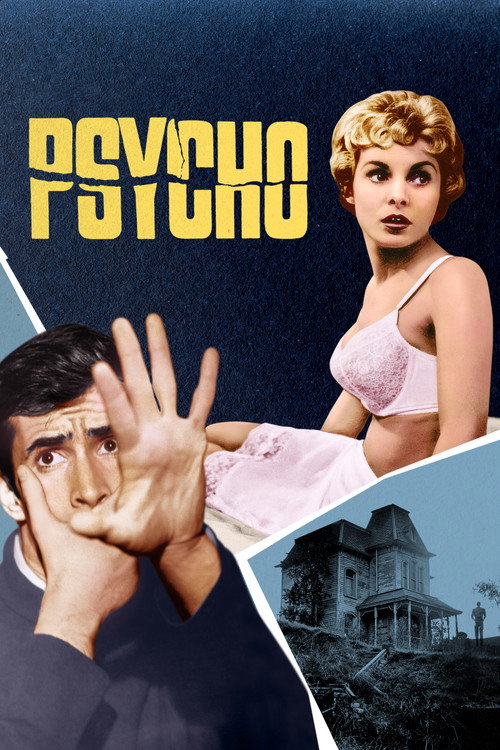
Psycho1960
A foundational thriller about a troubled protagonist whose moment of impulse spirals into escalating chaos. The structure—a single night that changes everything—and the moral complexity echo throughout crime cinema.
But It's from 1960, so the pacing feels leisurely by modern standards. Some of the psychology reads as dated.
Drive2011
A quiet, violent meditation on a man living on the margins who commits one act of intervention with catastrophic consequences. The night-lit palette and moral ambiguity parallel Gajab Raat's emotional core.
But It's deeply slow, with long silences and minimal dialogue. Some will find it pretentious; the violence is sudden and shocking rather than explained.

Thappad2020
Less obviously related, but it shares Gajab Raat's interest in how one act—a single gesture—unlocks truths and triggers consequence. A thriller about boundaries and what we accept from systems and people.
But It's not a crime story or action film. If you want genre pyrotechnics, this is too quiet and domestic.

A Prophet2009
Both explore how institutions—prison, police—manufacture criminality rather than containing it. Both see their protagonists clearly: not as heroes or villains, but as products of systems that leave them no better choices.
Jacques Audiard's masterpiece about a young man's transformation inside prison through a series of escalating acts and alliances. Like Gajab Raat, it traces how one moment of compromise becomes a trajectory, and how systems corrupt from within. The craftsmanship and ambition are extraordinary.
But It's French-language, 155 minutes, and structurally complex. It requires patience and active watching; it doesn't coddle you.

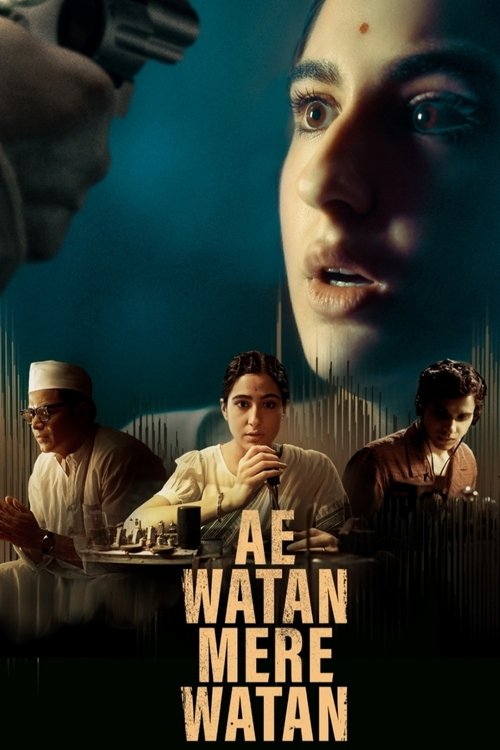
Ae Watan Mere Watan2024
Both use a protagonist caught between personal loyalty and institutional duty as the engine for moral collapse. Both are interested in how mercy and violence occupy the same space.
Sara Ali Khan in a smaller, stranger film about patriotism and its costs. It's a period thriller that asks uncomfortable questions about mercy, violence, and what we owe to the systems we serve—inverted through historical lens and female protagonist, but asking Gajab Raat's core question differently.
But It's uneven, and the mixing of registers—period romance with political thriller—doesn't always work. Some moments feel earnest in ways that undercut the tension.
People
Cast
 Manoj BajpayeeAjay Dixit
 Nushrratt BharucchaRosie





 David L. PriceRichard Hawkins
Directing
- Ritesh ShahDirector
Writing
- Neeraj PandeyWriter
- Ritesh ShahWriter
Production
- Sandeep ShandilyaAssociate Producer
- Shubham GaurCasting
- TrishaanCasting
- Devendra DeshpandeProducer
- Neeraj PandeyProducer