
Film
Drive
A getaway driver with no name and even less to say falls for his neighbour, and it costs him everything he's built his silence around. Nicolas Winding Refn turns a B-movie premise into something closer to a fairy tale — pink neon, synth pulse, sudden bursts of violence so brutal they reset the whole film's temperature. Gorgeous, slow-burning, not for anyone wanting wall-to-wall car chases.
If you liked this
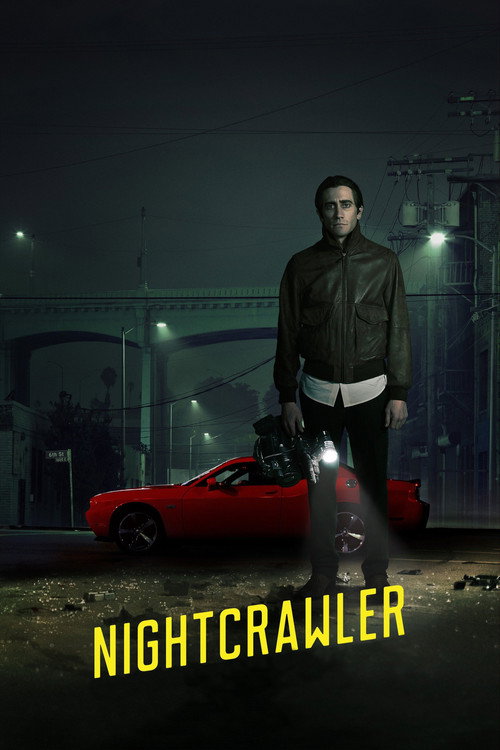
Nightcrawler2014
Another LA night-crawler with a blank stare and a private moral code, shot with the same neon-drenched dread. Jake Gyllenhaal is unnerving in a way that lingers.
But Colder and nastier than Drive — there's no love story to soften the amorality, just escalating creepiness.
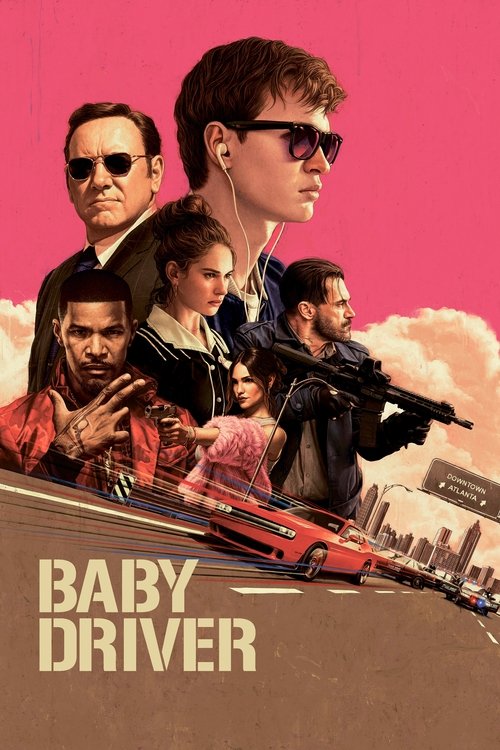
Baby Driver2017
Edgar Wright's answer to the same premise — getaway driver, one big score, a girl worth going straight for — but cut to the beat of his own soundtrack, with genuinely thrilling car work.
But Zippier and more playful throughout; if you loved Drive's stillness, this one rarely sits still.
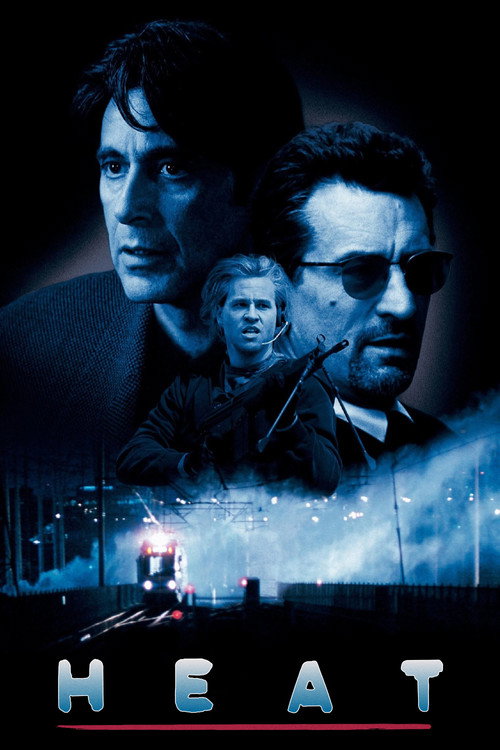
Heat1995
The professional-criminal blueprint Refn was clearly studying: two quiet, exacting men circling each other, a code of honour under all the violence, and one of the great heist sequences ever filmed.
But Nearly three hours long and talkier than Drive by a wide margin — this is patient, dialogue-heavy Mann, not pure mood.
The wildcard
Something you would not have found on your own.
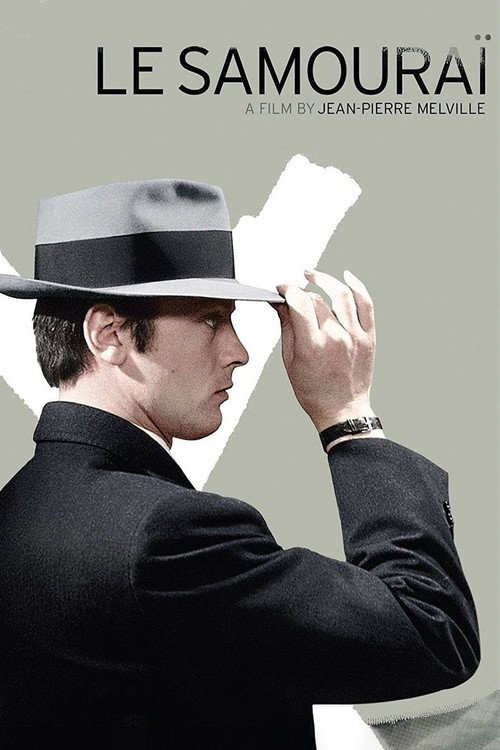
Le Samouraï1967
This is the film Refn openly cites as Drive's DNA: a nameless, near-silent professional who lives by an unspoken code, betrayed by the world he moves through.
Alain Delon's silent, immaculate hitman is the direct ancestor of Driver — Refn has named this film as a blueprint. The stillness, the coat, the code of honour: it's all here first, decades earlier.
But Black and white, in French, and even sparer with dialogue — patience for classic minimalist noir required.
More like this (8)
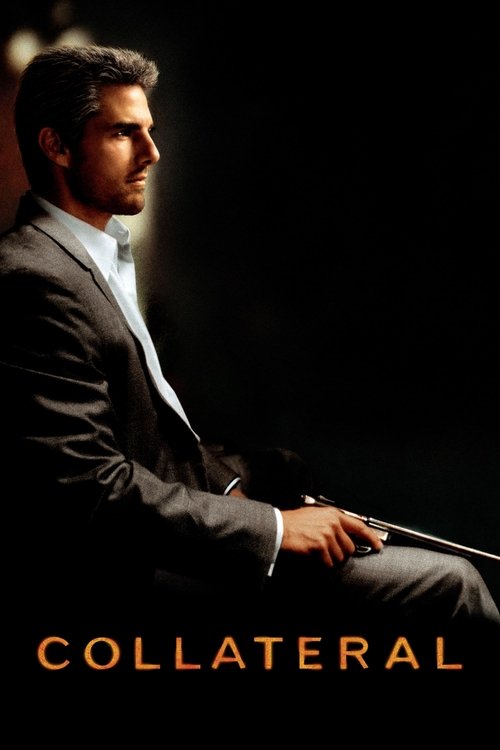
Collateral2004
A driver, a stranger, one long dangerous night through LA's underlit streets — Michael Mann again, this time with Tom Cruise as the ice-cold professional in the back seat.
But More conversation-driven than Drive; the tension is in what's said, not in silence and stares.
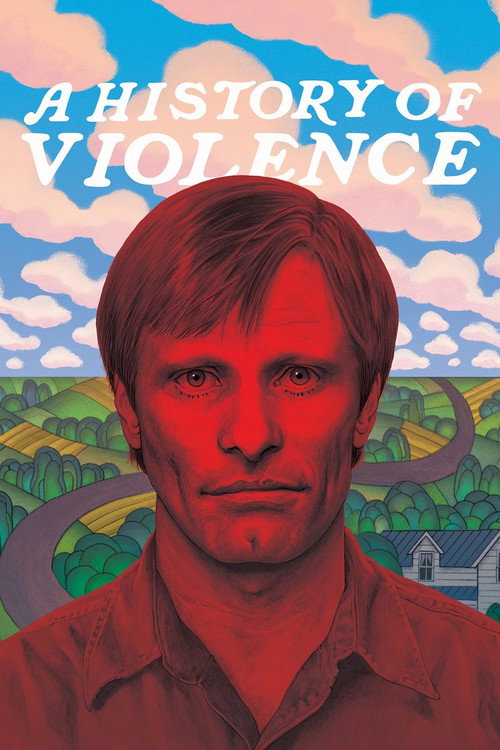
A History of Violence2005
A quiet family man's buried violent past resurfaces to threaten the people he loves — same emotional engine as Drive, filtered through Cronenberg's clinical unease.
But Less stylised, more unsettling in a domestic, close-to-home way — don't expect neon or a synth score.
Thief1981no page yet
Michael Mann's debut and arguably Drive's true grandfather: a solitary professional criminal with his own rigid ethics, gorgeous night photography, a Tangerine Dream score pulsing under everything.
But Slower and more austere by 1981 standards — patience required, and James Caan's stillness takes some warming to.
Only God Forgives2013no page yet
Refn and Gosling reunite for something even stranger and more punishing — same hypnotic pacing and lurid colour, dialled up into near-abstraction.
But Divisive for a reason: the violence is more extreme, the plot thinner, the mood almost oppressively slow.
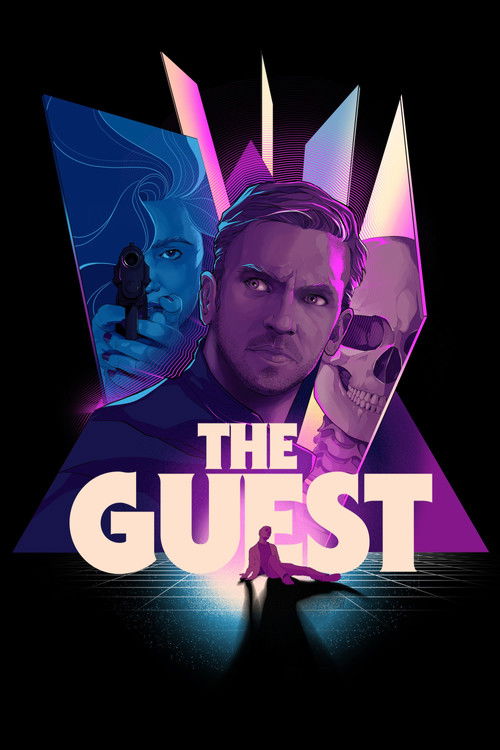
The Guest2014
A charming, unreadable stranger with a dark past insinuates himself into a family's life — same synth-heavy dread and simmering menace as Drive, with a wicked sense of humour underneath.
But Tips further into genre thrills and dark comedy by the end than Drive ever does.
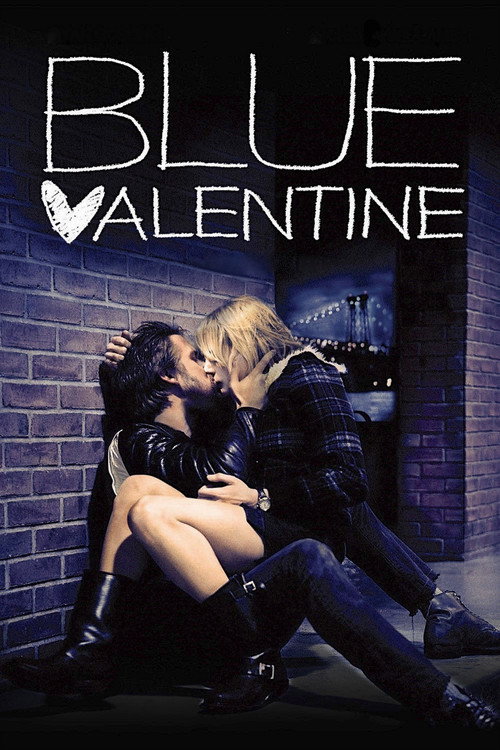
Blue Valentine2010
Gosling stripped of the cool exterior entirely — raw, messy, devastating as a man watching a relationship collapse. Worth it to see the range behind Driver's stillness.
But No crime, no style, no plot momentum — just two people falling apart in real time. A very different kind of heartbreak.
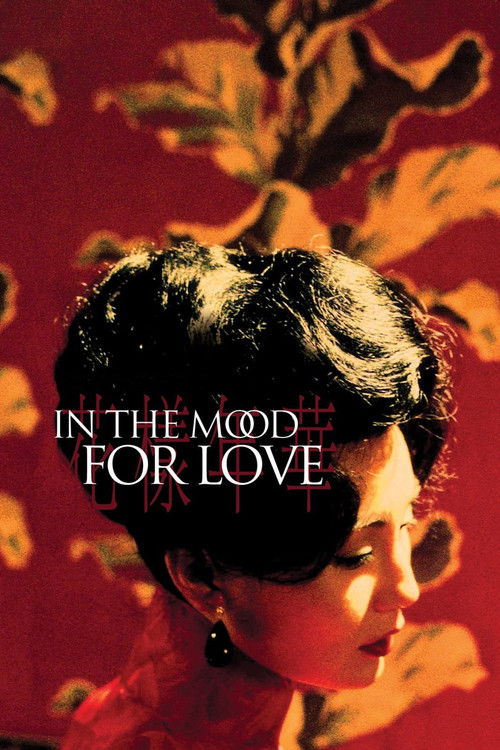
In the Mood for Love2000
Strip away the guns and the getaway car and Drive is really about two people who love each other and can't say it — this is that exact ache, in a different genre entirely.
Wong Kar-wai's story of two neighbours falling for each other without ever quite saying so, shot in the same saturated, melancholy colour palette that makes Drive's romance feel so aching and unspoken.
But There's no crime, no violence, no plot engine at all — just longing, restraint, and gorgeous stillness for two hours.
Cowboy Bebop1998
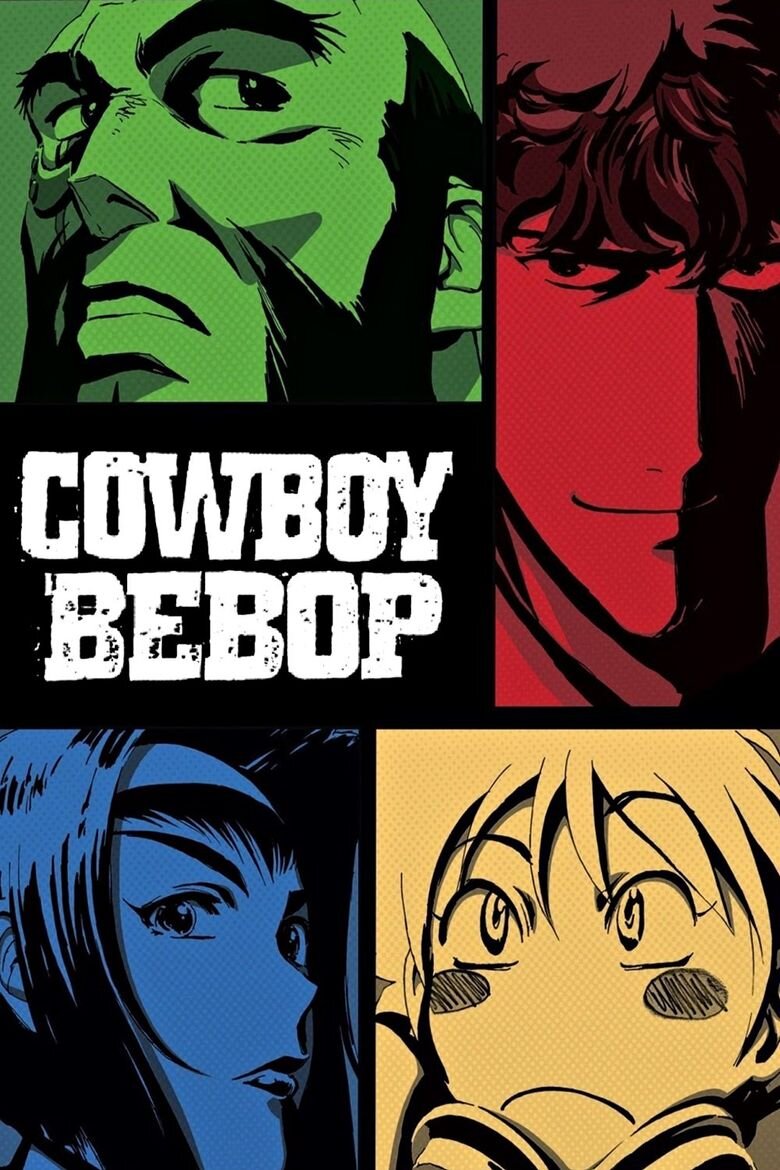
Same character type — the near-silent professional with a code, protecting people he barely lets himself love — reborn in a completely different medium, genre, and format.
A laconic loner with a violent past, a found family he'd die for, and a jazz-and-synth score doing half the emotional work — this anime bounty-hunter series runs on the same quiet-cool engine as Drive, episode after episode.
But It's a 26-episode anime series in Japanese — a much bigger ask than one film, and animation may be a hard sell if that's not your thing.
People
Cast
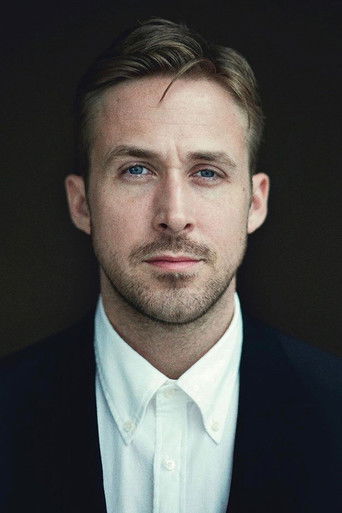 Ryan GoslingDriver
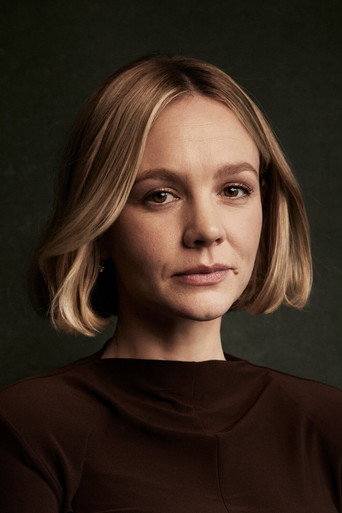 Carey MulliganIrene
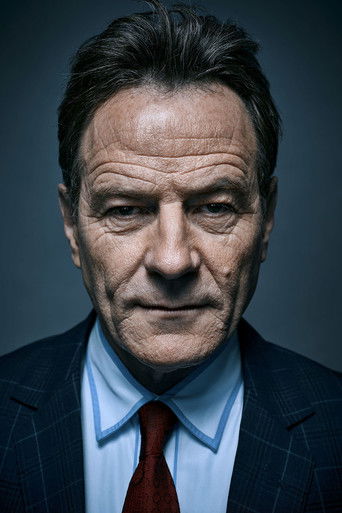 Bryan CranstonShannon
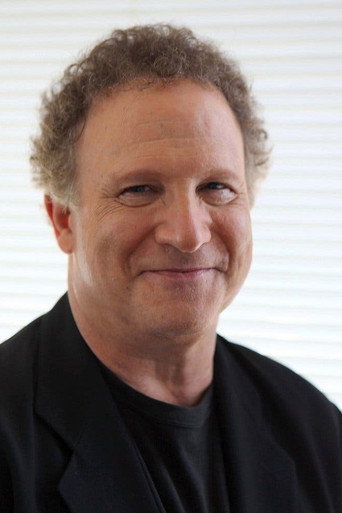 Albert BrooksBernie Rose
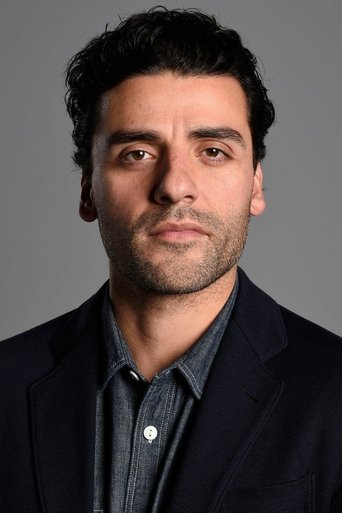 Oscar IsaacStandard
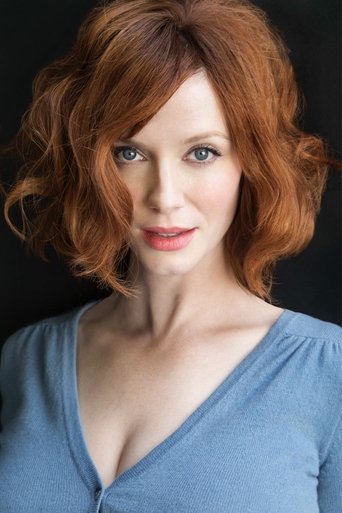 Christina HendricksBlanche
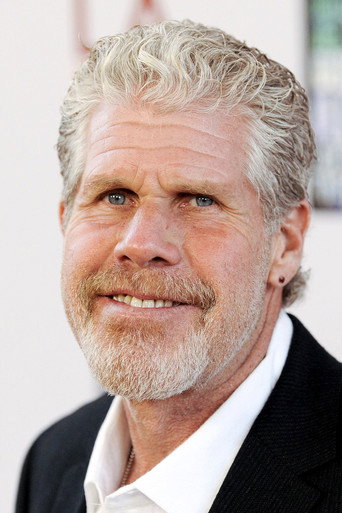 Ron PerlmanNino
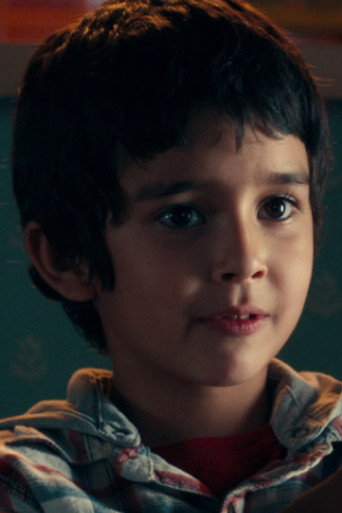 Kaden LeosBenicio
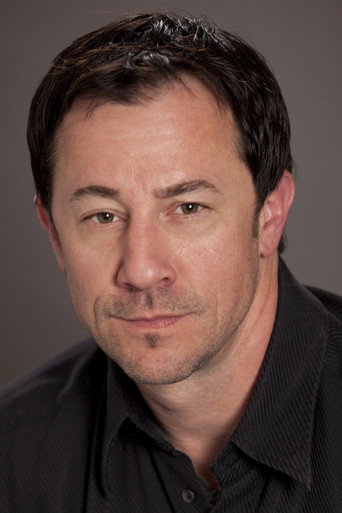 Jeff WolfeTan Suit
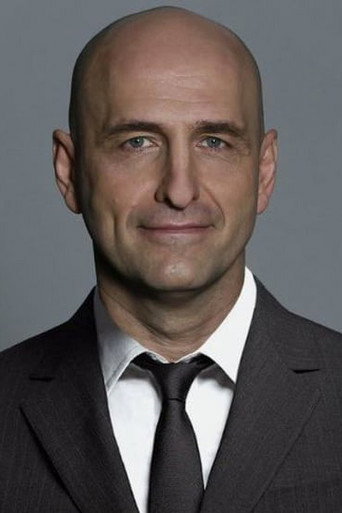 James BiberiCook
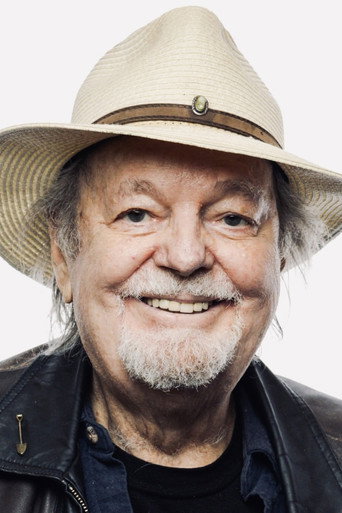 Russ TamblynDoc
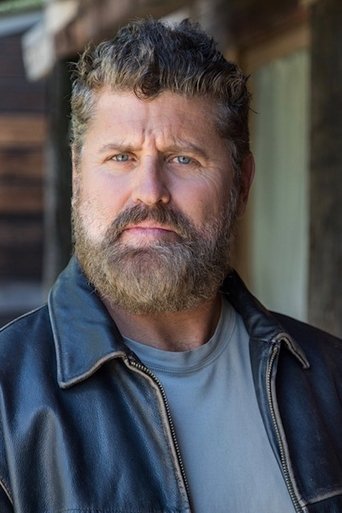 Joe Bucaro IIIChauffeur
Directing
- Pamela MonroeAdditional Second Assistant Director
- Ronan O'ConnorAdditional Second Assistant Director
- Vincent G. GonzalesAdditional Second Assistant Director
- Mike MartiAssistant Director
- Nicolas Winding RefnDirector
- Frank Capra IIIFirst Assistant Director
- Jane GoldsmithScript Supervisor
- Dieter BuschSecond Assistant Director
- Mark CarterSecond Second Assistant Director
- Darrin PrescottSecond Unit Director
Writing
- James SallisNovel
- Hossein AminiScreenplay
Production
- Joe CappellettiADR Voice Casting
- Joseph FeldArt Department Production Assistant
- Jeff KorsonAssistant Location Manager
- Jeffrey GarrettAssistant Location Manager
- Richard De LabioAssistant Location Manager
- Ted BayardAssistant Location Manager
- Joe FinemanAssociate Producer
- Mindy MarinCasting
- Kara LipsonCasting Associate
- Frank Capra IIICo-Producer
- Garrick DionCo-Producer
- James SmithCo-Producer
- Jonathan OakesCo-Producer
- Bill LischakExecutive Producer
- David LancasterExecutive Producer
- Gary Michael WaltersExecutive Producer
- Jeffrey StottExecutive Producer
- Linda McDonoughExecutive Producer
- Peter SchlesselExecutive Producer
- Brandi S. HawkinsExtras Casting
- Lauren CokeleyExtras Casting
- Janette EvansFirst Assistant Accountant
- Rob GibsonLocation Manager
- Adam SiegelProducer
- Gigi PritzkerProducer
- John PalermoProducer
- Marc PlattProducer
- Michel LitvakProducer
- Eric LayneProduction Accountant
- Shari LaFranchi BlakneyProduction Coordinator
- Alice S. KimProduction Supervisor
- Jeffrey StottUnit Production Manager
- Jim BehnkeUnit Production Manager
Recommended by
Heat, Le Samouraï, The Killer, Branded to Kill, Nightcrawler, Baby Driver, Point Blank, Taxi Driver, Collateral, Good Time, Spring Breakers, Bullitt, Breathless, You Were Never Really Here, The Guest, Ronin, Pale Flower, A Bittersweet Life, The Neon Demon, Tokyo Drifter, Sonatine, Streets of Fire, The Fast and the Furious