
Film
Miami Vice
Other titles called Miami Vice: the 1984 series (NBC).
Michael Mann's Miami Vice is a sleek, hypnotic crime thriller that trades plot momentum for mood and visual poetry. Colin Farrell and Jamie Foxx are undercover detectives caught between parallel seductions—to crime, to each other, to beautiful people with dark secrets. It's less interested in solving its case than in exploring how close you can get to the abyss before you fall in.
Should you watch it?
Watch it if you like crime thrillers built on mood, atmosphere and moody night-time water, where the surface style matters as much as the plot, in the spirit of Michael Mann's Heat.
Skip it if you want tidy plotting and a clear moral map, since this drifts through its story in long, hushed stretches and rarely explains itself to the audience.
What it asks of you: Settle in for a little over two hours of unhurried scenes, with long stretches of quiet watching, sudden bursts of violence and a steady, cool-toned darkness throughout.
Not sure? Find tonight's pick in a minute.
If you liked this
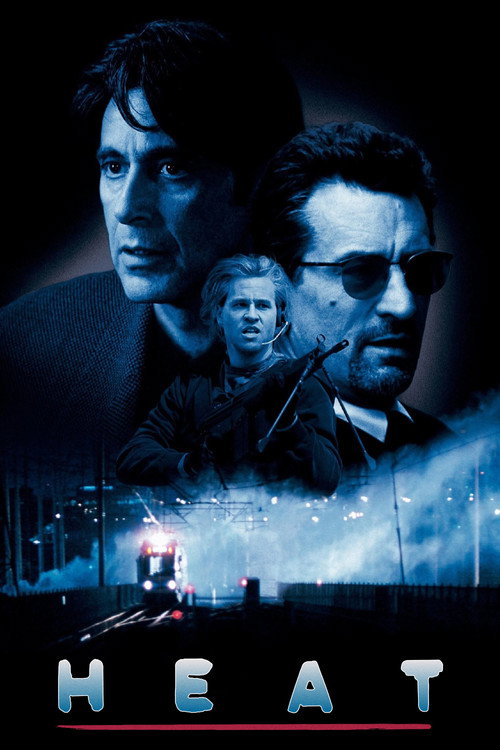
Heat1995
Mann's masterpiece about the obsessive dance between cop and criminal. Three-hour immersion in Los Angeles night, moral ambiguity, and two titans (De Niro and Pacino) circling each other with professional respect and personal distance.
But The 1995 look and pacing feel glacial if you want plot to snap. Long stretches of preparation and conversation before the action ignites.
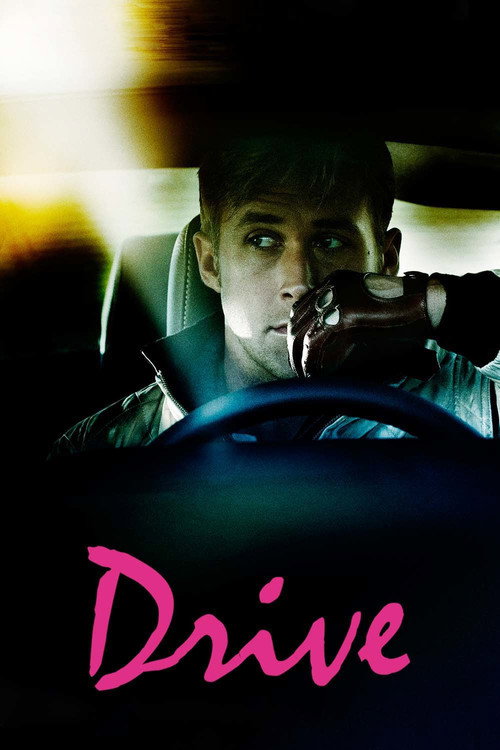
Drive2011
Nicolas Winding Refn's neon-drenched LA noir about a driver implicated in a criminal world. Like Miami Vice, it prioritizes atmosphere, silence, and the seduction of beautiful corruption over narrative clarity.
But Almost no dialogue in stretches. The plot is skeletal and the violence is sudden, brutal, and unsettling rather than exciting.
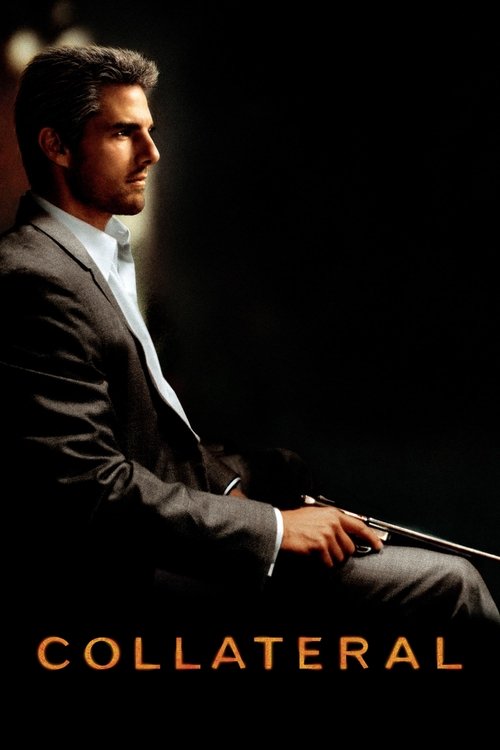
Collateral2004
Also Mann, also Los Angeles at night, also about two men pulled into each other's worlds. Tom Cruise is chilling as a hitman; the film builds claustrophobia across a single taxi ride through the city.
But Feels more conventional than Miami Vice. The moral questions are simpler and the ending more traditional.
Not sure tonight? Get a pick in a minute, starting from Miami Vice
The wildcard
Something you would not have found on your own.
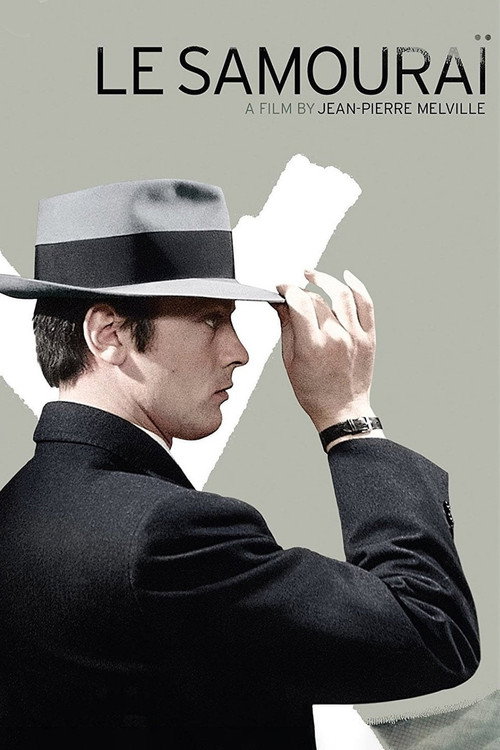
Le Samouraï1967
Both films are about beautiful men in beautiful locations committing themselves to violent worlds. Both prioritize the *feeling* of being a professional over the mechanics of crime. Both understand that style and mood can be their own argument.
Jean-Pierre Melville's silent-film-adjacent hitman noir. Alain Delon as a killer of almost supernatural cool and distance. Every shot is composed like a painting. It influenced every stylish crime film after, including Miami Vice's DNA.
But 1967 pacing. Very little dialogue, even less plot. If you need momentum or emotional warmth, this will feel like watching a glacier.
More like this (8)
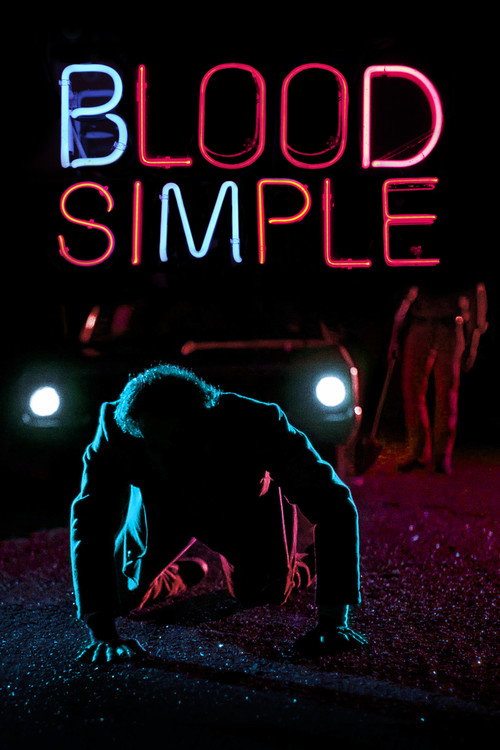
Blood Simple1985
Coen Brothers' debut: a Texas noir about a man hired to murder his wife's lover. Every frame is purposeful. The paranoia is contagious. It builds dread from misunderstanding and small mistakes.
But Slow-burn 1980s crime film. Minimal action. If you need plot propulsion, you'll feel the runtime.
A Prophet2009
Jacques Audiard's French prison epic. A young man rises through the underworld by intelligence and will. Immersive, visceral, and morally complex—about the seduction of power and how people are corrupted by necessity.
But Prison brutality is graphic. Subtitled. Two and a half hours of sustained tension with no easy catharsis.

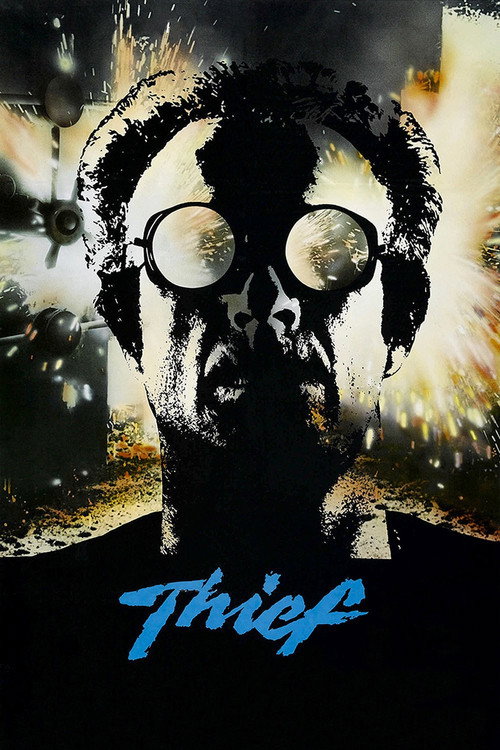
Thief1981
Michael Mann again, early: James Caan as a jewel thief caught between the crime world and a chance at legitimate life. Tangerine Dream score. Gorgeous Los Angeles. The eternal Mann theme: can you love something and stay outside it?
But The '80s aesthetic might feel dated. The heist plot is less important than the character study, which won't satisfy if you want clever scheme-mechanics.
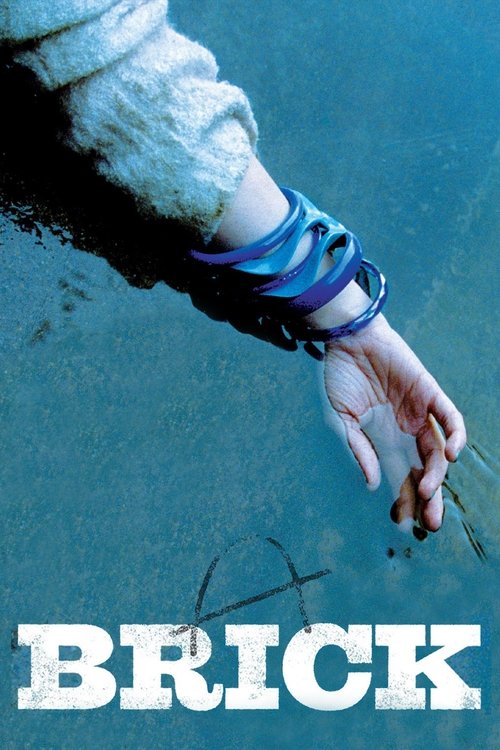
Brick2006
Rian Johnson's high school film noir: a student detective investigates his ex's death. Hardboiled dialogue in American suburban schools. Fresh, clever, completely committed to its own logic.
But The stylization can feel arch and forced. It walks a thin line between homage and parody that not everyone will buy.
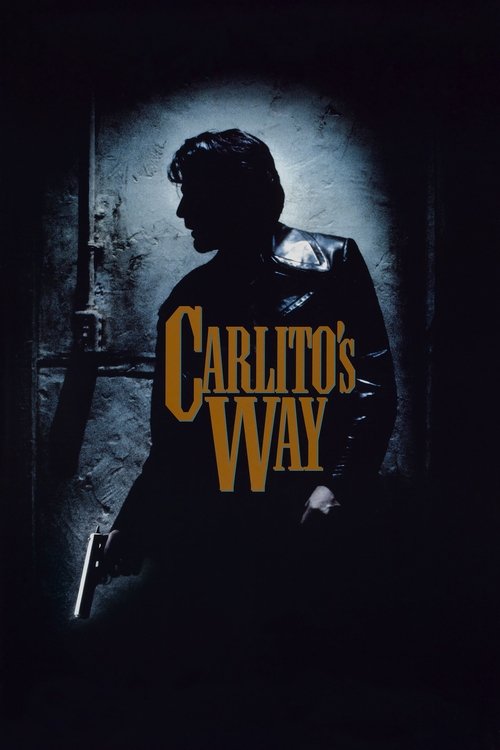
Carlito's Way1993
Brian De Palma's crime epic: Al Pacino as a drug lord trying to exit the business and go straight. Gorgeous 1970s New York. About the gravity well of your own reputation and the impossibility of escape.
But Longer and more theatrical than Miami Vice. Some moments strain credibility. The ending is telegraphed.
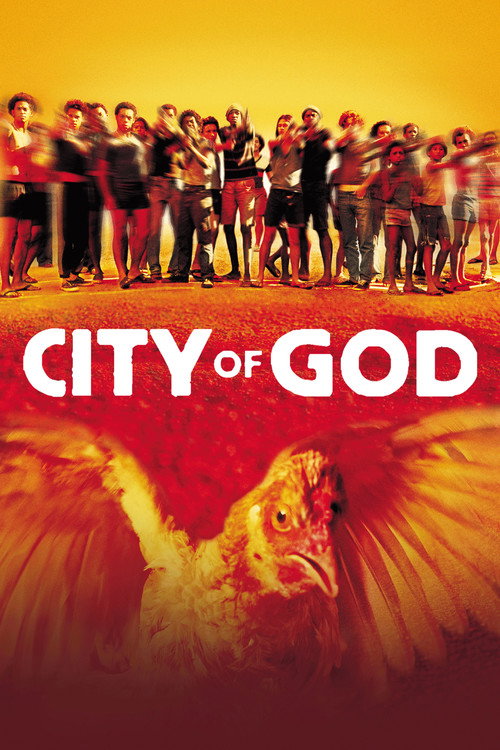
City of God2002
Brazilian crime epic filmed in Rio's favelas. Kinetic, urgent, and darkly funny. A kid tries to escape the drug war his city is built on. The cinematography and editing crackle with life and violence.
But Subtitled. The pace is relentless and the poverty is not aestheticized—it can be exhausting and bleak.
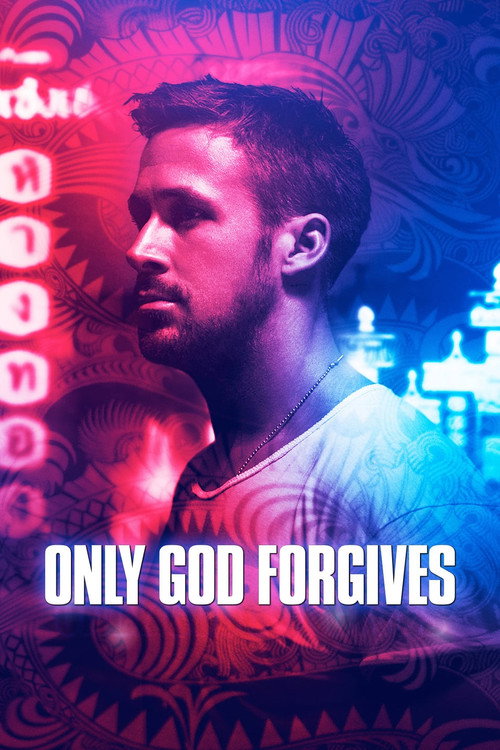
Only God Forgives2013
Both use crime as a frame for exploring men's paralysis and complicity. Both are more interested in how beautiful a man can look falling than in why he's falling. Both say: the point is not the crime, it's the texture of surrender.
Nicolas Winding Refn's neon Bangkok nightmare: Ryan Gosling drifts through a revenge plot that barely moves. Fluorescent reds and golds. Almost no dialogue. About masculine shame and the desire to be punished for existing.
But It is *deeply* slow and strange. Some will find it pretentious or glacial. There is virtually no plot and no one to root for. Audiences often leave angry.
The Killing1956
Both are films about meticulous planning and the gap between intention and outcome. Both suggest that the actual crime is less important than the world it reveals and the men it tests. Both are more interested in *how* a man thinks than in *what* he does.
Stanley Kubrick's racetrack heist film, before he became Kubrick. A small crew plans a racetrack robbery told out of chronological order. Tense, clever, and shot with stark black-and-white precision. The architecture of a perfect plan.
But 1950s B-movie aesthetic. At 85 minutes it's lean but some find it dated. The human drama is secondary to the scheme itself.

People
Cast
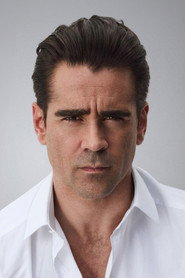 Colin FarrellDet. James 'Sonny' Crockett
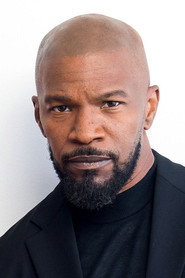 Jamie FoxxDet. Ricardo 'Rico' Tubbs
 Naomie HarrisDet. Trudy Joplin
 Gong LiIsabella
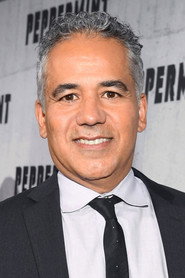 John OrtizJosé Yero
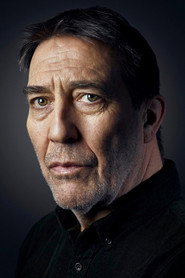 Ciarán HindsFBI Agent John Fujima
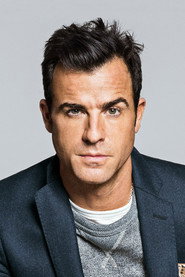 Justin TherouxDet. Larry Zito
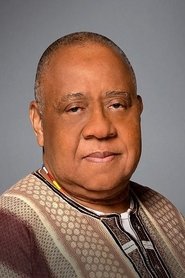 Barry Shabaka HenleyLt. Martin Castillo
 Elizabeth RodriguezDet. Gina Calabrese
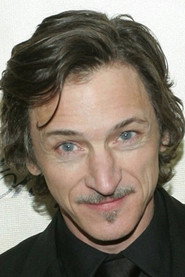 John HawkesAlonzo Stevens
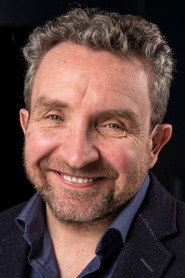 Eddie MarsanNicholas
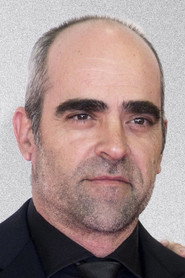 Luis TosarArcángel de Jesús Montoya
Directing
- Sean HobinAdditional Second Assistant Director
- Michael MannDirector
- Michael WaxmanFirst Assistant Director
- Jayne-Ann TenggrenScript Supervisor
- Pamela AlchScript Supervisor
- Jeff OkabayashiSecond Assistant Director
- Chris CastaldiSecond Second Assistant Director
Writing
- Anthony YerkovichOriginal Series Creator
- Michael MannWriter
Production
- Tom UdellAccountant
- Barbara HarrisADR Voice Casting
- Susann BelavalArt Department Production Assistant
- S.R. CongerAssistant Accountant
- Wilson De Souza LoboAssistant Location Manager
- Angie Lee CobbsAssistant Production Coordinator
- Federico LópezAssistant Production Manager
- Sarah BradshawAssociate Producer
- Wayne MorrisAssociate Producer
- Francine MaislerCasting
- Merry AldermanCasting Assistant
- Benjamin GerryCasting Associate
- Bryan H. CarrollCo-Producer
- Gusmano CesarettiCo-Producer
- Michael WaxmanCo-Producer
- Maria NormanExecutive Assistant
- Pedro M. GuillenExecutive Assistant
- Andrew Francis FenadyExecutive In Charge Of Production
- Anthony YerkovichExecutive Producer
- Rocio De LeonExtras Casting Assistant
- Jody BeaudinFirst Assistant Accountant
- Joshua A. HornLocation Assistant
- Christopher GrayLocation Casting
- Stefani RockwellLocation Coordinator
- Maria K. ChavezLocation Manager
- Joel TokarskyPayroll Accountant
- John C. KruizePost Production Accountant
- Sam RestivoPost Production Coordinator
- Michael MannProducer
- Pieter Jan BruggeProducer
- Cynthia QuanProduction Accountant
- Almudena AlcazarProduction Assistant
- Karen JarneckeProduction Coordinator
- Miguel Ángel PovedaProduction Manager
- Dixiana RubioProduction Secretary
- Jeff G. WaxmanProduction Supervisor
- David FultonPublicist
- Rebekah BurgessResearcher
- Cristina ChristianSecond Assistant Accountant
- Ellen J. MorrisSecond Assistant Production Coordinator
- Melissa HerronTravel Coordinator
- Mauricio Perez OrlandoUnit Manager
- Sarah BradshawUnit Production Manager
Recommended by
Heat, Bad Boys, Red Heat, Fallen Angels, Bad Lieutenant: Port of Call New Orleans, Violent Cop, Murphy's Law, Hyena, Breathless, Pacifiction