
Film
Violent Cop
- Crime
- Very dark
Takeshi Kitano's directorial debut is a lean, brutal crime thriller about a cop willing to obliterate every rule to stop a colleague's descent into yakuza corruption. Shot with cold precision and minimal dialogue, it's a masterclass in showing violence as consequence rather than spectacle. For anyone drawn to grey-area protagonists and moral collapse.
If you liked this
A Prophet2009
A young man's rise through prison hierarchy while trapped in a system designed to break him. Like Violent Cop, it finds tragedy in ambition without excusing brutality, and builds dread through observation rather than action beats.
But French cinema's pacing isn't for everyone, and the prison setting means sustained bleakness with limited light or release.

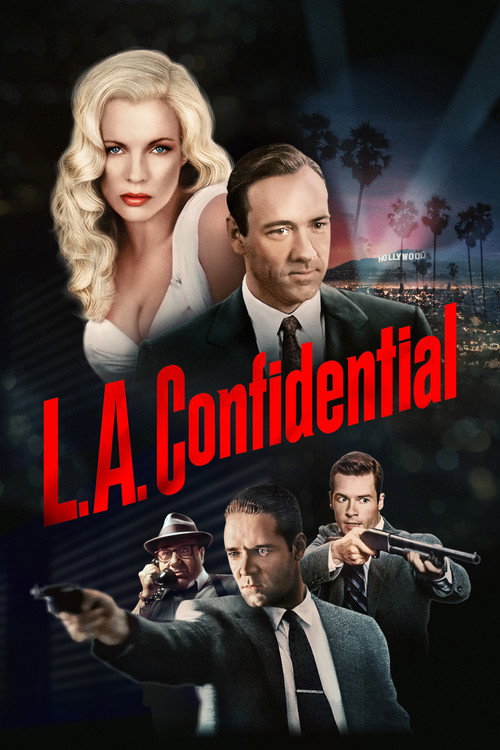
L.A. Confidential1997
Corrupt cops, criminal networks, and a detective pursuing justice through increasingly unethical means. It has Kitano's visual economy but with the crisp plotting and style that made nineties crime thrillers essential watching.
But It's slicker and more Hollywood than Violent Cop—if you want raw ugliness, this gloss might feel like a betrayal.
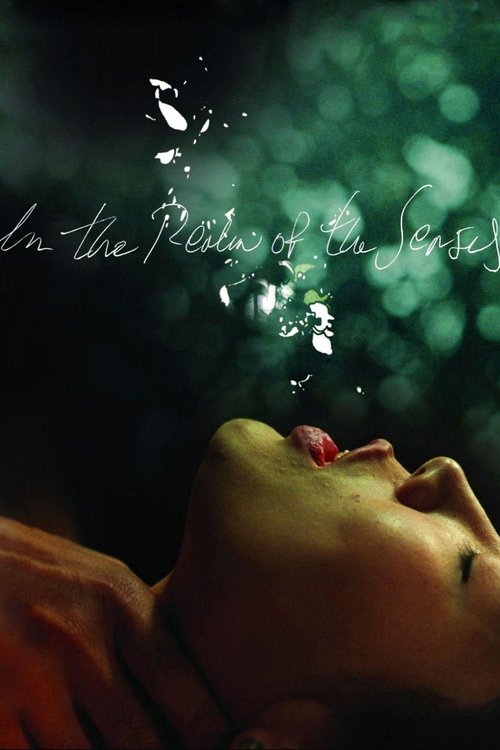
In the Realm of the Senses1976
Nagisa Oshima's meditation on obsession and power, shot with unflinching directness that makes violence feel inevitable rather than thrilling. Japanese cinema at its most uncompromising, with a similar refusal to judge or soften its protagonists.
But Explicit sexual content throughout. Not titillating—it's clinical and sometimes punishing, which is precisely the point, but it demands serious tolerance.
Not sure tonight? Get a pick in a minute, starting from Violent Cop
The wildcard
Something you would not have found on your own.
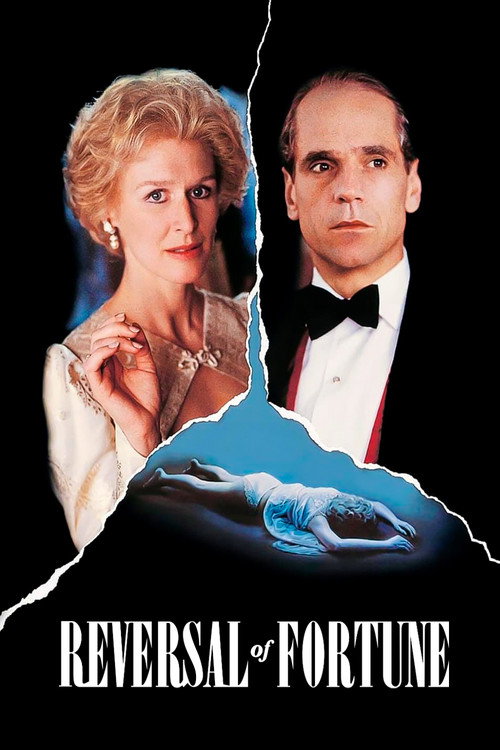
Reversal of Fortune1990
Both center on professionals—cop and lawyer—whose skill and obsession become instruments of moral compromise. Both refuse to resolve the contradiction.
Barbet Schroeder's film about defending Claus von Bulow asks: what happens when you're brilliant enough to protect someone you suspect is guilty? Jeremy Irons as a lawyer performing certainty he doesn't feel. It's Violent Cop's intellectual twin—both ask whether competence and morality can coexist.
But Courtroom procedural that prioritizes argument over spectacle. Glacial. Some will find it tedious precisely because it takes the law seriously.
More like this (8)
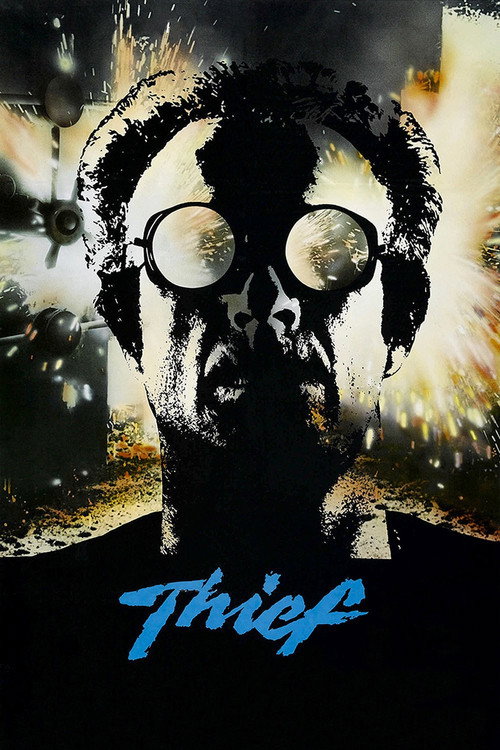
Thief1981
Michael Mann's hymn to professional criminals who follow their own code. Minimal dialogue, maximum atmosphere, and a protagonist whose choices spiral toward ruin. That collision between discipline and self-destruction is pure.
But Slow-burn that trusts you to sit with mood over plot. Some find it hypnotic; others find it glacial.
Mulholland Drive2001
David Lynch's Los Angeles nightmare where identity fractures and morality becomes negotiable. Like Violent Cop, it understands that corruption isn't a plot point—it's a condition of the world these characters inhabit.
But Deliberately fractured narrative that refuses to cohere. If you want clarity, this will infuriate you.

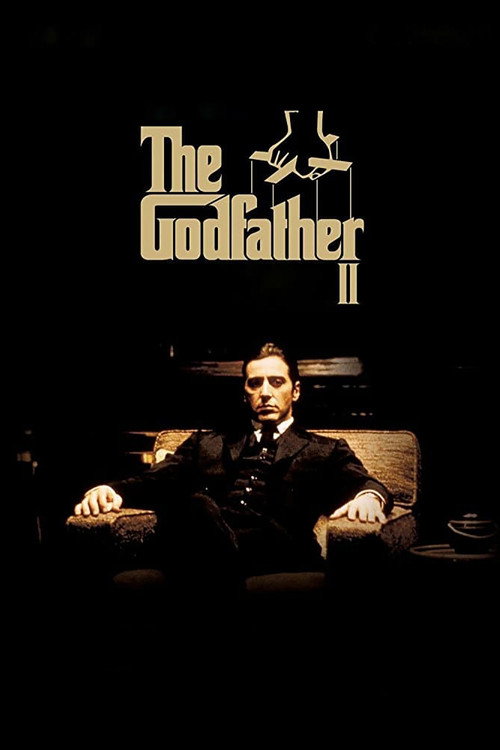
The Godfather Part II1974
The gold standard for showing how good men become tyrants. Methodical, patient, and uninterested in redemption. Coppola and Kitano share a belief that power corrodes everything it touches.
But Nearly four hours. Requires full attention and multiple viewings to unlock. Not a casual watch.
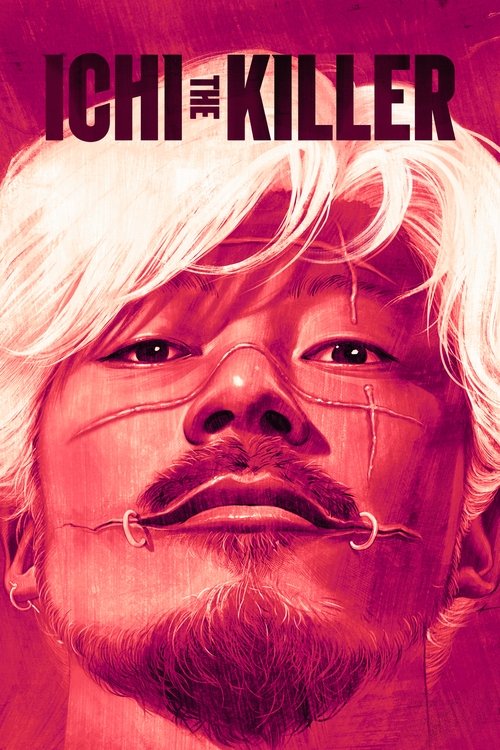
Ichi the Killer2001
Takashi Miike's adaptation of a manga about yakuza and broken men doing broken things. Visceral, stylized, and genuinely disturbing. If you want to see how far Japanese crime cinema can push, this is it.
But Graphic violence that exists to make you uncomfortable, not to excite. Some scenes are designed to repel. Not entertainment in the traditional sense.
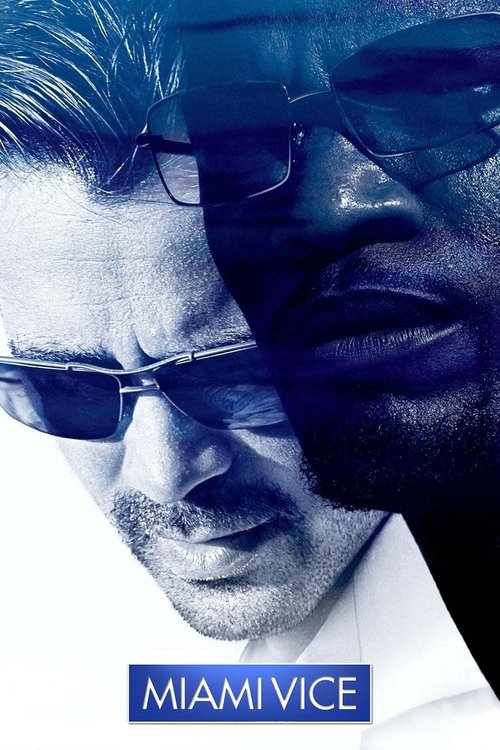
Miami Vice2006
Michael Mann revisits his TV creation as a noir about cops who've become indistinguishable from the criminals they chase. Gorgeous and hollow in exactly the way that matters—form as content.
But Divisive even among Mann admirers. Gorgeous but cold, and the plot is secondary to aesthetic and mood.
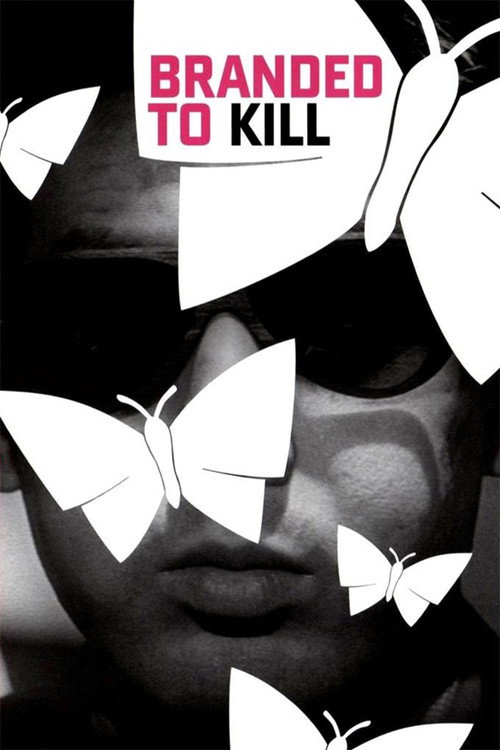
Branded to Kill1967
Seijun Suzuki's pulp yakuza film about a hitman whose psyche collapses. Anarchic, stylized, and decades ahead of its time. Raw proof that Japanese crime cinema was doing moral corruption long before Kitano.
But Campy in places, deliberately garish. The tone is fractured by design, which some read as genius and others as incoherent.
The Killing1956
Different eras, same philosophy: Kubrick and Kitano both believe the visual frame does the moral work. Violence and consequence shown, never explained. Both demand you watch, not feel.
Kubrick's debut is a fractured heist film where the plan is sound but the execution collapses under human weakness. Shot in black-and-white austerity that Kitano clearly studied. Economy of image, maximum impact, zero sentimentality.
But Fifties film noir can feel dated if you're not attuned to that register. The narrative structure jumps around in ways that confuse more than clarify on first viewing.

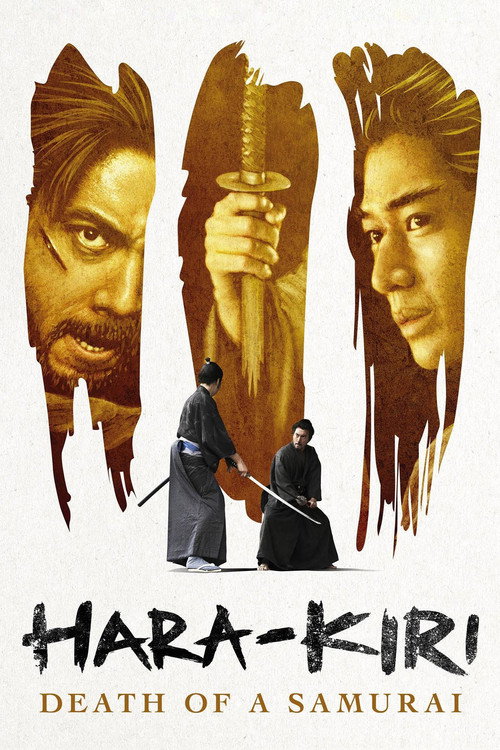
Hara-Kiri: Death of a Samurai2011
Both films see authority as a machine that corrodes its own operators. Both use Japaneseness not as exotic flavor but as structural—the code itself is the corruption.
Masaki Kobayashi's meditation on honor, code, and institutional cruelty. A samurai requests ritual suicide; what follows is a systematic exposure of the system that demands it. Japanese cinema examining how institutions destroy the men they claim to value.
But Deliberately paced chamber piece about death. Not thrilling, often painful to watch. The violence is meaningful, which means infrequent and devastating.
People
Cast
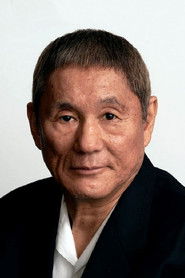 Takeshi KitanoAzuma Ryosuke
 Maiko KawakamiAkari Ryosuke
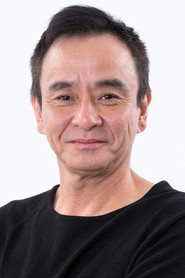 Makoto AshikawaKikuchi
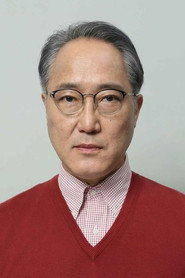 Shiro SanoYoshinari
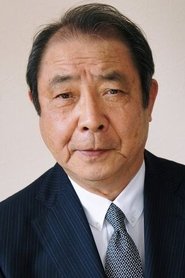 Sei HiraizumiIwaki
 Mikiko OtonashiIwaki's Wife
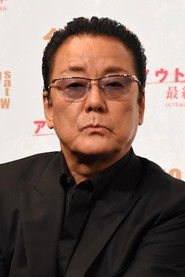 HakuryuKiyohiro
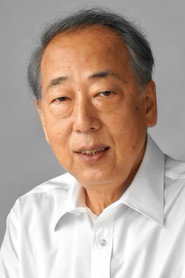 Ittoku KishibeNito
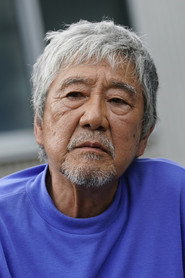 Ken YoshizawaShinkai
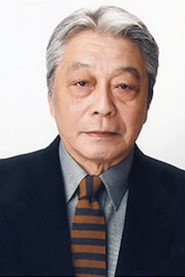 Nobuyuki KatsubeDeputy Police Chief Higuchi
- Noboru HamadaChief Detective Araki
- Yuuki KawaiDetective Honma
Directing
- Takashi TsukinokiAssistant Director
- Toshihiro TenmaAssistant Director
- Takeshi KitanoDirector
Writing
- Hisashi NozawaWriter
- Takeshi KitanoWriter
Production
- Kazuyoshi OkuyamaExecutive Producer
- Akinori KurodaLine Producer
- Hisao NabeshimaProducer
- Shôzô IchiyamaProducer
- Takio YoshidaProducer