
Film
Hara-Kiri: Death of a Samurai
- Period drama
- Very dark
Masaki Kobayashi's stunning 1962 *Harakiri* gets remade by Takashi Miike with visceral force. A ronin arrives at a lord's gate asking permission to die with honor, but his real errand is vengeance for his son-in-law's death. It's a meditation on the cruelty of honor codes wrapped in samurai combat—brutal, formal, and heartbreaking.
Should you watch it?
Watch it if you like slow-burn period pieces where the calm, formal surface of a samurai household hides a steadily building rage, and where restraint carries more menace than swordplay.
Skip it if you want swordfights arriving on a regular schedule, because this one makes you wait, and its long stretches of talk and stillness can feel like an endurance test.
What it asks of you: Two hours and eight minutes of patience, with the tension built through long, quiet scenes of talk and formal ritual rather than quick cuts.
Not sure? Find tonight's pick in a minute.
If you liked this
Harakiri1962
Masaki Kobayashi's original remains the gold standard: the same story told with even greater restraint, making the violence more shocking and the moral rot of the honor system crystal clear.
But Slower pacing and a different formal aesthetic might feel dated if you prefer Miike's baroque intensity and technical dazzle.

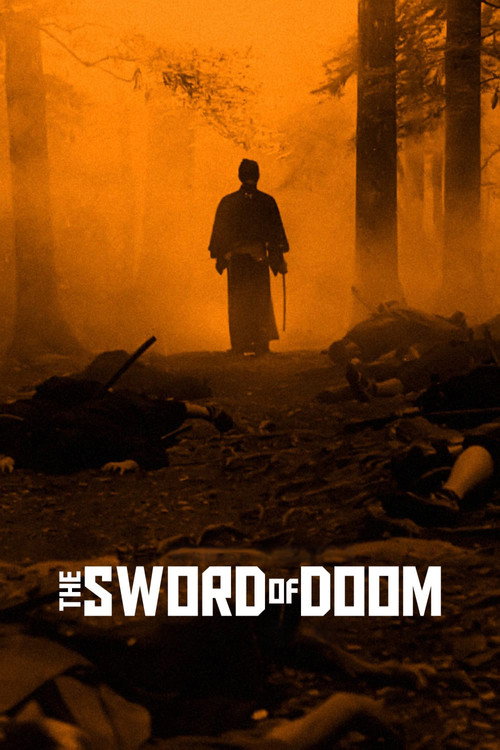
The Sword of Doom1966
Tatsuya Nakadai as a swordsman consumed by nihilism and his own skill. Morally corrosive, beautifully shot, and it shares Hara-Kiri's skepticism about samurai mythology as redemptive.
But Genuinely bleak with no cathartic revenge—it ends in spiritual emptiness rather than justified violence.
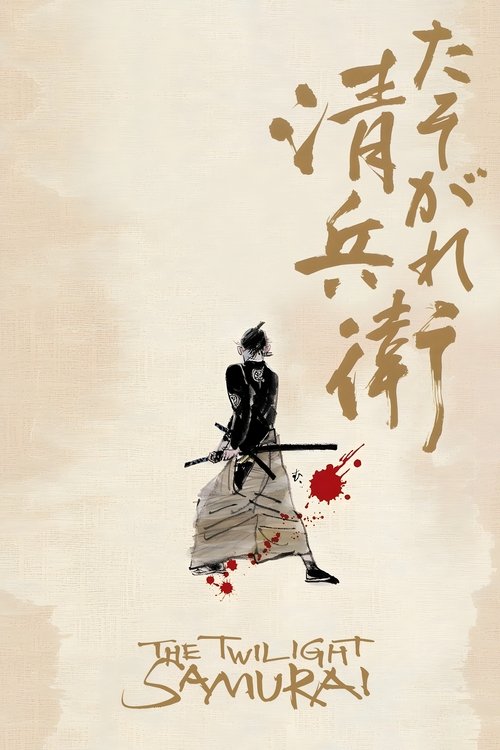
The Twilight Samurai2002
Masatoshi Nagase as a low-ranking samurai trying to escape the code entirely. Tender and elegiac where Miike is volcanic, but equally invested in exposing honor as a trap for the poor and powerless.
But If you came for spectacle and viscera, the quietness and small scale will feel like a comedown.
Not sure tonight? Get a pick in a minute, starting from Hara-Kiri: Death of a Samurai
The wildcard
Something you would not have found on your own.
A Prophet2009
Both are about how institutional violence corrupts the individual and makes vengeance feel like the only moral choice—but only after everything else has been systematically taken.
A young man imprisoned for murder enters a corrupt system of power and learns to manipulate it from inside. The architecture is identical to Hara-Kiri: a person alone against an institution that rewards cruelty, with revenge as the only language available.
But It's set in a French prison, not feudal Japan, and the register is grimy realism, not formal aesthetics.

More like this (6)
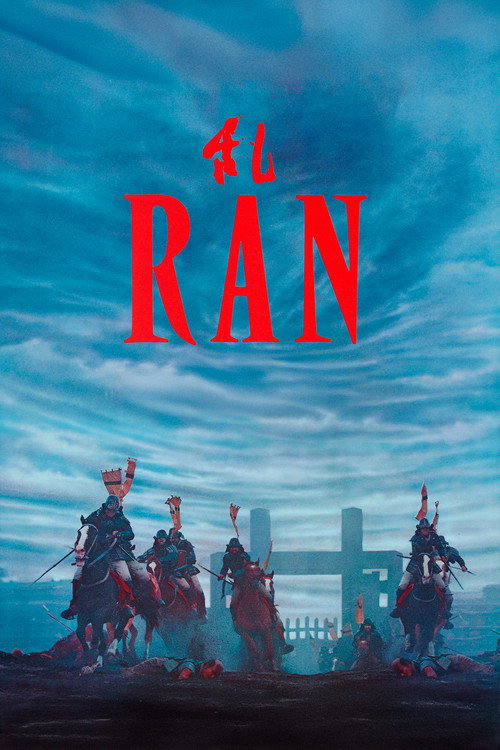
Ran1985
Kurosawa's masterpiece about power, inheritance, and the pointlessness of dynastic warfare. The chaos and color are overwhelming; the philosophy underneath is merciless.
But At 160 minutes and with an ensemble cast, it sprawls—easier to admire than to love on first viewing.
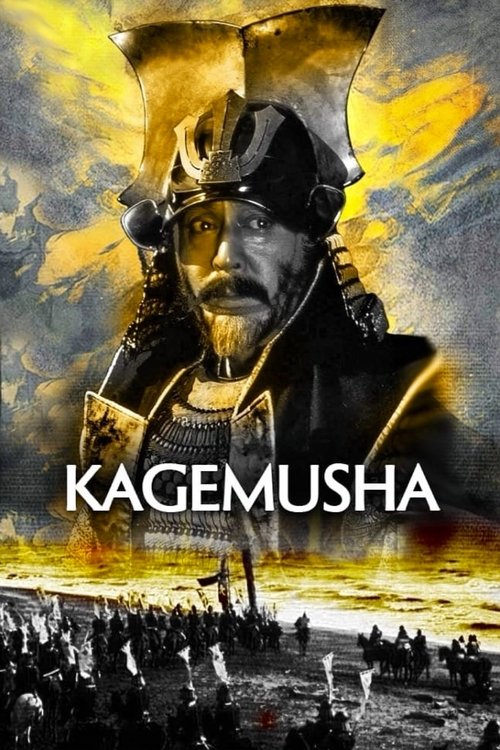
Kagemusha1980
Another Kurosawa meditation on power and deception, with a double obsessed with replacing a dead warlord. The court intrigue and questions of legitimacy echo through Hara-Kiri's investigation of false honor.
But The pacing is deliberate and painterly; if you want propulsive narrative, this isn't it.
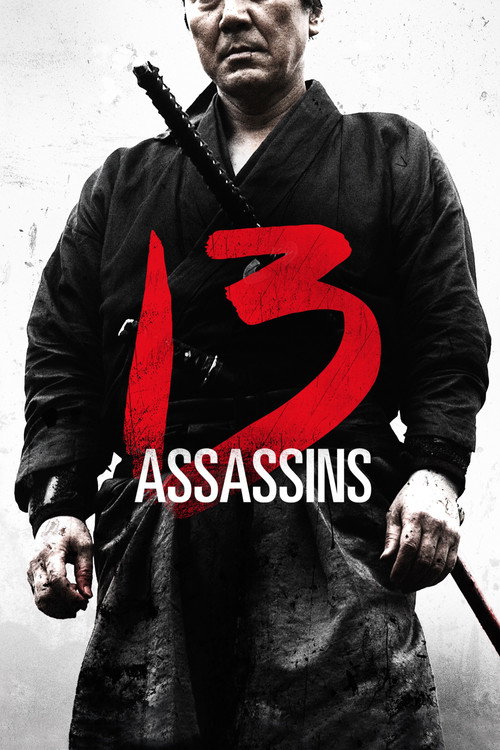
13 Assassins2010
Takashi Miike's other samurai classic from the same period: a group plots to kill a sadistic lord. Combines Miike's visual excess with genuine moral stakes and a devastating final act.
But The first half is setup and character work; the final battle is half the runtime, which might feel unbalanced.
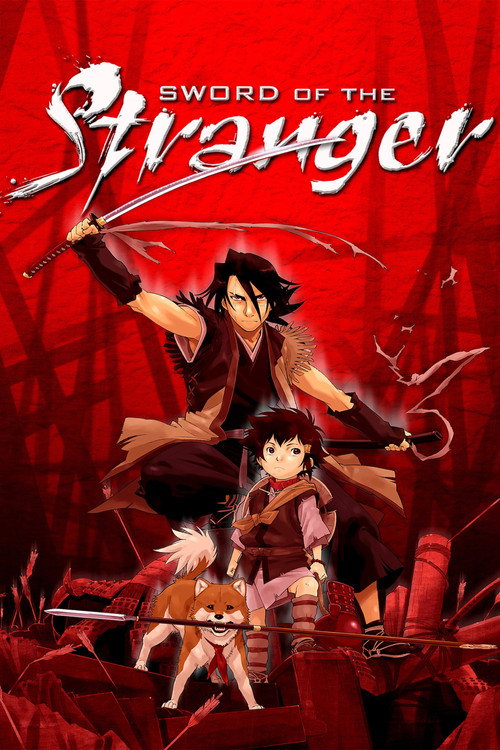
Sword of the Stranger2007
A drifter and a fugitive child form a bond against a foreign swordmaster. The animation is stunning, the action intoxicating, and it carries real weight about belonging and protection.
But It's anime, so if you're not open to that medium, you've already checked out.
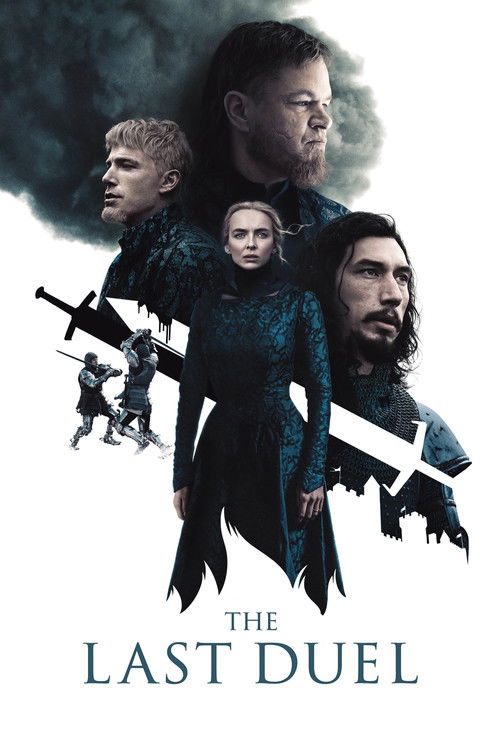
The Last Duel2021
Both films use a ritualistic final combat to interrogate whether honor or justice actually exist, or whether we've just been watching theater masquerade as morality.
Ridley Scott's formally structured examination of how honor codes serve power, told through three perspectives of the same traumatic event. The final duel is brief and almost anticlimactic, just like Miike's climax.
But Long, historically dense, and Damon is not Nagase—the emotional core is colder and more cerebral than you might want.
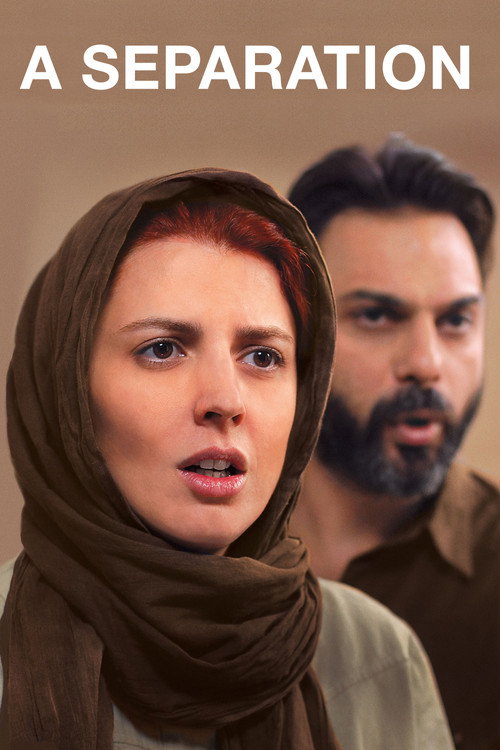
A Separation2011
Both examine how honor and principle become weapons that destroy the people who wield them, and how systems designed to protect us actually protect only the powerful.
Asghar Farhadi's masterpiece about a marriage dissolving through Iranian courts, where every character believes they're morally right and institutional systems grind individuals into impossible positions. It's Hara-Kiri in a living room.
But Utterly devoid of spectacle or action—it works entirely through dialogue and the geometry of framing. Punishingly slow if you want catharsis.
People
Cast
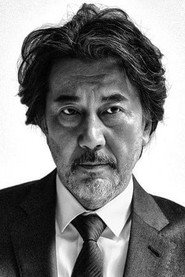 Koji YakushoKageyu
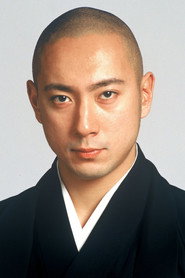 Ichikawa Ebizo XIHanshirô Tsugumo
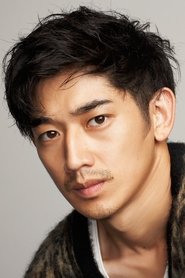 Eita NagayamaMotome

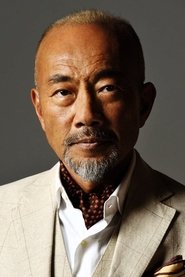 Naoto TakenakaTajiri
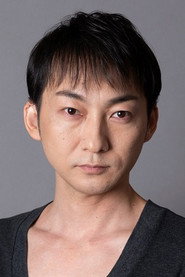 Kazuki NamiokaUmanosuke Kawabe
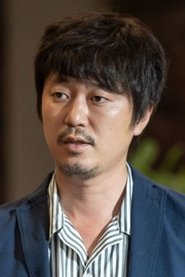 Hirofumi AraiHayatonosho Matsuzaki
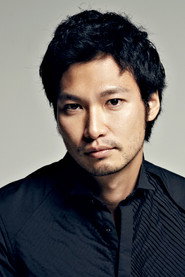 Munetaka AokiHikokuro Omodaka
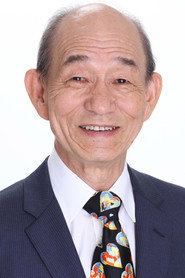 Takashi SasanoSousuke priest
- Gorō DaimonPriest
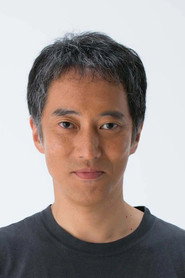 Ayumu SaitoFujita
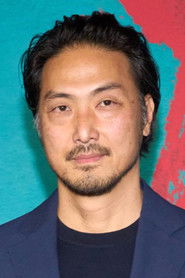 Takehiro HiraNaotaka Ii
Directing
- Ryosuke KanesakiAssistant Director
- Takashi MiikeDirector
Writing
- Yasuhiko TakiguchiNovel
- Shinobu HashimotoOriginal Film Writer
- Kikumi YamagishiScreenplay
Production
- Tetsu FujimuraAssociate Producer
- Yuriko KitadaCasting Producer
- Misako SakaCo-Producer
- Nobuyuki TanizawaCo-Producer
- Sigeshi MaedaCo-Producer
- Eiichi NoguchiExecutive Producer
- Hiroaki KitanoExecutive Producer
- Suketsugu NodaExecutive Producer
- Tatsuro HatanakaExecutive Producer
- Tomoko MachidaExecutive Producer
- Toru HatoriExecutive Producer
- Toshiaki OkunoExecutive Producer
- Yo HattoriExecutive Producer
- Yoshio IrieExecutive Producer
- Tomoyuki ImaiLine Producer
- Toshiki KomatsuLine Producer
- Frédérique Dumas-ZajdelaProducer
- Jeremy ThomasProducer
- Kensuke ZushiProducer
- Shingo SekineProducer
- Shinjiro YokoyamaProducer
- Tōichirō ShiraishiProducer
- Toshiaki NakazawaProducer
- Yasushi UchidaProducer
- Shin'ya ZendaProduction Manager
Recommended by
13 Assassins, Bully, The Wolverine, Mifune: The Last Samurai, Kokoyakyu: High School Baseball, BARTENDER Glass of God, Violent Cop, Undercurrent, Gilgamesh, A Master Builder, ICHI, The Middleman, Zatoichi and the Chess Expert, Unofficial Sentai Akibaranger, A Quiet Place Part II