
Film
The Sword of Doom
A brutal character study disguised as a samurai epic: Tatsuya Nakadai plays a swordsman of flawless technique and zero conscience, drifting through the dying Shogunate leaving bodies behind him. Kihachi Okamoto shoots it cold and beautiful, building toward bursts of shocking violence and a slow psychological collapse. It's for viewers who want their chanbara films to unsettle rather than thrill, and who can tolerate an ending that refuses closure.
If you liked this
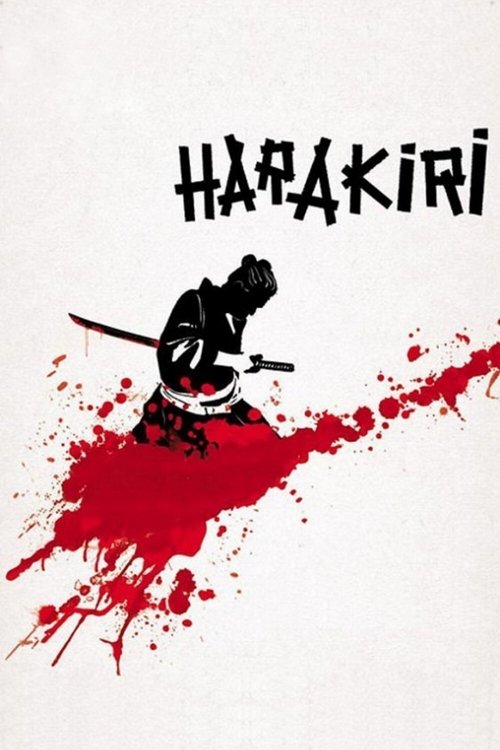
Harakiri1962
Kobayashi's masterpiece dismantles the samurai code with the same icy precision Okamoto brings to Sword of Doom, but channels its fury into one devastating, perfectly structured story of honour and betrayal.
But Slow burn with almost no swordplay until its final act — patience required if you came for action.
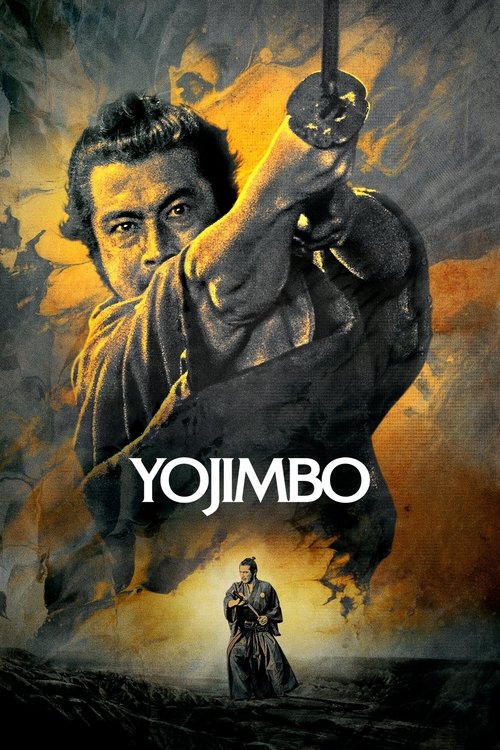
Yojimbo1961
Mifune's wandering ronin is everything Ryunosuke isn't — funny, cunning, morally engaged — proof the genre can be gleeful as easily as grim. Kurosawa's rhythm and wit make it endlessly rewatchable.
But Playful tone and comic beats may feel like tonal whiplash if you want more of Sword of Doom's dread.
Sword of the Beast1965no page yet
Gosha's lean, brutal tale of a disgraced ronin fleeing assassins shares Sword of Doom's cynicism about honour and its appetite for sudden, ugly violence — a lesser-known gem worth hunting down.
But Harder to find than the classics, and its pacing can feel choppy compared to more polished contemporaries.
The wildcard
Something you would not have found on your own.
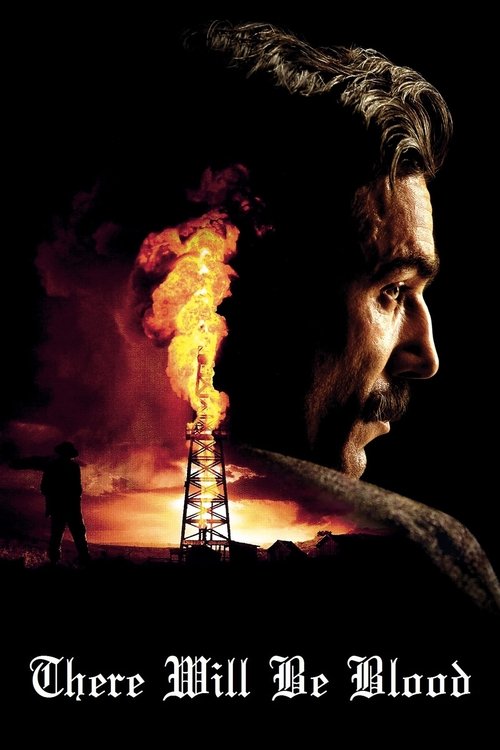
There Will Be Blood2007
Both are studies of a man whose extraordinary skill exists with no moral centre attached to it — talent as a void, not a virtue, that eventually consumes everyone nearby.
Same engine, different costume: a man of terrifying competence whose total absence of a moral centre curdles into isolation and violence. Paul Thomas Anderson's oil epic is Ryunosuke's story in denim and derricks.
But No swordplay, no feudal Japan — this is a slow American epic about capitalism, and the connection is purely thematic.
More like this (8)
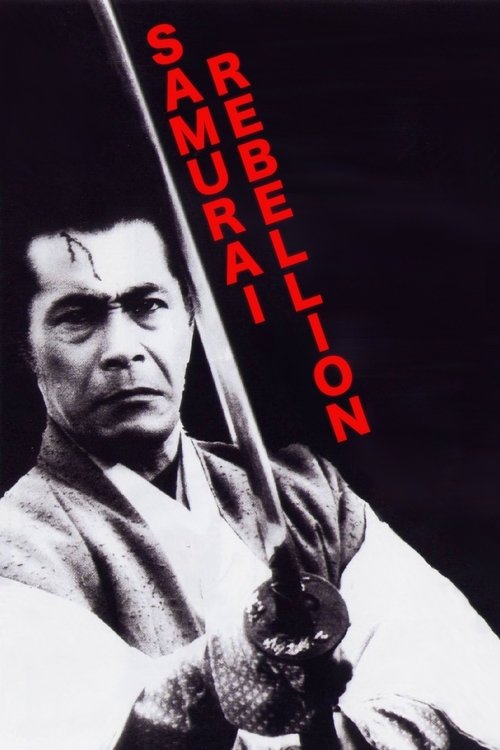
Samurai Rebellion1967
Mifune again, this time as a loyal retainer pushed into open defiance of his clan — Kobayashi's slow-building outrage pairs beautifully with the fatalism of Okamoto's film, different route, same destination.
But Deliberate pacing and courtroom-style drama dominate over swordplay; the violence, when it finally comes, is brief.
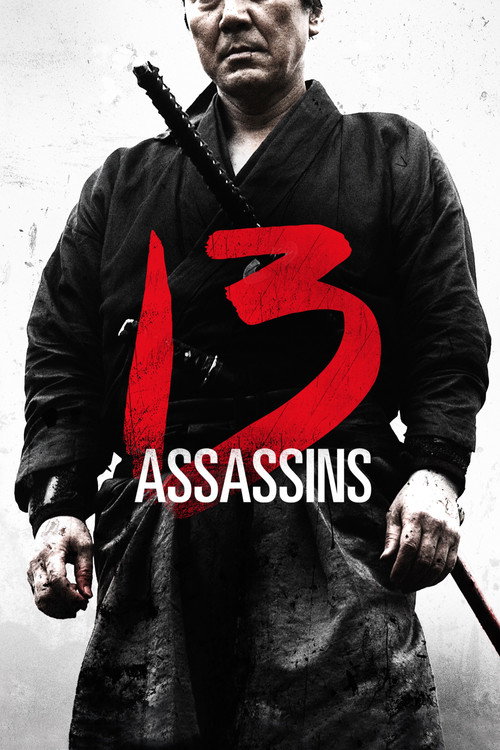
13 Assassins2010
Miike's remake turns the genre up to eleven: a small band of samurai walk into a bloodbath against an unkillable sadist. If you want the violence of Sword of Doom pushed further and louder, start here.
But Modern polish and relentless action-movie pacing trade some of the earlier films' austerity for outright spectacle.
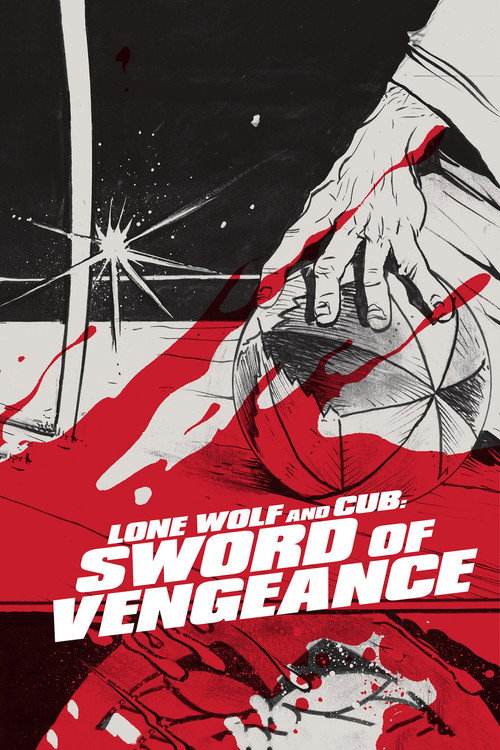
Lone Wolf and Cub: Sword of Vengeance1972
Pure pulp nihilism: a disgraced executioner wanders Edo Japan with his infant son, killing anyone in his path. Cruder and gorier than Okamoto's film but cut from the same nihilistic cloth.
But Comic-book roots show — the violence is cartoonish and the emotional depth is thinner than Sword of Doom's.
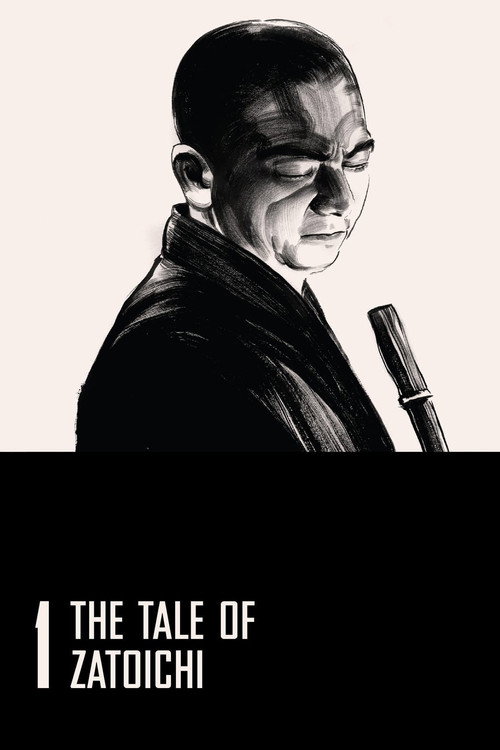
The Tale of Zatoichi1962
The long-running series starts here: a blind masseur-swordsman who's kinder than Ryunosuke but just as lethal. Great entry point into a whole other strand of samurai cinema, warmer and funnier.
But Much gentler and more sentimental in tone — don't expect the dread or moral bleakness you came for.
Goyokin1969no page yet
Gosha's widescreen epic about a samurai returning to confront a massacre he once witnessed shares the same doomy grandeur and snowbound violence — gorgeous, angry, criminally underseen.
But Less famous and harder to track down than the classics on this list — worth the effort, but you'll have to look.
The Twilight Samurai2002no page yet
The tonal opposite: a humble, humane samurai just trying to survive and raise his daughters. Watching it after Sword of Doom is like exhaling — a reminder of what Ryunosuke could never be.
But Quiet, domestic, almost no violence at all — a real gear change if you want more carnage.
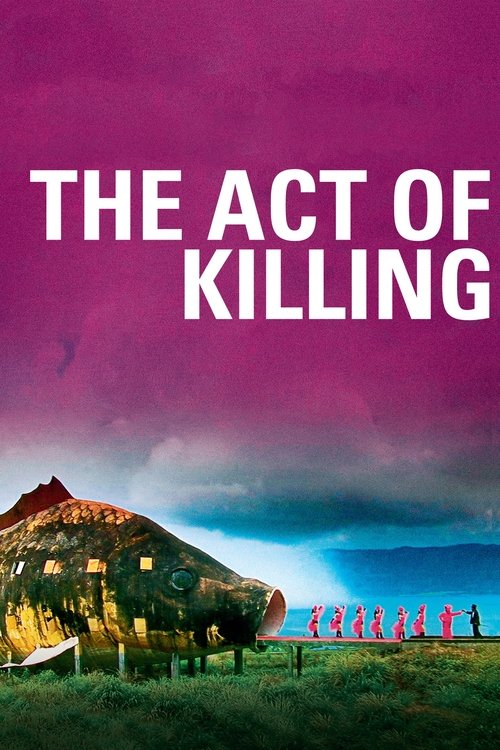
The Act of Killing2012
Both put a killer with no conscience directly in front of you and refuse to explain him away — one through fiction's control, the other by letting the real thing speak for itself.
Where Ryunosuke's remorselessness is a fictional device, this documentary hands cameras to real death-squad leaders and lets them re-enact their killings, gleefully, for the camera. It's the same abyss, but it's real.
But Genuinely disturbing in a way fiction can't match — this isn't entertainment, and it will sit with you uncomfortably.
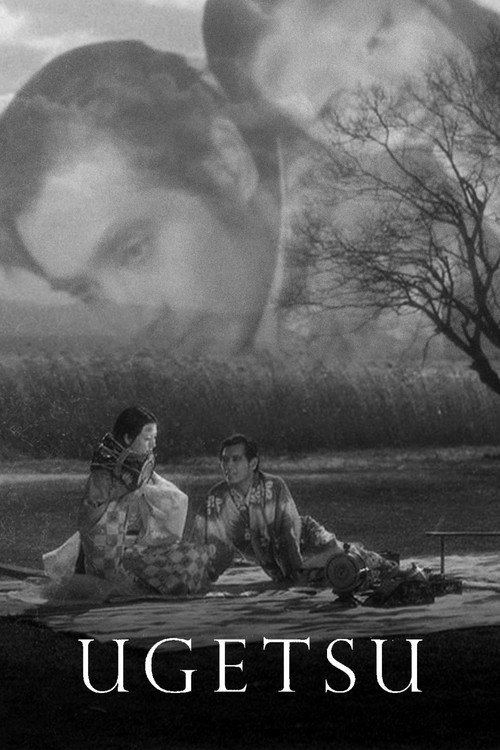
Ugetsu1953
Made a decade earlier, from the same wellspring of Japanese period storytelling, it shows the other possible response to a collapsing moral order — not nihilism, but sorrow.
Mizoguchi's ghost story unfolds in the same chaotic, war-torn Japan that produces men like Ryunosuke, but answers the moral vacuum with tenderness and grief instead of violence — a gentler ghost from the same historical wound.
But Slow, elegiac, and supernatural rather than violent — a completely different emotional register, closer to poetry than action.
People
Cast
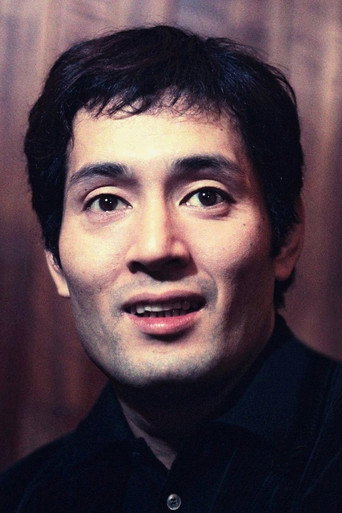 Tatsuya NakadaiRyunosuke Tsukue
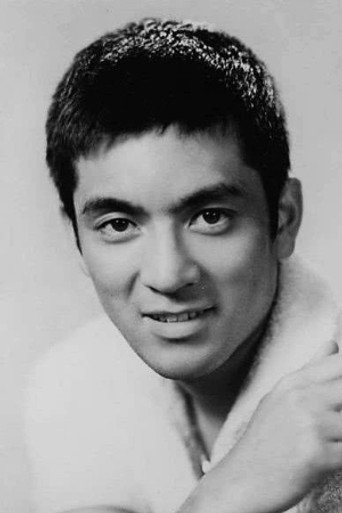 Yūzō KayamaHyoma Utsuki
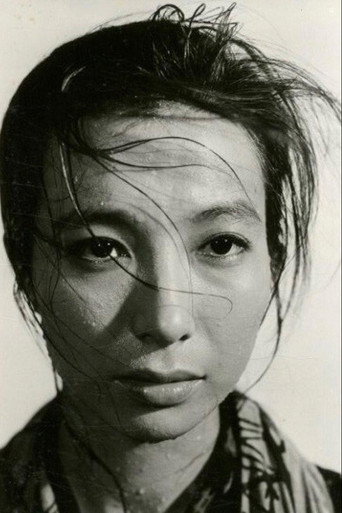 Michiyo AratamaOhama
 Yōko NaitōOmatsu
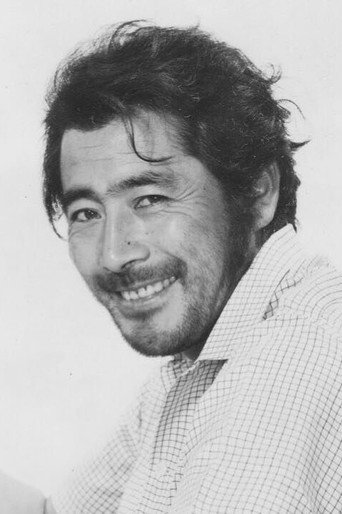 Toshirō MifuneToranosuke Shimada
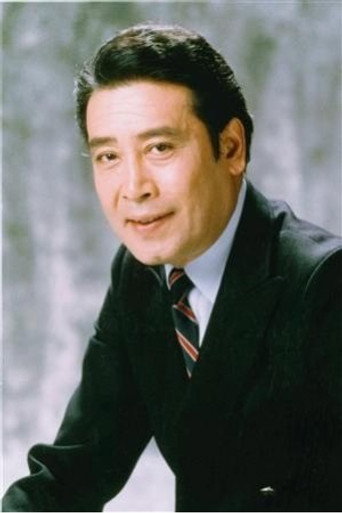 Tadao NakamaruIsamu Kondo
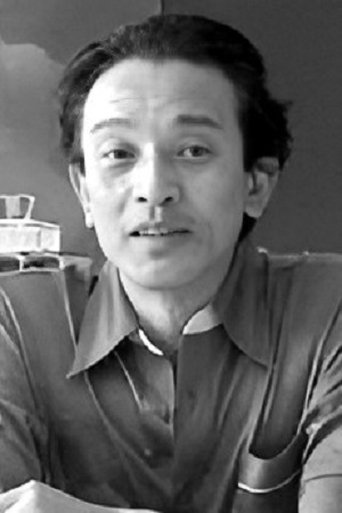 Kei SatōKamo Serizawa
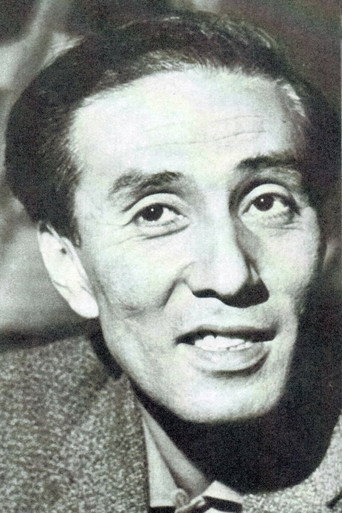 Kō NishimuraShichibei, Omatsu's 'uncle'
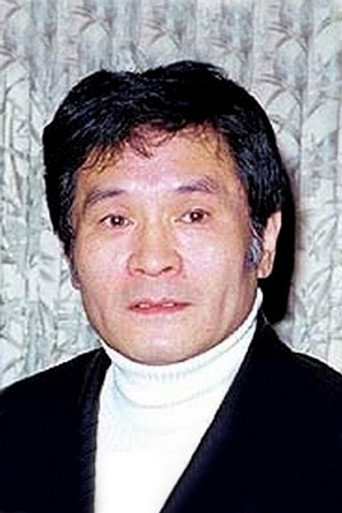 Ichirō NakataniBunnojo Utsuki
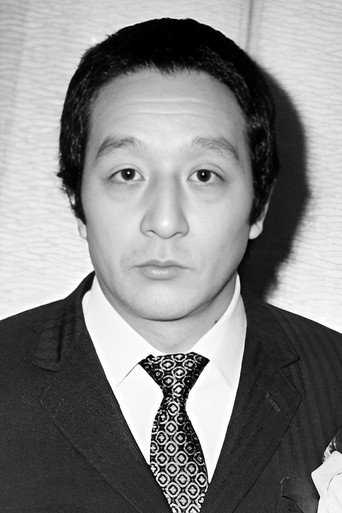 Kunie TanakaSenkichi
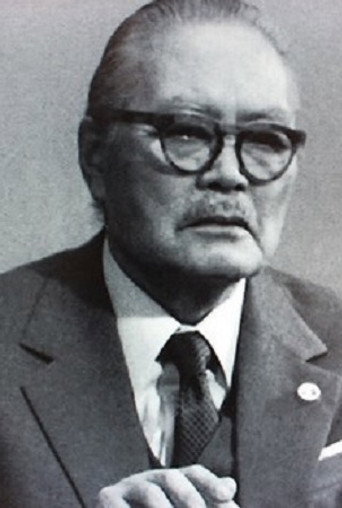 Takamaru SasakiIshinsai Nakamura
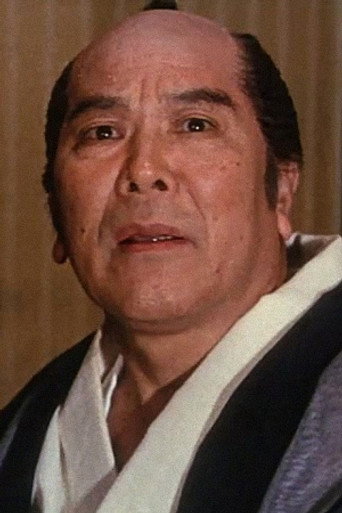 Ryōsuke KagawaDansho Tsukue
Directing
- Michio YamamotoAssistant Director
- Kihachi OkamotoDirector
Writing
- Kaizan NakazatoNovel
- Shinobu HashimotoScreenplay
Production
- Masayuki SatōProducer
- Sanezumi FujimotoProducer
- Hiroyasu TsutsumiProduction Manager
Recommended by
Lone Wolf and Cub: Sword of Vengeance, 13 Assassins, Sword of the Stranger, Harakiri, The Tale of Zatoichi, Samurai Rebellion