
Film
Goyokin
- Period drama
- Very dark
A samurai consumed by guilt over a terrible massacre plots to stop history repeating itself. Goyokin is a tense, visually striking revenge drama that trades spectacle for moral weight—a film about complicity, regret, and the cost of inaction. It's for anyone who loved the moral clarity of samurai cinema but craves something darker and more psychologically complex.
If you liked this
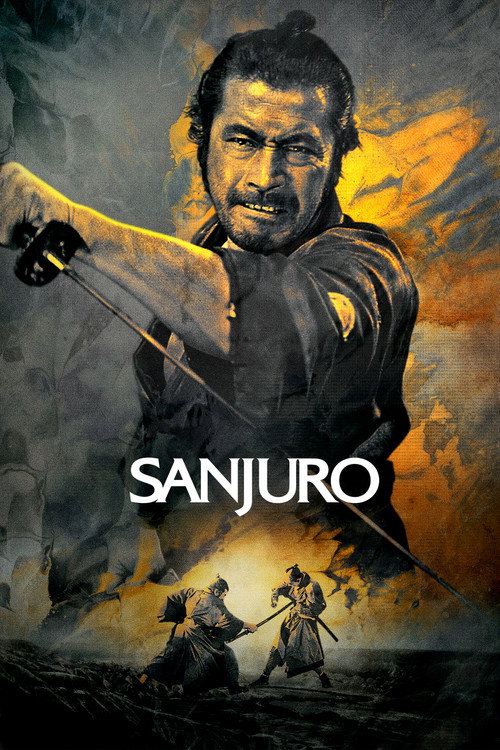
Sanjuro1962
Kurosawa's violent, operatic samurai saga about betrayal and honor. If you love the scale and emotional intensity of classic samurai drama, this is essential—and it shares Goyokin's fascination with guilt and the corrupt machinery of feudal power.
But The pacing is stately, sometimes glacial. It demands patience with long stretches of dialogue and political intrigue between action sequences.
Harakiri1962
A masterpiece about the devastating human cost of samurai honor. Like Goyokin, it's a slow-burn tragedy that uses the samurai genre to interrogate codes of honor and institutional cruelty. Mesmerizing and deeply sad.
But It's bleak and meditative rather than thrilling. The suicide depicted is explicit and unflinching—not a film designed to entertain, but to disturb you into thought.

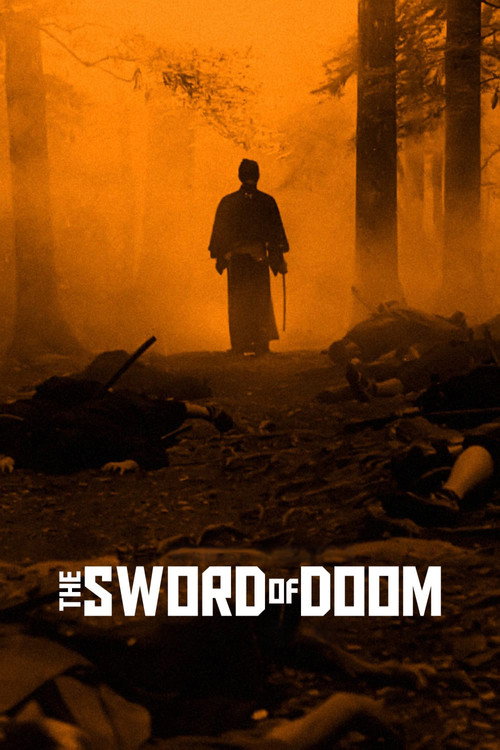
The Sword of Doom1966
Tatsuya Nakadai (Goyokin's lead) is a charismatic sociopath in this psychological samurai noir. It has the same fascination with morally fractured warriors and the same cold visual style. A film that treats violence as consequence rather than spectacle.
But It's genuinely nihilistic—there's no redemption in sight. The protagonist is unredeemable, and the film offers no comforting resolution.
Not sure tonight? Get a pick in a minute, starting from Goyokin
The wildcard
Something you would not have found on your own.
The Bad Sleep Well1960
Both are about men using infiltration and deception to expose institutional crimes they're implicated in; both interrogate the cost of complicity and the burden of knowledge.
Kurosawa's only modern-dress film is a corporate corruption thriller where a man infiltrates a company to expose a cover-up. It has Goyokin's fascination with complicity and guilt, but transposed into 1960s Tokyo boardrooms instead of samurai courts. Same moral engine, utterly different surface.
But It's a noir mystery, not a samurai film. If you came for swords and ceremony, this will feel like a left turn into a genre completely removed from what you expected.

More like this (6)
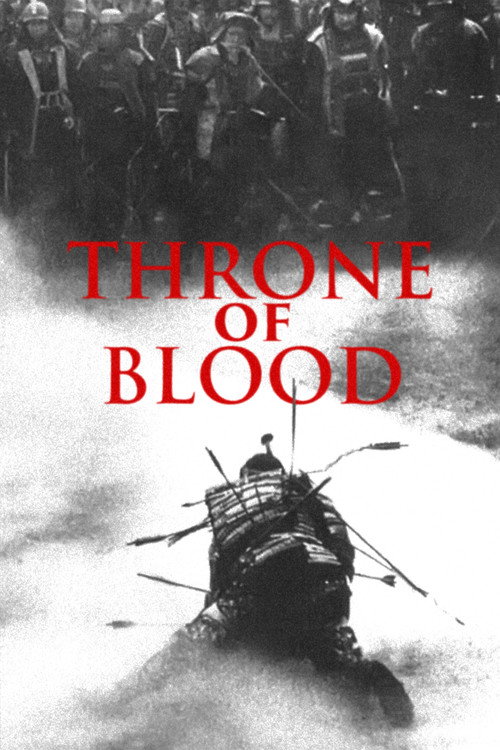
Throne of Blood1957
Kurosawa's Macbeth restaging is a masterclass in visual storytelling and psychological horror. The ambition and darkness here—a samurai undone by his own certainties—shares Goyokin's fascination with men trapped by their own nature.
But It's Shakespeare adapted, not pure samurai cinema. The genre expectations are deliberately subverted, which will either exhilarate or frustrate you.
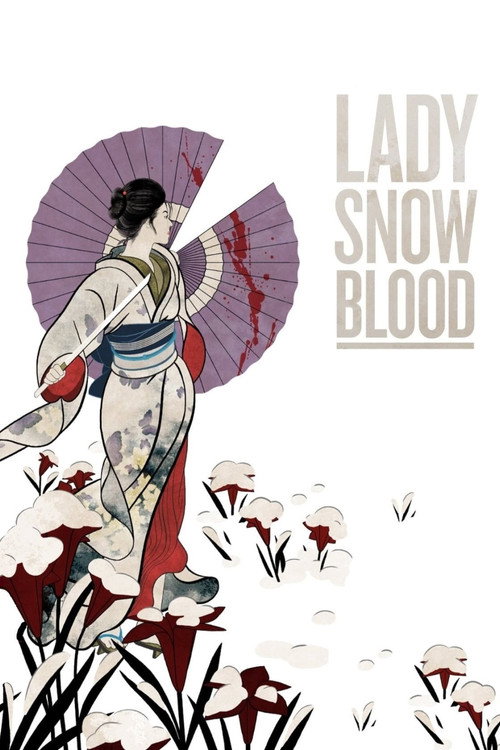
Lady Snowblood1973
A stunning revenge odyssey with the visual sophistication of Goyokin but a slightly more accessible narrative. Gorgeous compositions and a protagonist driven by the same kind of consuming trauma. Pure genre cinema treated as high art.
But It indulges stylization in a way Goyokin doesn't. If you want naturalism over beauty, this will feel too mannered and artificial.
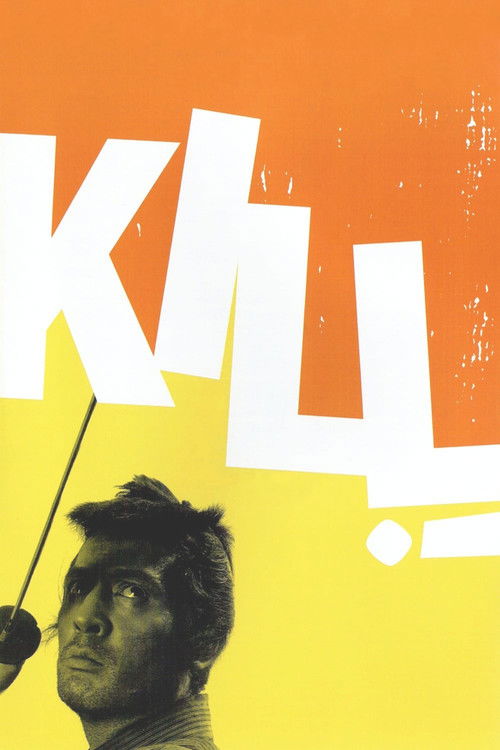
Kill!1968
Kihachi Okamoto's brutal samurai western is a direct contemporary of Goyokin—made the year before. It shares the same bleak worldview and the same refusal to romanticize samurai violence or honor. Lean, vicious, brilliantly composed.
But The plot is thin and the characters are archetypes. It's atmosphere and style carrying everything; if you need character development, this will feel hollow.
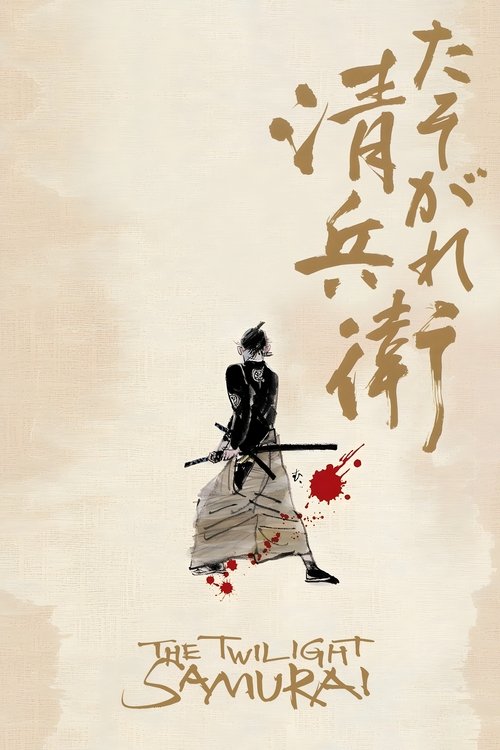
The Twilight Samurai2002
A later meditation on samurai codes in decline, centering an aging warrior trying to do right in a system designed to punish virtue. More intimate than Goyokin but animated by the same compassion for the caught and compromised.
But It's a quieter, smaller film than Goyokin—less visually urgent. The pacing is contemplative to the point of melancholy, and some will find it passive.
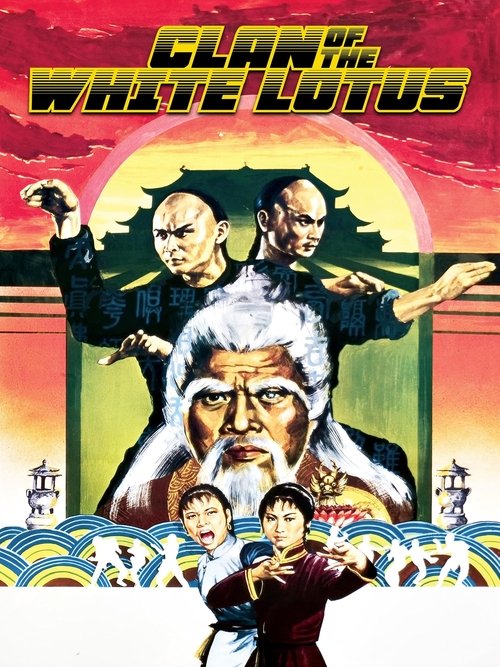
Clan of the White Lotus1980
A kung-fu epic that shares Goyokin's interest in aging warriors, moral compromise, and the violence that follows betrayal. Jackie Chan plays against type as a villain. A different national cinema, same thematic interests.
But It's a Hong Kong action film, not Japanese art cinema—the tone is uneven and the story is sometimes incoherent. You're committing to genre pleasures over elegance.
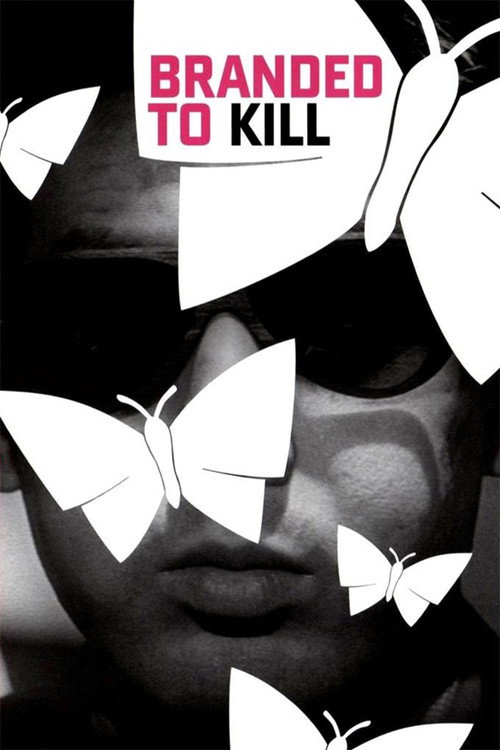
Branded to Kill1967
Both examine the psychology of men trained to kill who find themselves unable to kill; both treat violence as a perversely intimate act that binds people together rather than separating them.
Seijun Suzuki's surrealist yakuza film about a hitman undone by love and chance. It shares Goyokin's interest in violence, guilt, and men whose professions have hollowed them out—but Suzuki approaches it as fever-dream poetry rather than austere drama. Visually daring in completely unexpected ways.
But It's deliberately incoherent and dreamlike. The plot doesn't track logically; if you need narrative clarity, this will feel like pretentious nonsense masquerading as art.
People
Cast
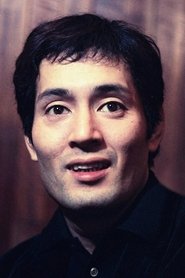 Tatsuya NakadaiMagobei Wakizaka
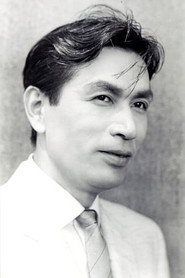 Tetsuro TambaRokugo Tatewaki
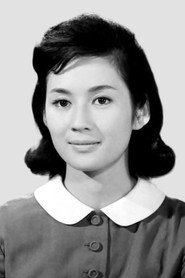 Yōko TsukasaShino
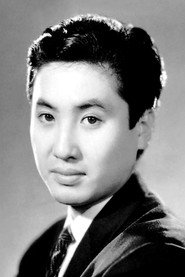 Kinnosuke NakamuraSamon Fujimaki
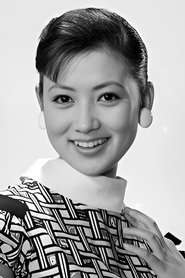 Ruriko AsaokaOriha
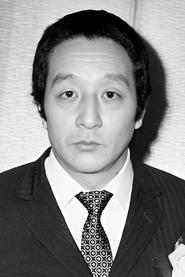 Kunie TanakaHirosuke
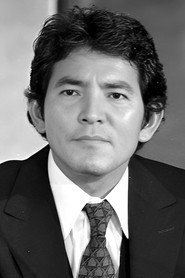 Isao NatsuyagiKunai
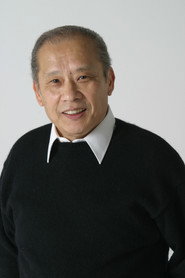 Ben HiuraRokuzo
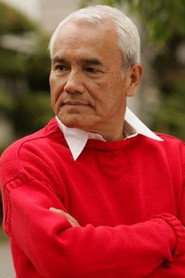 Susumu KurobeOmura Sobee
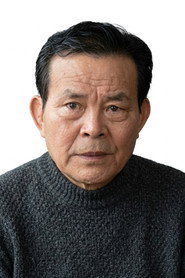 Hisashi IgawaTakeuchi Shinjiro
- Shinnosuke OgataMiyauchi Hanzo
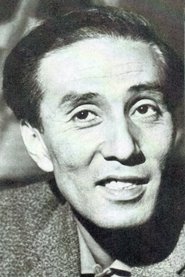
Directing
- Kazuaki AtsumiAssistant Director
- Hideo GoshaDirector
Writing
- Hideo GoshaWriter
- Kei TasakaWriter
Production
- Kinshirô ÔkuboExecutive In Charge Of Production
- Hideo FukudaProducer
- Hideyuki ShiinoProducer
- Masayuki SatōProducer
- Sanezumi FujimotoProducer