
Film
Sanjuro
Kurosawa's breezy, brilliant sequel to Yojimbo drops Toshiro Mifune's scruffy, unkempt ronin among nine idealistic young samurai who mistake rigid principle for wisdom. It's faster and funnier than its predecessor, sending up samurai romanticism even as it delivers one of cinema's most startling, abrupt sword fights. A great entry point if you want Kurosawa with more wit than weight.
If you liked this
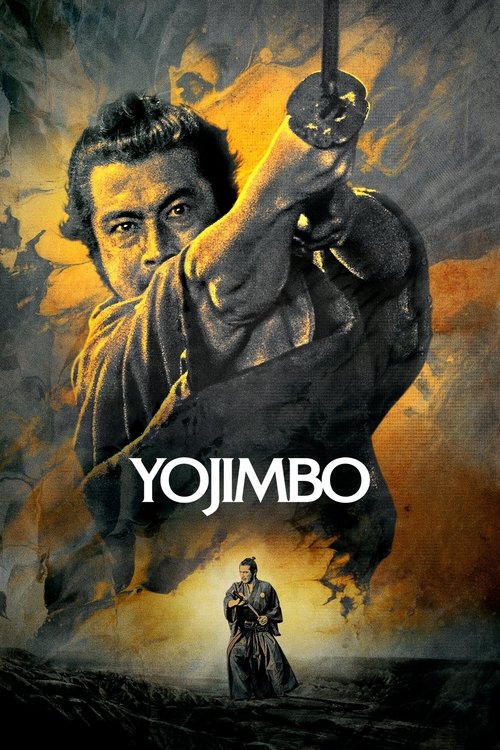
Yojimbo1961
The film Sanjuro grew out of. Watch it first to see how thoroughly the sequel deepens the joke, dropping the same wandering ronin into a rival clan feud with sharper stakes.
But If you've already seen Yojimbo, this recommendation is officially useless to you.
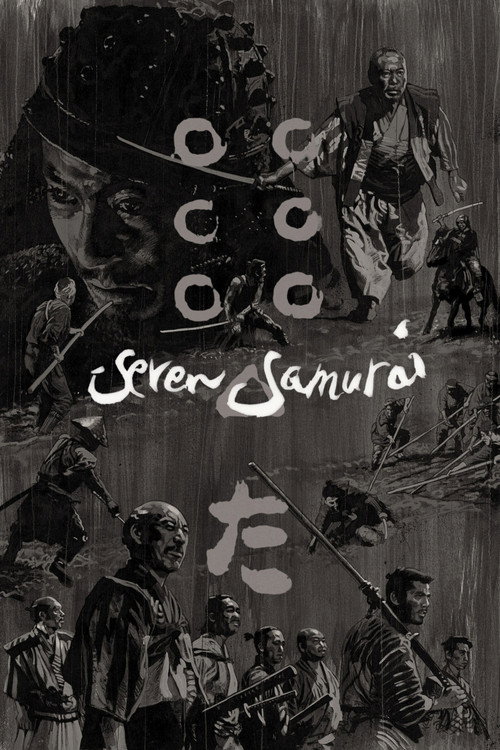
Seven Samurai1954
Kurosawa and Mifune's earlier, grander samurai epic, obsessed with the same question Sanjuro answers more cynically: what actually makes someone worth following into danger.
But Three and a half hours, slower and more elegiac, with far less comedy than Sanjuro.
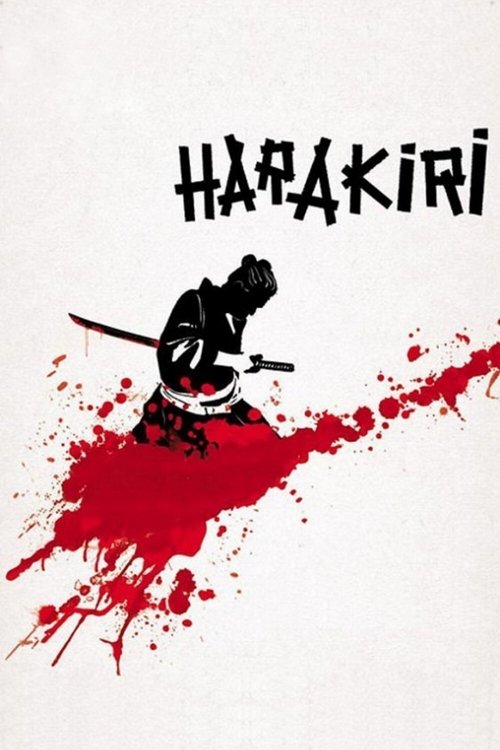
Harakiri1962
Released the same year as Sanjuro, Kobayashi's masterpiece takes a scalpel to the myth of samurai honour with a formal rigor that makes Kurosawa's satire look almost gentle.
But Devastating rather than fun. A slow-burning tragedy with no comic relief whatsoever.
The wildcard
Something you would not have found on your own.
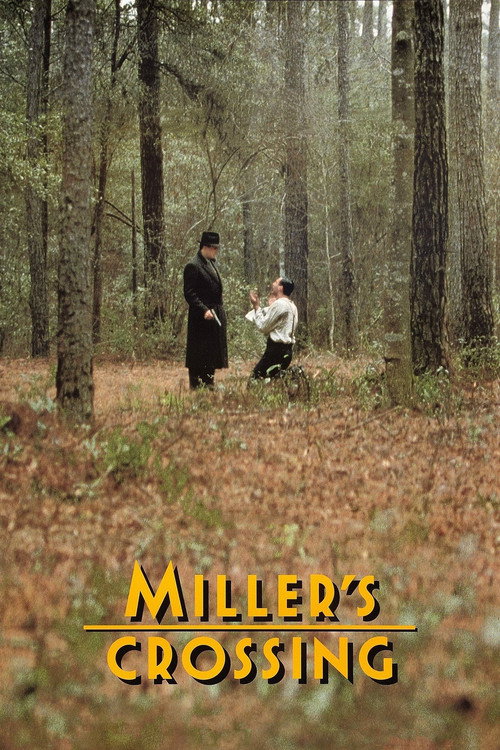
Miller's Crossing1990
Same structural DNA as Sanjuro: a cynical operator guiding overconfident amateurs through a turf war, outlasting men who mistake honour for strategy using brains instead of muscle.
The Coens' Prohibition-era gangster noir runs on the identical engine - a weary, morally slippery fixer navigating warring factions with deadpan wit, sudden violence and unexpected tenderness.
But No samurai, no Japan, and a plot so labyrinthine it demands your full attention.
More like this (8)
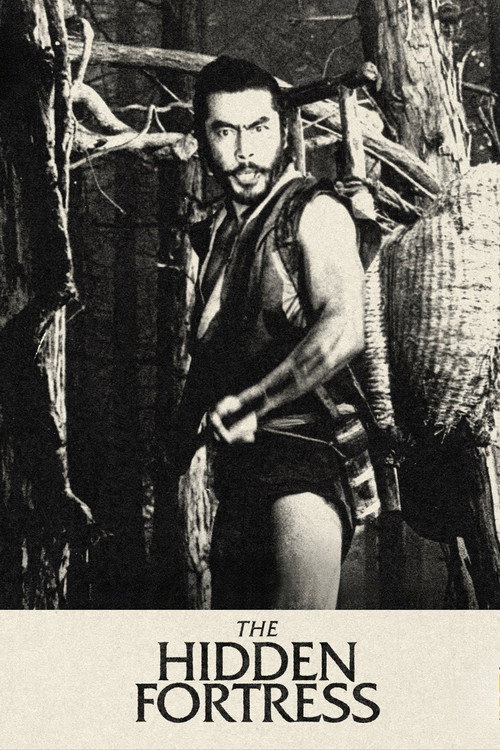
The Hidden Fortress1958
Another Kurosawa-Mifune team-up mixing swordplay, disguise and comedy, with a gruff warrior shepherding naive companions through danger - the blueprint Star Wars later lifted wholesale.
But Lighter and more purely adventurous than Sanjuro, with less bite in its social commentary.
Sword of the Beast1965no page yet
Hideo Gosha's disgraced, wandering samurai has the same weary moral clarity and sudden violent grace as Mifune here, moving through a world just as corrupt.
But Bleaker outlook, rougher swordplay, and considerably less humour than Sanjuro offers.
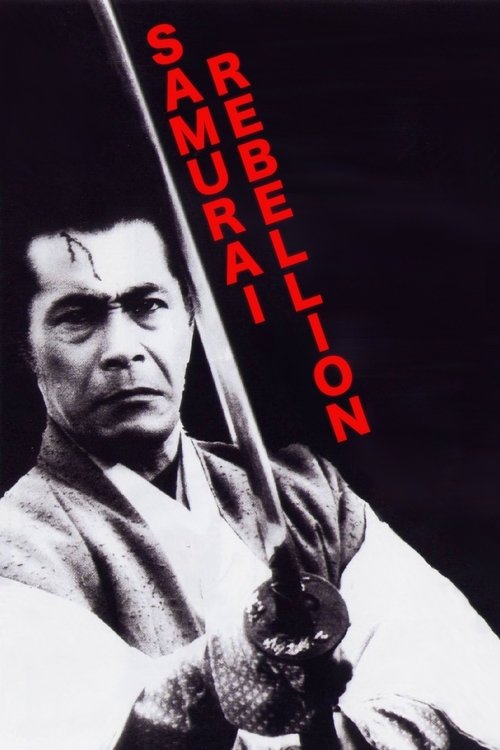
Samurai Rebellion1967
Mifune again, older and more restrained, forced to choose between loyalty and conscience - proof he could carry quiet tragedy as easily as he carried swagger.
But Far more melancholic and domestic in scale, with almost no action until the final act.
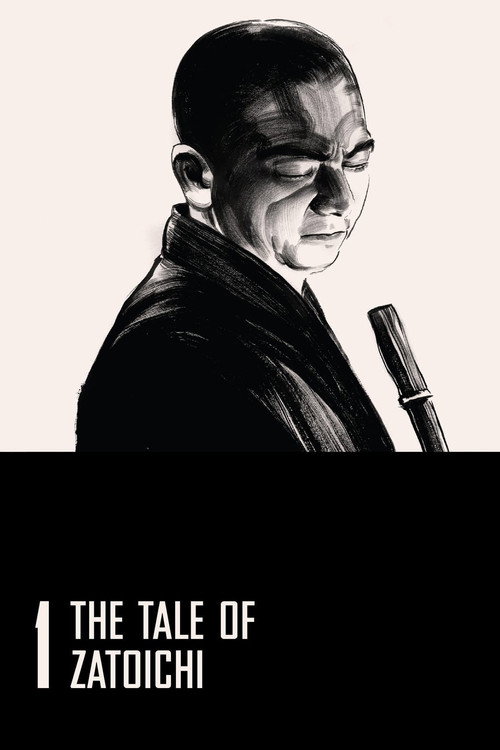
The Tale of Zatoichi1962
Same year, opposite temperament - a blind swordsman wanders feudal Japan doing quiet good, kicking off one of the country's most beloved, purely entertaining franchises.
But Simpler morally and dramatically. More genre comfort food than pointed social critique.
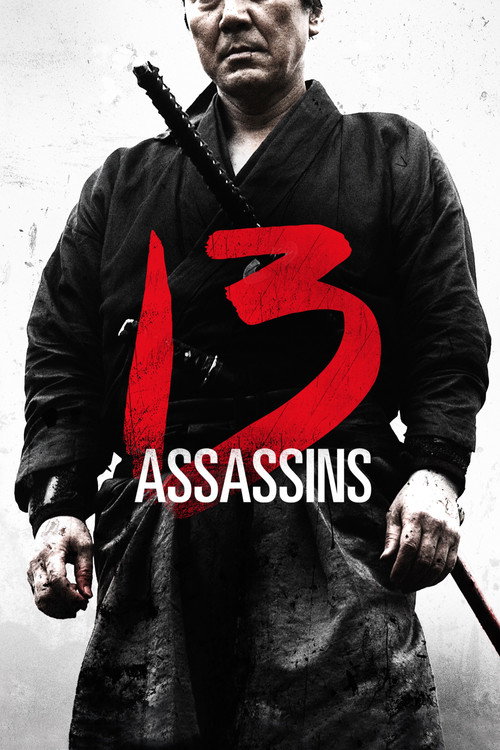
13 Assassins2010
Takashi Miike's brutal, modern reimagining of the ensemble samurai mission film proves the genre's appetite for moral rot and spectacular violence never went away.
But Far more graphic and punishing than anything Kurosawa put onscreen. Not for the squeamish.
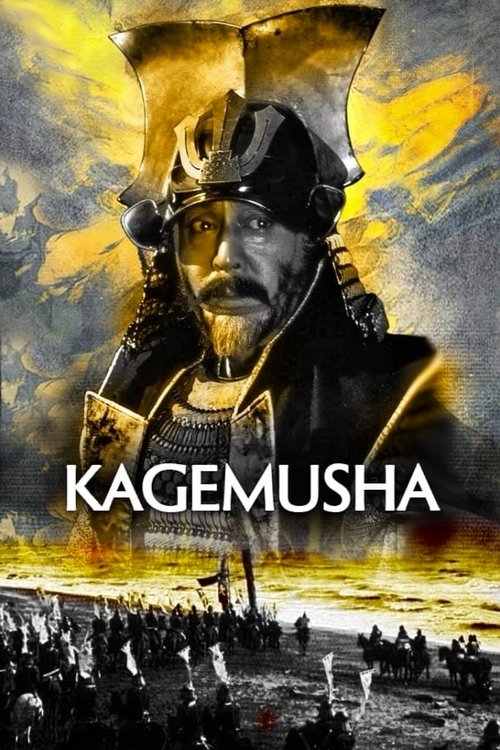
Kagemusha1980
Kurosawa's later, painterly meditation on identity, following a nobody forced to impersonate a warlord - an eerie mirror of Sanjuro's own outsider posing as a leader.
But Stately, deliberate pacing and a far more serious, operatic register throughout.
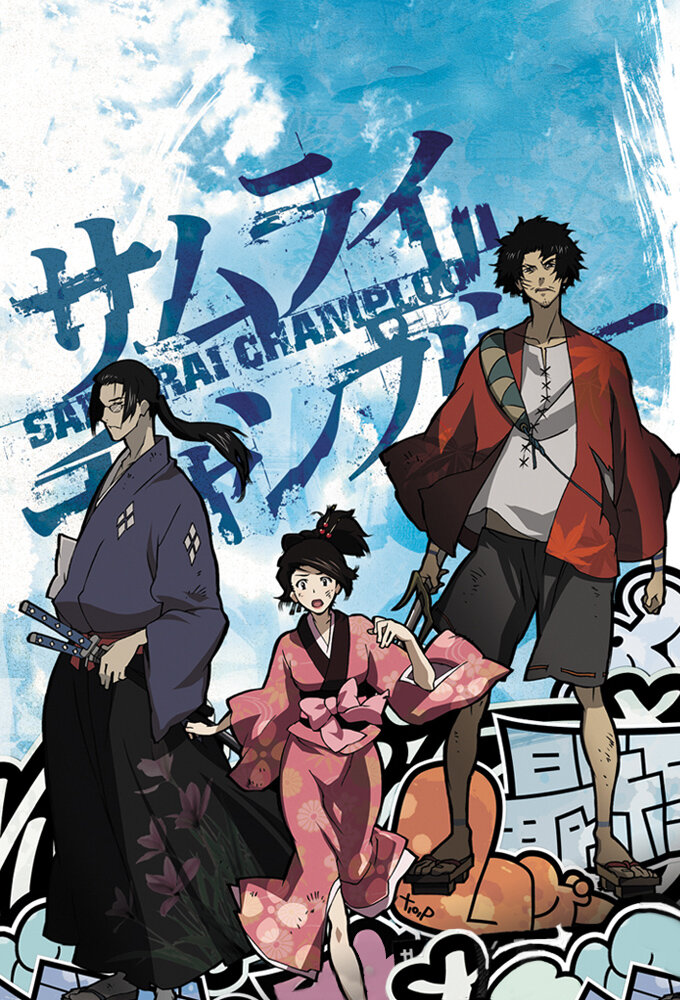
Samurai Champloo2004
It explicitly inherits Kurosawa's trick of puncturing samurai pretension with humour and swagger, just filtered through anime and hip-hop instead of 35mm and silence.
This anime series channels the same irreverent energy - a wandering swordsman, a fraudulent samurai, hip-hop needle drops - doing to Edo-period myth what Kurosawa did decades earlier.
But The anachronistic soundtrack and episodic structure are a jolt if you want something grounded and traditional.
Humanity and Paper Balloons1937no page yet
This is the film Kurosawa's generation grew up on - it got there first, stripping away samurai romance to expose the code as a trap, the same target Sanjuro hits with a grin instead of a sigh.
A quietly devastating jidaigeki made decades before Kurosawa, following a disgraced ronin and a poor barber trapped by a code that offers them nothing but ruin.
But Slow, unglamorous, and mournful where Sanjuro is playful. There's no swordfight to release the tension.
People
Cast
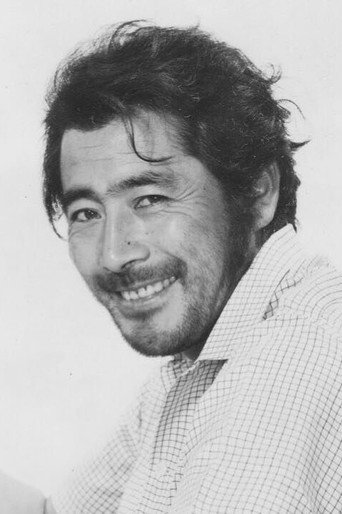 Toshirō MifuneSanjûrô Tsubaki / The ronin
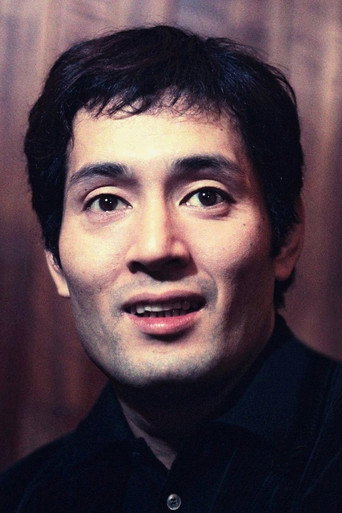 Tatsuya NakadaiHanbei Muroto
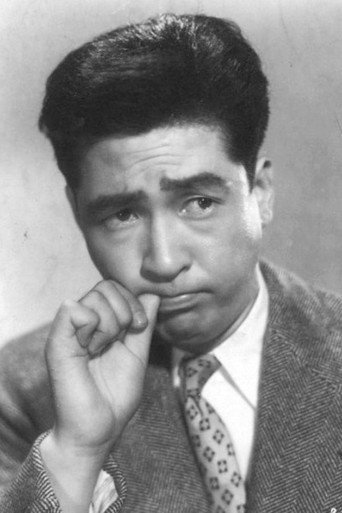 Keiju KobayashiThe Spy
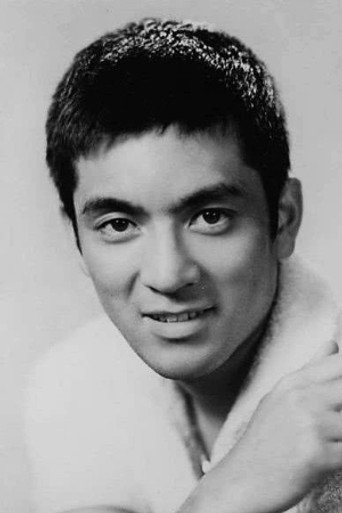 Yūzō KayamaIori Izaka
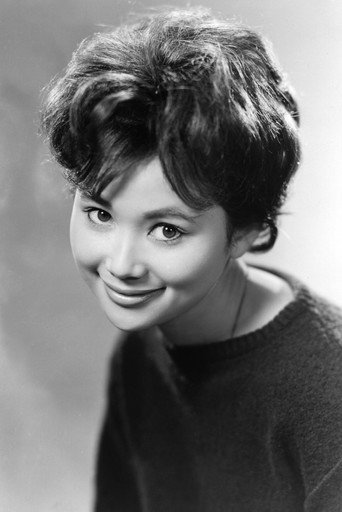 Reiko DanChidori, Mutsuta's daughter
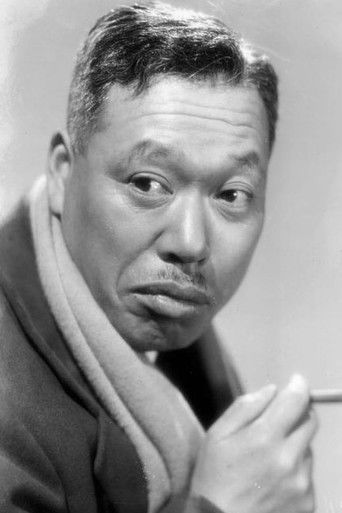 Takashi ShimuraKurofuji
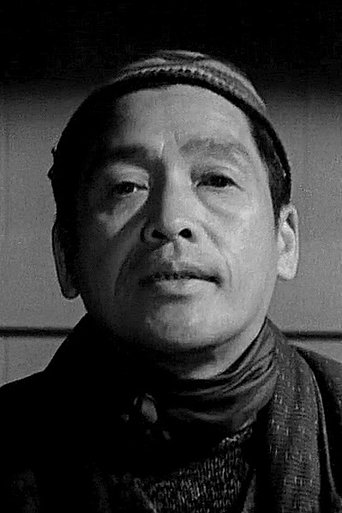 Kamatari FujiwaraTakebayashi
 Takako IrieMutsuta's wife
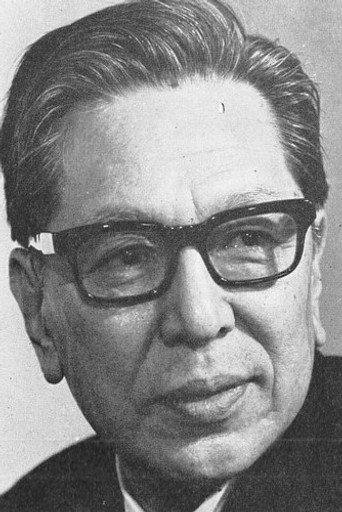 Masao ShimizuKikui
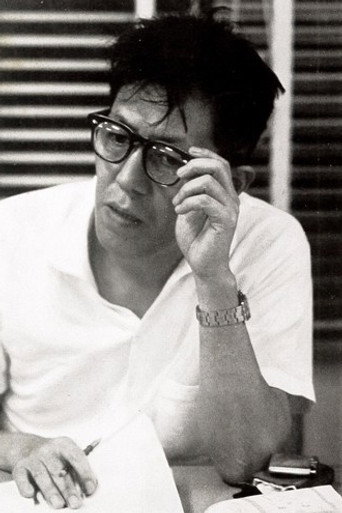 Yūnosuke ItōMutsuta, the Chamberlain
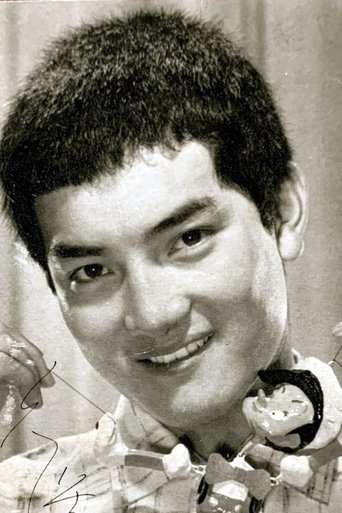 Akira KuboSamurai
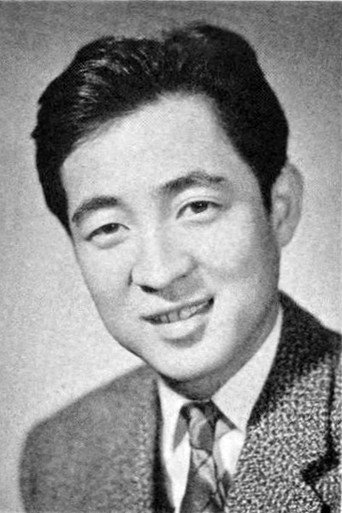 Hiroshi TachikawaSamurai
Directing
- Masanobu DemeAssistant Director
- Akira KurosawaDirector
- Teruyo NogamiScript Supervisor
Writing
- Shūgorō YamamotoNovel
- Akira KurosawaScreenplay
- Hideo OguniScreenplay
- Ryuzo KikushimaScreenplay
Production
- Ryuzo KikushimaProducer
- Tomoyuki TanakaProducer
Recommended by
The Hidden Fortress, Yojimbo, Unforgiven, Harakiri, The Tale of Zatoichi, Samurai Rebellion