
Film
Lone Wolf and Cub: Baby Cart at the River Styx
The second chapter in the Lone Wolf and Cub saga. A masterless samurai with his toddler son navigate a gauntlet of assassins, betrayal, and the Yagyu clan's vengeance. It's chamber-opera violence: operatic in scope, chamber-quiet in intimacy. For anyone who wants swordplay with soul.
If you liked this
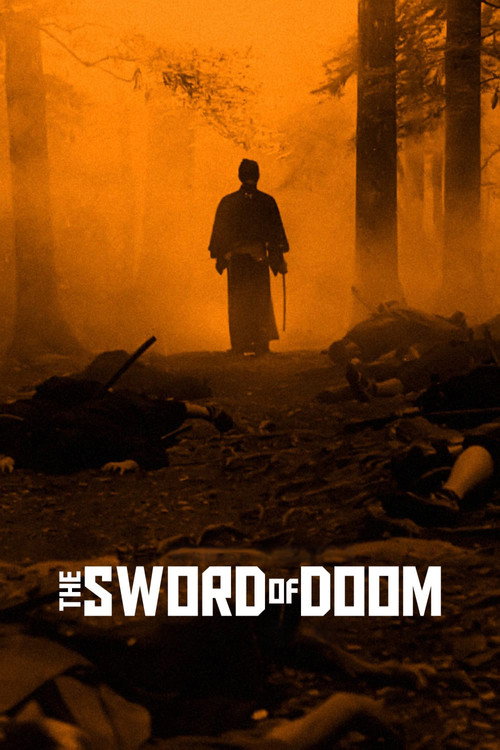
The Sword of Doom1966
Tatsuya Nakadai's anti-hero samurai navigates moral collapse and professional isolation in pre-modern Japan. Bleaker and more introspective than Lone Wolf, but the same commitment to character over spectacle.
But Slower and far more meditative. If you want action, this film asks you to sit with dread instead.
Harakiri1962
Masaki Kobayashi's masterpiece about ritual suicide, honor, and the Shogunate's brutal hypocrisy. The emotional devastation hits harder than any action sequence, and the cinematography is breathtaking.
But Genuinely tragic and relentless. It doesn't offer catharsis, only truth. A film that stays with you in ways that hurt.

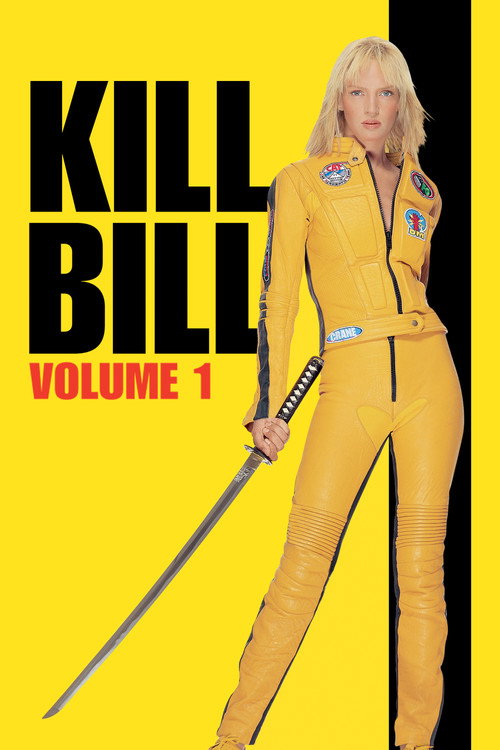
Kill Bill: Vol. 12003
Tarantino's love letter to samurai cinema, including this exact film. If you felt the power of Lone Wolf, this shows you how deeply it influenced filmmaking. Stylish and vicious.
But Postmodern and glossy where Lone Wolf is primal. It knows it's cool, which Lone Wolf never bothers to consider.
Not sure tonight? Get a pick in a minute, starting from Lone Wolf and Cub: Baby Cart at the River Styx
The wildcard
Something you would not have found on your own.
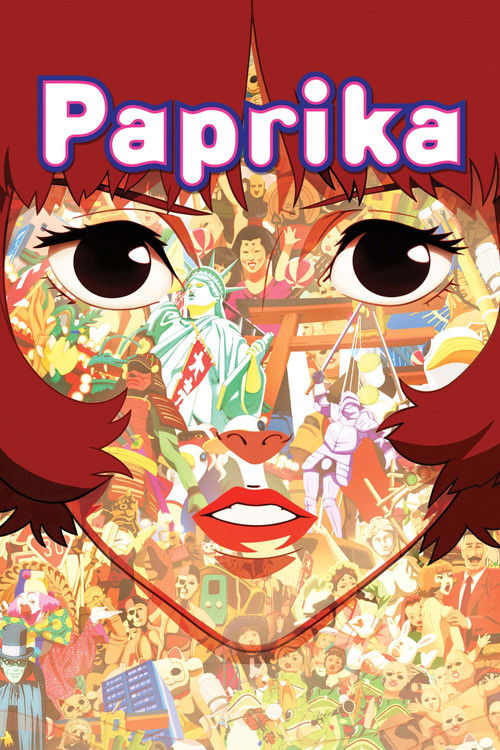
Paprika2006
Both films trust the audience's eyes more than their ears, building meaning through montage, composition, and visual metaphor rather than exposition.
Satoshi Kon's psychedelic fever dream about dreams invading reality. The reason: it has Lone Wolf's commitment to visual storytelling over dialogue, its fluidity between states, its refusal to look away from chaos. Animation doesn't diminish it—it deepens it.
But Surreal and dizzying. If you need plot clarity and stable geography, this will frustrate you. It's a film that asks you to *feel* rather than *follow*.
More like this (7)
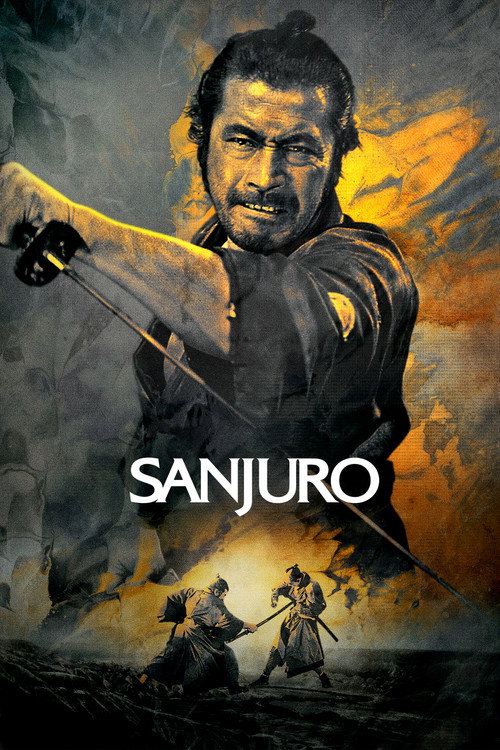
Sanjuro1962
Akira Kurosawa's samurai actioner, leaner and more visceral than his more famous work. The final sequence alone justifies the watch—color used in ways that shouldn't work but do.
But Compressed and sometimes choppy. It feels like Kurosawa making a genre film rather than a masterpiece, and that shows.
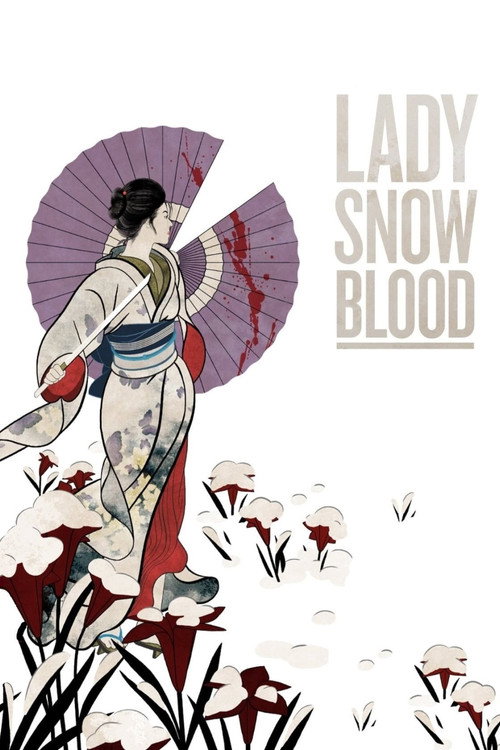
Lady Snowblood1973
Another 70s masterpiece about vengeance and blood. Meiko Kaji's assassin is poetry in motion, and the film's color palette is hypnotic. Made around the same time as Lone Wolf but takes a completely different angle.
But More style-driven and less grounded. Some prefer their violence earned rather than aestheticized.
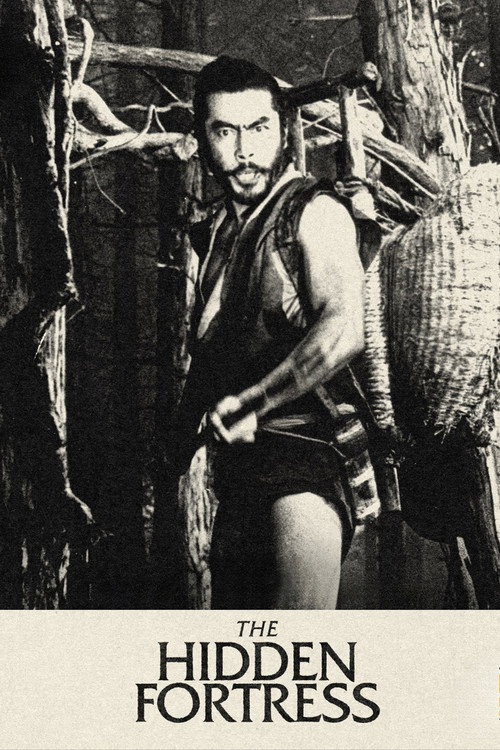
The Hidden Fortress1958
Kurosawa's grand adventure with samurai, intrigue, and the visual language that influenced Star Wars. If you're curious how samurai cinema became an international language, start here.
But It's a different beast: bigger, more comedic, less intimate. The tone sits far from Lone Wolf's gravity.
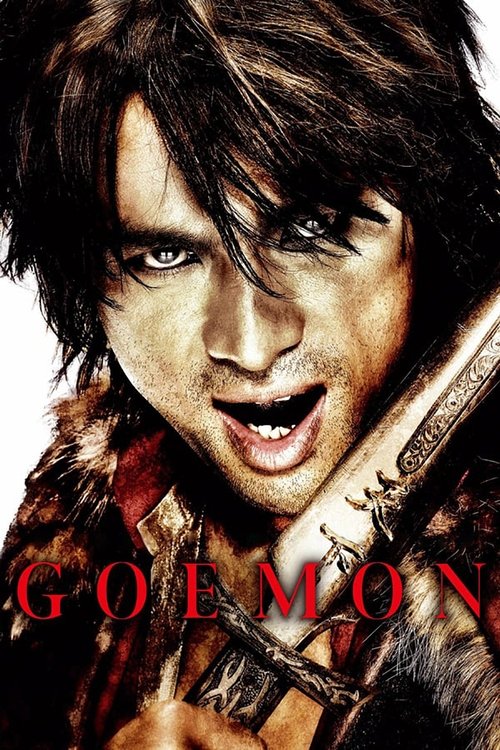
Goemon2009
Sogo Ishii's baroque reimagining of the legendary thief-samurai. Visually audacious, packed with invention, and unapologetically weird. A reminder that samurai films can bend and still sing.
But The stylization borders on chaos. If you want clarity and restraint, this will exhaust you.
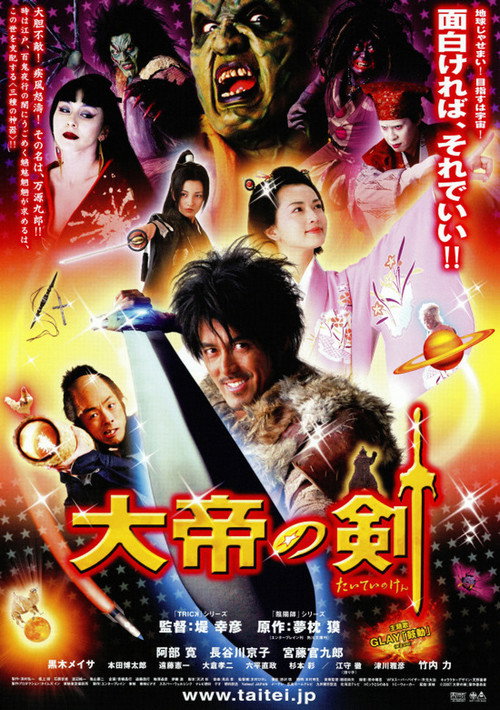
The Sword of Alexander2007
A lesser-known gem about mercenary samurai caught between clans. Atmospheric and morally complicated in ways that reward attention. A deep cut that deserves recognition.
But Obscure for reasons: the pacing is uneven and the narrative can feel scattered. You'll have to meet it halfway.
The Ballad of Little Jo1993
Both are about the price of independence: a parent and child on the run, a woman pretending to be a man. Both make survival look like poetry rather than melodrama.
Maggie Greenwald's outsider saga about a woman surviving on the frontier by passing as a man. It has Lone Wolf's moral clarity about survival outside society and the same spare visual language—every shot is purposeful, nothing wasted.
But It's a Western, not samurai action. Slower and quieter. The stakes are personal rather than epic, and some will find that diminishing.

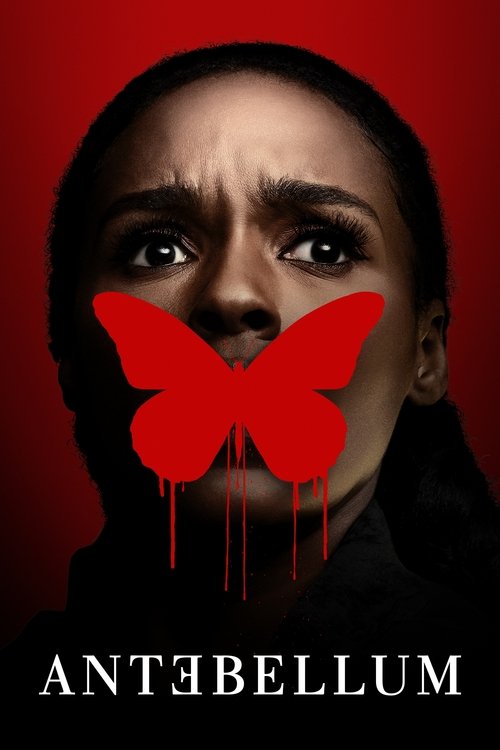
Antebellum2020
Both films use genre as vehicle for moral argument. They don't escape violence—they lean into it, making the formal language of cinema do the moral work that dialogue could only weaken.
Gerard Bush and Christopher Renz's visceral horror-thriller that weaponizes genre against violence and racism. Like Lone Wolf, it uses physical trauma as truth-telling, refuses to soften its subject, and finds beauty in formal composition rather than sentiment.
But It's a contemporary horror film about racial terror, not historical samurai action. The stylization will read as exploitative to some; the violence is meant to wound, not entertain.
People
Cast
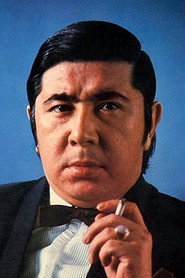 Tomisaburō WakayamaOgami Itto
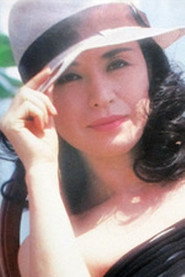 Kayo MatsuoYagyu Sayaka
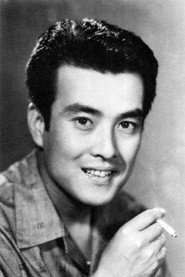 Minoru ŌkiBenma Hidari
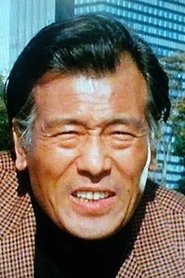 Akiji KobayashiOzunu Kurokuwa
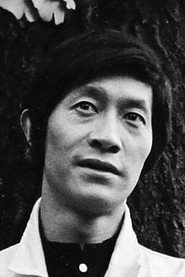 Shin KishidaKuruma Hidari
- Shogen NittaTenma Hidari
- Kappei MatsumotoIchirobei Hirano
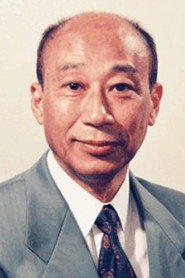 Takashi EbataSanji
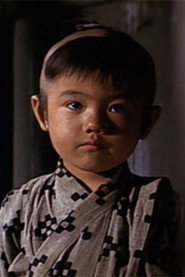 Akihiro TomikawaOgami Daigoro
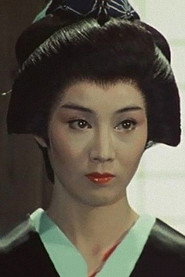 Izumi AyukawaOtoki
 Reiko KasaharaOchika
- Yukiji IkedaOren
Directing
- Senro KobayashiAssistant Director
- Toshihiro InagakiAssistant Director
- Kenji MisumiDirector
- Mitsuko MatsudaScript Supervisor
Writing
- Goseki KojimaOriginal Story
- Kazuo KoikeOriginal Story
- Kazuo KoikeScreenplay
Production
- Hisaharu MatsubaraProducer
- Shintarō KatsuProducer
- Kaishu NagaokaProduction Manager