
Film
Paprika
Satoshi Kon's phantasmagoric anime turns therapy into a heist movie, sliding between dream and waking life until the seams vanish. Dizzying, playful, and unapologetically strange, it treats subconscious imagery as a live wire wired straight into the plot rather than dressed up as metaphor. For anyone who wants science fiction that feels like a fever dream with genuine stakes attached.
If you liked this
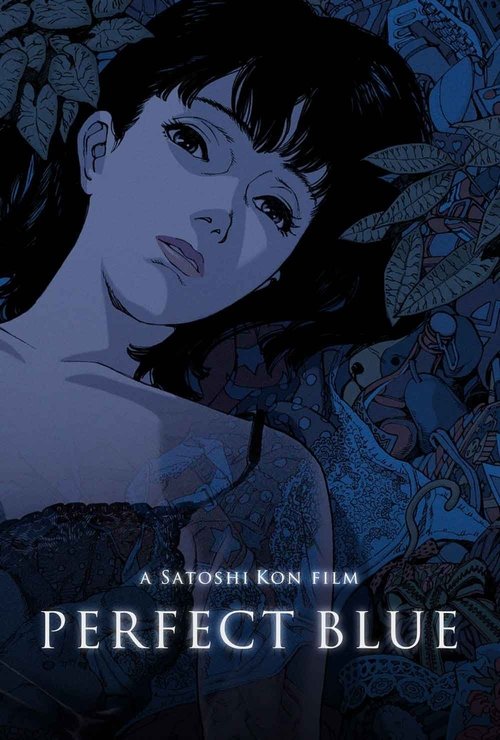
Perfect Blue1998
Satoshi Kon's earlier psychological thriller shares the same fascination with identity collapse and not knowing which self is real, minus the whimsy - Paprika's darker, more claustrophobic cousin.
But It's grim and unrelenting, working through nausea as much as suspense, with no comic relief from its dread.
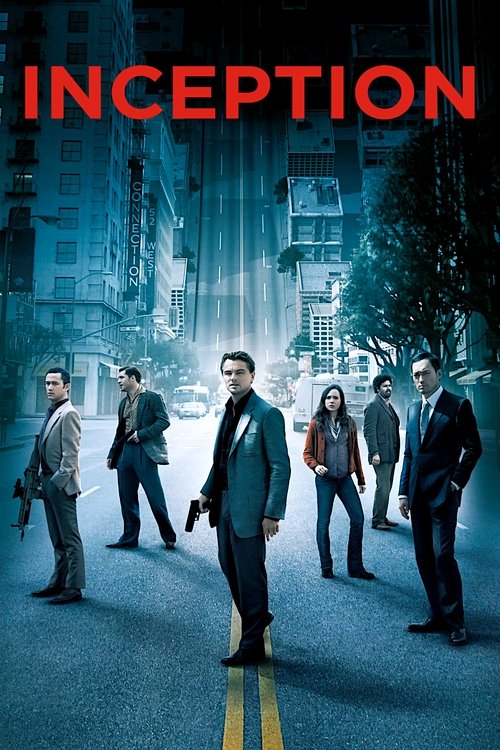
Inception2010
The blockbuster take on invading someone's dream architecture, layering realities that bend under pressure - the film Paprika arguably taught to speak English, with massive scale and craft.
But Talky exposition and puzzle-box mechanics can feel cold next to Kon's emotional, image-driven chaos.
Millennium Actress2002
Kon's other great trick: blurring memory, film, and reality until you can't tell which era you're standing in. Gorgeous, melancholic, structurally just as audacious as Paprika.
But Slower and rooted in Japanese film history you may not recognize - less thriller, more elegy.

The wildcard
Something you would not have found on your own.
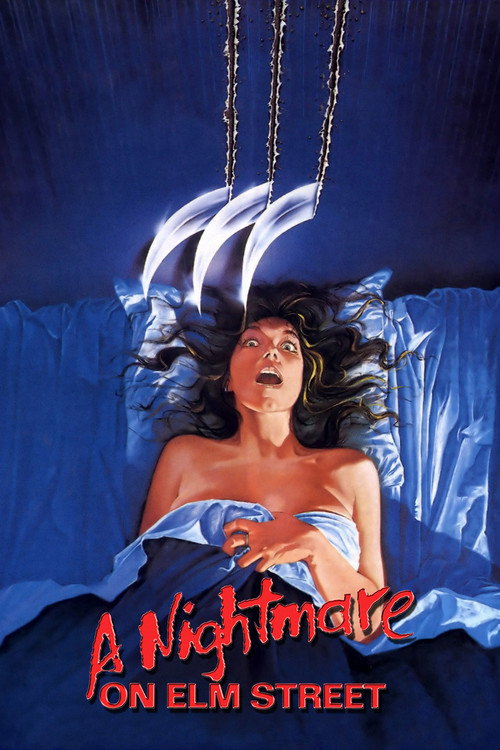
A Nightmare on Elm Street1984
Same premise - dream invasion collapsing into waking danger - but swapped from philosophical thriller into unapologetic B-movie horror, the genre's trashier, meaner twin.
Freddy Krueger turns the exact anxiety Paprika plays for wonder - a monster who can enter your dreams and kill you there - into pure, gleeful slasher horror.
But Broad, campy 80s horror with rubbery effects and jump scares; tonally about as far from Kon's arthouse polish as it gets.
More like this (8)
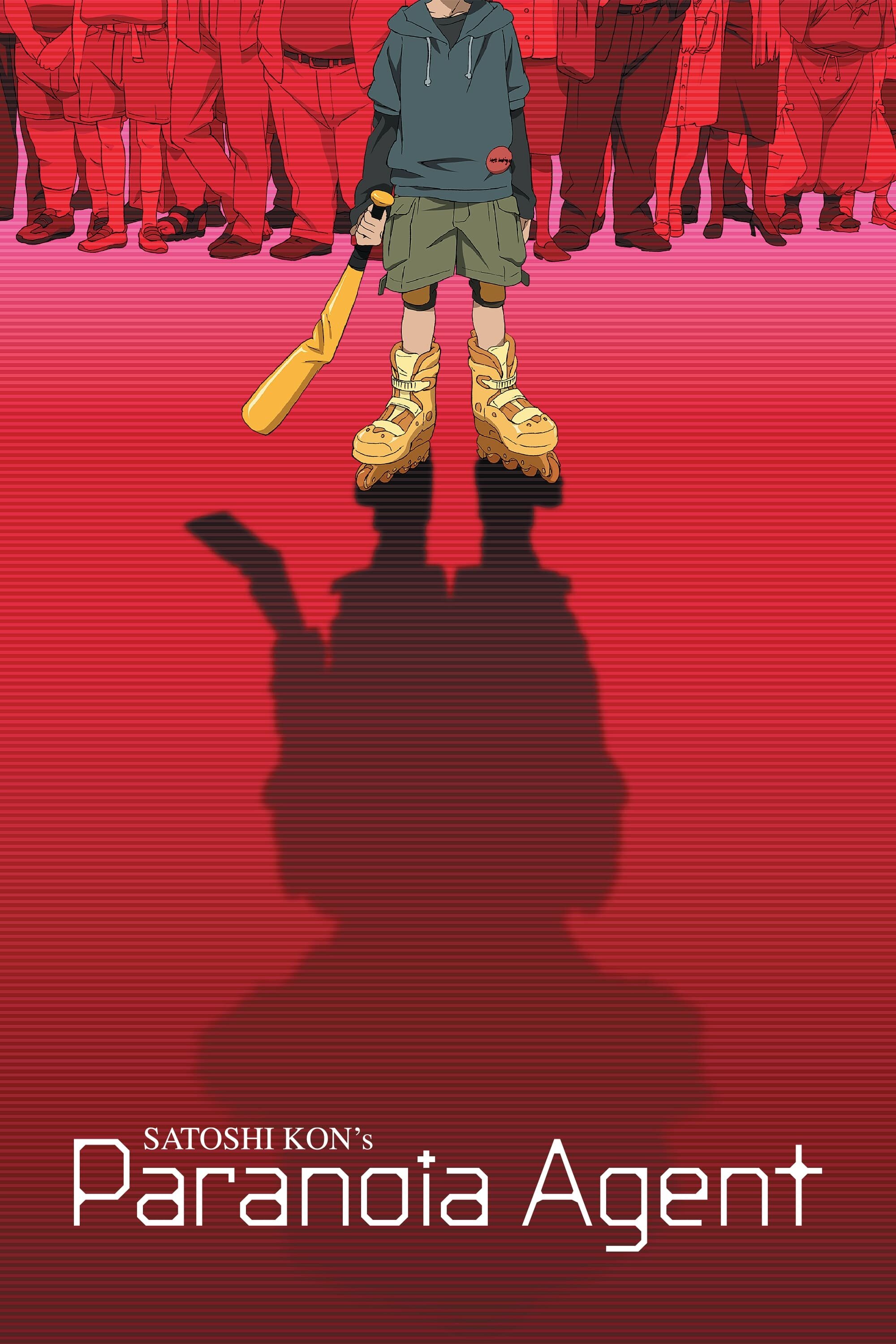
Paranoia Agent2004
Kon's TV series turns society's collective anxiety into a roving urban myth, mixing satire, horror, and dream logic across thirteen escalating, increasingly unhinged episodes.
But Looser and more episodic than Paprika's tight plotting, with detours that test your patience.
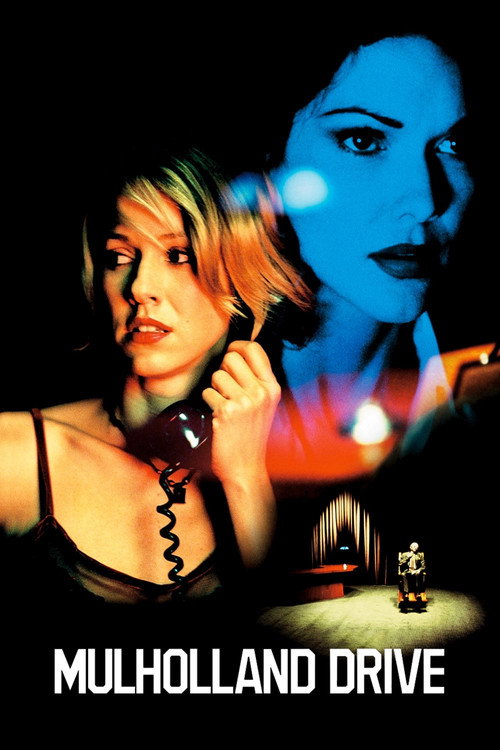
Mulholland Drive2001
Lynch's noir nightmare runs on the same dream-logic engine - identity swaps, a reality that keeps failing its own rules, images that mean more than they explain.
But Deliberately unresolved; if you need answers by the credits, this will frustrate rather than satisfy.
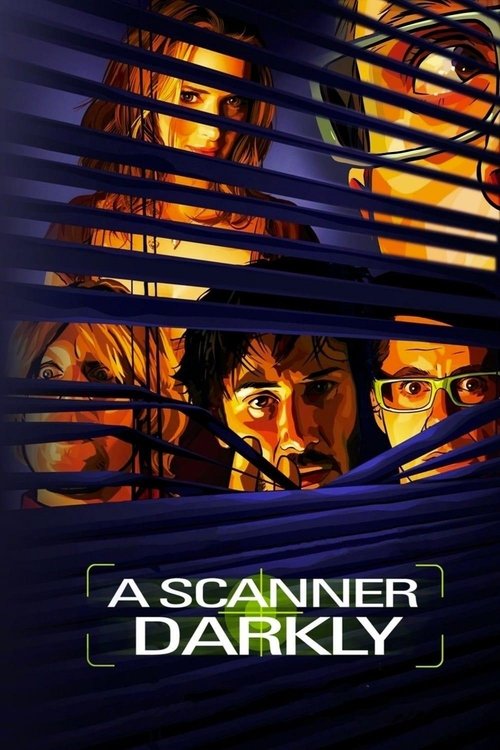
A Scanner Darkly2006
Linklater's rotoscoped Philip K. Dick adaptation uses shifting, hallucinatory animation to dramatize a mind losing track of what's real - a visual strangeness that rhymes with Kon's technique.
But Dour and paranoid, all drug-culture despair rather than playful invention - a much colder ride.
Ghost in the Shell1995
Another landmark anime asking what's left of the self once mind and machine blur together, wrapped in cool, philosophical action and stunning design.
But More meditative than thrilling, with long stretches of monologue over spectacle.

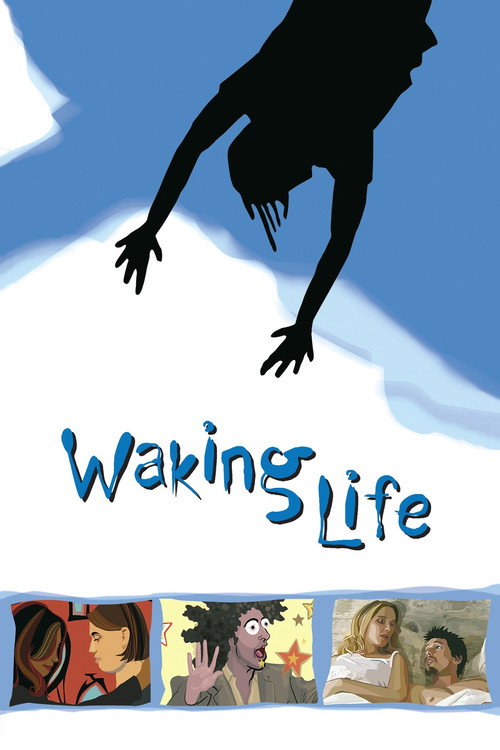
Waking Life2001
An animated wander through nested dreams and philosophical chatter, unbound by plot, exploring the same slippery boundary between waking and dreaming that powers Paprika's premise.
But No real story to grip onto, just conversation after conversation - beautiful but demanding.
Tokyo Godfathers2003no page yet
Kon's warmest film follows three homeless strangers on a Christmas Eve odyssey, proof he could ground his surrealist eye in real tenderness and comedy.
But Nothing dreamlike here at all - if you came for trippy visuals, this is a hard turn into humanism.
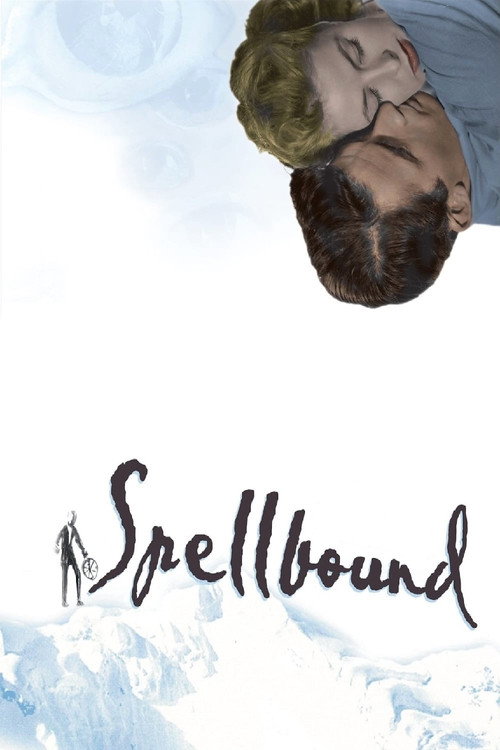
Spellbound1945
Both use a therapist decoding surreal, symbol-laden dream imagery to crack a case hidden in someone's mind - Spellbound just got there sixty years earlier, minus the animation.
Hitchcock's psychoanalytic noir features a dream sequence designed by Salvador Dalí, treating a patient's subconscious as literal evidence to be decoded and solved.
But Black-and-white studio-era pacing and now-quaint Freudian psychology may feel stiff next to Kon's kinetic visuals.
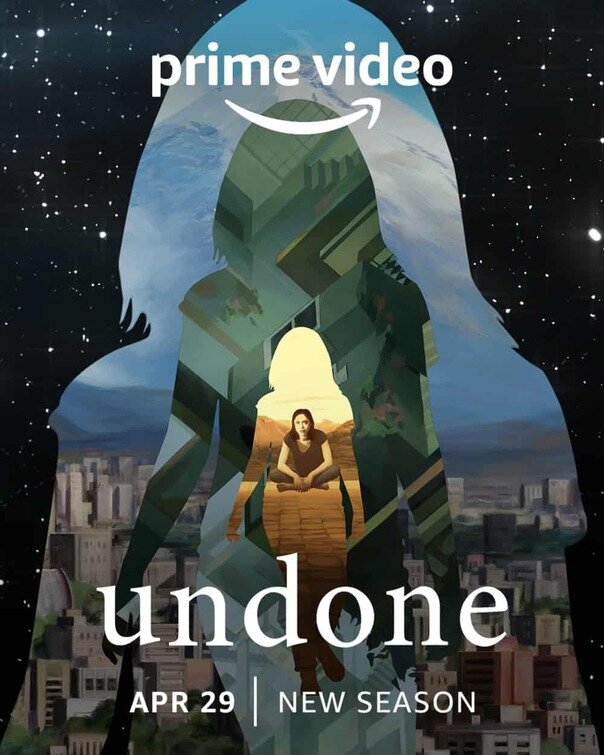
Undone2019
Same tool, animation bending reality to visualize a fractured mind, but aimed at grief and memory instead of dream-terrorism, told over eight quiet episodes instead of ninety frantic minutes.
This rotoscoped adult-animation series follows a woman whose grip on time and reality unravels after an accident, using shifting, dreamlike visuals to dramatize a mind that won't stay put.
But Grounded in family trauma and mental illness rather than thriller stakes - slower, sadder, more intimate than Kon's film.
People
Cast
 Megumi HayashibaraPaprika / Atsuko Chiba (voice)
 Tohru EmoriSeijiro Inui (voice)
 Katsunosuke HoriTorataro Shima (voice)
 Toru FuruyaKosaku Tokita (voice)
 Akio OtsukaToshimi Konakawa (voice)
 Koichi YamaderaMorio Osanai (voice)
 Hideyuki TanakaGuy (voice)
 Satoshi KonJinnai (voice)
 Yasutaka TsutsuiKuga (voice)
 Satomi KorogiJapanese Doll (voice)
 Rikako AikawaNobue Kakimoto (voice)
 Shinya Fukumatsu(voice)
Directing
- Satoshi KonDirector
Writing
- Yasutaka TsutsuiNovel
- Satoshi KonScreenplay
- Seishi MinakamiScreenplay
Production
- Taro MorishimaAssociate Producer
- Yukiko NinokataAssociate Producer
- Jungo MarutaExecutive Producer
- Jungo MarutaProducer
- Masao TakiyamaProducer
Recommended by
Spirited Away, Labyrinth, La Jetée, Ghost in the Shell, Mind Game, Legion, Perfect Blue, Dark City, Sense8, Minority Report, Insidious, My World and Welcome to It, Behind Her Eyes, Being John Malkovich, Total Recall, Akira, The Butterfly Effect, eXistenZ, Maniac, Millennium Actress, Identity, A Nightmare on Elm Street, Belladonna of Sadness