
Film
Plane Crazy
- Slapstick
- Light-hearted
- Dip in and out
The cartoon that introduced Mickey Mouse to the world, though audiences didn't quite know it yet. A six-minute burst of anarchic energy where Mickey cobbles together a flying machine to impress Minnie, riding the wave of 1920s aviation fever. It's crude, violent, and genuinely funny—a window into what animation could do when it stopped imitating theatre and started discovering its own grammar.
Should you watch it?
Watch it if you are curious how a cartoon character was first built, and you enjoy slapstick where a bumbling tinkerer fiddles with machinery until everything goes wrong.
Skip it if you want slick modern polish, since this is rough, early-days animation with a thin story and jerky, primitive drawing that feels closer to a sketchbook than a finished film.
What it asks of you: Six minutes long and quick on its feet, it wants a brief, alert stretch of attention and patience for crude, bouncy gags that come one after another.
Not sure? Find tonight's pick in a minute.
If you liked this
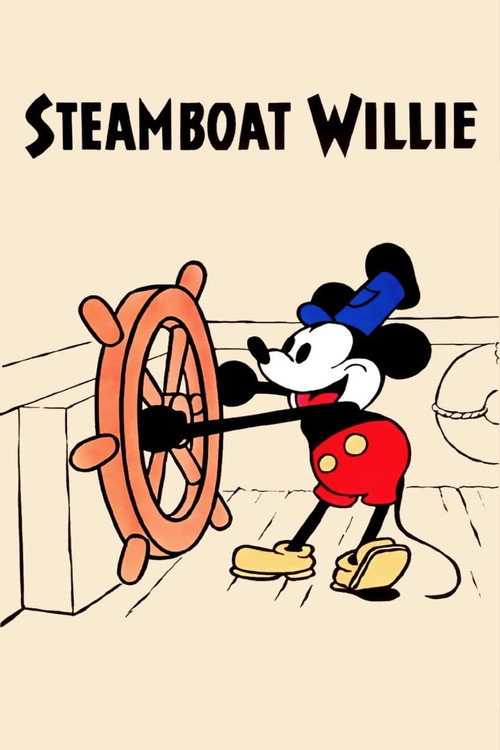
Steamboat Willie1928
The actual Mickey debut that got theatrical release and sound, making it the one that counted historically. Still startling in how alive it feels—the synchronization between music and movement is pure invention.
But Even shorter than Plane Crazy, and the racism of the era hasn't aged well. Some find early Disney's manic energy exhausting rather than charming.
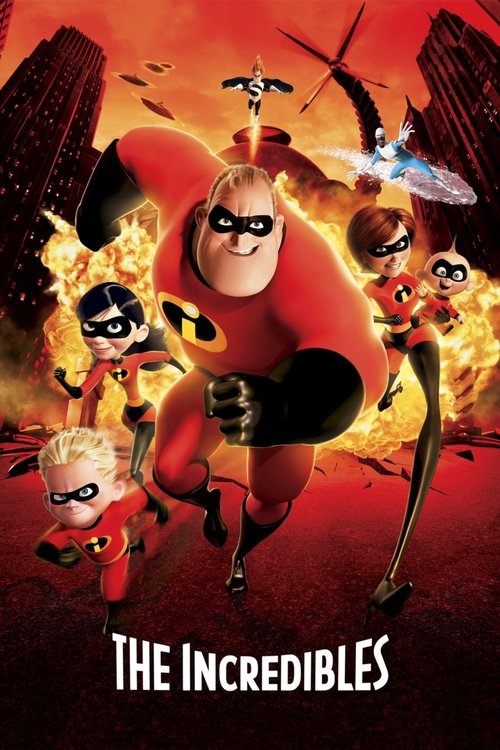
The Incredibles2004
Pixar revived the idea that animation could be driven by pure kinetic joy and absurdist logic rather than emotional sincerity. The violence is cartoonish in the best sense—consequences erased by the next gag.
But It's a family film, so depths are shallow. If you're looking for thematic substance, this isn't it.
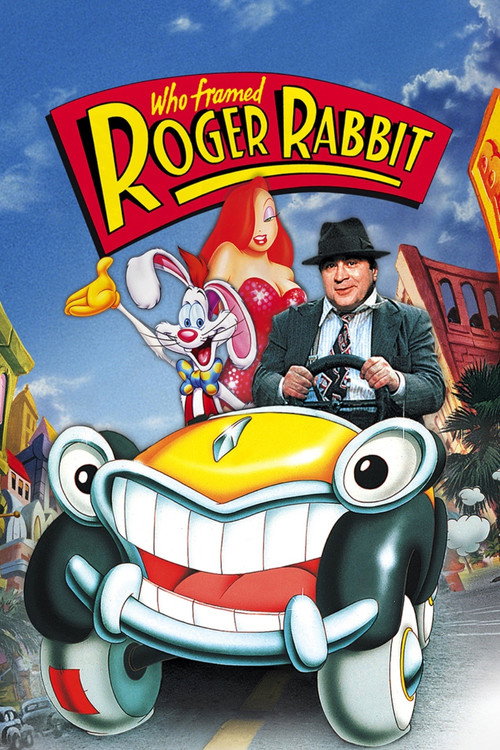
Who Framed Roger Rabbit1988
A love letter to what Plane Crazy *was*—the anarchic logic of old cartoons, where physics are negotiable and jokes matter more than plot. The sight gags are genuinely inventive.
But It's cluttered and the live-action framing is clunky. The modern color palette drains some of the charm from the classic cartoon sequences.
Not sure tonight? Get a pick in a minute, starting from Plane Crazy
The wildcard
Something you would not have found on your own.
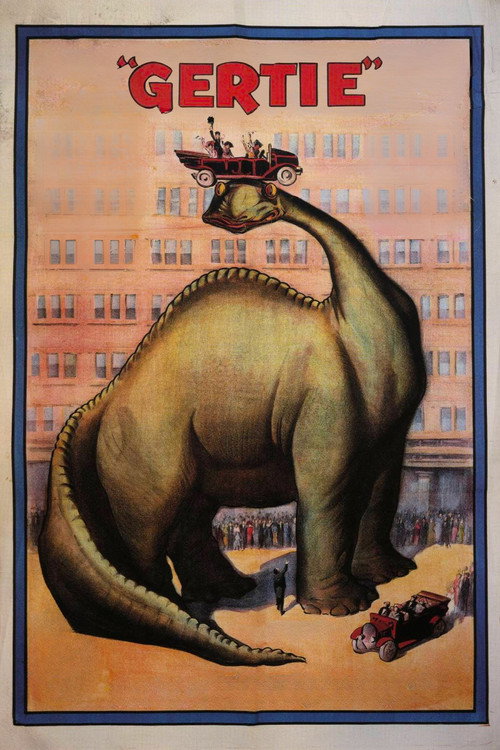
Gertie the Dinosaur1914
Both are birth-of-medium experiments, pioneers of what animation could accomplish. Plane Crazy owes everything to Gertie's discovery that drawing could move in ways that matter.
What Plane Crazy was trying to do, done five years earlier by Earl Mesquite—animation that creates the illusion of life through movement alone. Watching Gertie obey commands is genuinely magical, a reminder that animation's core trick is ancient.
But It's silent, it's slow, and the narrative is minimal. Modern audiences trained on plot will find it static.
More like this (5)
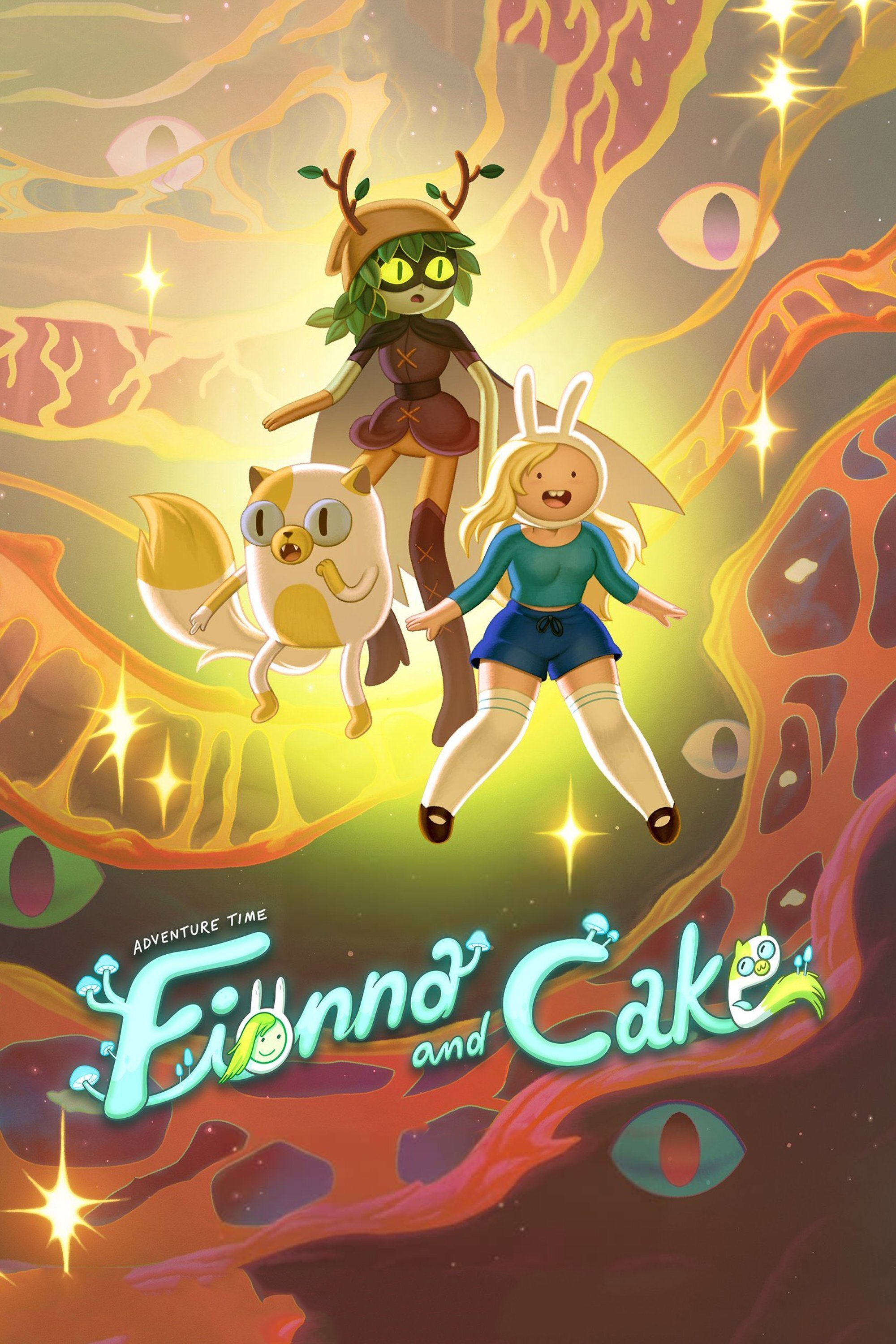
Adventure Time: Fionna and Cake2023
Modern animation that understood what made those early shorts work: the willingness to be genuinely weird, to let logic bend, to trust the audience to keep up. Built on that anarchic foundation.
But The early seasons are rough. It takes time to find its voice, and commitment is required before it gets genuinely moving.
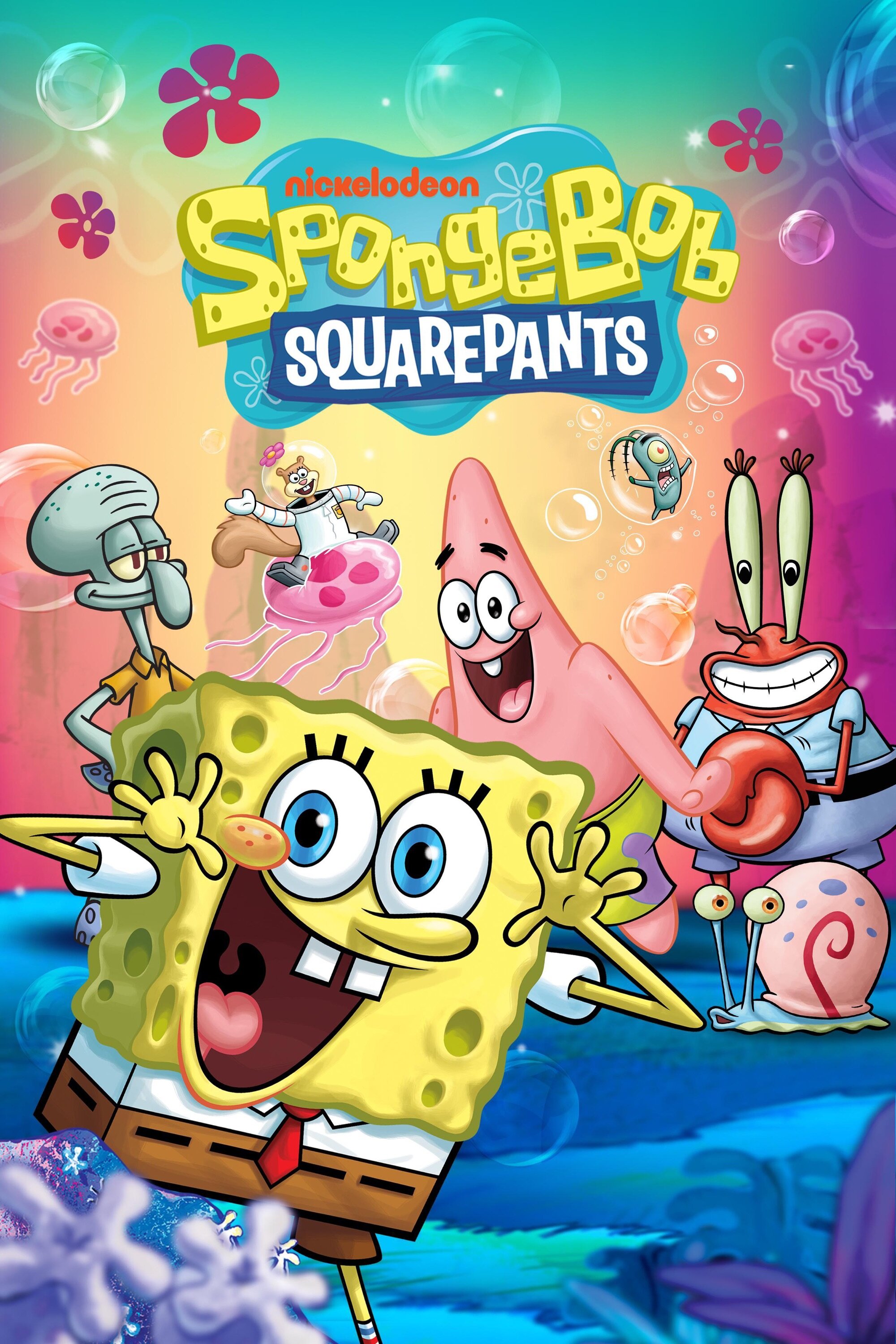
SpongeBob SquarePants1999
Carries forward the tradition of comedy-first animation where the joke architecture matters more than character development. Each episode is a miniature masterpiece of comic timing.
But The relentless wholesomeness can feel cloying. It's designed for children, and that ceiling is real.
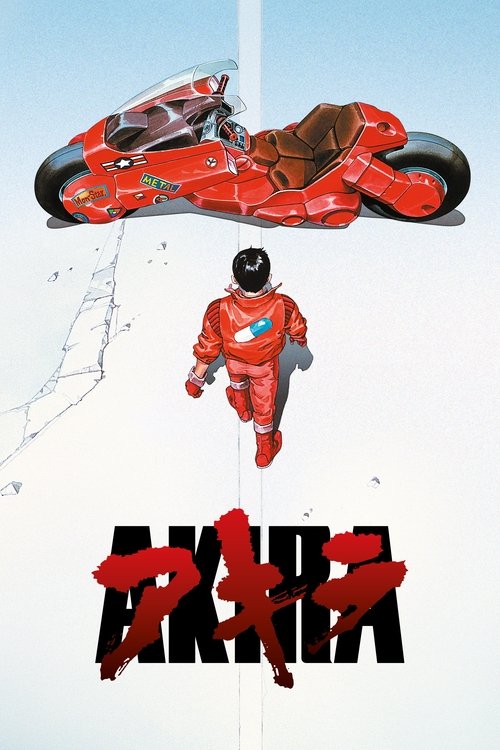
Akira1988
Animation as art form rather than entertainment vehicle, but it inherited that 1920s understanding that the medium has its own logic. Movement matters more than dialogue; the visual grammar is everything.
But It's dense, violent, and requires active attention. If you're looking for light entertainment, this is work.
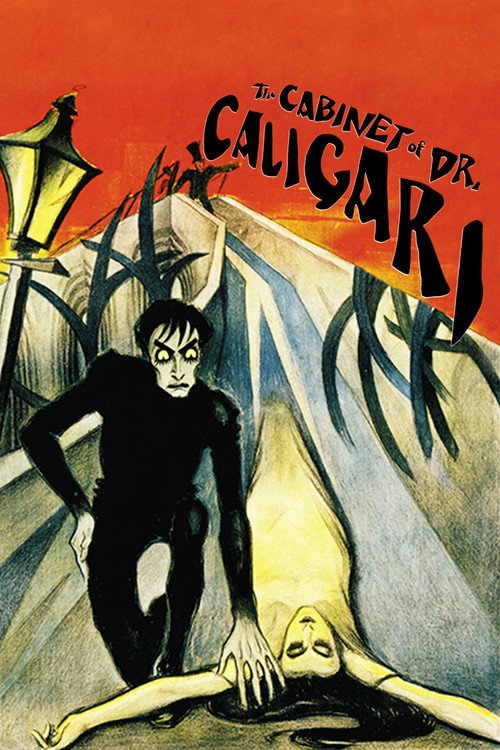
The Cabinet of Dr. Caligari1920
Both are 1920s art objects wrestling with how their medium could reshape perception. Both sacrifice realism for expressive power. Same decade, totally different languages, same hunger.
German Expressionism's masterpiece: the same era, the same scrambling of visual logic, the same understanding that cinema doesn't have to follow reality. The distorted sets are animation's cousins—a grammar entirely its own.
But It's a difficult film: slow, unsettling, reliant on intertitles. The horror is existential rather than visceral.
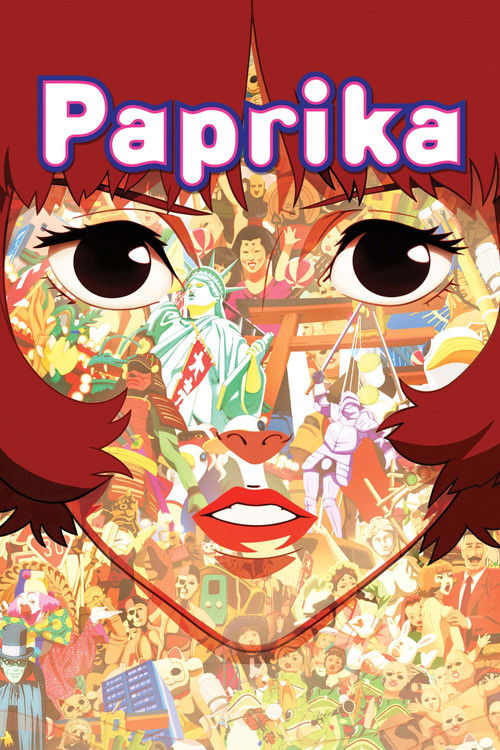
Paprika2006
Both treat animation's freedom from physics as the point rather than a limitation. Both prioritize visual invention over plot. Plane Crazy was that freedom in its rawest form; Paprika shows what happens when you mature it into genuine artistry.
Satoshi Kon's anime uses animation to do what live-action cannot—logic melts, worlds collide, the visual grammar abandons causality entirely. It's what Plane Crazy's anarchism became in the hands of a master: controlled chaos as storytelling tool.
But It's surreal and hallucinatory. If you need clarity and linear narrative, it will frustrate you.
People
Cast
 Walt DisneyMickey Mouse (voice) (uncredited)
Directing
- Ub IwerksDirector
- Walt DisneyDirector
Production
- Walt DisneyProducer