
Film
Gertie the Dinosaur
- Comedy
- Light-hearted
Winsor McCay's 1914 breakthrough: a twelve-minute film where the cartoonist coaxes a mischievous dinosaur onto screen and plays with her like a living creature. It's playful, charming, and feels genuinely magical—watching someone discover what animation could do. Essential viewing for anyone who loves how cartoons became themselves.
Should you watch it?
Watch it if you love seeing early cartoonists work out what a drawing can do, and you enjoy a hand-drawn creature who has more personality than the stiff figures of most early animation.
Skip it if you need fast gags or a plot to follow, because at twelve minutes it spends its time on one idea and its charm stays thin if you want story.
What it asks of you: Slow, patient attention for twelve minutes, with a long stretch given to one creature's reactions and very little cutting between ideas.
Not sure? Find tonight's pick in a minute.
If you liked this
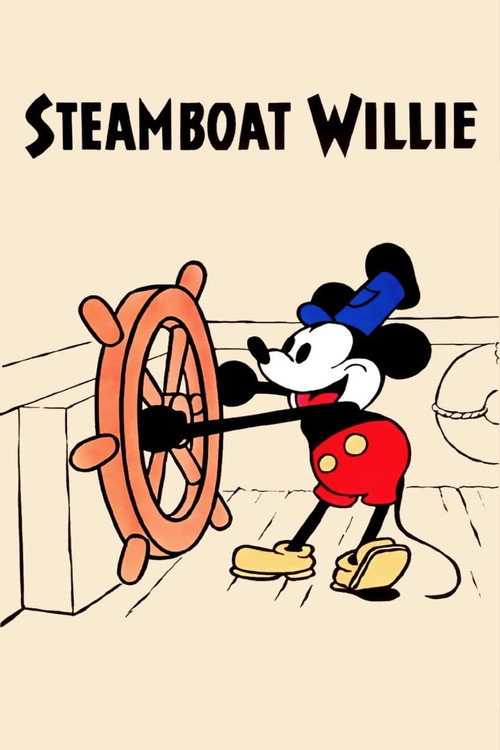
Steamboat Willie1928
Disney's landmark with Mickey Mouse introduced synchronized sound and boundless physical comedy. If you loved Gertie's personality and charm, this is where Disney took those ideas and made something unstoppable.
But It's brief, and Mickey's a bit manic compared to later versions. Silent-era timing takes adjustment if you're used to modern pacing.
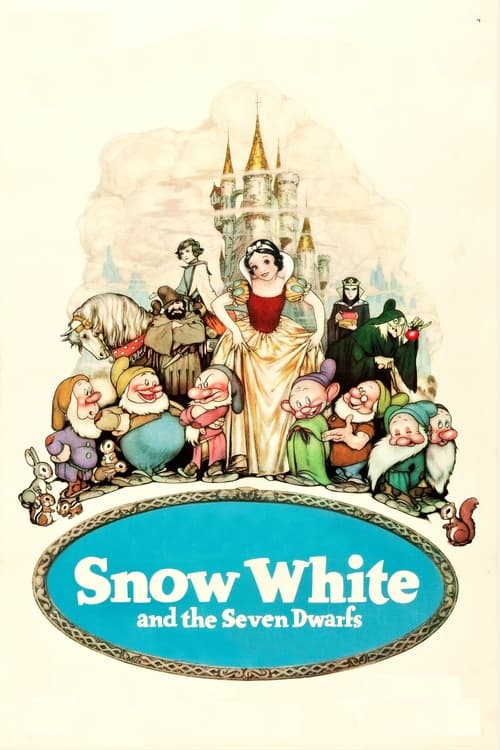
Snow White and the Seven Dwarfs1937
Disney fulfilled what Gertie began: a character you genuinely believe in and care about. Gertie taught Disney that personality mattered; Snow White is where he proved he'd learned it completely.
But It's a full film (83 minutes). Some find the sentimentality heavy-handed compared to Gertie's playful lightness.
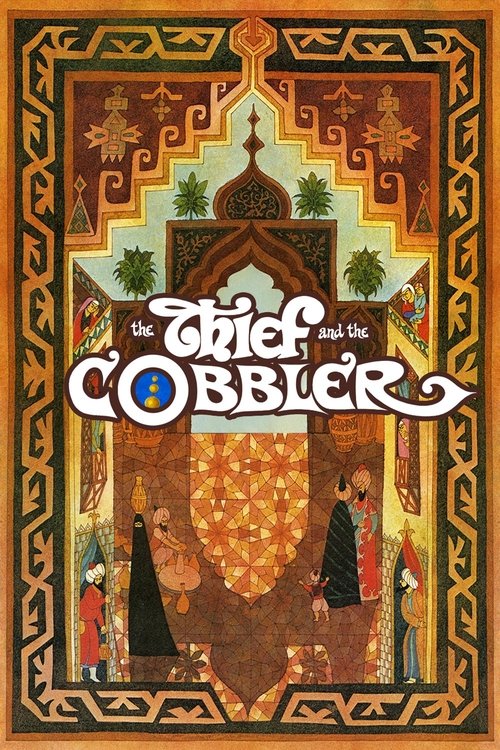
The Thief and the Cobbler1993
Richard Williams' lost masterpiece is pure visual storytelling—animation as pure imaginative play, no dialogue needed. It recaptures Gertie's sense of watching an artist draw something into being before your eyes.
But Production hell resulted in a fragmented film that was released in multiple competing cuts. The restoration helps, but it's still incomplete.
Not sure tonight? Get a pick in a minute, starting from Gertie the Dinosaur
The wildcard
Something you would not have found on your own.
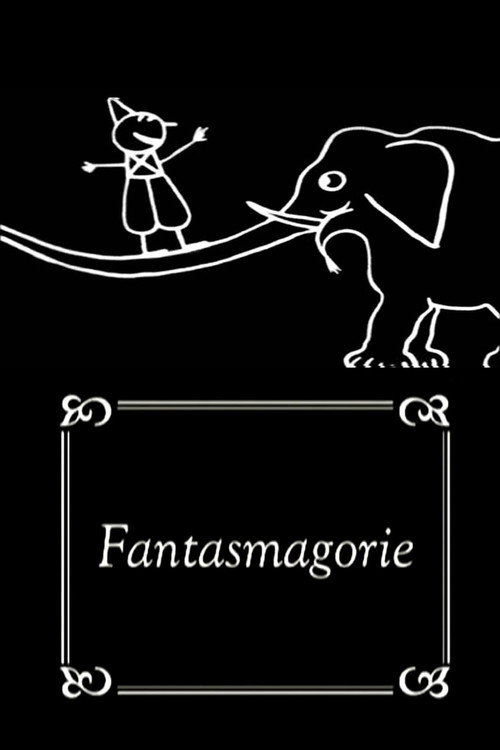
Fantasmagorie1908
Both are proto-character animation—Cohl invented the technique, McCay gave it a soul. Gertie wouldn't exist without Fantasmagorie.
Émile Cohl made this six years before Gertie—it's the true ancestor of character animation. Watching them together shows how McCay built on what Cohl started, and how he made it personal.
But It's barely two minutes of a stick figure doing tricks. There's no personality yet—just movement for its own sake. But that's the point: it shows how far McCay advanced the form.
More like this (7)
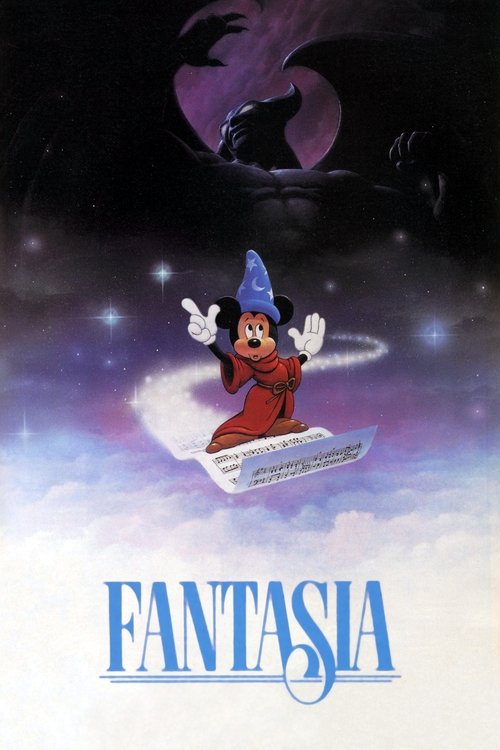
Fantasia1940
Abstract animation married to classical music. The dinosaurs sequence (Rite of Spring) shows what McCay's twelve minutes could grow into—animation as pure visualization of sound and imagination.
But It's experimental and uneven. Some segments drag; the blatant racism in one sequence is sickening and indefensible.
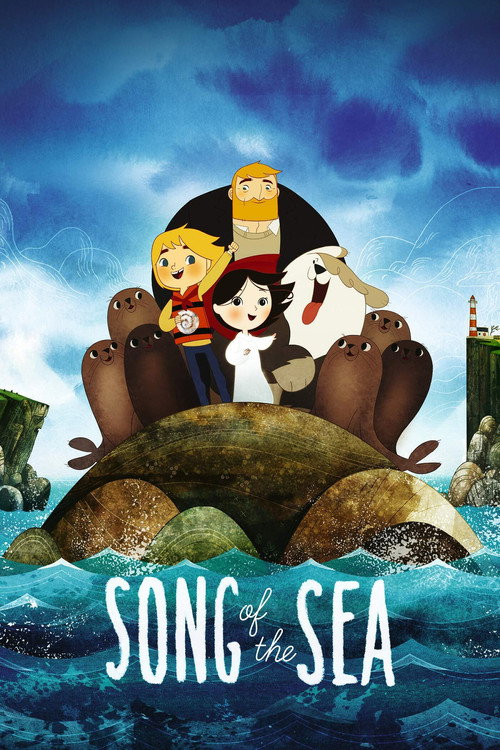
Song of the Sea2014
Tomm Moore combines hand-drawn animation with folklore and genuine emotional depth. The animation has Gertie's charm—characters that feel loved into existence rather than calculated.
But Quieter and more contemplative than most modern animation. If you want action and pace, this will feel slow.
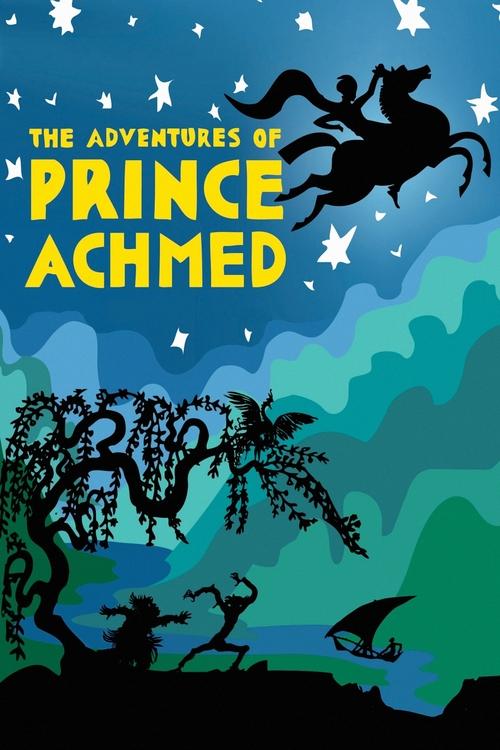
The Adventures of Prince Achmed1926
Lotte Reiniger's silhouette animation was contemporaneous with sound cinema but chose a radically different path. It shows what animators were experimenting with while Disney was still learning.
But Silhouettes are flat by design. The aesthetic is beautiful but takes patience to sink into.
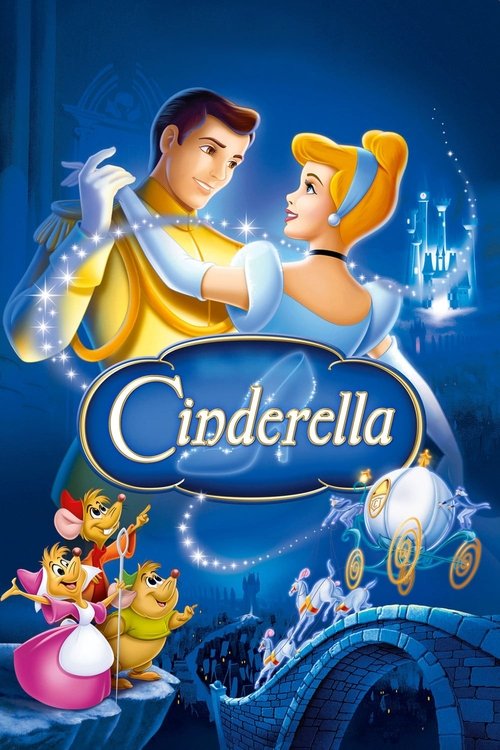
Cinderella1950
Where Gertie charmed with personality and playfulness, Cinderella refined Disney's formula into a machine. It's technically remarkable and shows the logical endpoint of what McCay started.
But Cynical now—corporate beauty standards, passive heroine. It's a museum piece more than a living film.
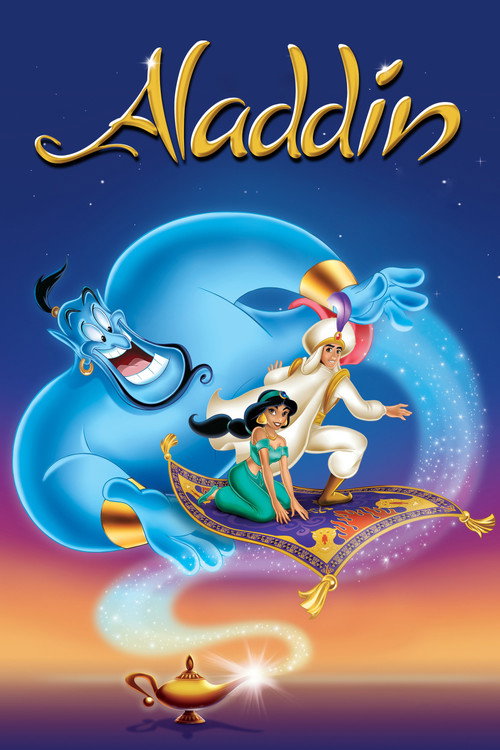
Aladdin1992
Robin Williams' Genie is pure anarchic spirit: characters that break the rules, destroy fourth walls, and seem to surprise themselves. It captures something of Gertie's playful mischief in a big-budget package.
But Heavy-handed and dated now. The romance feels obligatory and the finale is rushed.
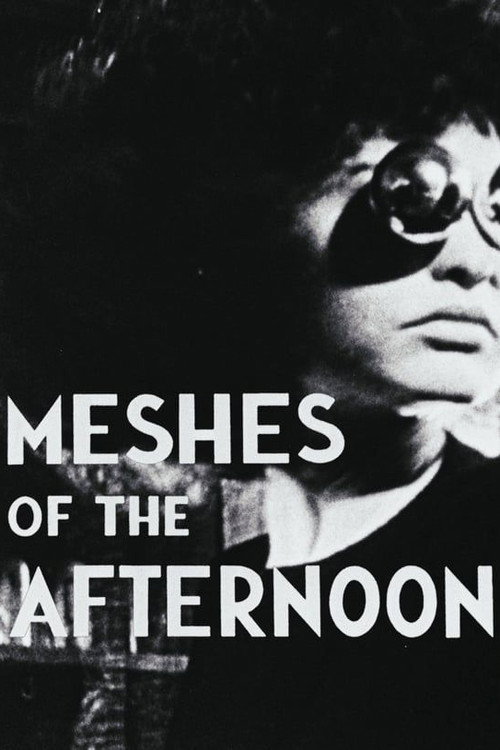
Meshes of the Afternoon1943
Both explore the artist conjuring something into being and losing control of it. McCay did it with wonder; Deren does it with dread.
Maya Deren's experimental film is about an artist being drawn into her own creation—literally what Gertie is about, but in live-action surrealism. It's about the boundary between creation and reality, watched from inside the mind of the creator.
But It's abstract, dreamlike, and sometimes obscure. No narrative, lots of repetition and symbolic imagery. Patience required.
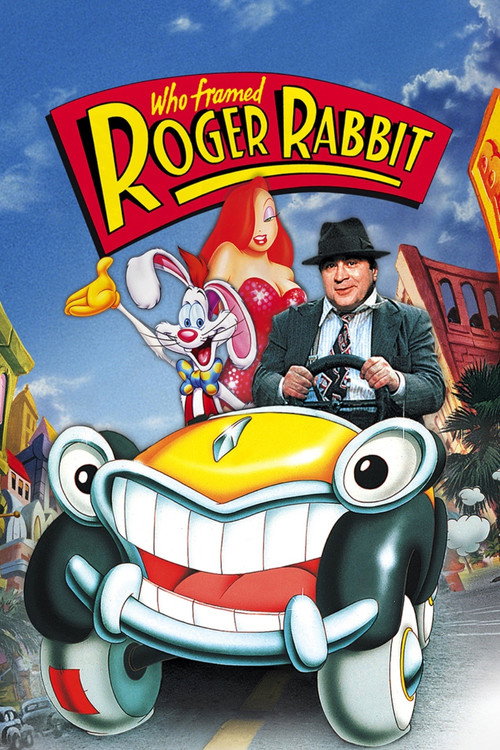
Who Framed Roger Rabbit1988
Both films are about the magic of animator and character interaction—McCay playing with Gertie on screen is the ancestor of Eddie Valiant playing with Roger.
The only modern film to understand what Gertie meant: a live actor coaxing a drawn character into existence, playing with them, making them real. It's a love letter to what McCay invented, shot with genuine affection for animation itself.
But It's violent and sexual in ways that feel gratuitous. Some gags land, others feel strained. It's busy in a way Gertie never is.
People
Cast
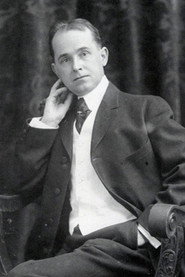 Winsor McCaySelf
- George McManusSelf
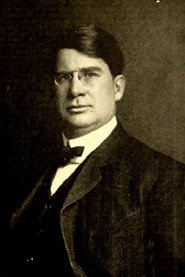 Roy L. McCardellSelf
- Thomas A. 'Tad' DorganThomas A. 'Tad' Dorgan
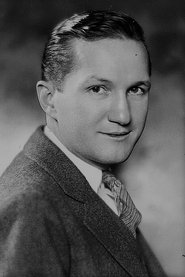 Tom PowersClumsy Copy Boy (uncredited)
- Robert McCaySelf
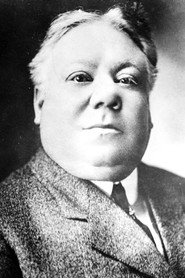 John BunnyClub Member
Recommended by
Dumbo, Fantasmagorie, Plane Crazy, The Dot and the Line: A Romance in Lower Mathematics, Popeye the Sailor