
Film
Fantasmagorie
- Fantasy
- Absurdist comedy
- Light-hearted
- Strange
A two-minute marvel from 1908 that invented animated cinema as we know it. Émile Cohl's *Fantasmagorie* is pure visual delight: a stick figure dreams himself through impossible transformations, materializing objects, battling an elephant, escaping jail. It moves like thought itself, playful and anarchic. Essential for anyone who loves animation or film history—and short enough that you have no excuse.
Should you watch it?
Watch it if you love the giddy logic of early cinema, where a line drawing can melt into a new shape every second and nobody bothers to explain why.
Skip it if you need a story with a beginning, middle and end, since this is more a flurry of gags than a plot you can follow.
What it asks of you: Two minutes long, and it moves so fast that you have to stay alert the whole time, since the picture rarely holds still for a second.
Not sure? Find tonight's pick in a minute.
If you liked this
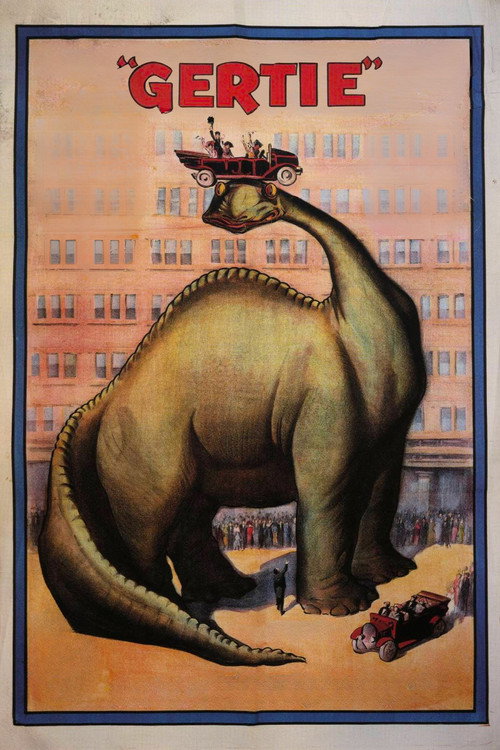
Gertie the Dinosaur1914
Windsor McCay's dinosaur is the next leap forward: a creature with weight and personality, not just a doodle. McCay proved animation could tell a story and build genuine rapport between audience and character. Mesmerizing.
But Only seven minutes, and the pacing assumes patience with early cinema's rhythm. The plot is thin by design.
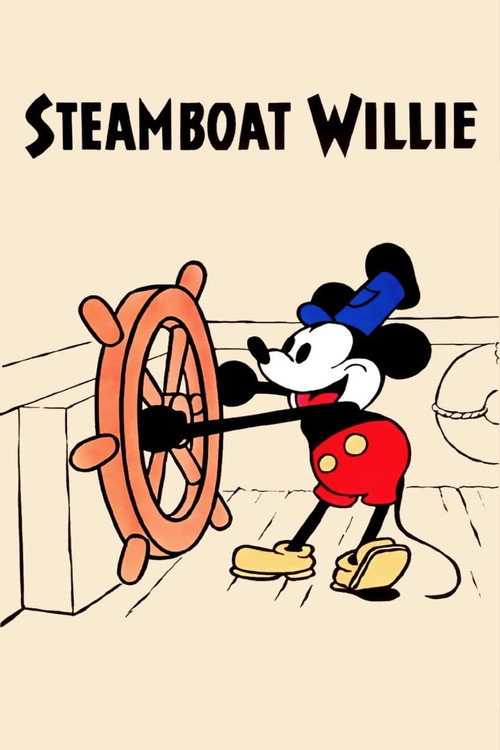
Steamboat Willie1928
Disney's breakthrough merges the anarchic energy of 1920s animation with technical precision and perfect synchronization to music. It's playful, it's iconic, and it still lands. The moment you understand why this changed everything.
But Knowing what it spawned can overshadow what it actually is. Also, Mickey here is genuinely mischievous, not the corporate mascot you might expect.
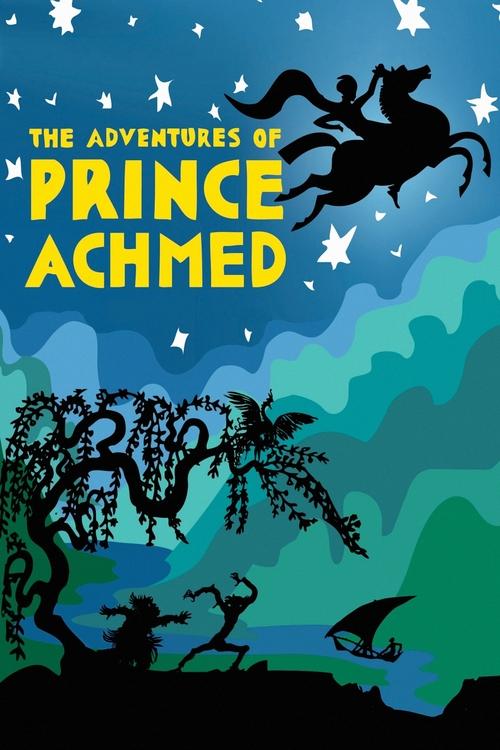
The Adventures of Prince Achmed1926
Lotte Reiniger's silhouette animation is a completely different visual language from Cohl, but shares the same sense of wonder and impossible transformations. Gorgeously intricate and hypnotic—a fairy tale that moves like a dream.
But The silhouette technique can feel static if you're expecting cartoon energy. Nearly 70 minutes of deliberate pacing.
Not sure tonight? Get a pick in a minute, starting from Fantasmagorie
The wildcard
Something you would not have found on your own.
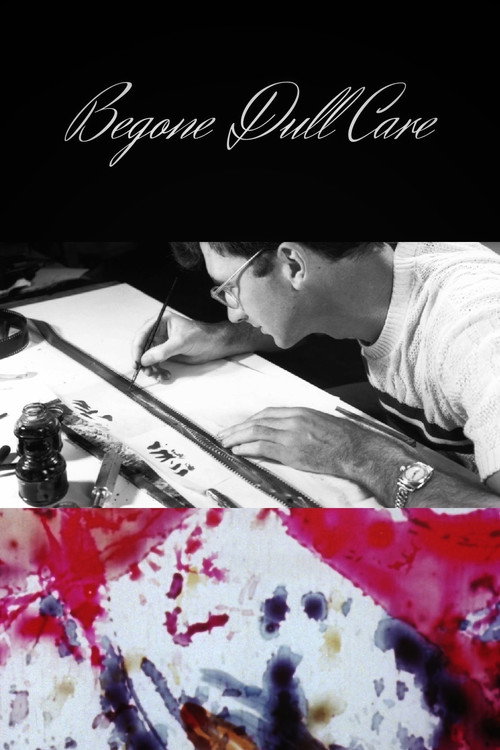
Begone Dull Care1949
Both use animation as a form of pure visual thought—morphing, spontaneous, following dream-logic rather than narrative logic. Both prove animation is a language, not just a tool.
Norman McLaren painted directly onto film stock, creating abstract animation set to Oscar Peterson's jazz. It shares Cohl's delight in pure visual transformation, but is completely modernist and non-representational. Color, movement, and sound as equals.
But There's no recognizable imagery or narrative. If you need something to *look like* something, this will frustrate you.
More like this (5)
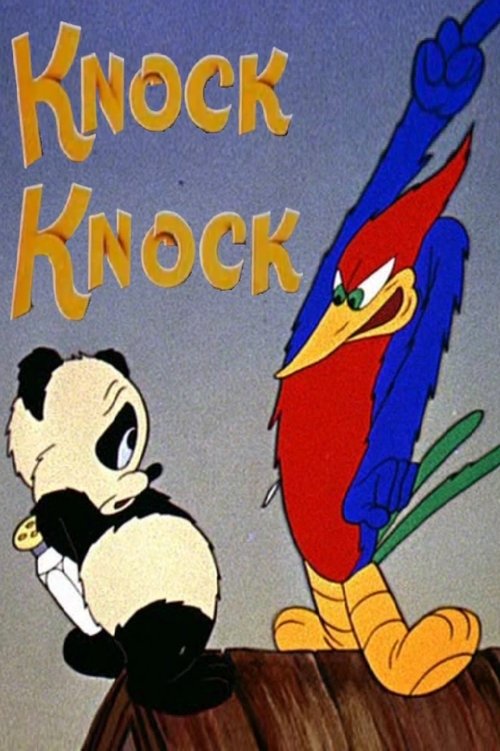
Knock Knock1940
Tex Avery's masterpiece of surreal gag construction: a hunter and a woodpecker in a battle of escalating absurdity. The logic is dream-logic, morphing and impossible, closer in spirit to Cohl than to anything else on this list.
But It's a seven-minute cartoon that doesn't try to make narrative sense. If you need plot, you won't find it.
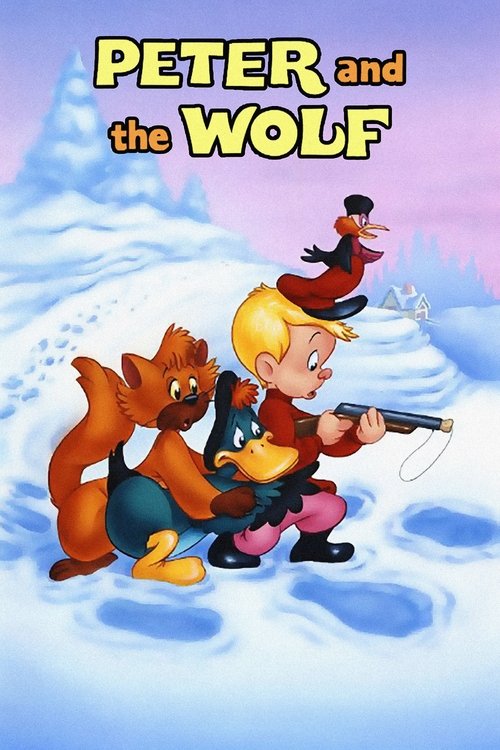
Peter and the Wolf1946
Prokofiev's score with animation by Tex Avery and others: pure movement synchronized to music, playful and inventive. Proof that animation can dance.
But Short, fragmented, and deeply of its moment. The animation is varied in quality because it was a wartime collaborative effort.
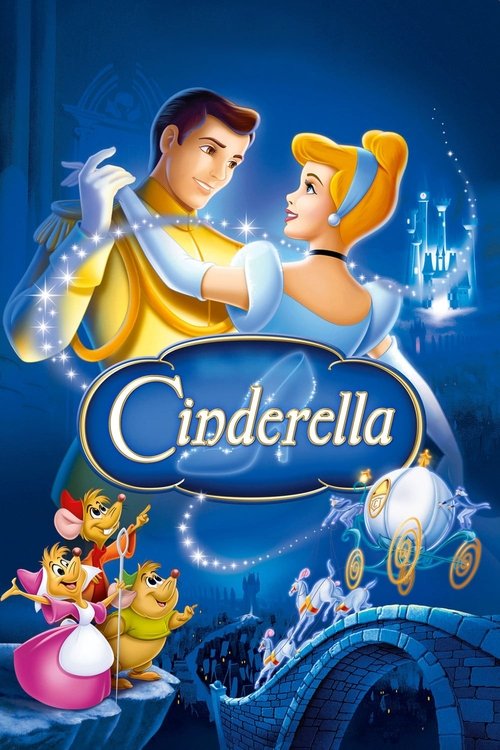
Cinderella1950
Disney's masterwork of animation craft: every frame is controlled, beautiful, and alive with personality. If you want to understand what animation became after the foundation Cohl laid, this is it.
But It's the opposite of anarchic. The precision and beauty can feel like restraint if you loved Cohl's wild morphing.
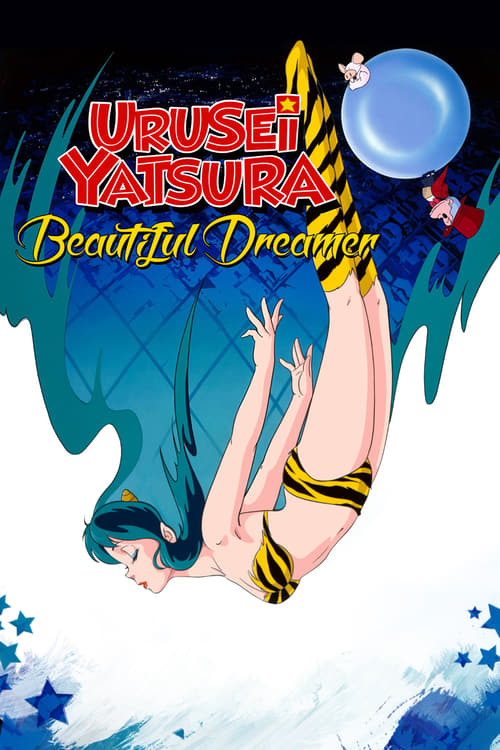
Urusei Yatsura: Beautiful Dreamer1984
Mamoru Oshii's anarchic anime feature abandons plot for mood and transformation. It's Cohl's dream-logic applied to 1980s anime: reality bends, characters appear and vanish, nothing adds up—and it's hypnotic.
But It assumes knowledge of the TV series and has no interest in explaining itself. Some find it frustratingly abstract.
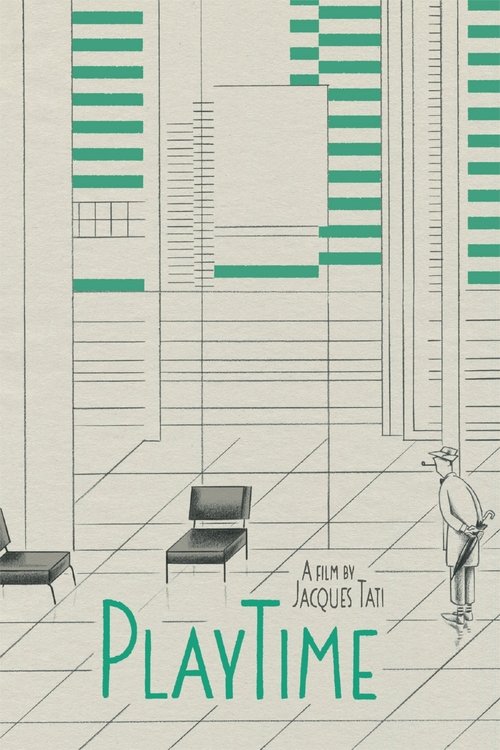
PlayTime1967
Both are built on visual transformation and impossible spatial logic. Both treat the space itself as the star. Both reward close looking and repeat viewings.
Jacques Tati's film is a live-action feature built on the same principle as Fantasmagorie: a succession of visual gags and transformations, where the environment is as important as character. It moves like a dream where everything is connected by surprise and symmetry.
But It's 124 minutes of very quiet, very precise comedy. There's almost no dialogue and the humor is architectural. Patience is non-negotiable.
People
Directing
- Émile CohlDirector
Writing
- Émile CohlScreenplay
- Émile CohlWriter