
Film
Steamboat Willie
- Slapstick
- Animated musical
- Light-hearted
Steamboat Willie is the 1928 animated short that introduced Mickey Mouse to the world. It's a marvel of early sound-and-image synchronization: eight minutes of pure visual gag logic, where a boat, its animals, and its crew become an orchestra. Anarchic, joyful, and technically revolutionary, it's less a story than a cascade of inventions. Essential viewing for anyone who wants to understand where modern animation came from.
Should you watch it?
Watch it if you love early sound cartoons where the fun is in rubbery, improvised slapstick timed exactly to the music, the kind of playful invention that makes a bleating goat feel like a found instrument.
Skip it if you need plot, character depth or modern pacing; it is a single eight-minute gag built around one idea, and its charm is mostly historical and rhythmic.
What it asks of you: Almost nothing: it runs only about eight minutes, moves briskly, and asks you to sit back, enjoy the tune-making, and accept a silent-era sense of humour.
Not sure? Find tonight's pick in a minute.
If you liked this
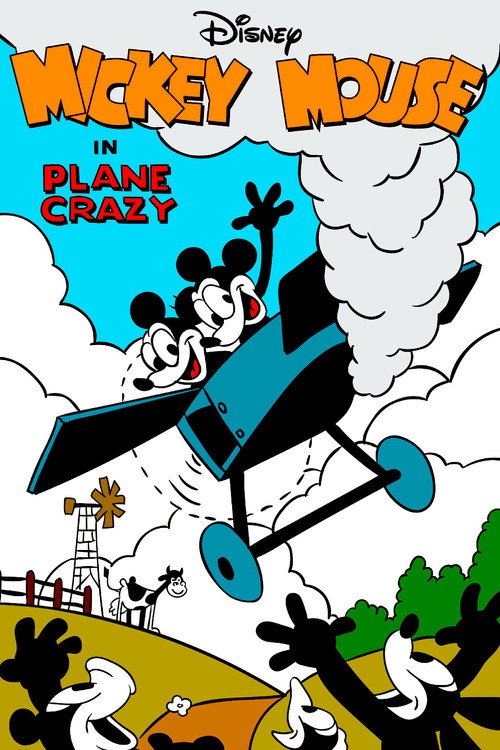
Plane Crazy1929
Mickey's second film, released earlier but not publicly screened until after Steamboat Willie. It has the same anarchic energy and shows him as a genuine troublemaker—cocky, improvising, delightfully morally unmoored. A perfect companion piece.
But Eight minutes of silent slapstick won't grip you if you prefer narrative momentum or character development over pure visual invention.
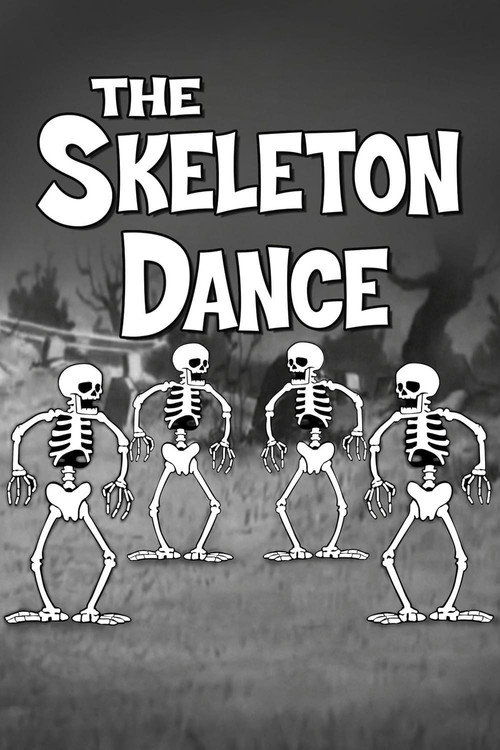
The Skeleton Dance1929
The first of Disney's Silly Symphonies, where skeletons dance in a graveyard synced to Saint-Saëns. It pushes the sound-image partnership even further, proving Steamboat Willie wasn't a one-off. Genuinely eerie and witty.
But The aesthetic is deeply of its era; some viewers find early Disney's visual style off-putting or the pacing strange by modern standards.
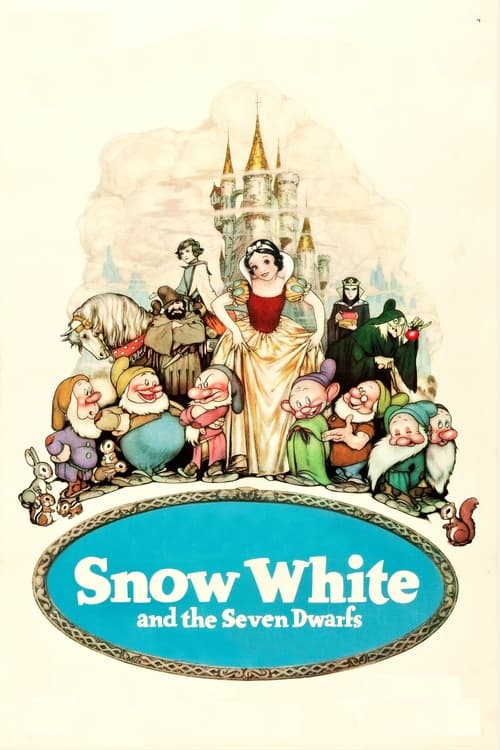
Snow White and the Seven Dwarfs1937
Disney's first feature proves he could build something longer and emotionally resonant while keeping the early anarchic spirit alive, especially in the dwarfs' scenes. It's the logical next step from Steamboat Willie.
But Eighty-three minutes is a commitment, and some of the sentimentality around Snow White herself will feel dated if you preferred the pure gag logic of the shorts.
Not sure tonight? Get a pick in a minute, starting from Steamboat Willie
The wildcard
Something you would not have found on your own.
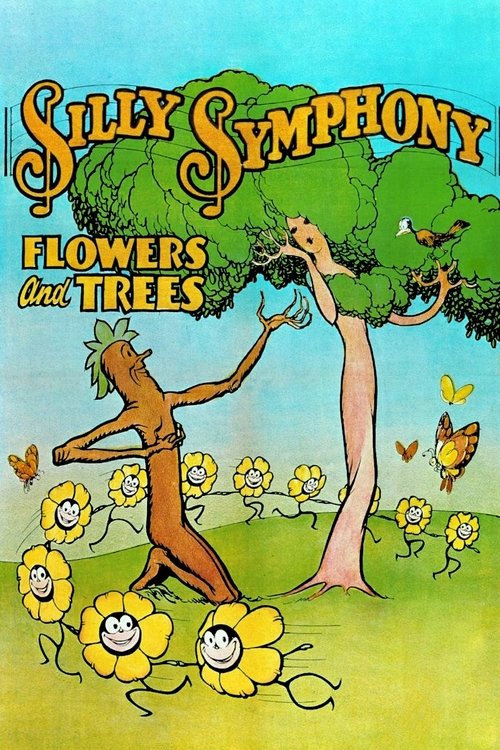
Flowers and Trees1932
Same studio, same period, different goal. Where Steamboat Willie proves sound changes everything, Flowers and Trees proves color does too.
The first animated film in Technicolor, and it's stunning. Trees melt like wax, flowers bloom in colors that seem impossible. It's the same studio pushing the same impulse—make something that hasn't been seen before—into new technology.
But It's not a comedy; it's a demonstration of what color could do. If you want gags and character, this is more of a technical marvel than an entertainment.
More like this (5)
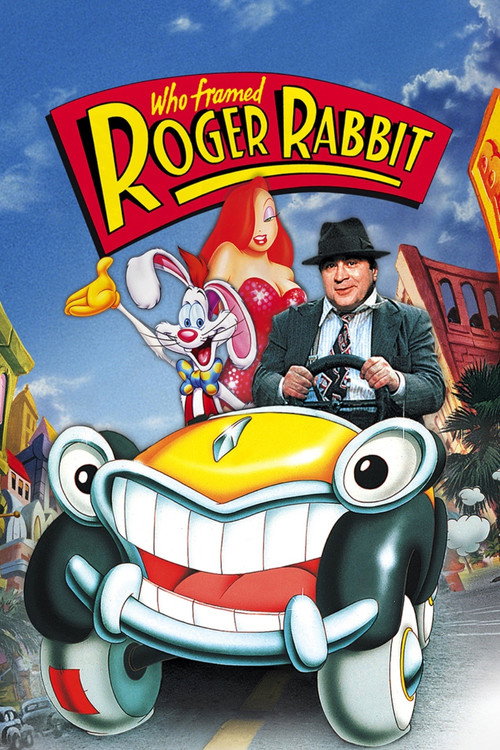
Who Framed Roger Rabbit1988
A love letter to the era of Steamboat Willie, mixing live-action and animation with the same obsessive attention to sound-image synchronization. It celebrates what made those shorts work while building something new.
But It's a noir pastiche that hinges on dark comedy and adult cynicism—wildly different in tone from what you're watching, even though it worships the same gods.
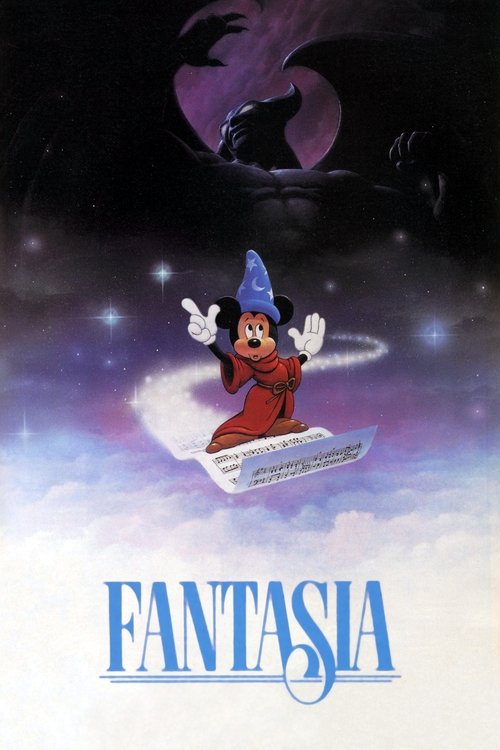
Fantasia1940
Disney's most ambitious early feature treats animation as a concert experience, pushing the sound-sync innovations of Steamboat Willie into high art. It's audacious, weird, and utterly committed to its vision.
But Two hours of abstract animation set to classical music will lose viewers hungry for narrative or character. It's meditative, which some find tedious.
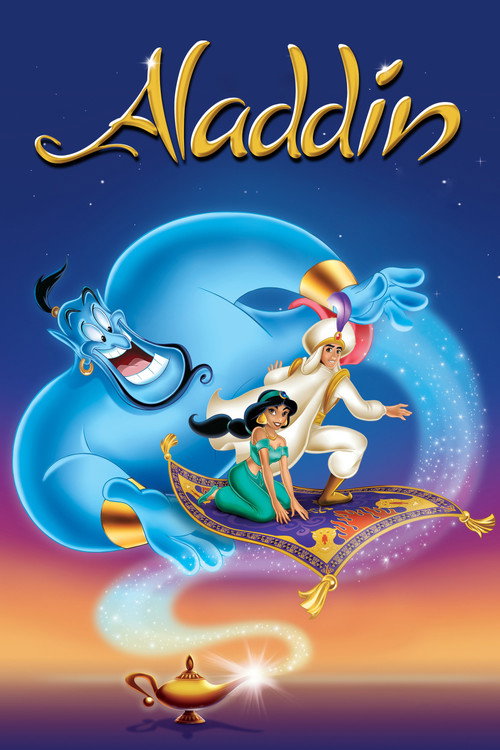
Aladdin1992
The 1990s Disney Renaissance at its peak: quick-witted, densely packed with visual gags, musical in a way that honors the early sound-sync experiments. It has the joy and invention of the shorts in feature form.
But It's slick corporate entertainment, not an artistic breakthrough. If you're watching Steamboat Willie for historical weight, this might feel hollow by comparison.
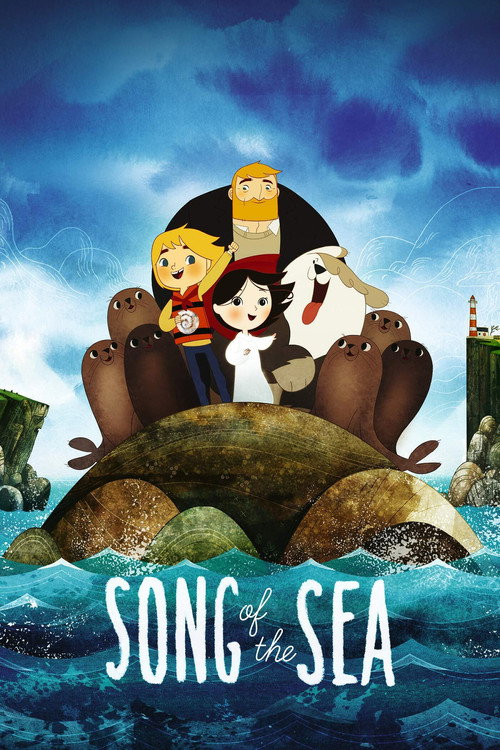
Song of the Sea2014
A feature-length Irish animated film made by hand, without computers, in the spirit of those early shorts. Hand-drawn, gorgeously composed, built on folklore instead of slapstick—it proves the sensibility can survive a century.
But It's quiet, melancholic, and narrative-driven; nothing like the frenetic invention of Steamboat Willie, so the connection is spiritual rather than immediate.
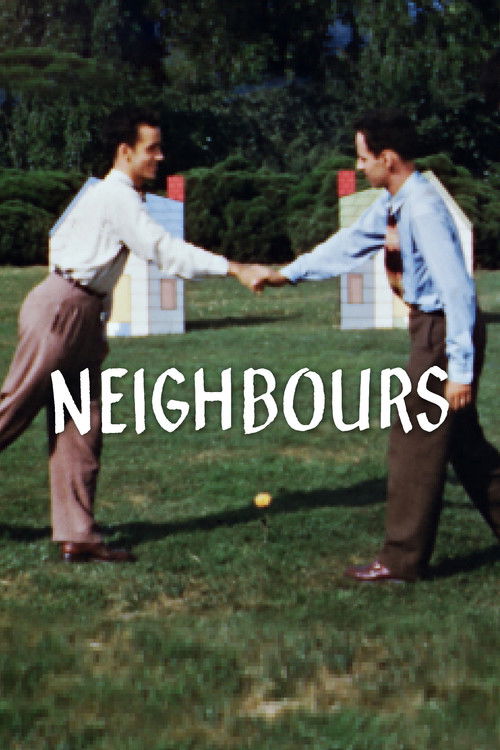
Neighbours1952
The DNA is identical: physical vocabulary as storytelling, objects as characters, sound (or silence) as timing. Steamboat Willie proved movement + sound = comedy. This proves the formula works without sound, without fantasy, without a mouse.
A live-action National Film Board of Canada short, five minutes of pure physical comedy. Two men fight over a fence line without dialogue, using their whole bodies like Steamboat Willie uses a whole boat—everything becomes a tool, everything is funny.
But It's live-action, not animation; it's Canadian and austere; the humor comes from exhaustion and futility rather than exuberance. It's the opposite energy.
People
Cast
 Walt DisneyMickey Mouse / Minnie Mouse / Pete (voice) (uncredited)
Directing
- Ub IwerksDirector
- Walt DisneyDirector
- Ub IwerksLayout
Writing
- Ub IwerksWriter
- Walt DisneyWriter
Production
- Roy O. DisneyProducer
- Walt DisneyProducer
Recommended by
Der Fuehrer's Face, Gertie the Dinosaur, Fantasmagorie, Plane Crazy, The Skeleton Dance, Flowers and Trees, Snow-White, The Jazz Fool, Swing You Sinners!, The Band Concert, One Froggy Evening, Porky Pig's Feat, The Pied Piper, The Tortoise and the Hare, Presto, Trip to Mars, Betty Boop's Bamboo Isle, Dizzy Dishes, Bimbo's Initiation, Popeye the Sailor, Betty Boop, M.D., Minnie the Moocher, Boop-Oop-A-Doop, The Bugs Bunny Show, Gerald McBoing-Boing