
Film
Popeye the Sailor
- Slapstick
- Light-hearted
- Dip in and out
The seven-minute debut of Popeye, made in 1933, launches a squat sailor with an inexplicable accent into a brawl over a woman with stick legs. It's anarchic, crude, and moves at breakneck speed—drawn in the wild, rubbery style of early animation when the medium had no rules yet. For anyone curious about animation history or why Popeye lasted ninety years.
If you liked this
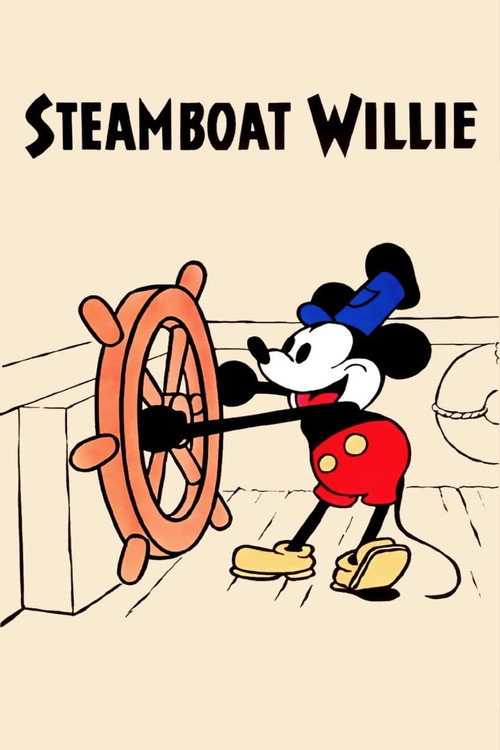
Steamboat Willie1928
The Mickey Mouse debut that proved animation could carry a feature. Same era, same raw energy, same willingness to be deliberately absurd. Foundational and genuinely funny.
But Seven minutes of silent slapstick with a mouse doesn't sound like entertainment to modern ears. It's also deliberately crass in ways that feel dated.
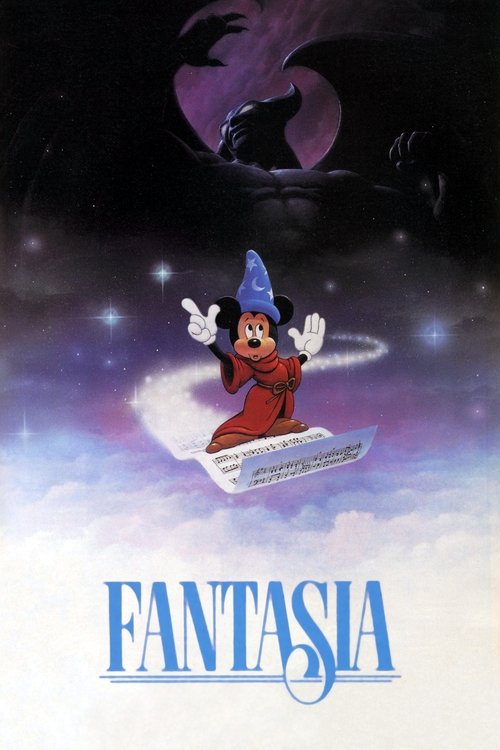
Fantasia1940
Where animation went after the early stuff: ambitious, beautiful, and interested in emotion as much as gags. Shows what the medium became when given ambition and budget.
But It's 125 minutes of set pieces with no narrative. Many sections drag. The centaur sequence is uncomfortable.
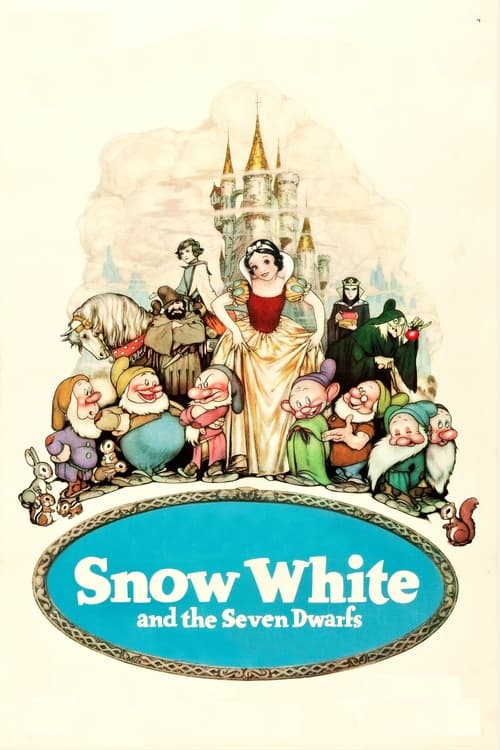
Snow White and the Seven Dwarfs1937
The first feature-length animated film, made just four years after Popeye. Proof that Disney saw what animation could be while Warner Bros. was still making seven-minute brawls.
But It's sentimental in a way that feels suffocating to modern taste. The romance is negligible. Some of the voices are grating.
Not sure tonight? Get a pick in a minute, starting from Popeye the Sailor
The wildcard
Something you would not have found on your own.
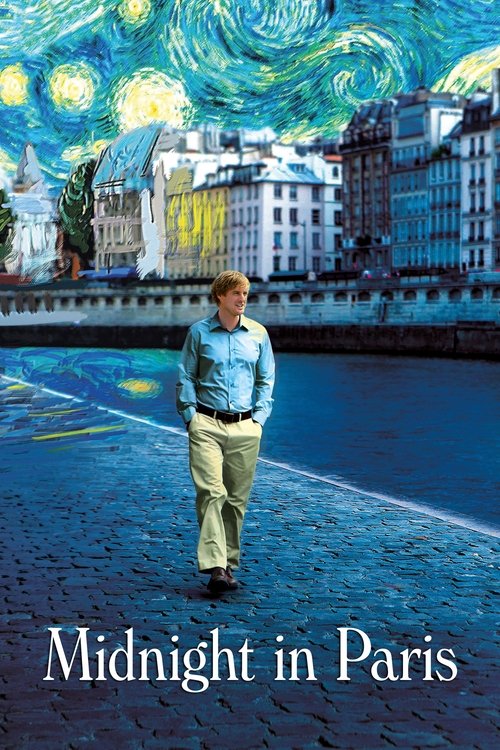
Midnight in Paris2011
Both are products of and meditations on their own historical moment—Popeye was made in the Depression and radiates 1933, while this film is obsessed with the 1920s from a 2011 perspective. Both ask: what do we love about the past?
Owen Wilson slips into 1920s Paris and meets the real artists of the era—including Salvador Dalí and Gertrude Stein. It's about the hunger to live in a golden age you've idealized. Like Popeye, it's about the power of an era that has already gone, and what we project onto it.
But It's a Woody Allen fantasy about privileged people. The nostalgia is self-indulgent and the romance is unconvincing. Some find it insufferably whimsical.
More like this (4)
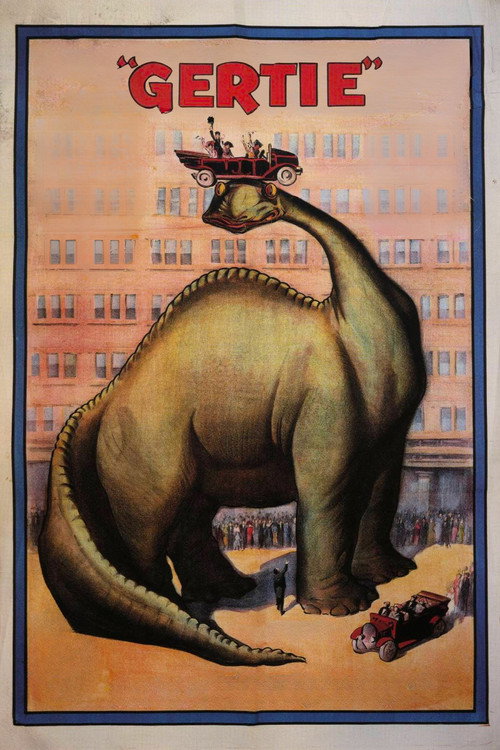
Gertie the Dinosaur1914
Even earlier—pre-Popeye by nearly two decades. Earl Mesmer's pioneering work that showed animation was possible at all. Charming and important, like watching the Wright Brothers fly.
But It's not really a story, just a dinosaur doing tricks for seven minutes. The medium hadn't learned how to entertain yet.
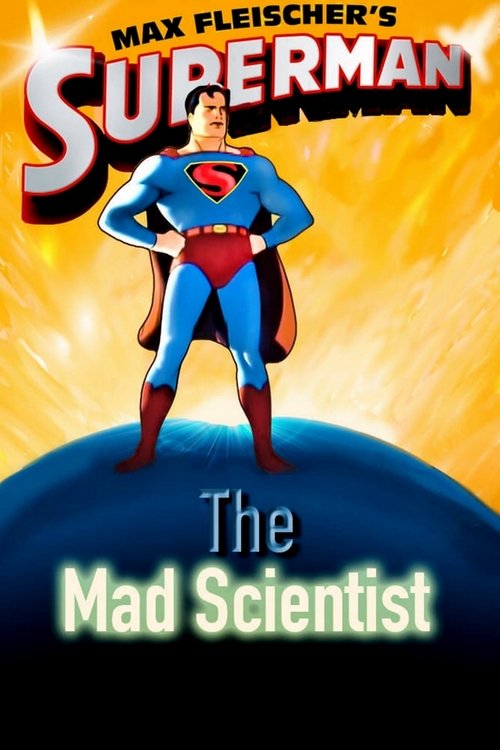
Superman1941
The Fleischer Studios Superman cartoons have a noir atmosphere and a design sensibility that's stunning. Proof that animation could be stylish, not just goofy.
But They're more interested in mood and design than comedy. The stories are paper-thin. The rotoscoped animation is technically impressive but aesthetically cold.
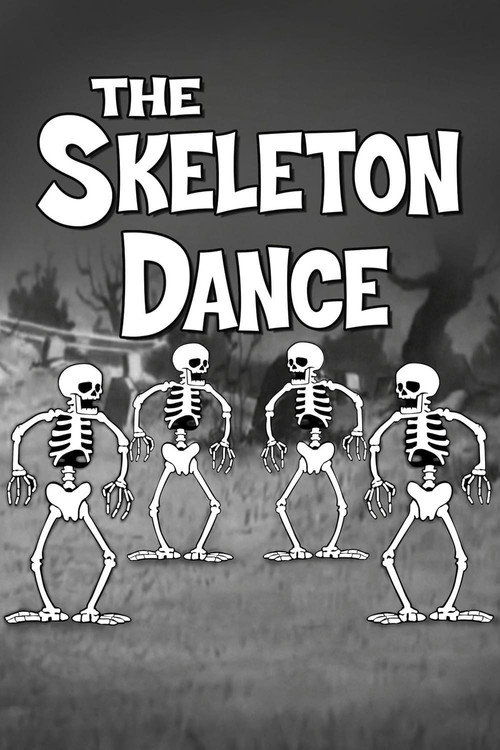
The Skeleton Dance1929
Early Disney, pre-Mickey refinement. Skeletons dance; that's the premise. Pure movement and music, executed with genuine inventiveness.
But Nothing happens. It's a novelty that relies on you finding skeletons novel. The appeal is entirely historical now.
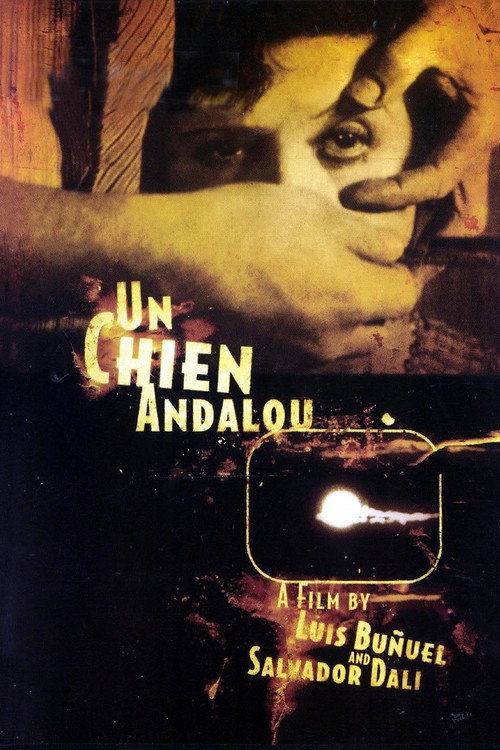
Un Chien Andalou1929
Both are seven-minute films from the early 1930s that reject conventional storytelling entirely, but one's a comedy and one's a nightmare. They show the same moment in cinema going in opposite directions.
Buñuel and Dalí's six-minute surrealist nightmare—made the same year as Steamboat Willie. It's anarchic, dreamlike, and utterly unconcerned with narrative logic. Pure cinema, pure weirdness, pure art.
But There's a scene involving an eyeball that is genuinely disturbing. No plot, no characters you care about, no resolution. It's aggressively inaccessible.
People
Cast
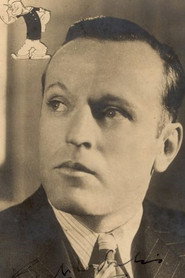 William 'Billy' CostelloPopeye (voice) (uncredited)
- William PennellBluto (voice) (uncredited)
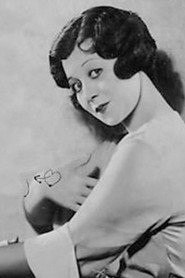 Bonnie PoeOlive Oyl / Betty Boop (voice) (uncredited)
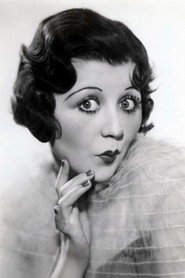 Mae QuestelBetty Boop (voice) (uncredited)