
Film
Neighbours
Other titles called Neighbours: the 1985 series (Prime Video).
- Comedy
- Strange
Norman McLaren's nine-minute masterpiece fuses live-action with stop-motion animation to create something utterly unlike anything made before or since. Two ordinary men fight obsessively over a flower, their violence escalating with surreal, jerky precision. It's a perfect parable about possession and waste, funny and horrifying in equal measure. Essential viewing.
Should you watch it?
Watch it if you are the sort who watches an animation mainly to see how the trick was done, and who enjoys a sly, mostly wordless fable where the technique is the joke.
Skip it if you want characters you can get to know or a story that builds, since this is brief, playful and deliberately mechanical, with little to hold onto beyond its method.
What it asks of you: Nine minutes of close attention to jerky, uncanny movement, with little dialogue to lean on; the rhythm of the frames does the talking, so you need to watch, not half-listen.
Not sure? Find tonight's pick in a minute.
If you liked this
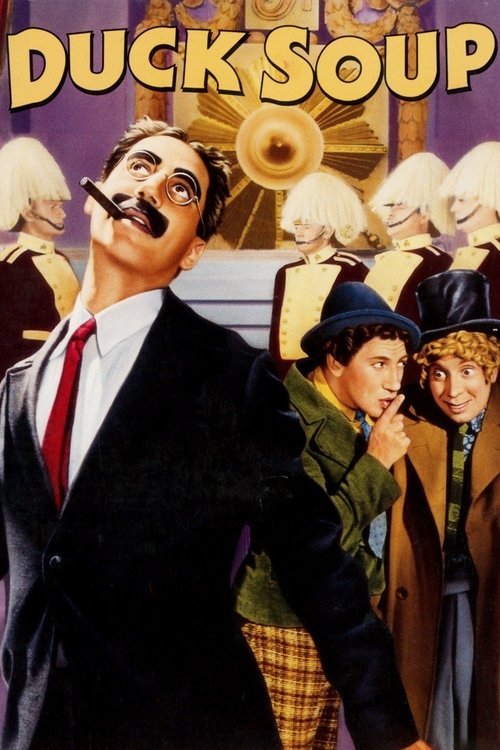
Duck Soup1933
Marx Brothers anarchic chaos that shares Neighbours' dark streak beneath the comedy. Institutions crumble, authority collapses, and the logic of the world inverts. Relentlessly inventive and genuinely subversive.
But The humor is aggressive and the pacing sometimes punishing. It can feel more exhausting than fun if you're not in the mood for deliberate chaos.
Singin' in the Rain1952
Released the same year as Neighbours, it's pure technical virtuosity married to storytelling. If you want to see how the camera and editing can make the impossible feel inevitable, this is it. Joyous and ingenious.
But The lightness and sentiment might feel saccharine if you prefer darker material. It's optimistic in a way that doesn't appeal to everyone.

Ikiru1952
Kurosawa's meditation on mortality and meaning shares Neighbours' quiet tragedy beneath its surface. A man confronts what matters in life. It's devastating precisely because it moves slowly and lets you feel the weight.
But The pacing is deliberate and the mood unrelentingly somber. If you need plot momentum or escapism, this will feel glacial.

Not sure tonight? Get a pick in a minute, starting from Neighbours
The wildcard
Something you would not have found on your own.
The Phantom Carriage1921
Both use their formal techniques—animation, special effects—not to entertain but to externalize internal and moral states. Reality bends when ethics are at stake.
Swedish supernatural silent film where time and morality refuse to behave rationally. Like Neighbours, it uses visual effects not for spectacle but to make philosophical ideas tangible and unsettling. Hypnotic and strange.
But The pacing is glacial by any standard. It's long, bleak, and requires patience with silent-film acting conventions. The supernatural framework might feel overwrought.

More like this (8)
The Cabinet of Dr. Caligari1920
German Expressionist landmark that, like Neighbours, bends reality to match inner states. Distorted sets and dream logic create unease. Visual storytelling at its most powerful, completely without dialogue.
But The acting style is theatrical and broad by modern standards. The narrative is fragmented and sometimes cryptic, which alienates viewers who want clarity.

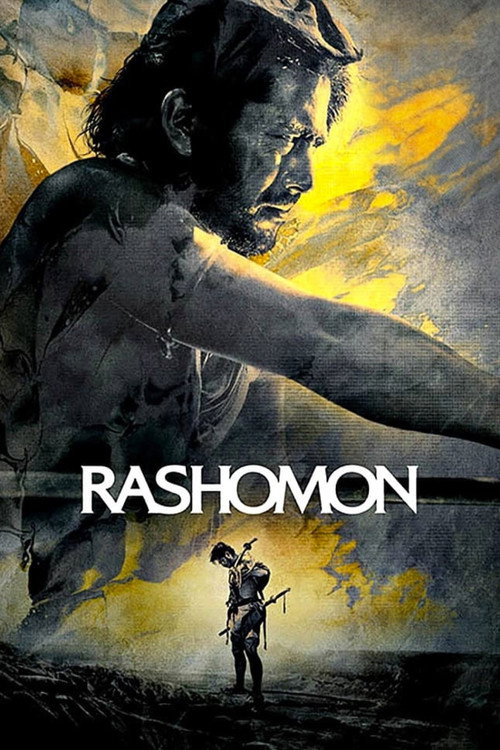
Rashomon1950
Kurosawa's examination of truth and perspective through competing narratives. Like Neighbours, it suggests that violence and possession are products of how we see the world. Formally inventive and philosophically rich.
But The circular structure means it doesn't resolve neatly. Some find the ambiguity frustrating rather than thought-provoking.
M1931
Fritz Lang's exploration of justice, mob mentality, and who gets to judge. The tone swings between procedural and expressionistic horror. It argues for complexity in a world that wants simplicity—very much Neighbours' project.
But It's a film about child murder, so the content is grim. The pacing in the second half drags as the trial extends, testing patience.

Bicycle Thieves1948
Neorealist masterpiece about a man and his son searching for a stolen bike. Like Neighbours, it's about obsession with objects and how desperation corrupts. Devastating in its ordinariness and human detail.
But Nothing spectacular happens. If you want action or plot reversals, the simplicity can feel slow. Some find the ending unbearably sad rather than moving.

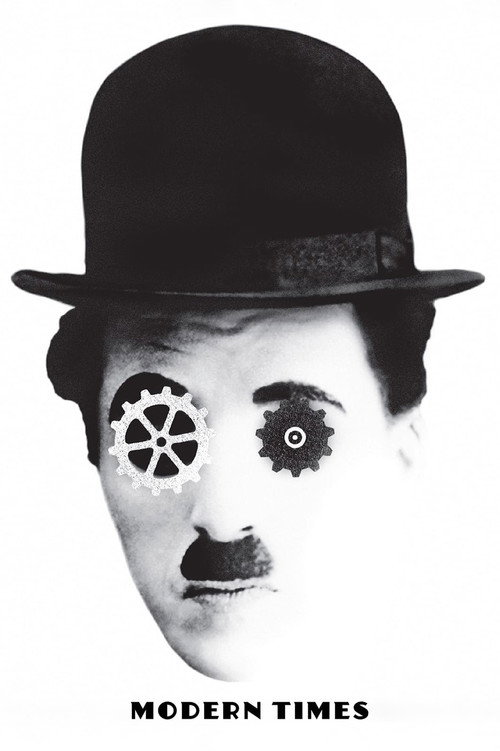
Modern Times1936
Chaplin's comic meditation on industrialization and what machines do to humans. Neighbours echoes its dark absurdism—both use visual gag logic to explore serious themes. Funny and upsetting at once.
But The satire can feel heavy-handed now. Chaplin's sentimentality in the final scene turns some viewers off after the sharper stuff.
Battleship Potemkin1925
Eisenstein's revolutionary masterpiece about montage and how editing creates meaning. Neighbours uses similar principles—jerky animation makes us feel the characters' distorted logic. Essential viewing for understanding how cinema works.
But It's a Soviet propaganda film, and the political content is relentless. The experimental style can seem dated if you're accustomed to conventional cutting.

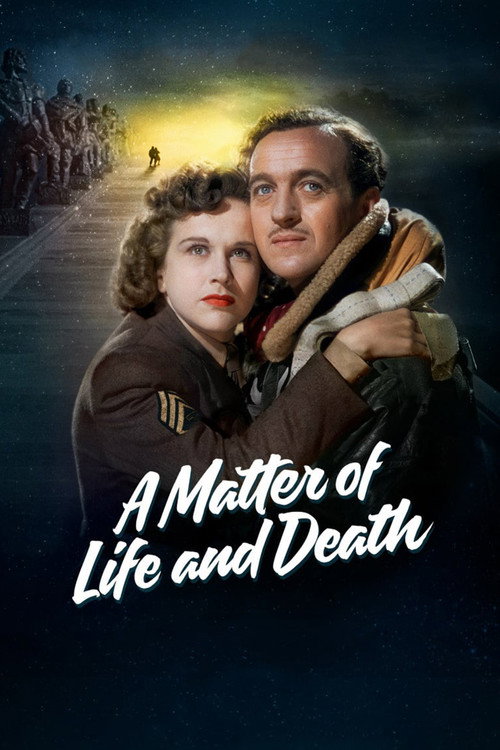
A Matter of Life and Death1946
Both take an impossible premise—animation of actors, a trial in heaven—and use it to ask whether systems of justice can account for human contradiction and desire.
Powell and Pressburger's ravishing film about a pilot who should be dead arguing for his life in a celestial court. Neighbours also presents a trial of sorts, a judgment on human nature. Visually baroque where Neighbours is spare, but equally philosophical.
But It's sentimental and romantic in ways that undercut the intellectual argument. The ethereal sequences feel fussy to viewers who prefer restraint.
Come and See1985
Both compress escalation into their runtime and use formal technique to create moral horror. In both, the form IS the content: the way things break down mirrors the breakdown of restraint and humanity.
Elem Klimov's Soviet war film that documents a boy's spiritual annihilation during the Nazi invasion. Like Neighbours, it escalates inexorably from ordinary to apocalyptic. Uses sound, image, and editing to make violence feel inescapable and obscene.
But It's genuinely traumatic to watch. The violence is relentless and not cathartic. This is not entertainment; it's an endurance test that many will find unwatchable.

People
Cast
- Grant MunroNeighbour on the Right
- Jean Paul LadouceurNeighbour on the Left
Recommended by
Deck the Halls, Steamboat Willie, A Colour Box, The Skeleton Dance, An Optical Poem, Come Back to Sorrento