
Film
An Optical Poem
- Musical
- Light-hearted
- Strange
A seven-minute abstract film from 1938 that visualizes Liszt's Second Hungarian Rhapsody through pure geometric shapes and colour. Circles, squares, and triangles pulse and drift across vivid backgrounds in rhythmic sync with the music, creating a hypnotic synesthetic experience. It's a visual poem for anyone curious about how animation began, or what happens when you trust colour and movement to carry emotion instead of narrative.
Should you watch it?
Watch it if you love abstract animation that treats music as something you can watch, and you're happy to let shapes pulse in time with a Liszt rhapsody without needing a story.
Skip it if you want characters, a plot, or anything to hold onto beyond shapes, since this offers only a short abstract pattern and will feel thin.
What it asks of you: Seven minutes of close attention, mostly constant motion, with no slowing down to explain itself; you simply sit with the rhythm.
Not sure? Find tonight's pick in a minute.
If you liked this
Fantasia1940
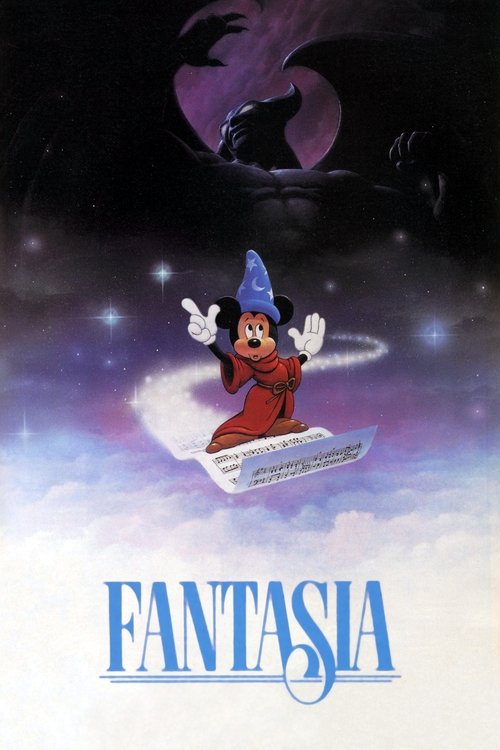
Disney's feature-length answer to the same question: can animation and classical music create pure visual music without plot? Stunning sequences, particularly the dinosaurs and the sorcerer's apprentice, that still dazzle.
But Some segments haven't aged well, and the middle sags. Seventy-five minutes is a commitment for a concept that works better in shorter doses.
Neighbours1952
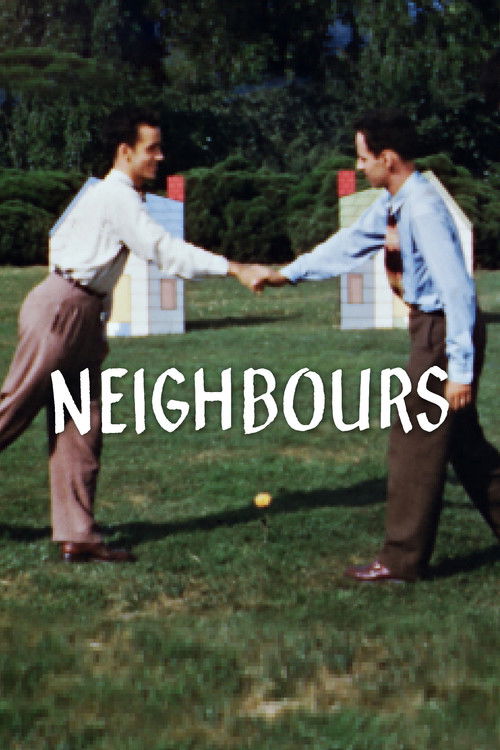
Norman McLaren's six-minute masterpiece: two men in identical suits wage war over a flower, shot in stop-motion. Abstract yet visceral, funny and heartbreaking, it proves animation can say more with less.
But The violence—even though it's cartoonish—might feel gratuitous if you're in the wrong mood. It's a dark joke, not escapism.
Begone Dull Care1949
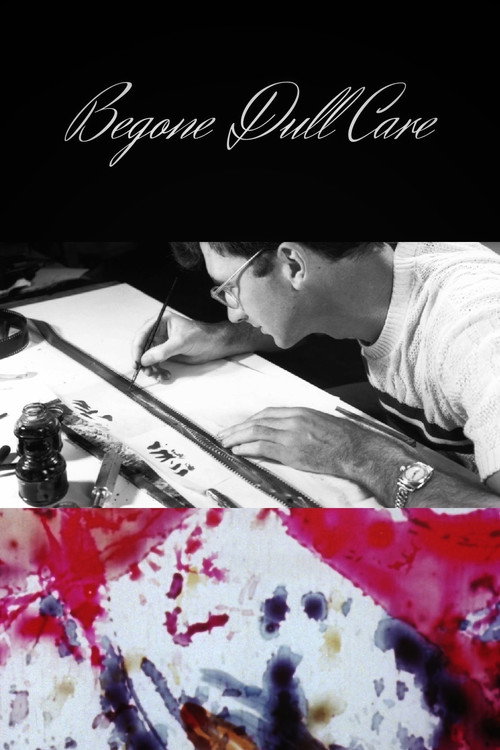
McLaren again, painting directly onto film stock to visualize Oscar Peterson's jazz trio. Hypnotic, joyful, and technically extraordinary. Five minutes of pure visual rhythm meeting musical rhythm.
But No narrative hook whatsoever. If you need a story, this will feel like watching a screensaver, however beautiful.
Not sure tonight? Get a pick in a minute, starting from An Optical Poem
The wildcard
Something you would not have found on your own.
Synecdoche, New York2008
Both treat the world as pure form and pattern. Music becomes shape becomes meaning. The emotional content lives entirely in the grammar of movement and colour, not plot.
Charlie Kaufman's feature film about a theatre director creating a vast replica of New York inside a warehouse, choreographing life as if it were performance art. Uses scale, colour, and repetition like An Optical Poem uses shapes—the visual language becomes the meaning.
But 168 minutes of deliberate, crushing abstraction. The protagonist's life spirals toward despair. It's a museum visit to your own mortality, not entertainment.

More like this (5)
Meshes of the Afternoon1943
Maya Deren's experimental masterpiece: a woman follows her own doppelgänger through a house, each repeated action fractured and dreamlike. Silent but sonically intense in memory. Foundational to avant-garde cinema.
But Fourteen minutes that feel deliberately obtuse. If you go in expecting clarity, frustration wins. You have to surrender to the rhythm.

A Colour Box1935
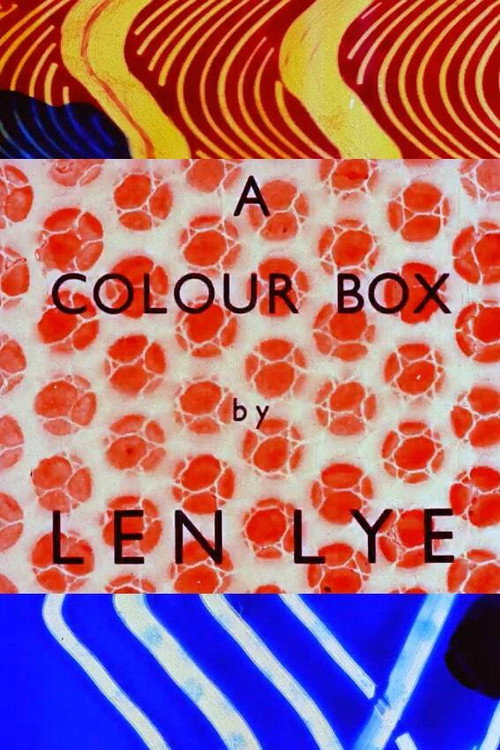
Len Lye's three-minute explosion of hand-painted abstractions timed to a toe-tapping song. Joyful, playful, and technically revolutionary. Proof that animation's real power is liberation.
But So cheerful it borders on saccharine if you're not in the mood. The music will get stuck in your head for days.
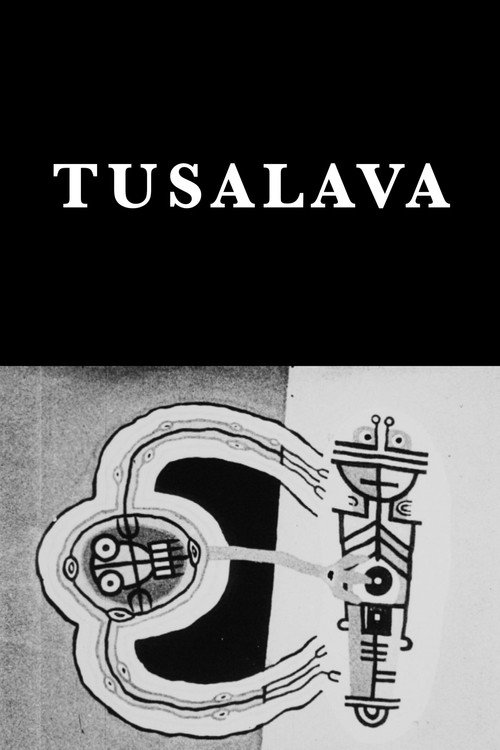
Tusalava1929
Len Lye's earlier, wilder experiment: abstract animated forms pulsing in black and white to a phonograph recording. Raw, urgent, utterly original. A secret history of cinema.
But Six minutes of flickering abstraction in monochrome. It's genuinely challenging to watch and deeply weird by today's standards.
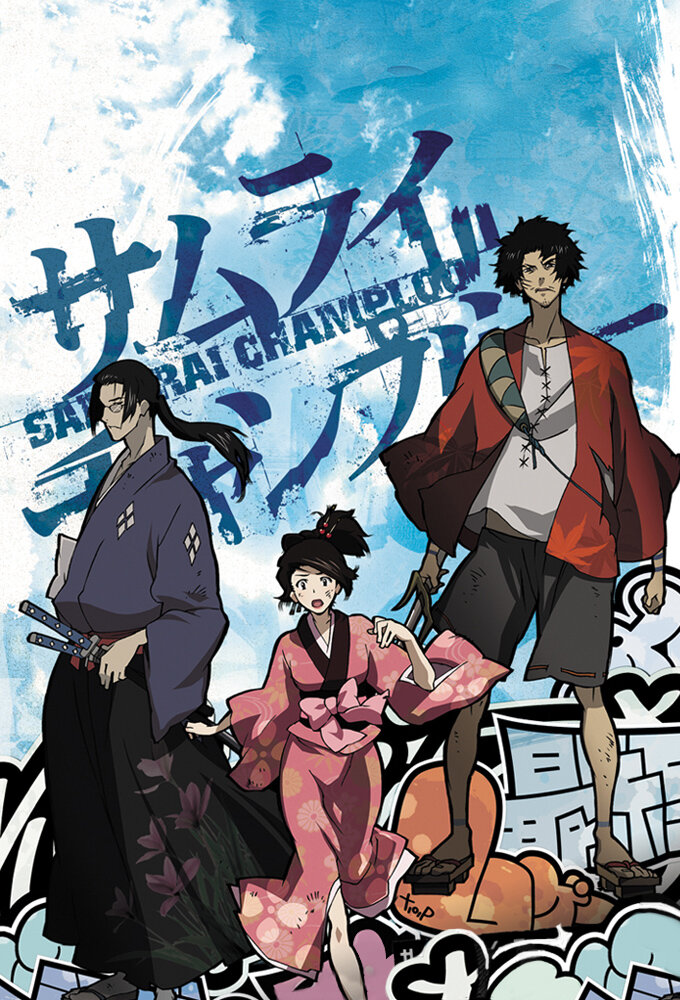
Samurai Champloo2004
Like An Optical Poem, it refuses to subordinate music to image or image to music—they're equal partners in meaning. Form and content are married so tightly they can't be separated.
A Edo-period samurai anime scored with hip-hop, where each episode's narrative bends to match the musical and visual mood. Animation itself becomes choreography. Twenty-six episodes of anachronistic, rhythmic genius.
But The plot is gossamer-thin and often nonsensical. If you need classical narrative structure, you'll spend episodes frustrated at the detours.
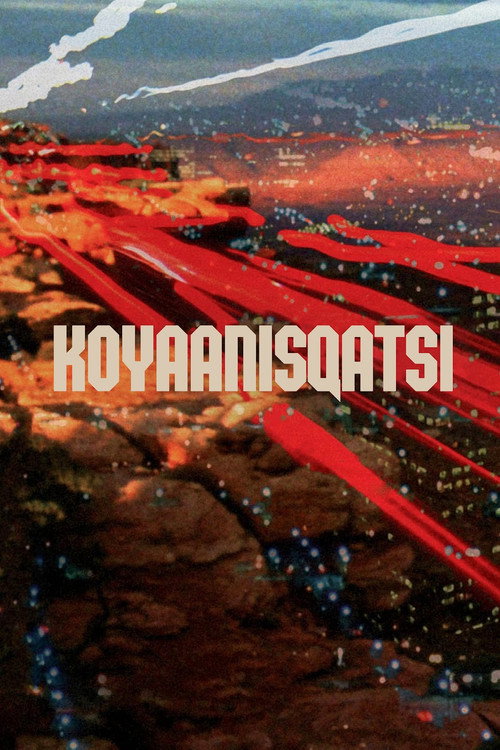
Koyaanisqatsi1983
Both reject narrative entirely and instead let repetition, acceleration, and colour convey feeling. Both trust the audience to surrender to pattern and rhythm as a form of meaning-making.
Ninety minutes of time-lapse and slow-motion footage of landscapes, cities, and people, set to Philip Glass's escalating minimalist score. No narration. Pure audiovisual argument about modern life as rhythm and pattern. Hypnotic, devastating, utterly original.
But There's no story, character, or conventional drama. If you need traditional cinema, this is visual medication, not narrative. Some find it pretentious; some find it essential.
People
Directing
- Oskar FischingerDirector