
Film
Tusalava
- Strange
Tusalava is a nine-minute abstract animation from 1929 that traces the evolution of life itself—from single cells to complex organisms—through avant-garde visual metamorphosis. Split-screen compositions show forms in positive and negative, interpenetrating and transforming. It's hypnotic, strange, and demands patience; a pure expression of early modernist cinema's ambition to visualize the invisible.
If you liked this
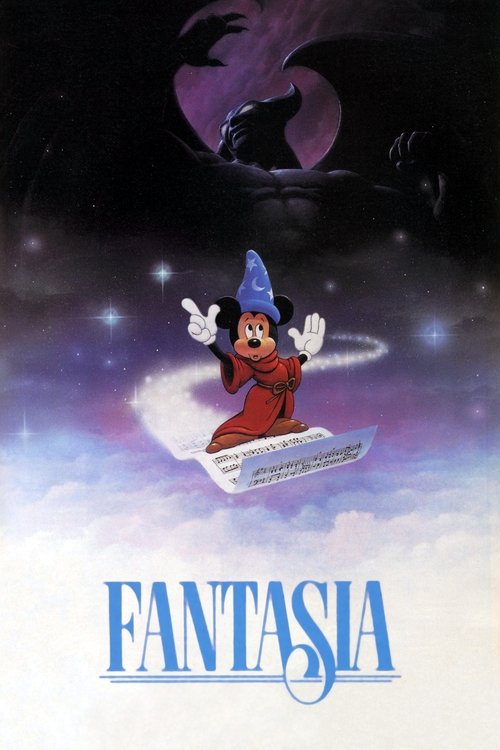
Fantasia1940
Disney's simultaneous experiment in abstract animation set to classical music. Like Tusalava, it trusts pure visual abstraction to convey complex ideas without narrative—though Fantasia is far more accessible and gorgeously rendered.
But Much longer than Tusalava, and the figurative sections undercut the abstraction. Some find it overlong, and its classical music approach feels very different from silent cinema's visual purity.
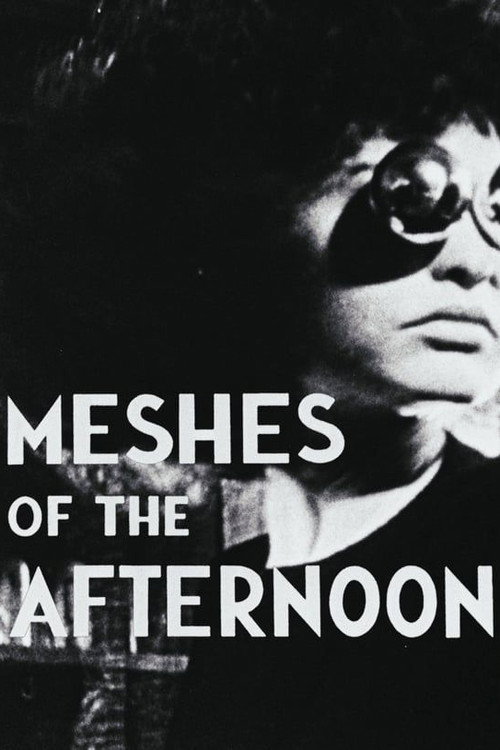
Meshes of the Afternoon1943
Maya Deren's 14-minute experimental masterpiece uses split screens, metamorphosis, and visual repetition to explore consciousness. It shares Tusalava's commitment to form over narrative and its fascination with transformation.
But Even more abstract and dreamlike than Tusalava, with no evolutionary narrative to hang onto. The repetitive structure can feel monotonous if you're not prepared for pure visual meditation.
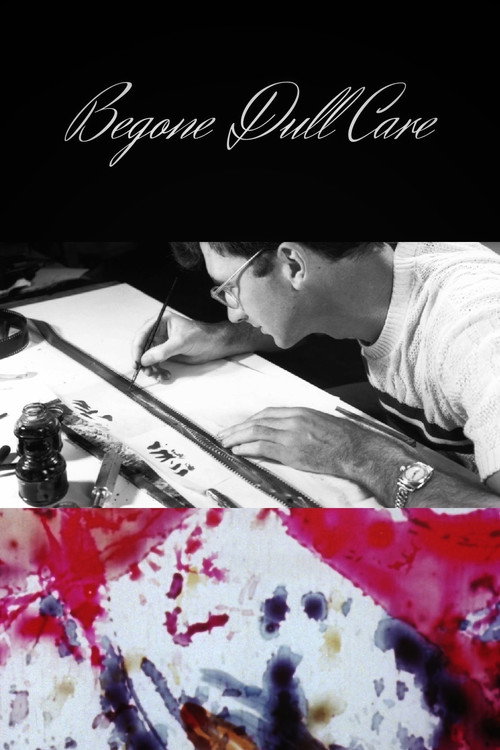
Begone Dull Care1949
Norman McLaren's abstract animation, hand-painted directly onto film stock, shows pure form dancing to jazz. The closest match to Tusalava's avant-garde animation spirit, but with colour, movement, and a joyful energy.
But Very short (five minutes) and entirely non-representational. There's nothing to recognize or hold onto—it's pure aesthetic pleasure, which some find frustrating rather than meditative.
Not sure tonight? Get a pick in a minute, starting from Tusalava
The wildcard
Something you would not have found on your own.
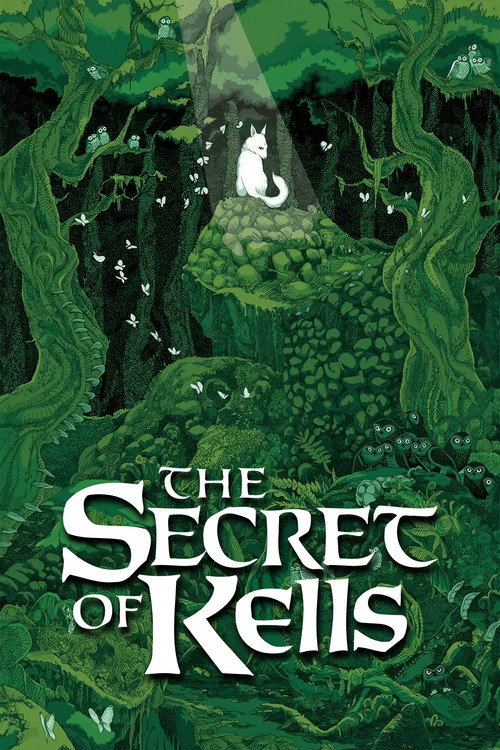
The Secret of Kells2009
Both visualize spiritual transformation through fluid, interpenetrating organic forms. Moore's hand-drawn technique and love of Celtic patterns echo Tusalava's interest in how simple shapes become complex systems.
Irish animator Tomm Moore created a feature about Celtic mythology rendered in intricate, organic illustration. It's Tusalava's visual language—flowing forms, metamorphosis, asymmetrical composition—developed into a full narrative with emotional depth and Irish roots.
But An 80-minute family film with characters and plot. Some find the whimsical tone too gentle, and the narrative structure directly contradicts Tusalava's abstract approach.
More like this (7)
Man with a Movie Camera1929
Dziga Vertov's montage masterpiece arrived the same year as Tusalava and shares its modernist ambition to reveal hidden realities. It's a symphony of urban life told through radical editing and visual invention.
But No narrative, no characters, and the Soviet avant-garde style is demanding. The constant movement and formal experimentation can feel exhausting rather than meditative.

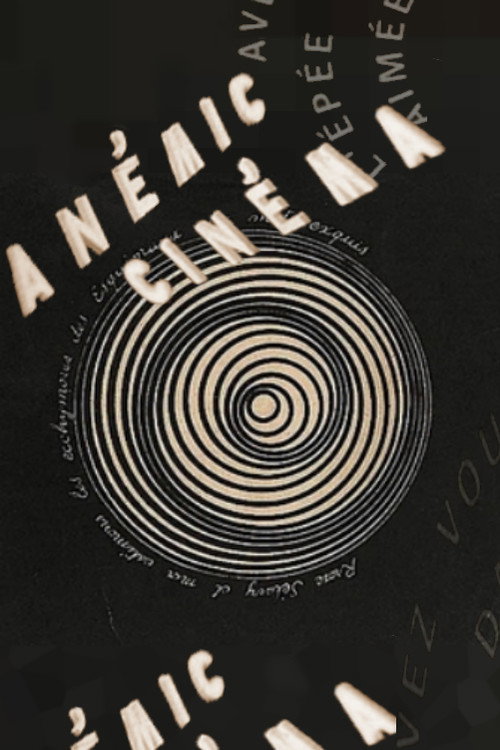
Anemic Cinema1926
Duchamp's three-minute film uses spinning discs and optical illusions to create hypnotic abstraction. Like Tusalava, it's a pure formal experiment that preceded most abstract animation by several years.
But Even shorter and more impenetrable than Tusalava. The rotating spirals are meant to disorient, and some find it more like watching a test pattern than art.
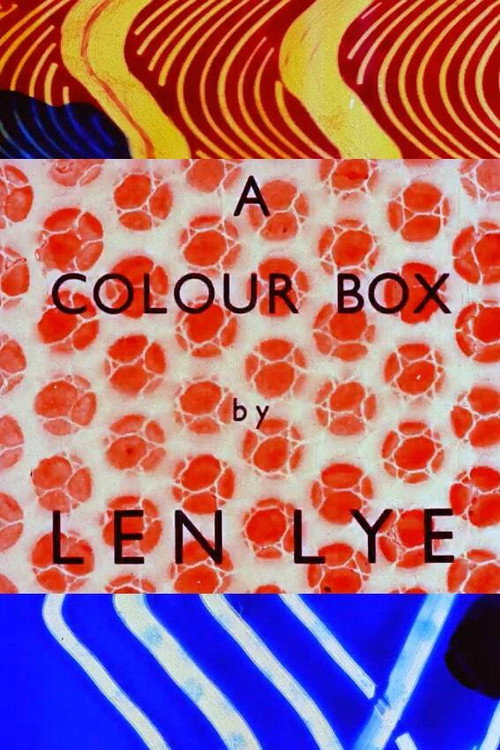
A Colour Box1935
Len Lye's hand-painted abstract film is pure colour, form, and motion synchronized to music. A joyful alternative to Tusalava's darker, more organic vision, but equally committed to non-representational cinema.
But Very short (four minutes) and ornamental rather than conceptual. If you wanted Tusalava for its evolutionary narrative, this offers visual pleasure but no intellectual arc.
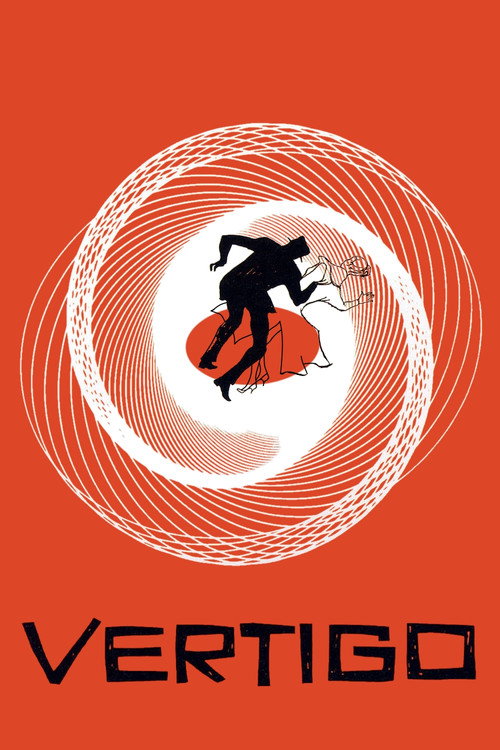
Vertigo1958
Hitchcock's opening credits by Saul Bass use spiralling geometric abstractions to create visual vertigo. It shows how abstract animation technique migrated into mainstream cinema while maintaining formal rigor.
But A thriller with plot, characters, and psychological horror—the opposite of pure abstraction. The connection is technical rather than philosophical; you're watching technique serve narrative.
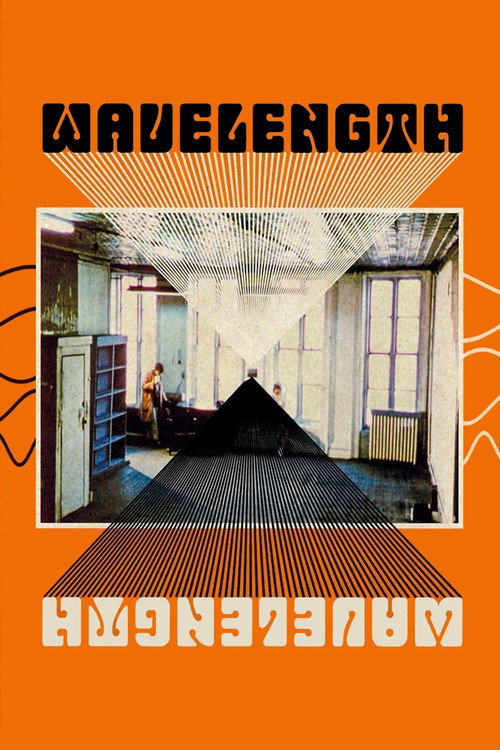
Wavelength1967
Michael Snow's 45-minute zoom into a loft is structural abstraction taken to its extreme: a single formal idea sustained. Like Tusalava, it asks viewers to experience time and form rather than story.
But Much longer and more monotonous than Tusalava, with absolutely no visual interest beyond the zoom. Its conceptual purity is its entire appeal, which is not everyone's evening.
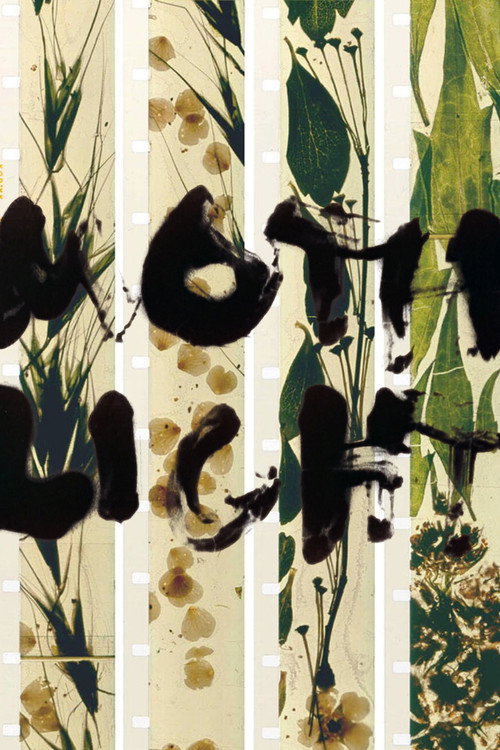
Mothlight1963
Stan Brakhage's three-minute film is made from actual insects and plant matter pressed onto film, creating an abstract tapestry of texture and movement. It shares Tusalava's interest in nature and transformation.
But Extremely abstract and composed entirely of scratched, collaged found materials. There's no form to recognize and the degraded image quality alienates viewers looking for beauty or clarity.
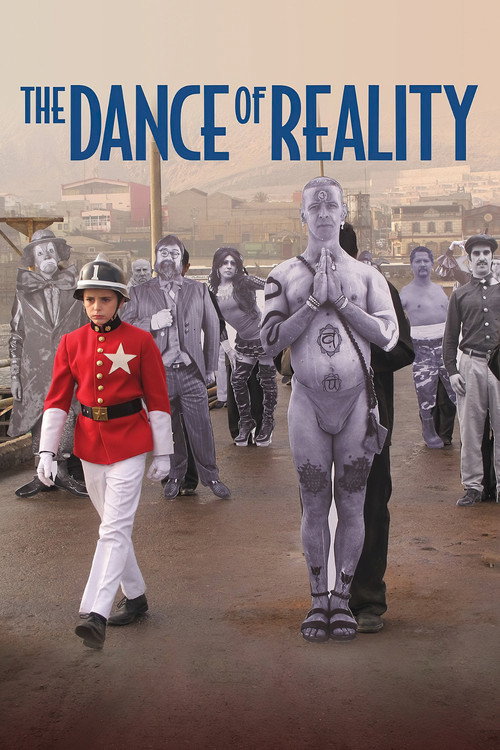
The Dance of Reality2013
Both use metamorphosis and interpenetrating forms to visualize internal states—evolution in Tusalava, memory and consciousness in Jodorowsky. Both trust form over narrative, and both are formally radical rather than comfortable.
Alejandro Jodorowsky's autobiographical film (at age 84) uses vivid color, symbolic abstraction, and surreal metamorphosis to explore childhood, trauma, and spiritual awakening. It's Tusalava's formal language applied to human consciousness and memory.
But 240 minutes of deliberately provocative, sexually explicit, and often brutal imagery. Jodorowsky's maximalist surrealism is the opposite of Tusalava's elegant restraint, and the content disturbs many viewers.
People
Directing
- Len LyeDirector