
Film
Mothlight
- Strange
- Dip in and out
Mothlight is Stan Brakhage's four-minute avant-garde film made by cementing insect wings directly onto celluloid. What emerges is pure pattern and light—no narrative, no dialogue, just the hypnotic flicker of natural geometry. It's cinema as visual music, for viewers hungry for something that rejuvenates how you see.
Should you watch it?
Watch it if you love abstract, handmade films where texture and rhythm do all the talking, the way a flicker of light through leaves can hold your attention far longer than any plot could.
Skip it if you need characters, narrative momentum or any sense of where a film is headed, since this one offers only a rapid stream of fragments with nothing to follow.
What it asks of you: Four minutes of nearly nonstop flicker, with no pauses to catch your breath, so you have to surrender to its speed and let the images wash over you.
Not sure? Find tonight's pick in a minute.
If you liked this
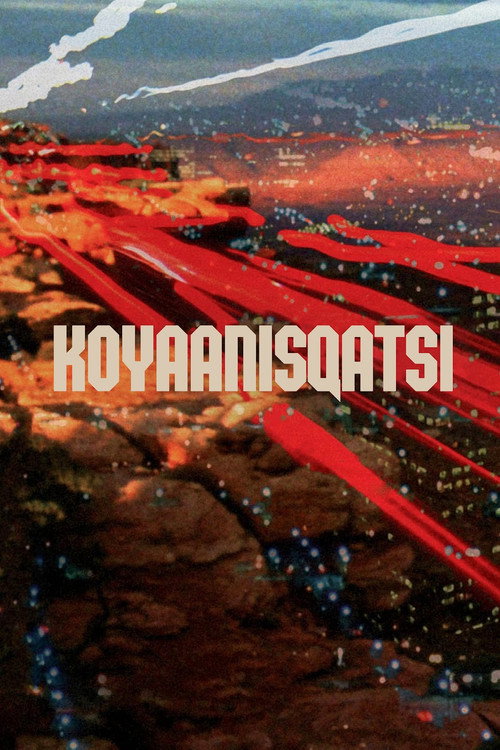
Koyaanisqatsi1983
Godfrey Reggio's wordless meditation on modern life uses time-lapse, slow-motion, and rapid montage to transform the mundane into the transcendent. Like Mothlight, it trusts pure image and sound to move you.
But Nearly 90 minutes of no plot or characters can feel like a test of endurance rather than a pleasure, especially if you need narrative momentum.
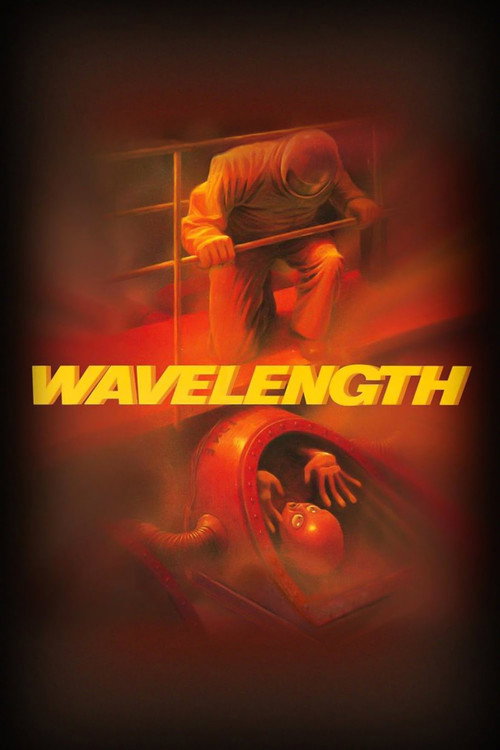
Wavelength1983
Michael Snow's 45-minute fixed-camera zoom into a loft wall is the essentialist answer to Mothlight's essentialist question: what can cinema be if you strip away everything but light, time, and perception?
But It is genuinely boring in the conventional sense. Calling something 'meditative' doesn't change that it requires patience bordering on faith.
Man with a Movie Camera1929
Dziga Vertov's Soviet montage masterpiece turns everyday urban life into pure kinetic poetry. Like Mothlight, it makes you see the world differently through radical formal choices.
But The pacing is relentless and the Soviet ideology is woven throughout. Silent film aesthetics won't speak to everyone.

Not sure tonight? Get a pick in a minute, starting from Mothlight
The wildcard
Something you would not have found on your own.
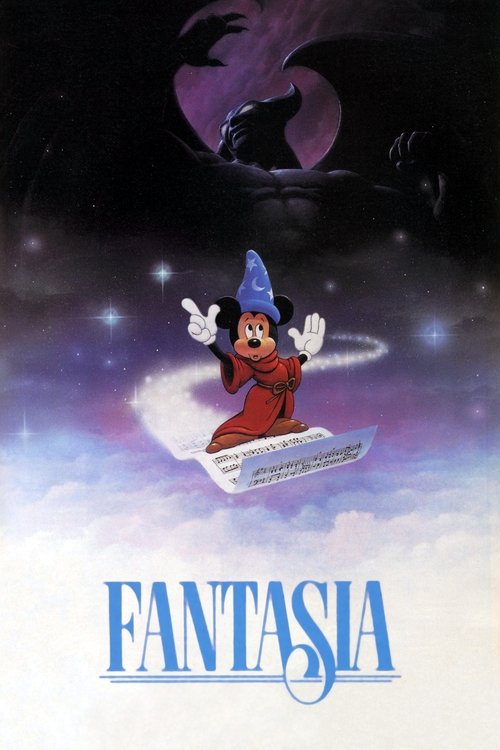
Fantasia1940
Both trust visual abstraction and natural/organic forms to create meaning without narrative. Both ask the audience to simply watch and feel rather than follow.
Disney's most experimental feature marries abstract animation to classical music—no plot, just form and sound in conversation. It's Mothlight's color cousin, equally interested in what happens when image and music are the entire point.
But The second half deflates compared to the first, and some sequences feel precious or dated. The film's length (two hours) tests commitment.
More like this (6)
Sans Soleil1983
Chris Marker's essayistic film poem assembles images from Japan, Guinea-Bissau, and Iceland into a meditation on memory, time, and what cinema can capture. Hypnotic without being abstract.
But It's deliberately fragmented and philosophical. If you want clarity or a coherent argument, you'll be frustrated.

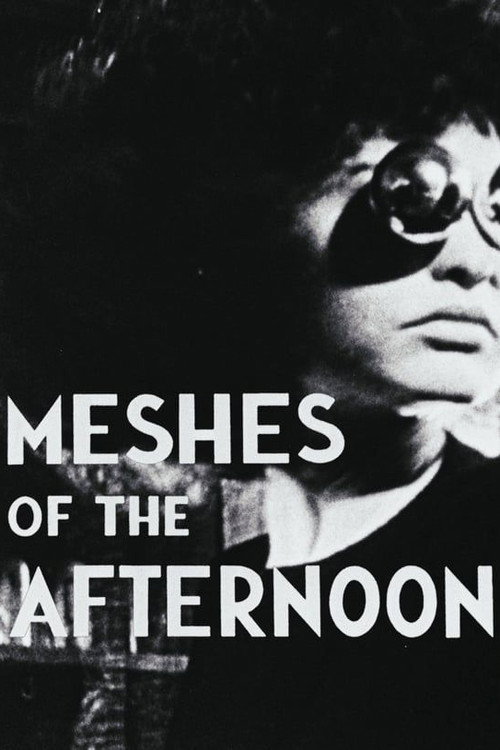
Meshes of the Afternoon1943
Maya Deren's 14-minute proto-feminist surrealist film uses repetition and editing to create dreamlike unease. Dense, symbolic, and technically inventive in ways that still surprise.
But It's encoded in 1940s avant-garde symbolism that isn't spelled out. Repeat viewings help, but not everyone wants to work that hard.
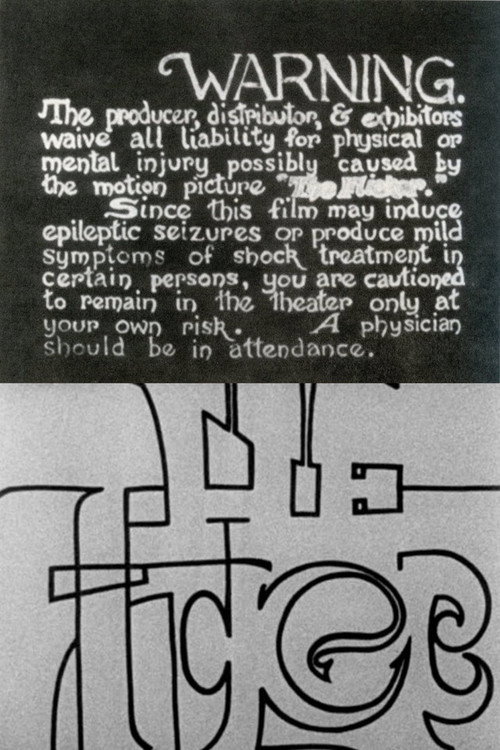
The Flicker1966
Tony Conrad's structural film uses only black and white frames at different speeds to create optical illusion and a kind of visual vertigo. Pure cinema, nothing else. Bewildering and brilliant.
But Four minutes of strobing black and white can induce headaches or vertigo. It's concept over sensory pleasure.
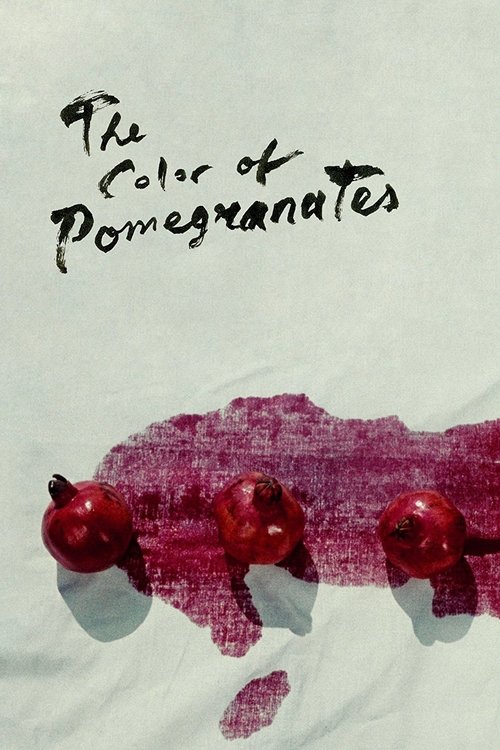
The Color of Pomegranates1969
Sergei Parajanov's wildly colorful, densely symbolic biography of an Armenian poet is like stepping into a painted manuscript. Every frame is a visual artifact, operatic and sensual.
But It's deliberately artificial and baroque, with minimal dialogue and a narrative structure that resists clarity. Ornament overwhelms story for many viewers.
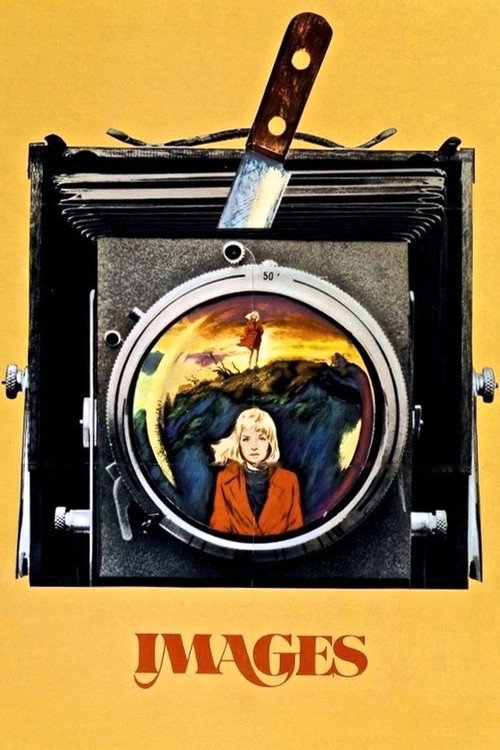
Images1972
Like Mothlight, it uses radical formal choices—fragmentation, abstraction, extreme close-ups—to represent interior reality. Both ask: how can cinema capture what we actually perceive?
Robert Altman's psychological thriller is shot with split-screens, distorted focus, and rapid cutting that feels almost documentary in its disorientation. It's a puzzle-box about perception itself, fractured and unsettling.
But The visual fragmentation is deliberate and alienating. If you want a coherent psychological portrait, you'll find the form frustrating.
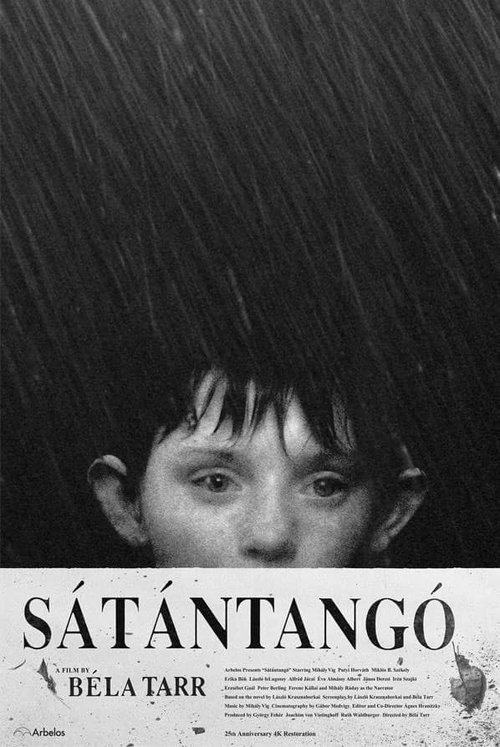
Satantango1994
Both reject commercial cinema's grammar entirely. Both use duration, repetition, and visual austerity as tools for perception itself. Both require viewers to surrender expectation and simply witness.
Béla Tarr's seven-and-a-half-hour black-and-white Hungarian masterpiece moves at a glacial pace, with long static shots of rain, decay, and human despair. It's cinema as endurance, hypnotic and devastating.
But It is punishingly slow. Shot in grayscale. Bleakly philosophical. It demands total commitment and offers no entertainment in the conventional sense.
People
Directing
- Stan BrakhageDirector
Recommended by
Eadweard Muybridge, Zoopraxographer, Don't Let Them In, Tusalava, The Art of Vision