
Film
The Color of Pomegranates
- Biopic
- Strange
- Slow-burning
Sergei Parajanov's 1969 hymn to an 18th-century Armenian poet, told through tableaux vivants and the poet's own words rather than conventional narrative. It's a sensory experience—jewel-toned, dreamlike, composed like illuminated manuscripts brought to life. For those who think cinema can be poetry.
Should you watch it?
Watch it if you care more about painterly images, folk ritual and rich colour than about plot, and you are happy to let a series of living paintings wash over you until meaning arrives sideways.
Skip it if you want clear cause and effect or dialogue-driven scenes, since much of this is static, symbolic staging that can feel like waiting for a point to arrive.
What it asks of you: Eighty minutes, but unhurried; long held frames, little dialogue, and tableaux that reward slow looking rather than following a plot.
Not sure? Find tonight's pick in a minute.
If you liked this
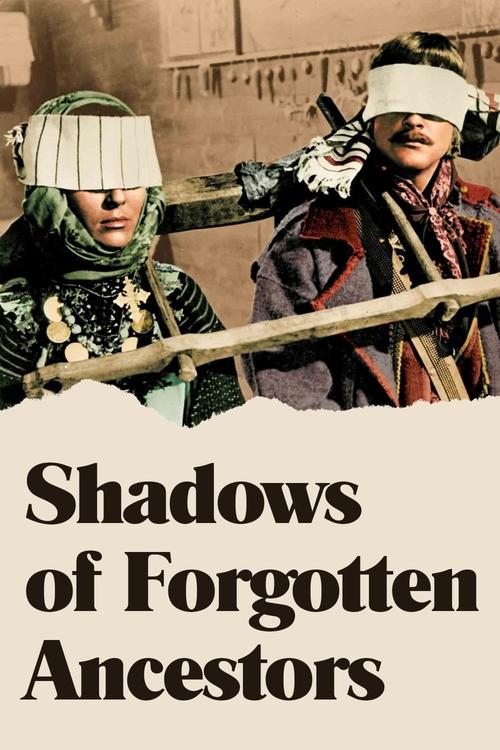
Shadows of Forgotten Ancestors1965
Parajanov's earlier masterpiece, equally visual and rooted in Eastern European culture. If you respond to the colour and ritual of Pomegranates, this folk-haunted tale of love and fate will devastate you.
But Slower and even more resistant to plot momentum. The lyrical density can feel impenetrable if you're looking for narrative drive.
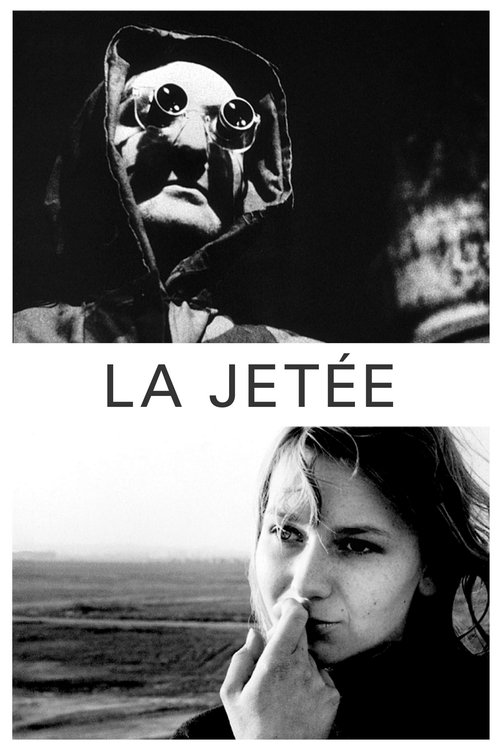
La Jetée1962
Chris Marker's almost-wordless meditation on memory and time, told through still photographs. Like Pomegranates, it treats cinema as a space for poetry rather than action, proving constraint breeds beauty.
But Only 28 minutes, and its science-fiction framework may feel distant from Pomegranates' human intimacy. Extremely austere.
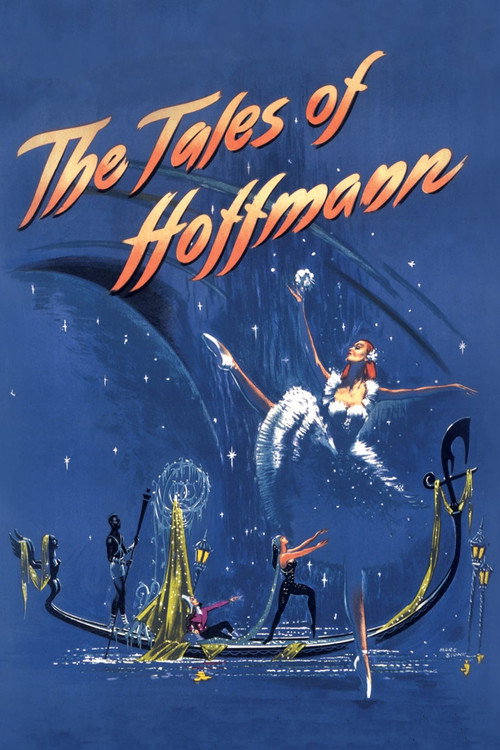
The Tales of Hoffmann1951
Powell and Pressburger's operatic fever dream. Wild colour, composed frames, a story that moves through stylised tableaux rather than naturalism. Cinema as visual music.
But Owes everything to stage design and artifice; if you want grit or realism, this isn't it. The theatrical excess can read as camp.
Not sure tonight? Get a pick in a minute, starting from The Color of Pomegranates
The wildcard
Something you would not have found on your own.
Synecdoche, New York2008
Both are works by auteurs late in career (or at an inflection point) creating a baroque fever-dream about artistic obsession and the impossibility of capturing life, rather than a conventional story. Both trust the image over clarity.
Kaufman's baroque collapse of art and life. Like Pomegranates, it uses theatrical artifice, nested narratives, and the visual weight of accumulated detail to explore how an artist transforms pain into beauty—and at what cost.
But Deliberately confusing; the boundaries between reality and the protagonist's creation blur until they're indistinguishable. It's exhausting and can feel self-indulgent or pretentious.

More like this (8)
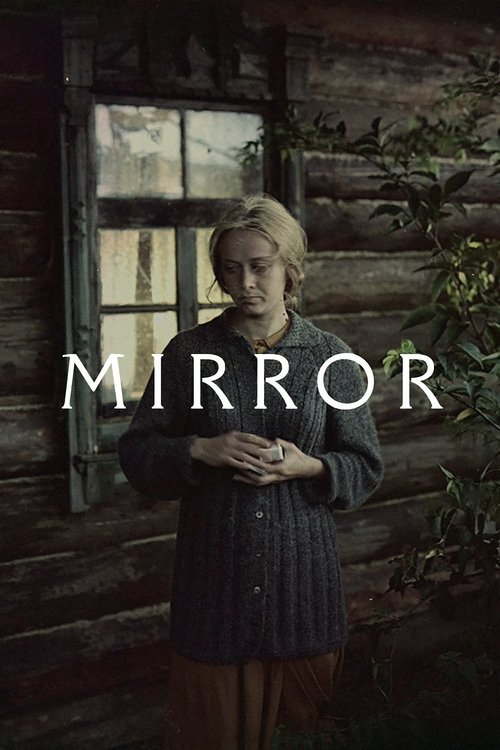
Mirror1975
Tarkovsky's kaleidoscopic autobiography, layering memory, archive footage, and poetry into a kind of visual stream-of-consciousness. Shares Pomegranates' belief that cinema can hold contradictions and dreams simultaneously.
But Actively hostile to conventional narrative logic. Three hours of fragments that demand patience and multiple viewings to yield meaning.
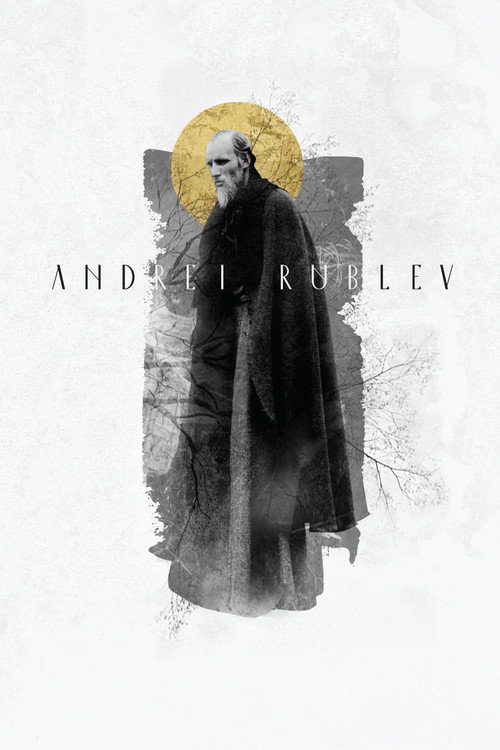
Andrei Rublev1966
Tarkovsky on another Russian artist: a medieval iconographer grappling with faith, creation, and suffering. Epic in scale but meditative; both films see artistic practice as spiritual struggle.
But Nearly three hours of Russian medieval history in stark black and white. The pacing is glacial and historical detail can overwhelm story.
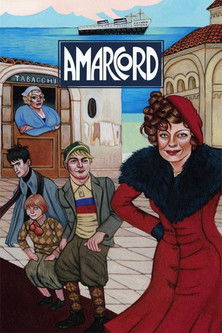
Amarcord1973
Fellini's kaleidoscopic memory-play of Fascist Italy, told in vignettes and visual rhapsodies rather than plot. Celebrates colour, ritual, and the texture of a time and place almost more than character.
But Episodic and loose-jointed. If you need character arcs or emotional payoff, you'll find it frustratingly fleeting and impressionistic.
The Seventh Seal1957
Bergman's medieval morality play about death, faith, and art. Like Pomegranates, it's deeply concerned with how an artist confronts mortality and gives life meaning through beauty.
But Famously bleak and philosophical. The tone is grave throughout; there's no levity, and the questions it asks don't resolve neatly.

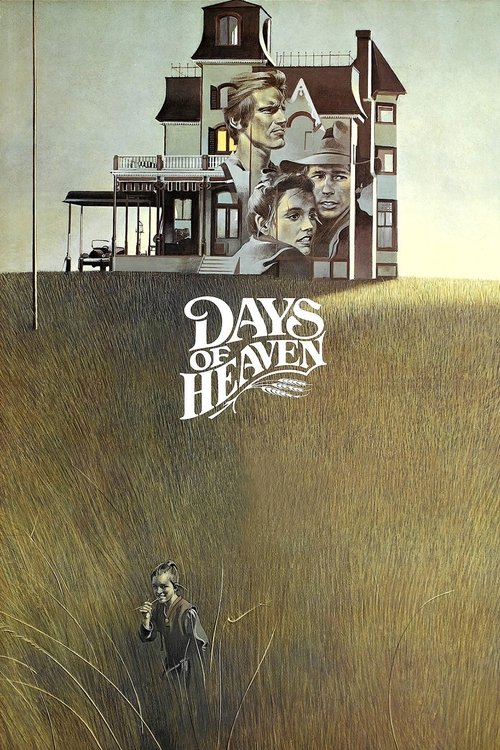
Days of Heaven1978
Malick's visual poem about love and betrayal in Depression-era Texas. Shot as pure light and landscape; narrative takes second place to the texture of experience and the beauty of fleeting moments.
But Whispered, fragmented dialogue that's often inaudible; minimal plot. If you want clarity and connection, the distance can feel alienating.
Stalker1979
Tarkovsky's metaphysical journey into desire and faith. Slow, hypnotic, shot in muted colours that seem to glow from within. A film about the space between words where meaning actually lives.
But Glacially paced; nearly three hours to reach a room. The physics-defying premise asks a lot and gives answers sparingly.

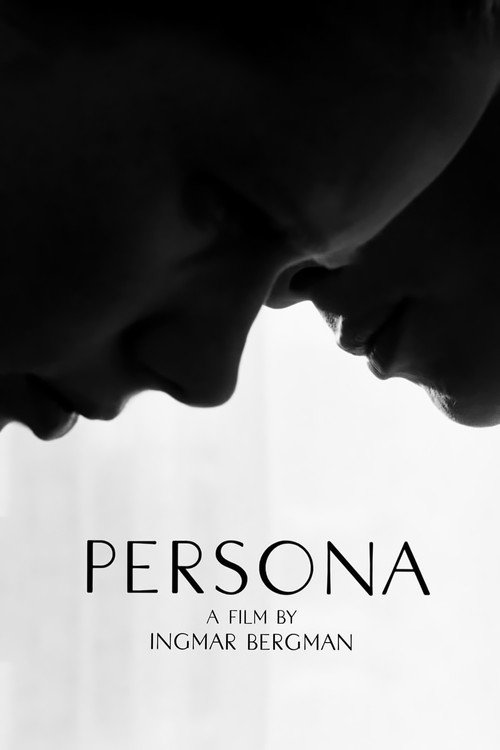
Persona1966
Both films use a single actor (or a handful) playing multiple versions of a self—not in montage but in a kind of spiritual or poetic simultaneity. Both resist the impulse to explain.
Bergman strips cinema down to two faces, white space, and ambiguity. Like Pomegranates, it moves away from narrative realism into something closer to myth or archetype—asking what remains when you remove plot.
But One of cinema's most austere and alienating films. Two women, minimal dialogue, the meanings deliberately occluded. Feels like a puzzle with no solution.
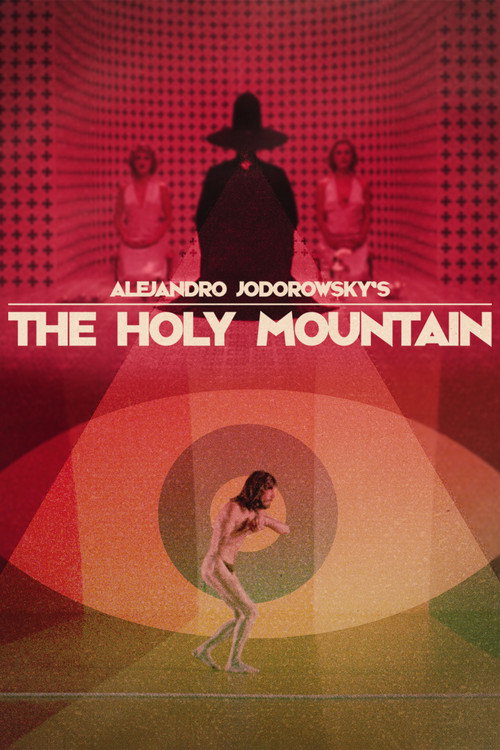
The Holy Mountain1973
Both are films made by visionary directors with deep roots in non-Western spirituality (Armenian, Mexican-Chilean), translating that worldview into pure cinema. Both would be called 'difficult' but are actually extremely sensual and never dry.
Jodorowsky's surrealist spiritual odyssey, shot in overwhelming colour and symbolism. Like Pomegranates, it uses the visual logic of dreams and symbols rather than sense, building a mythology around the search for transcendence.
But Deeply strange, occasionally grotesque, spiritually earnest in ways that can read as absurd. Some of the imagery is genuinely disturbing. No irony, no winking at the audience.
People
Cast
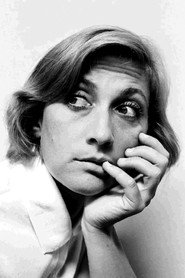 Sofiko ChiaureliThe poet as a young man / The poet's love / The nun in white lace / The angel of resurrection / The mime
- Melkon AlekyanThe poet as a child
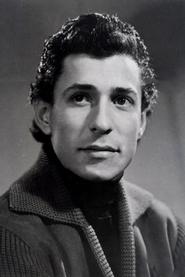 Vilen GalstyanThe poet in the monastery
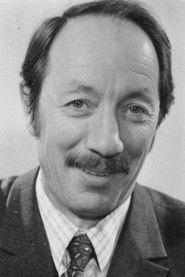 Gogi GegechkoriThe poet as an old man
- Hovhannes MinasyanThe prince
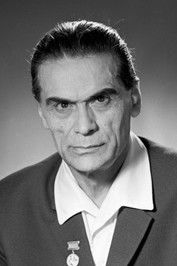 Spartak BagashviliThe poet's father
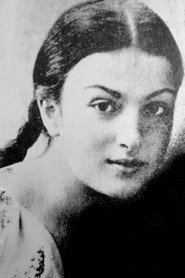 Medea JaparidzeThe poet's mother
Directing
- Sergei ParajanovDirector
- Aram SamvelyanFirst Assistant Director
- Rom. ZhamharyanSecond Assistant Director
Writing
- Bagrat OganesyanScript Editor
- Sergei ParajanovWriter
Recommended by
Ivan the Terrible, Part I, Shadows of Forgotten Ancestors, Arsenal, Mothlight, The Ritual of Color, Sunstroke, Still Processing, Bezhin Meadow: Sequences from an Unfinished Film