Film
The Ritual of Color
- Strange
- Slow-burning
A three-minute experimental essay that deconstructs how film creates color and meaning. It crashes analogue reversal-film chemistry against digital animation in a playful, anarchic collision, asking why we trust cinema's images at all. For viewers who love cinema itself—its tricks, its history, its lies.
Should you watch it?
Watch it if you are fascinated by how film stock itself shapes what we see, and enjoy an essay that argues with its own craft through playful, tactile images.
Skip it if you want a story, characters or any sense of narrative momentum, since this is a brief, abstract argument about colour rather than a plot you can follow.
What it asks of you: Three minutes long and unhurried in its deliberate turns, it wants close, patient looking rather than comfort, and rewards viewers who stay with each frame.
Not sure? Find tonight's pick in a minute.
If you liked this
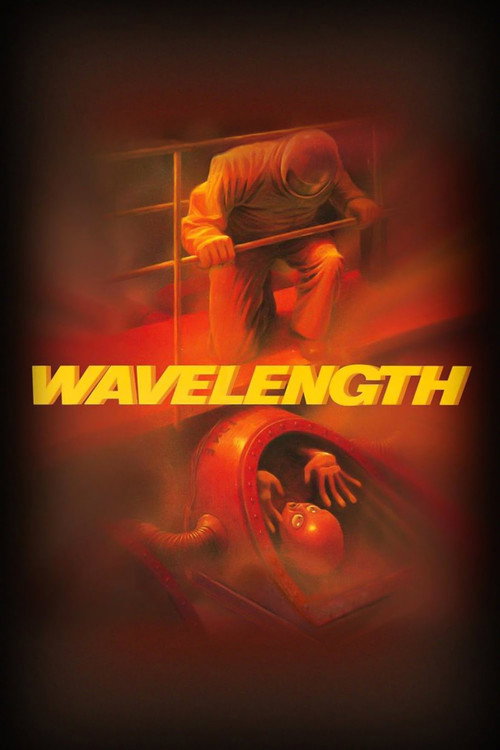
Wavelength1983
Structural masterpiece that makes you feel time and light itself. Forty-five minutes of a single camera movement becomes profound meditation on cinema's essence and your perception of it.
But Deliberately austere. Nothing happens in any conventional sense. Patience is not optional.
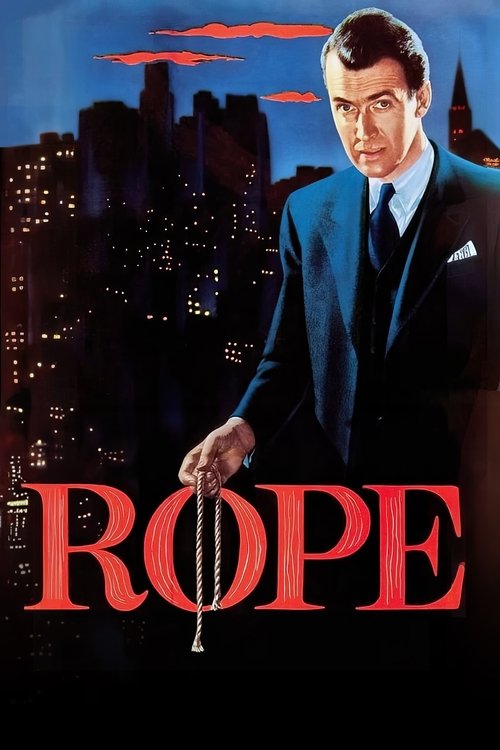
Rope1948
Hitchcock's technical gambit: shot to appear as one unbroken take, the film becomes about how editing creates reality. Brilliant suspense thriller that's also a cinema essay.
But The gimmick occasionally overwhelms the story. Some takes feel artificially padded to hit technical marks.
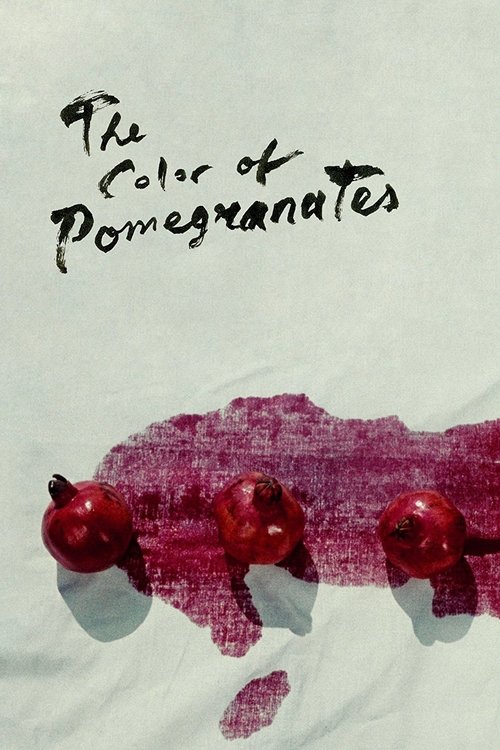
The Color of Pomegranates1969
Sergei Parajanov's baroque biography of an Armenian poet rendered as pure visual composition. Every frame is a painted object; narrative bows to chromatic and material ecstasy.
But Deliberately anti-narrative. If you need plot to follow something, this will feel like looking at photographs rather than watching a film.
Not sure tonight? Get a pick in a minute, starting from The Ritual of Color
The wildcard
Something you would not have found on your own.
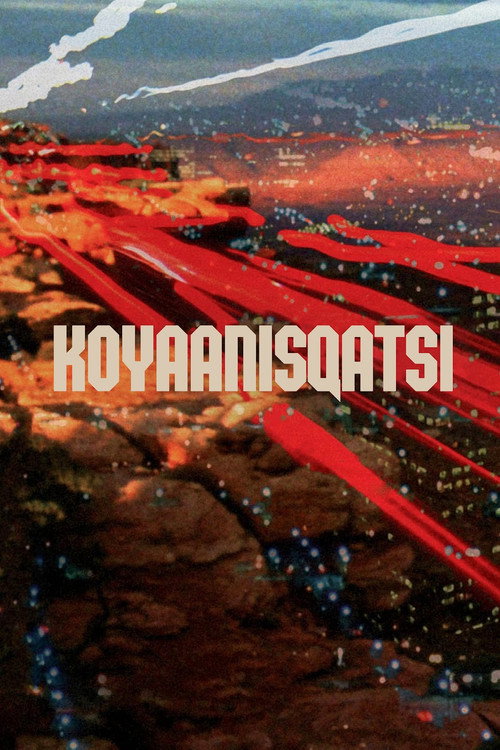
Koyaanisqatsi1983
Like *The Ritual of Color*, it strips cinema to its material essence—in this case, how motion and chromatic composition can carry meaning without narrative scaffolding.
Ron Fricke's non-narrative feature is pure cinema: time-lapse, slow-motion, and color orchestrated to Philip Glass's hypnotic score. No dialogue, no plot—just the materiality of filmed reality becoming music.
But No words, no story, no characters. For 87 minutes you're asked to feel rather than think. Many find it tedious rather than meditative.
More like this (8)
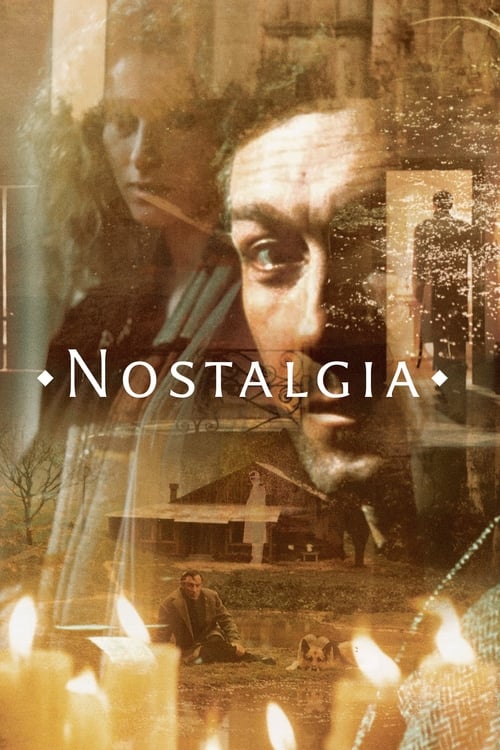
Nostalgia1983
Andrei Tarkovsky meditates on memory, faith, and cinema through a long, hypnotic journey. Color becomes emotional—the palette itself is the message. Spiritually and technically profound.
But 163 minutes of deliberate pacing. 'Slow' doesn't cover it. Requires surrender rather than engagement.
Sans Soleil1983
Chris Marker's essay film collages image, memory, and film stock itself into a meditation on how cinema constructs meaning. Formally inventive and gorgeously strange throughout.
But Fragmented, digressive, sometimes cryptic. The intellectual pleasure is real but not immediate or comfortable.

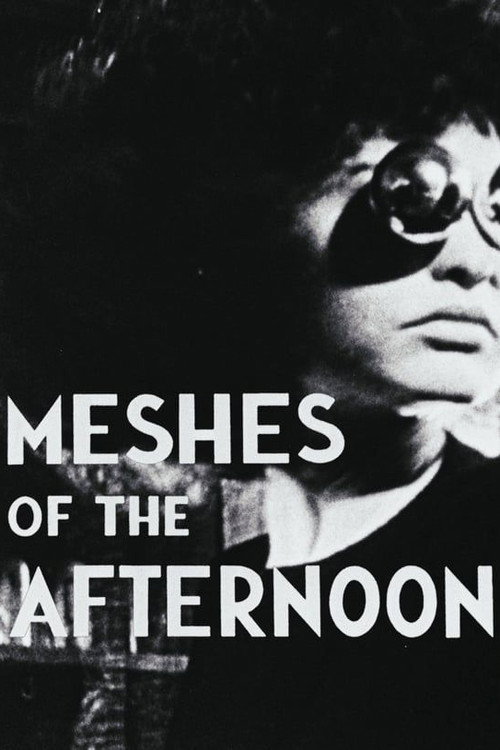
Meshes of the Afternoon1943
Maya Deren's seventeen-minute experimental classic constructs a dream-logic space where camera movement and editing create their own grammar. Foundational and still visionary.
But Very short, very abstract. If you're used to narrative, the dreamlike loop structure may feel like it's not going anywhere.
A Ghost Story2017
David Lowery explores time, loss, and cinema through a ghost wrapped in a white sheet. Formally daring and emotionally devastating—how much cinema can do with so little.
But Deliberately slow and oblique. The central image is stark to the point of alienation. Not a story that moves forward in conventional ways.

Mulholland Drive2001
David Lynch's Hollywood nightmare weaponizes editing, performance, and color to ask what's real in cinema and in memory. Gorgeous, maddening, endlessly readable.
But Two hours and twenty-seven minutes of sometimes incoherent dream-logic. Demands multiple viewings to even begin to parse.

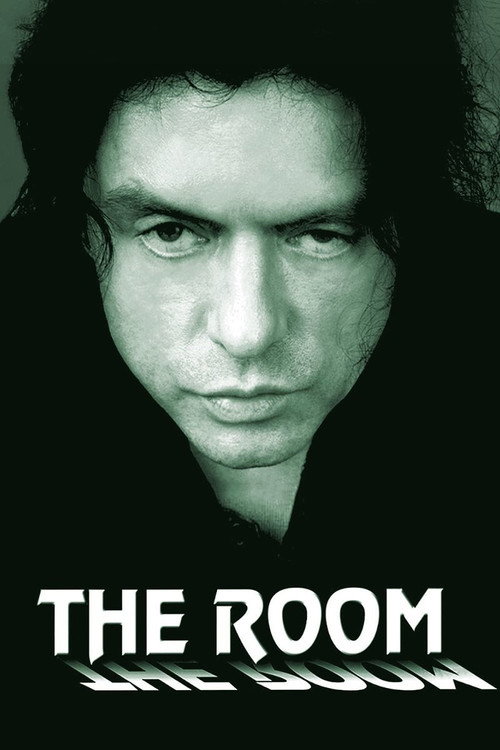
The Room2003
Tommy Wiseau's cult disaster film is a vivid case study in how cinema mishires image and intention. Accidentally profound about authentic failure and the gap between what's filmed and what's meant.
But Genuinely poorly made. Watching it requires a generosity many won't have, and the misogyny isn't redeemed by incompetence.
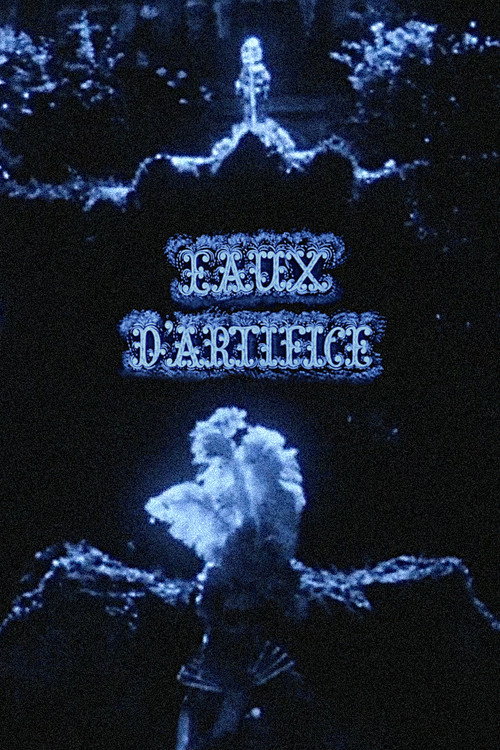
Eaux d'Artifice1953
Both films interrogate how cinema *constructs* spectacle from humble materials—reversal film chemistry and fountains become cosmic through formal manipulation and color.
Kenneth Anger's four-minute film of water fountains becomes abstraction, rhythm, and color study. Utterly minimal subject matter transformed into baroque visual music through editing and Technicolor saturation.
But Four minutes of fountains. The premise sounds trivial. Requires you to accept that cinema can make meaning from pattern and surface alone.
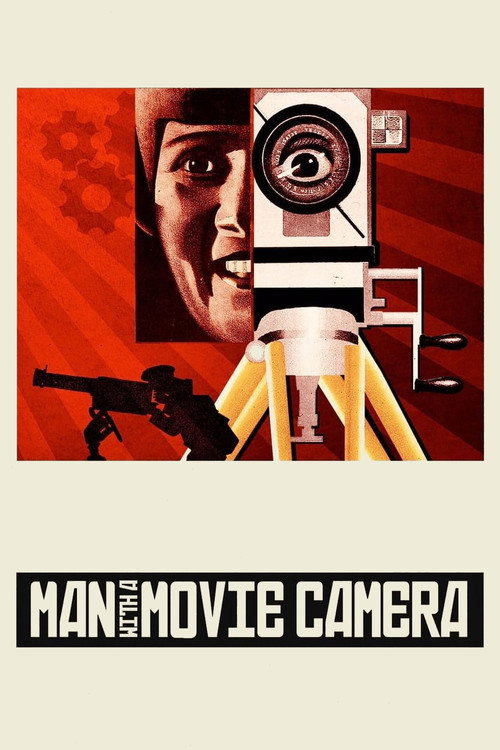
Man with a Movie Camera1929
Both works make cinema's apparatus and process their subject—asking not what film shows us, but how film *thinks*, and what that thinking costs or reveals.
Dziga Vertov's silent Soviet montage manifesto celebrates cinema's own eye. Dizzying, playful editing reveals how the camera creates reality rather than recording it. Revolutionary and joyful about film's mechanics.
But Silent, from 1929, and composed entirely of editing tricks. Without understanding Soviet montage theory, it can feel like a showcase of technique without weight.