
Film
Eaux d'Artifice
- Musical
- Strange
- Slow-burning
A 13-minute film of almost pure visual poetry: a woman in elegant dress moves through the water gardens of Villa d'Este while Vivaldi's Winter plays, lit in deep blues and reds. Fountains, statuary, and flowing water become the entire drama. It's cinema as painting, asking nothing of you but attention and willingness to feel mood rather than follow plot. For anyone who's ever been stopped cold by beauty.
If you liked this
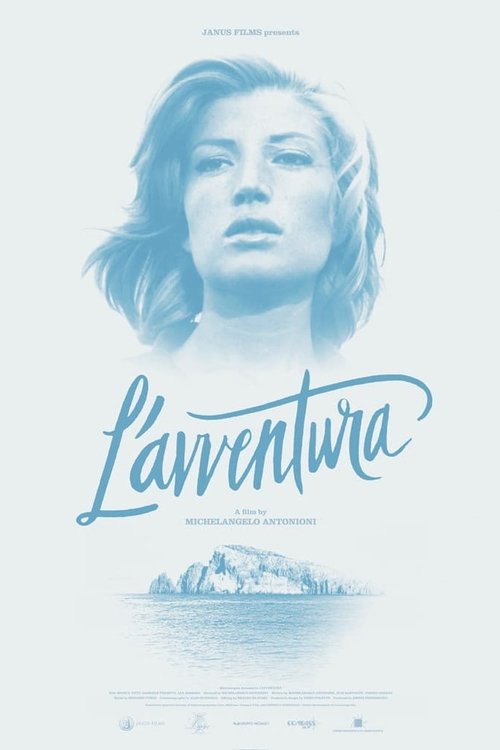
L'Avventura1960
Michelangelo Antonioni's masterpiece moves through landscape and architecture with the same dreamlike patience, finding existential weight in spaces and silences. Visually hypnotic; story secondary to mood and the mystery of human disconnection.
But At 145 minutes it demands real commitment, and the plot—what there is of it—deliberately goes nowhere. Many find it glacial.
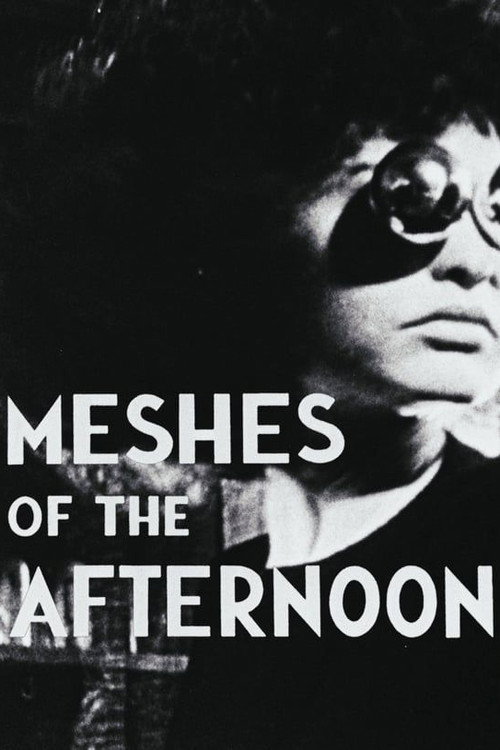
Meshes of the Afternoon1943
Maya Deren's avant-garde landmark is also 14 minutes of pure visual abstraction: a woman moving through domestic space with dream logic and mounting dread. Like Eaux d'Artifice, it prioritizes image, movement, and atmosphere over narrative.
But Experimental cinema from 1943 is visibly experimental. If you need conventional story or dialogue, this will feel impenetrable.
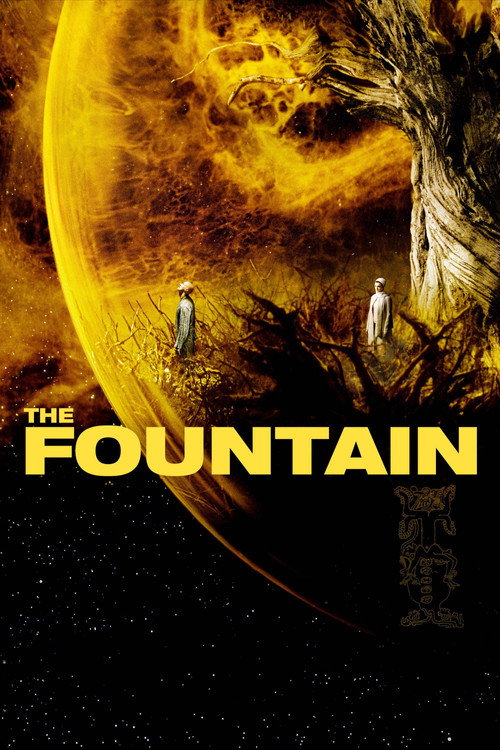
The Fountain2006
Darren Aronofsky's three-timeline epic is obsessed with water, gardens, mortality, and visual transcendence. It's maximalist where Eaux d'Artifice is minimal, but shares that commitment to cinema as pure image and emotion.
But Wildly ambitious and divisive. Some find it pretentious or overwrought; the fragmented structure alienates many viewers.
Not sure tonight? Get a pick in a minute, starting from Eaux d'Artifice
The wildcard
Something you would not have found on your own.
Mountain Men2012
Both are works of visual art cinema that treat a fountain—or water and light—as the entire subject. Both trust silence and beauty to carry meaning.
A two-hour experimental piece of visual theatre by Robert Ashley—wordless, choreographed, built entirely around a central fountain's light, water, and architecture. It's Eaux d'Artifice's spiritual sibling: pure image, pure mood.
But This is video art, not narrative. If you want plot, character, or conventional engagement, this will perplex and bore you.

More like this (8)
Stalker1979
Andrei Tarkovsky's meditative sci-fi film moves through landscapes with the same unhurried grace, finding the sacred in water, light, and silence. Long takes, no rush, total immersion in visual and spiritual space.
But 163 minutes of deliberate pacing. If slow cinema feels like punishment rather than meditation, this won't convert you.

The Red Shoes1948
Powell and Pressburger's Technicolor ballet film is also about the sensuous experience of watching—color, movement, and artistry as subject matter. Deeply visual, architecturally composed, obsessive about beauty.
But The narrative around the dance sequences can feel dated and melodramatic. Some viewer patience required between the visual set pieces.

Mulholland Drive2001
David Lynch builds mystery and mood through architecture, lighting, and composition rather than exposition. Like Eaux d'Artifice, it trusts the image to speak and the viewer to sit with ambiguity.
But Wilfully obscure and structurally fractured. If you need clarity or straightforward narrative, this becomes frustrating.

A Ghost Story2017
David Lowery distills cinema to its essence: a figure in a white sheet, long takes, the passage of time rendered through light and space. Quiet, devastating, utterly committed to mood over explanation.
But Glacially paced and deliberately strange. The sight of the ghost can read as silly if you're not already on the film's wavelength.

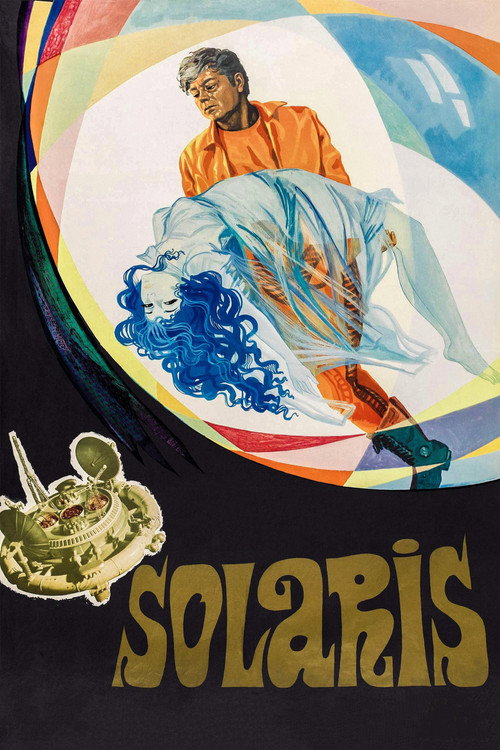
Solaris1972
Tarkovsky again: a meditation on memory and loss set in vast, beautiful spaces. Ponderous, hypnotic, more interested in what you feel than what happens. Water as literal and metaphorical theme throughout.
But At 166 minutes it's a serious commitment, and nothing resembles action. The pacing defeats most viewers within twenty minutes.
Sans Soleil1983
Chris Marker's essay film moves through images of travel, memory, and technology with poetic precision and philosophical depth. Like Eaux d'Artifice, it's primarily visual, trusting the image to convey meaning and emotion.
But Experimental documentary essay with dense, philosophical voiceover. The structure resists conventional understanding; it requires active, attentive watching.

Tokyo Story1953
Contemporary (1953) and both prioritise visual composition and framing over dynamic action or plot momentum. Both ask cinema to work like painting.
Made the same year as Eaux d'Artifice, Ozu's masterpiece uses composition and space—framing, stillness, the geometry of rooms—with exactly the same visual poetry. A story, yes, but told through image alone.
But Minimal plot, extended static shots, no musical score. What narrative exists moves with glacial slowness. Most viewers find it sleep-inducing on first encounter.

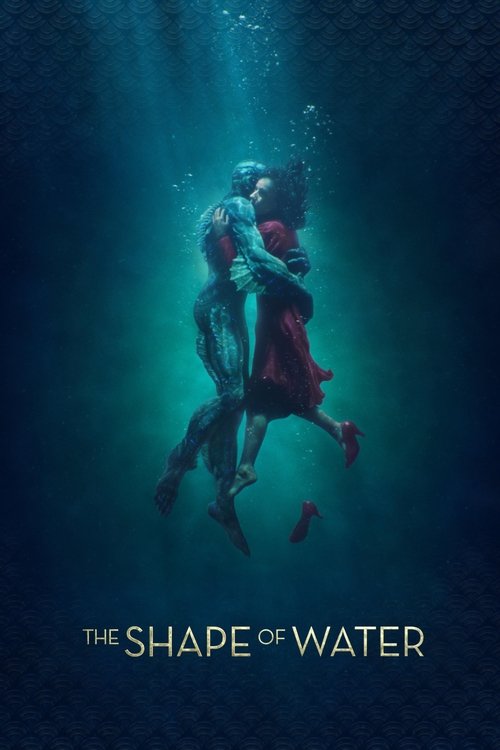
The Shape of Water2017
Both centre a solitary woman moving through water and baroque architecture, lit in heightened colours, scored to Baroque music. One is cinema as art; the other is narrative cinema using identical visual language.
Guillermo del Toro's fairy tale is set in and around water, suffused with baroque production design, Vivaldi, and a mute woman moving through spaces with grace and intention. It's Eaux d'Artifice expanded into a narrative, channelling the same sensuality and visual obsession.
But Romantic fantasy with genre elements; if you came for experimental cinema, this feels conventional and emotionally manipulative by comparison.
People
Cast
- Carmilla SalvatorelliLady (uncredited)
Directing
- Kenneth AngerDirector
Production
- Kenneth AngerProducer