
Film
Bhumika
Bhumika follows a successful film star navigating the glamour and exploitation of 1970s Indian cinema, caught between the characters she plays and her fractured personal life. Smita Patil gives a career-defining performance as a woman slowly consumed by the roles imposed on her. It's a deliberately paced, unflinching portrait of fame's cost—difficult to watch, impossible to forget.
Should you watch it?
Watch it if you enjoy character studies about the price of performing, where the camera stays close to a woman's face while the world around her keeps asking for someone else.
Skip it if you want brisk plotting or a lighter night in; this is slow, talky and stays heavy with its own unease, so the pace may test your patience.
What it asks of you: Settle in for two hours of unhurried, mostly inward scenes; it rewards sustained attention more than quick reactions, and its darkness builds quietly rather than arriving in big moments.
Not sure? Find tonight's pick in a minute.
If you liked this
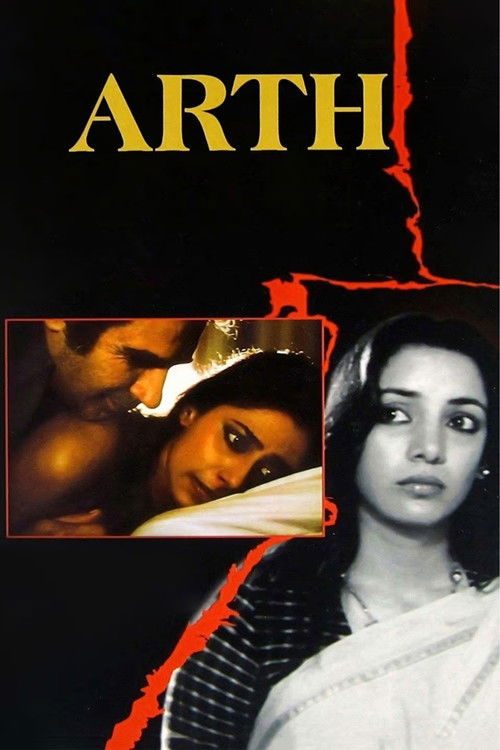
Arth1982
Mahesh Bhatt's exploration of a marriage shattered by infidelity and ambition. Like Bhumika, it uses the film industry as both setting and metaphor for the gap between public persona and private devastation. Featuring a powerhouse performance by Shabana Azmi.
But Bhatt's direction can feel melodramatic by modern standards, and the pacing drags in places. Some will find it dated in its treatment of its female lead.
Udaan2010
Vikramaditya Motwane's debut examines the crushing weight of family expectation and societal performance. Like Bhumika, it's a slow-burn portrait of someone unraveling under impossible pressures, anchored by a quietly devastating central performance from Rajat Barmecha.
But It's relentlessly bleak with minimal plot momentum. If you need narrative propulsion or a hopeful ending, this will feel like watching paint dry in a windowless room.

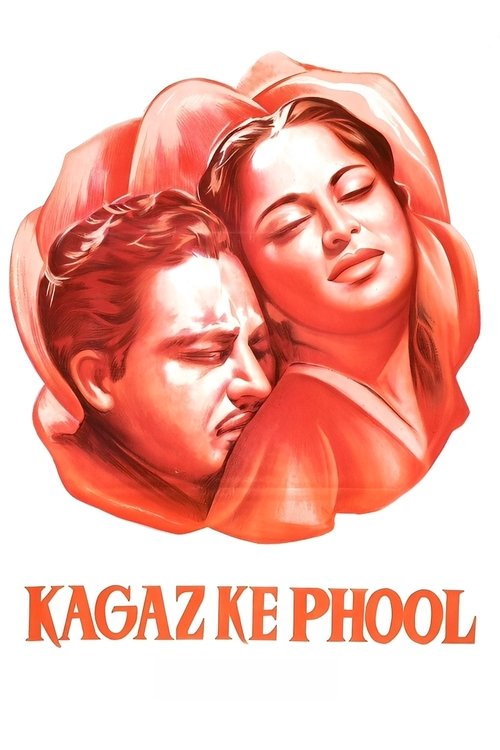
Kaagaz Ke Phool1959
Guru Dutt's masterpiece about a film director's rise and fall shares Bhumika's obsession with cinema's cruelty and the illusion behind the screen. Black and white cinematography and haunting compositions make it a spiritual ancestor to Bhumika's themes.
But Nearly seventy years old and shot in a style very much of its era. The pacing is deliberate to the point of testing. Subtitles required, and the melancholy never lets up.
Not sure tonight? Get a pick in a minute, starting from Bhumika
The wildcard
Something you would not have found on your own.
Eaux d'Artifice1953
Both use cinema's visual language—costume, framing, composition—to explore how performance and identity collapse into each other. Anger does in 17 minutes what Bhumika does in 136: show how looking and being become impossibly tangled.
Kenneth Anger's seventeen-minute experimental film explores performance, identity, and the artifice of image through gorgeously composed shots of a masked figure in Renaissance gardens. Like Bhumika, it's obsessed with the gap between appearance and reality, but achieves it through pure visual poetry rather than narrative. A radical inversion—the cinema as honest lie rather than dishonest truth.
But Seventeen minutes that feel like seventy. Experimental cinema with no plot, no dialogue, and a formal strangeness that will either hypnotize or alienate. The aesthetic is very mid-century avant-garde and deliberately difficult.

More like this (8)
Bazaar1982
Girish Kasaravalli's Kannada film explores ambition and corruption in the film industry with the same unflinching eye. It shares Bhumika's refusal to offer easy answers or redemption, treating its world with anthropological precision.
But A Kannada film from the early 80s: limited availability and no easy access to quality prints. Very slow, very serious, rewards patience but asks for a lot of it.

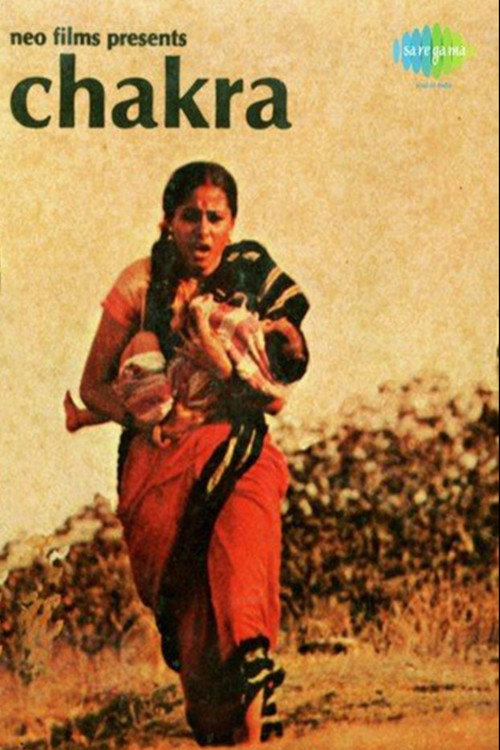
Chakra1981
Another Smita Patil vehicle directed by Ramesh Sippy, exploring cycles of exploitation and victimhood. Patil again delivers a complex, layered performance. A companion piece to Bhumika in examining how women are trapped by systems designed to contain them.
But Less critically acclaimed than Bhumika for good reason—it's more conventional in structure and less formally daring. May feel like a step down if you're coming from Bhumika's uncompromising vision.
Junoon1978
Shyam Benegal's historical drama starring Shashi Kapoor and Smita Patil explores obsession and identity through a love story set during the 1857 Rebellion. Like Bhumika, it's about people consumed by forces larger than themselves, shot with painterly precision.
But Dense, literary, demands active engagement. The historical setting and philosophical tenor won't appeal to everyone, and at 138 minutes it requires genuine commitment.

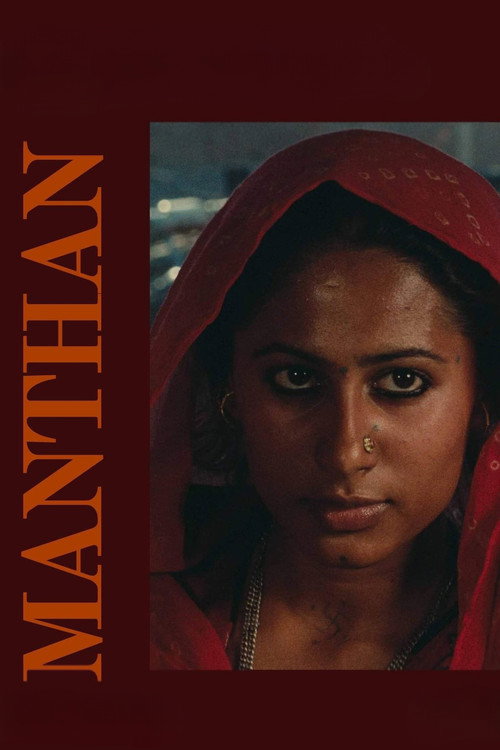
Manthan1976
Shyam Benegal's film about milk cooperatives in rural India may sound unpromising, but it's a humanist masterpiece about identity and labor. Like Bhumika, it observes how people are shaped by the systems they inhabit, with documentary-like rigor and genuine warmth.
But About milk cooperatives. And it's exactly as slow as that sounds. No plot fireworks, just observation. Very 1970s in its earnestness about social issues.
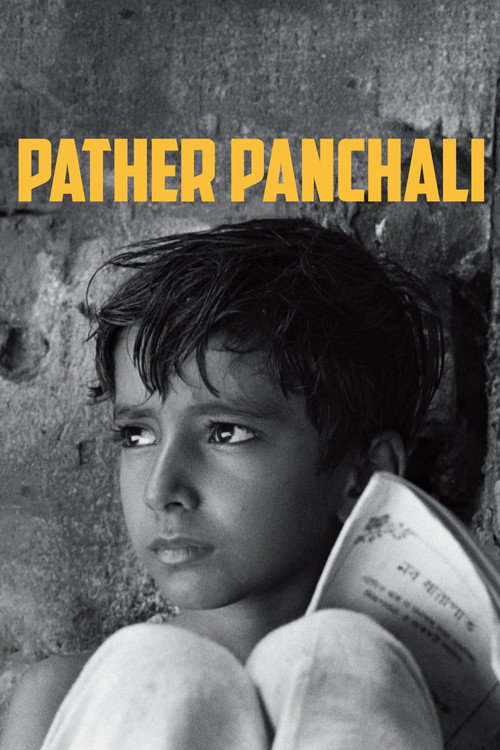
Pather Panchali1955
Satyajit Ray's debut is the foundation stone of Indian cinema's serious artistic tradition. Like Bhumika, it observes everyday life with unflinching compassion, finding depth in seemingly ordinary moments. Essential viewing for understanding the cinema Bhumika emerged from.
But Made in 1955 in Bengali. Nearly three hours, shot in black and white, with a very slow rhythm. If you want plot-driven entertainment, this is the opposite.
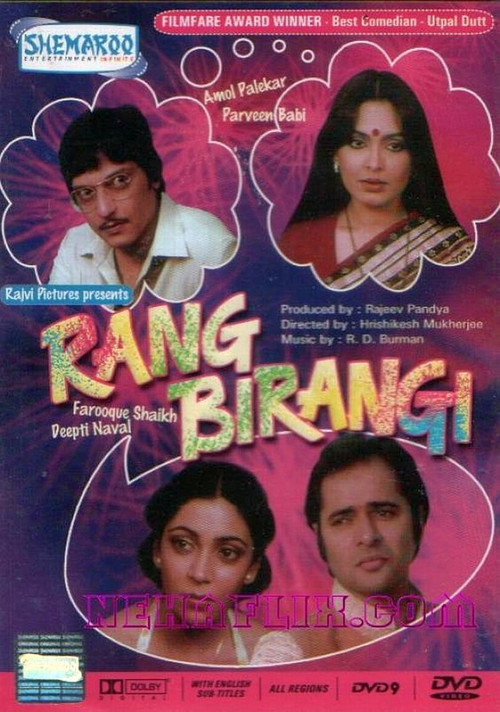
Rang Birangi1983
Ketan Mehta's examination of an actress navigating love, ambition, and compromise in the film world. Less celebrated than Bhumika but sincere in its attempt to dramatize similar terrain with a slightly more accessible approach and Deepti Naval's warm presence.
But Feels minor compared to Bhumika's boldness. More conventional storytelling, less formally adventurous. Unlikely to satisfy if you're seeking something as confrontational and uncompromising.
Chungking Express1994
Both films use the visual grammar of cinema to explore characters fractured by modern life and the impossibility of authentic connection. Where Bhumika uses stillness, Kar-wai uses dizzying motion—opposite tactics toward the same theme of dissolution.
Wong Kar-wai's formally dazzling portrait of two lovelorn cops and a mysterious woman explores alienation and the performance of self in a crowded, neon-soaked Hong Kong. Like Bhumika, it's about people unable to connect, but Kar-wai finds melancholy beauty in fragmentation and visual excess rather than restraint.
But Deliberately disorienting in its editing and narrative structure. The hand-held camera and rapid cutting feel chaotic, not clarifying. Some find it precious or visually exhausting, and the emotional content can feel distant.

Shadows1960
Both films use performance and the camera itself to explore how identity is constantly performed, watched, and unmade by external forces. Both reject conventional narrative in favor of observation and emotional accumulation. Both are about people trapped in roles they cannot escape.
John Cassavetes' jazz-scored improvised drama about three mixed-race siblings navigating identity and belonging in New York. Like Bhumika, it's a character study of people worn down by the world's gaze and expectations. Shot in grainy black and white with an almost documentary immediacy that prefigures Bhumika's aesthetic by nearly two decades.
But Extremely rough around the edges—the acting is deliberately unpolished, the sound recording spotty, the plot minimal. Feels more like eavesdropping than watching a film. Requires patience and tolerance for formal experimentation.

People
Cast
 Smita PatilUsha
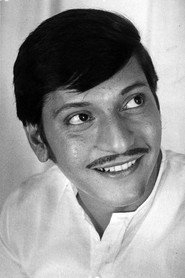 Amol PalekarKeshav Dalvi
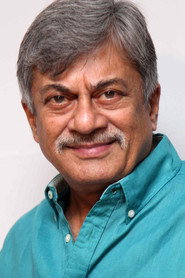 Anant NagRajan
 Sulabha DeshpandeShanta
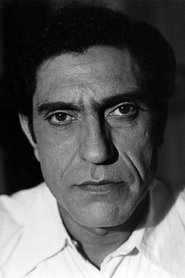 Amrish PuriVinayak Kale
 Naseeruddin ShahSunil Verma
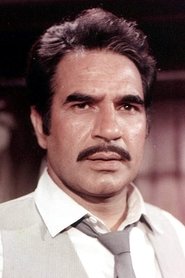 Kulbhushan KharbandaHarilal
- Baby RukshanaYoung Usha
 Kiran VairaleSushma Dalvi
- Kusum DeshpandeShanta's Mother
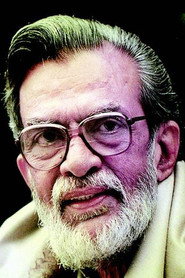 B.V. KaranthUsha's Father
 Dina PathakMrs. Kale
Directing
- Dayal NihalaniAssistant Director
- Manohar B. GhanekarAssistant Director
- Prahlad KakarAssistant Director
- Swadesh PalAssistant Director
- Nira BenegalContinuity
- Shyam BenegalDirector
Writing
- Satyadev DubeyDialogue
- Majrooh SultanpuriLyricist
- Vasant DevLyricist
- Hansa WadkarNovel
- Hansa WadkarOriginal Film Writer
- Girish KarnadScreenplay
- Satyadev DubeyScreenplay
- Shyam BenegalScreenplay
Production
- Fali M. VariavaFinance
- Deepak PrasharLocation Assistant
- Santosh SahLocation Assistant
- Freni M. VariavaProducer
- Lalit M. BijlaniProducer
- N. J. KennyProduction Assistant
- Ravi UppoorProduction Assistant
- Ishwarlal G. SharmaProduction Manager