
Film
Kaagaz Ke Phool
A 1959 Indian masterpiece about a celebrated film director who falls for a struggling actress, told through melancholic flashbacks. Guru Dutt directs and stars in this achingly romantic drama about ambition, desire, and the price of fame. It's gorgeously shot, emotionally devastating, and utterly hypnotic—a film for anyone who loves cinema as much as the characters do.
Should you watch it?
Watch it if you love melancholy Hindi cinema where the camera lingers on faces and the music does the heavy lifting, and you don't mind a story that moves backward through a ruined career.
Skip it if you want brisk plotting or a tidy emotional payoff; this is a slow, sentimental film at 142 minutes, and its romance can feel stagey to modern eyes.
What it asks of you: Patience for a long, deliberate pace and a willingness to sit with sadness; it is unhurried, often wistful, and asks you to live inside its melodrama rather than skim it.
Not sure? Find tonight's pick in a minute.
If you liked this
Sunset Boulevard1950
The definitive Hollywood tragedy about obsession and the machinery of fame. Like *Kaagaz*, it's a gorgeous, bitter love letter to cinema itself, told by a man destroyed by what he created.
But The pacing is deliberate and the mood relentlessly bleak. Some find it more interesting as a historical document than emotionally involving.

The Red Shoes1948
A ravishing film about the collision between art and love, where a dancer must choose between her passion and her heart. The emotional architecture mirrors *Kaagaz* perfectly.
But The dance sequences, while stunning, are very long. The ending is devastating in ways that might feel heavy-handed to modern viewers.

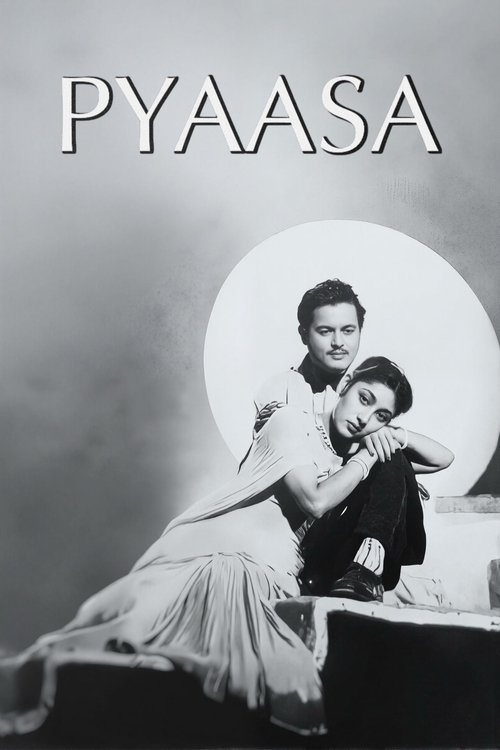
Pyaasa1957
Guru Dutt's earlier masterpiece about a poet struggling against a cruel world. If you're moved by *Kaagaz*, this will wreck you—same director, same melancholy genius, different heartbreak.
But It's in black and white and moves at its own pace. The social criticism is blunt. Hindi cinema of this era demands patience.
Not sure tonight? Get a pick in a minute, starting from Kaagaz Ke Phool
The wildcard
Something you would not have found on your own.
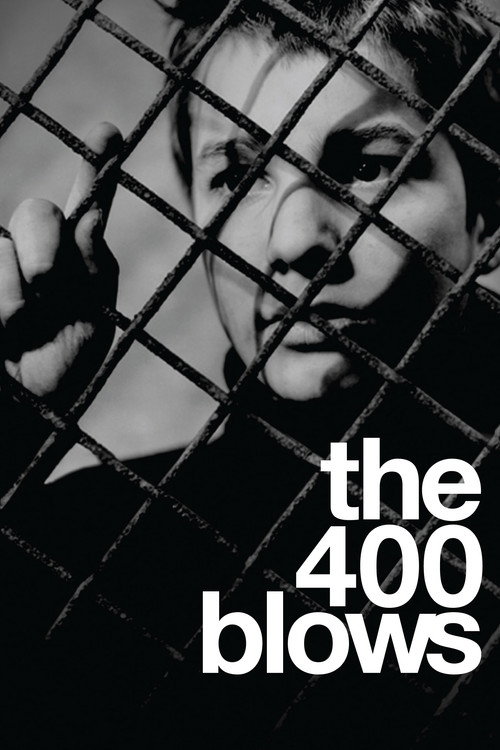
The 400 Blows1959
Both are love letters to cinema hidden inside stories about abandonment. Both use the medium's own language—editing, framing, the director's eye—to express what words cannot.
Made the same year as *Kaagaz*, Truffaut's debut is also about an outsider destroyed by the world's indifference. But where *Kaagaz* is romantic tragedy, this is a child's bewilderment—a mirror, not an echo.
But It's French New Wave, which means it's deliberately anti-cinematic after what you've just watched. The boy's life is messy and unglamorous. The ending is ambiguous in a way that frustrates closure-seekers.
More like this (7)
Brief Encounter1945
Coward's exquisite study of two married people falling in love across chance meetings. It shares *Kaagaz*'s obsession with how desire rewrites a life, told with remarkable emotional intelligence.
But It's stiff and very British. The emotion is entirely interior, which some find frustrating—you have to meet it halfway.

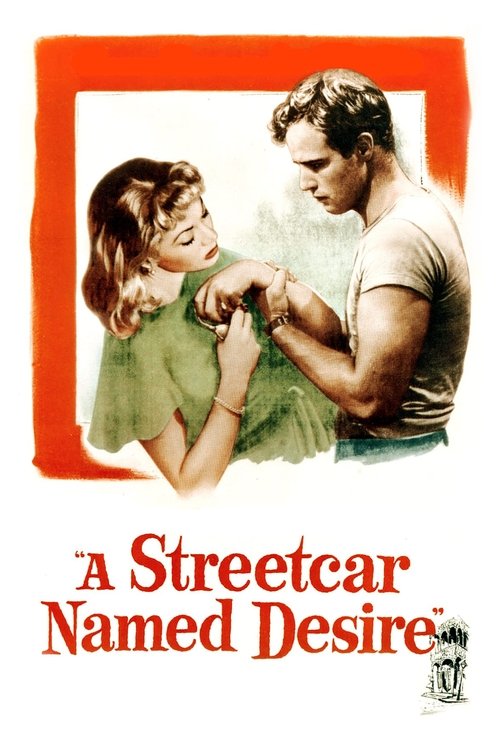
A Streetcar Named Desire1951
Tennessee Williams' raw study of desire, class, and delusion. Like *Kaagaz*, it's about people wanting things they can't have and the wreckage that creates.
But It's sexually charged and violent in ways that can feel claustrophobic. The performances are theatrical rather than naturalistic.
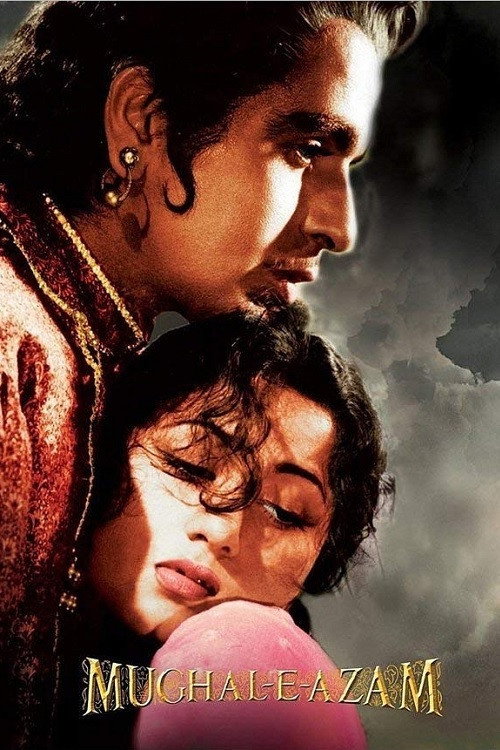
Mughal-e-Azam1960
A sumptuous Bollywood epic made just after *Kaagaz*, also about star-crossed lovers and the cost of ambition. It proves the same studio system could create wildly different kinds of greatness.
But It's three and a half hours of melodrama. The color sequences are gorgeous but the emotional register is higher—less intimate than *Kaagaz*.
The Killing1956
Kubrick's audacious debut about a racetrack heist told in fragmented time. It shares *Kaagaz*'s structural boldness and its fascination with how the past catches up with you.
But The plot is deliberately hard to follow. It's about the mechanics of crime, not the psychology—colder than *Kaagaz* in every way.

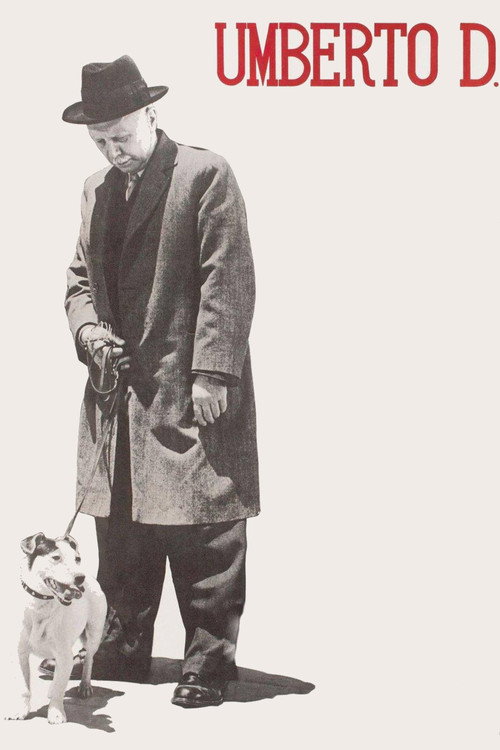
Umberto D.1952
De Sica's devastating neorealist portrait of an old man losing everything. It has *Kaagaz*'s quiet ache and its refusal to look away from dignified suffering.
But Nothing happens and that's the point. There's no catharsis, only slow diminishment. Some find it unbearably slow.
Tokyo Story1953
Ozu's gentle masterpiece about aging, family, and the passage of time. Like *Kaagaz*, it finds profound beauty in stillness and acceptance, and it's deeply, quietly sad.
But The camera barely moves and the dialogue is minimal. It requires you to sit with emptiness. Not a film for people who need things to happen.

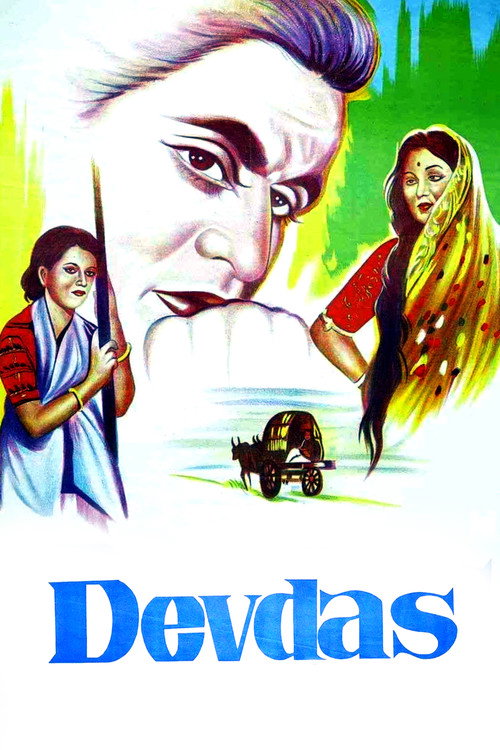
Devdas1955
Waheeda Rehman appears in both, but more importantly, both films are about how cinema itself—its music, its close-ups, its capacity for beauty—becomes a prison when you're trapped in real suffering.
Bimal Roy's Hindi melodrama about a man destroyed by impossible love. It's operatic where *Kaagaz* is intimate, but it's mining the exact same emotional vein with the exact same actors.
But This is full-throttle emotional chaos. There's more plot, more music, less subtlety. After *Kaagaz*'s burnished melancholy, this might feel overwrought.
People
Cast
 Waheeda RehmanShanti
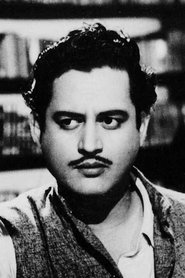 Guru DuttSuresh Sinha
 Kumari NaazPramila Sinha
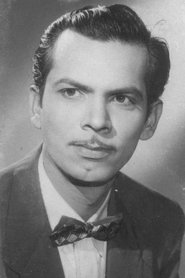 Johnny WalkerRocky
- Mahesh KaulRai Bahadur Verma
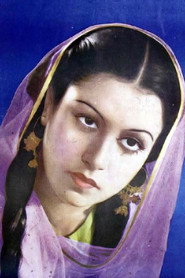 VeenaVeena Varma / Veena Sinha
- Minoo MumtazVeterinarian Juliet Singh


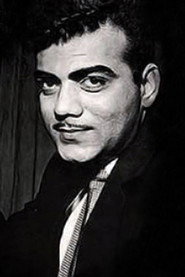
Directing
- Guru DuttDirector
Writing
- Abrar AlviDialogue
- Kaifi AzmiLyricist
- Abrar AlviStory
Production
- Guru DuttProducer
Recommended by
The Broadway Melody, Bhumika, In the Mirror of the City, Pyaasa, The Expedition, Two Acres of Land, Besharam, Naam, Chakra, Ankur, Red Sorghum, Abhimaan, Chitralekha, Jaal, Inspector, Baazi, Howrah Bridge, Mera Saaya, Raaz, Neecha Nagar, Seema, Dus Numbri