
Film
Ankur
Ankur is a rigorous, unsentimental portrait of rural desperation and the impossible choices it forces. A landless woman trapped in a marriage to an absent drunk finds herself dependent on—and drawn to—her landlord's son. Shyam Benegal's 1974 debut is quietly furious about caste, poverty and the ways power corrupts intimacy. Essential viewing.
Should you watch it?
Watch it if you like slow, observant realism where class and gender pressures show up in small household details rather than speeches, and you're happy to let a story unfold without being rushed.
Skip it if you want melodrama or a clear hero to root for, since this is austere and rural, and its emotional register is restrained enough that some viewers will find it frustrating.
What it asks of you: Around two hours at a deliberate pace, with unhurried scenes and little to distract from the characters, so faces and silences do much of the work.
Not sure? Find tonight's pick in a minute.
If you liked this
Pather Panchali1955
Satyajit Ray's masterpiece about rural Bengali life shares Ankur's unflinching eye and poetic restraint. A family's struggle against poverty and circumstance, shot with documentary precision and devastating emotional truth.
But The pacing is deliberate and unhurried; if you need plot momentum to stay engaged, this will test your patience.

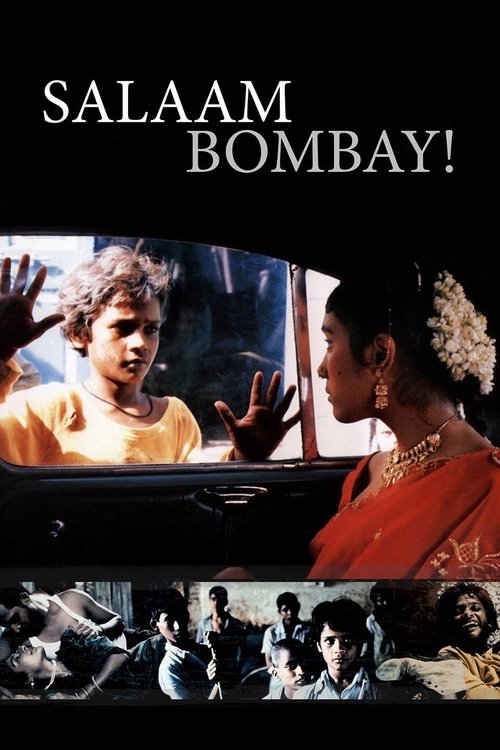
Salaam Bombay!1988
Mira Nair captures street children in Mumbai with the same clear-eyed compassion Benegal brings to rural villages. Both films refuse to sentimentalise poverty or make it palatably tragic for middle-class viewers.
But The subject matter is harrowing and the film doesn't offer easy catharsis or redemption.
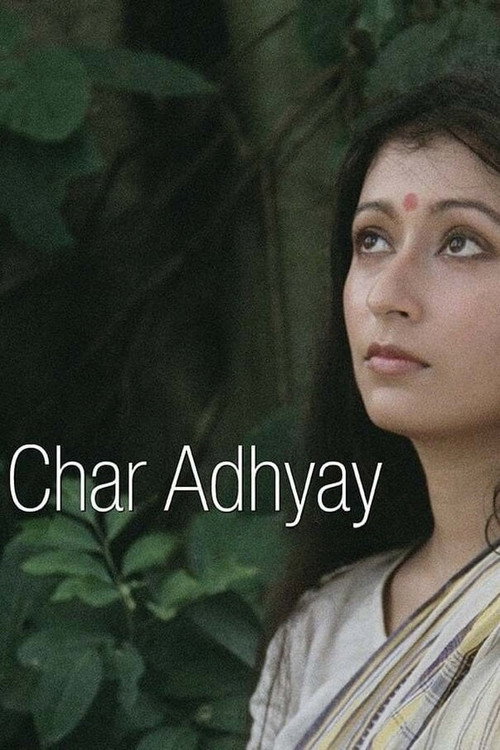
Char Adhyay1997
Another Benegal film exploring power, desire and moral complexity in intimate spaces. If Ankur moved you, his later work deepens similar themes with even greater sophistication.
But It's a lesser-known film that requires patience to find, and the relationship dynamics are deliberately murky.
Not sure tonight? Get a pick in a minute, starting from Ankur
The wildcard
Something you would not have found on your own.
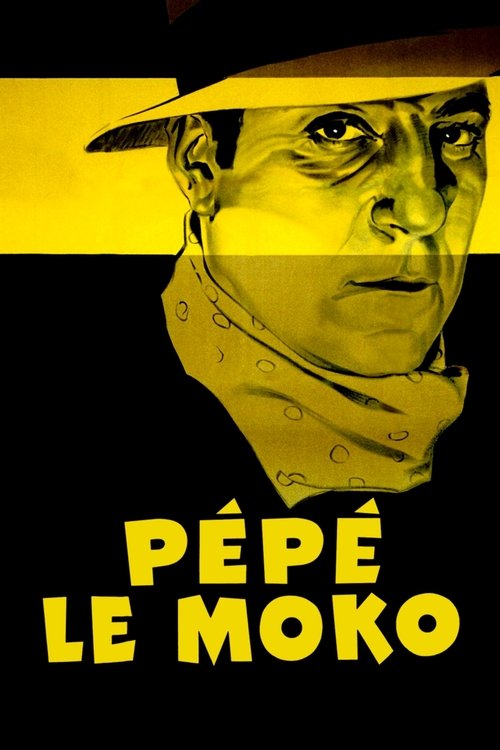
Pépé le Moko1937
Both centre on protagonists whose survival depends on the goodwill of those with power over them—and both understand that intimacy in such arrangements is always poisoned by dependency.
Jean Gabin in a 1930s French noir about a criminal hiding in the Casbah, dependent on the protection of his colonial patrons. A different era and genre, but the same claustrophobic trap: you cannot escape the systems that hold you.
But It's a 1930s French film, in French, shot in a studio using rear projection. The visual language is nothing like Ankur's naturalism.
More like this (5)
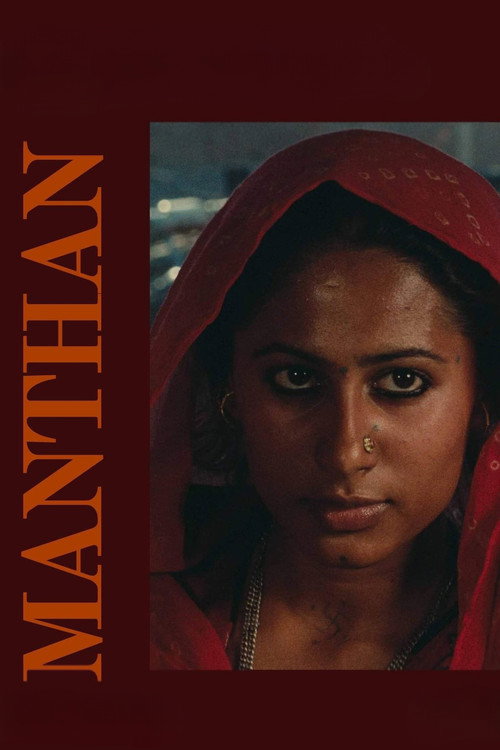
Manthan1976
Benegal again, wrestling with rural India and social change through the story of a dairy cooperative. Lyrical and political at once, with Girish Kasaravalli's cinematography that rivals anything in Ankur.
But The narrative is loose and philosophical rather than dramatically propulsive; some will find it meandering.
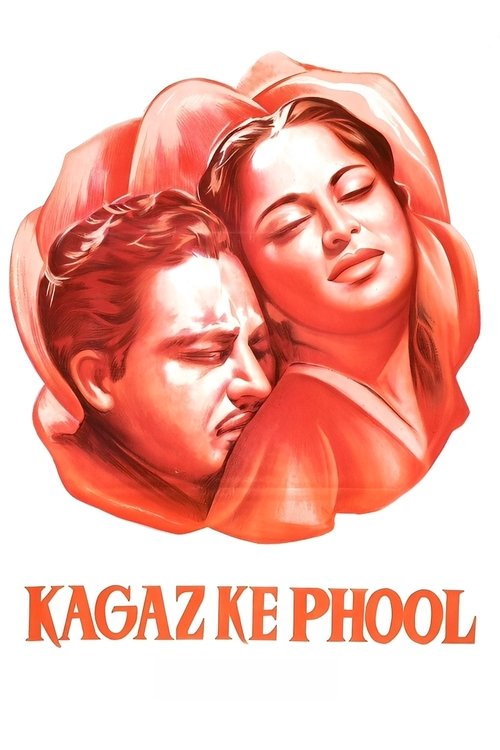
Kaagaz Ke Phool1959
Guru Dutt's tragedy of a film director undone by circumstance and desire has the same tragic inevitability as Ankur, though set in a different world. A masterpiece about how systems crush individuals.
But It's in black and white, from the 1950s, and assumes patience with melodrama as an art form.
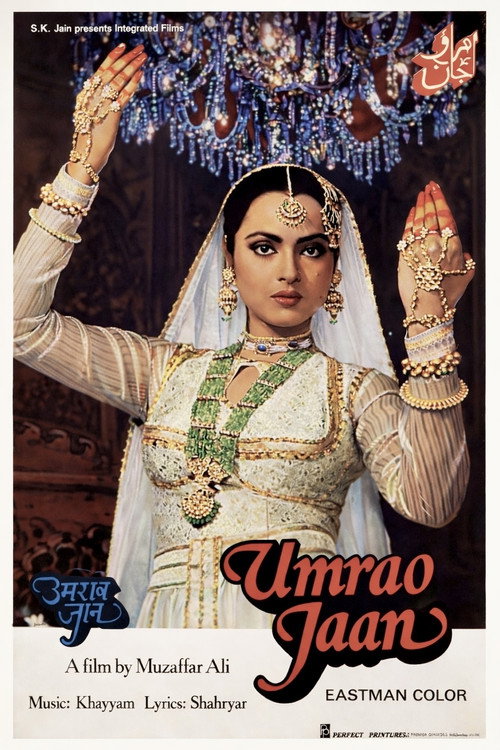
Umrao Jaan1981
Benegal explores desire, exploitation and survival through a courtesan's life. Like Ankur, it refuses to judge its heroine while unflinching about the systems that use her.
But The film is melancholic without relief, and some viewers find the episodic structure frustrating.
The Ascent1977
Larisa Shepitko's Soviet film about two partisans during WWII shares Ankur's moral rigour and its belief that cinema should grapple with impossible ethical choices, not resolve them.
But It's bleak, abstract, and entirely uninterested in conventional drama; the pacing will alienate many viewers.

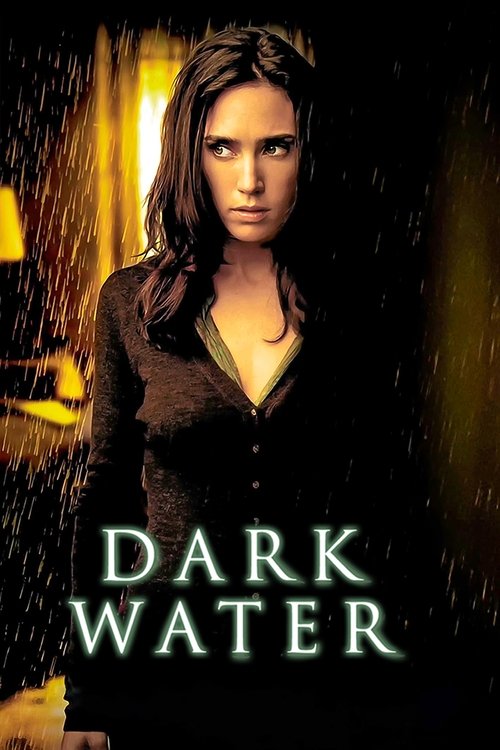
Dark Water2005
Deepa Mehta examines how patriarchal systems destroy women's lives with unflinching clarity. Like Ankur, it's angry cinema masquerading as quiet observation.
But The subject—widow abuse in colonial India—is harrowing, and the film offers no comfort or easy answers.
People
Cast
 Shabana AzmiLaxmi
 Anant NagSurya
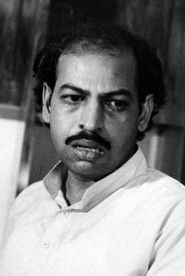 Sadhu MeherKishtaya
 Priya TendulkarSaru
Directing
- Deepak ParasharAssistant Director
- Mahendra DuttAssistant Director
- Prahlad KakarAssistant Director
- Shyam BenegalDirector
Writing
- Satyadev DubeyDialogue
- Shyam BenegalScreenplay
Production
- Lalit M. BijlaniExecutive Producer
- Freni M. VariavaProducer
- Mohan J. BijlaniProducer
Recommended by
Insaaf Ka Tarazu, Damul, Ebirah, Horror of the Deep, Jait Re Jait, Godaan, Eneida, Vijeta