
Film
Pépé le Moko
A legendary French criminal hides in the Algerian Casbah, trapped between his criminal empire and an impossible romance with a Parisian woman. Poetic, fatalistic, and visually intoxicating—a noir before noir had a name. For anyone who loves doomed men and cities that feel like characters themselves.
Should you watch it?
Watch it if you savour gloomy, talky crime stories where a cornered outlaw's charm and the maze of a crowded city carry the weight, and fatalism suits your mood.
Skip it if you want brisk plotting or a sunny mood, since this is slow, static and talky, with a romance that lingers over longing rather than action.
What it asks of you: Settle in for a compact hour and a half of close rooms, long looks and mounting dread, with patience rewarded more than pace.
Not sure? Find tonight's pick in a minute.
If you liked this
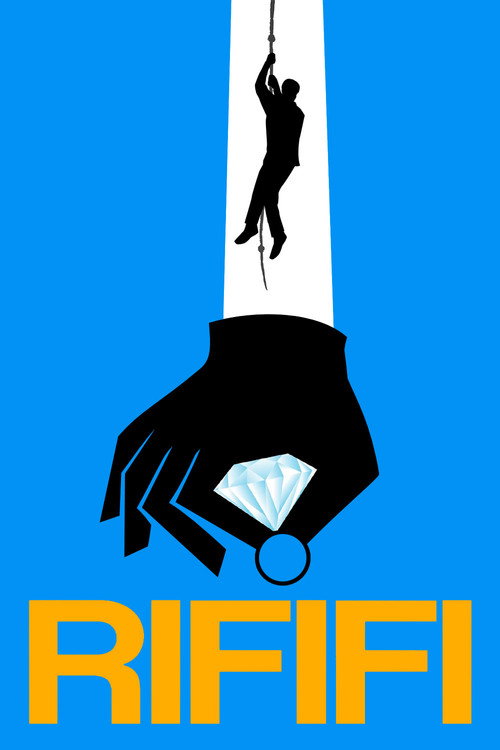
Rififi1955
A masterpiece of crime cinema with the same doomed-criminal atmosphere and a heist sequence so suspenseful it plays almost entirely without dialogue. Jules Dassin's love letter to Paris rivals Pépé's.
But The jewel-theft plot can feel secondary to the mood, and some viewers find the pacing leisurely by modern standards.
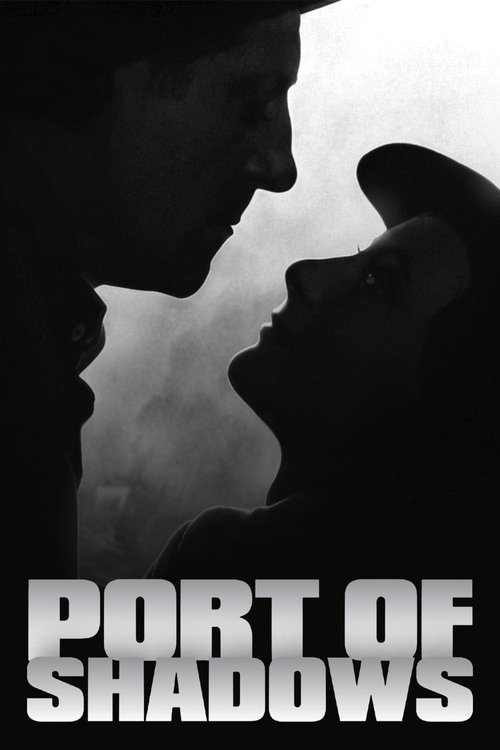
Port of Shadows1938
Poetic French noir set in a foggy port where Jean Gabin again plays a man trying to escape his past. Marcel Carné crafts the same melancholy fatalism with stunning atmosphere and romance.
But Black-and-white, subtitled, and deliberately slow—it's a film that asks you to sit with despair rather than rush through it.
The Killing1956
Kubrick's racetrack heist captures the same tension of criminals boxed in by circumstance. Gritty, unpretentious, and genuinely suspenseful without sacrificing character for plot.
But Bleak ending and a somewhat dated B-movie aesthetic might feel thin compared to glossier crime films.

Not sure tonight? Get a pick in a minute, starting from Pépé le Moko
The wildcard
Something you would not have found on your own.
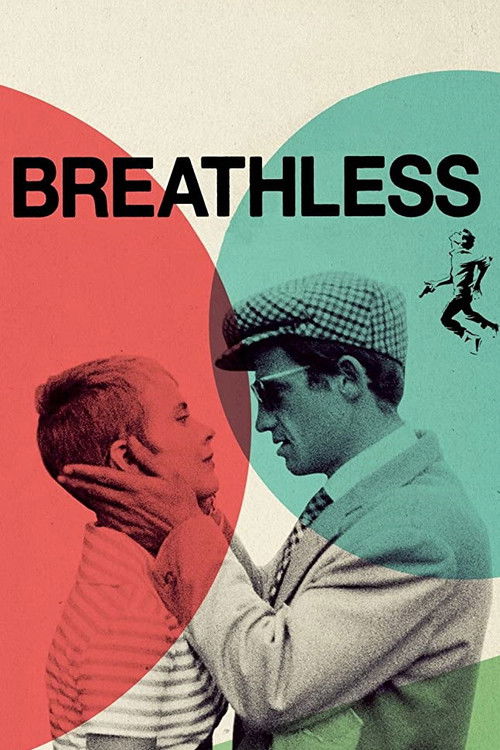
Breathless1960
Both films are about men who can't leave the city they're trapped in; Godard watched Pépé and asked what if everything moved faster and meant less?
Godard's New Wave rebellion uses a very different visual language, but the DNA is pure Pépé—a small-time criminal trapped in a city, a doomed affair with a woman who doesn't fully understand him, the sense that his fate is sealed. But Godard speeds everything up and throws out the poetry.
But Deliberately fragmented, playful, and anti-dramatic in a way that can feel cold or gimmicky. It's an intellectual provocation, not an emotional experience.
More like this (7)
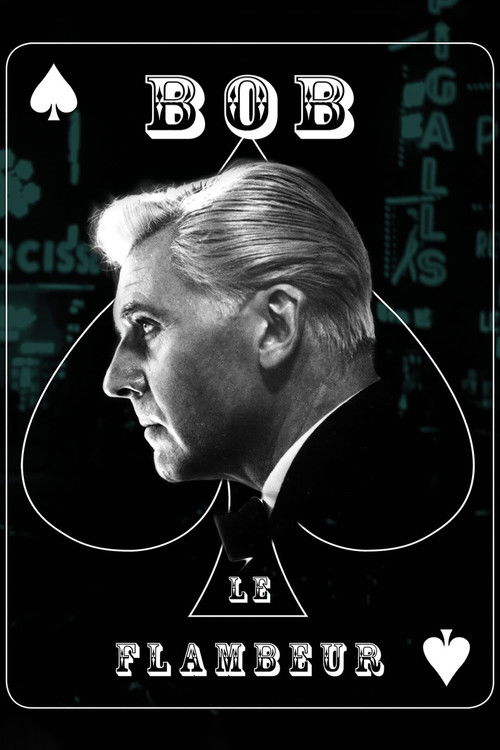
Bob le Flambeur1956
Another French New Wave love letter to the criminal underworld, with a charming rogue and the same sense that fate is already written. Melville made a film about inevitability disguised as a caper.
But Very stylish but thin on plot—the appeal is purely in mood and performance, which won't engage everyone equally.
The Asphalt Jungle1950
Huston's crime procedural is widely considered the template for all heist films, but it's also a deeply human story about men who can't escape themselves. Influenced by Pépé, it repays the debt.
But The sexual politics are dated, and some viewers find the documentary realism less gripping than the mythology.

A Prophet2009
A modern prison film with the same arc—a man trying to survive in a closed world, earning respect but losing freedom. Brutal, intelligent, and genuinely tense.
But Graphic prison violence and a cold, unsentimental style might feel harsh after the romantic melancholy of Pépé.

The Third Man1949
Vienna replaces the Casbah, but the structure is identical: a man trapped in a city, unable to leave, watching an old friend slip away. Carol Reed and Graham Greene made a masterpiece from the same bones.
But It's possibly too famous now, and the Harry Lime twist has been spoiled for most viewers. That said, it holds up.

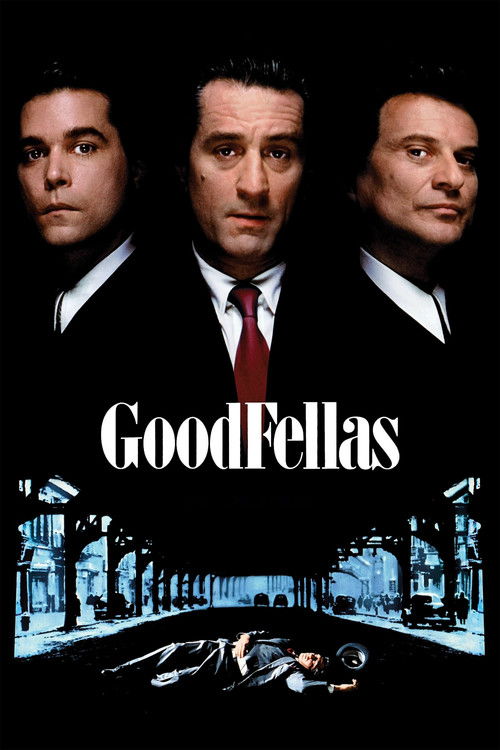
GoodFellas1990
Scorsese's gangster epic has the same seduction by criminal life, the same sense that the protagonist is trapped by his own charisma and need. Energy and style that never quit.
But Very long, very violent, and Henry Hill's narration can grate. Also completely different in tone—brash where Pépé is melancholy.
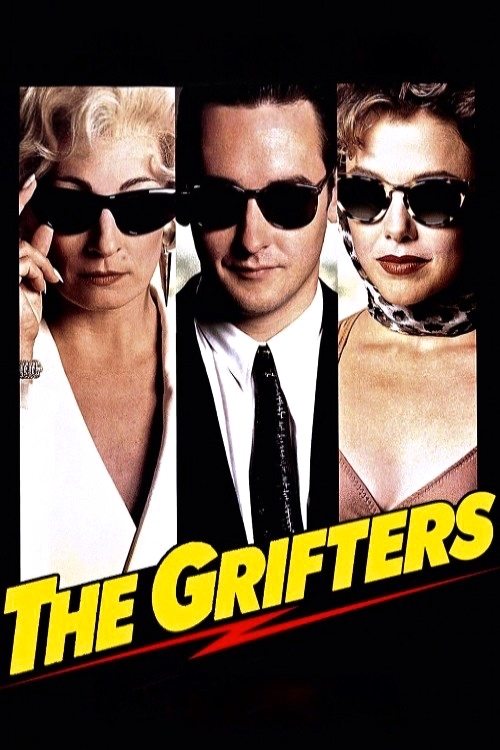
The Grifters1990
Con artists and small-time criminals moving through Los Angeles, all doomed by greed and circumstance. Frears finds real tragedy in the criminal life without romanticizing it.
But The plot turns on femme fatale betrayal, which some find manipulative. Also darker and meaner than you might expect from the setup.
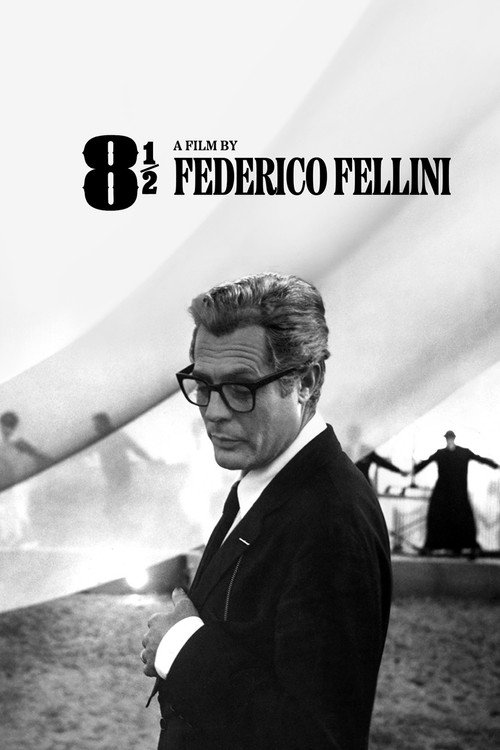
8½1963
Both are about charisma becoming a prison and the impossibility of leaving the city (or the life) you've built. Pépé is noir; Fellini is fever dream. Both are about men admiring themselves to death.
Fellini's film isn't a crime story at all—it's about a filmmaker in Rome, surrounded by actors, lovers, and con artists. But the Casbah becomes the circus of the film industry: a closed world of beautiful people where the protagonist is trapped, unable to escape, watching his own mythology become real.
But Long, abstract, and deeply interior. It requires patience and doesn't explain itself. Many find it pretentious; those who love it consider it transcendent.
People
Cast
 Jean GabinPépé le Moko
 Mireille BalinGaby, the Parisian
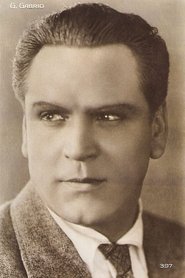 Gabriel GabrioCarlos
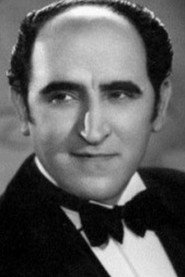 Lucas GridouxInspector Slimane
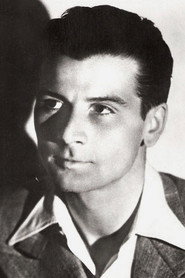 Gilbert GilPierrot
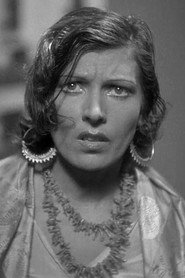 Line NoroInès, Pépé's mistress
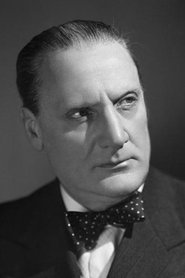 Saturnin FabreThe Great Father
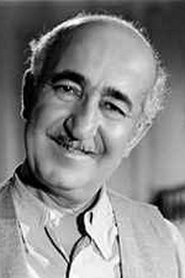 Fernand CharpinRégis
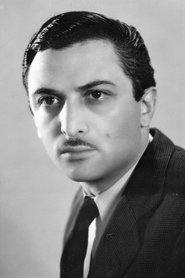 Marcel DalioL'Arbi
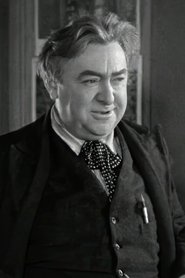 Charles GranvalMaxime
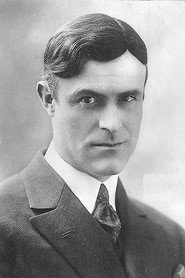 Gaston ModotJimmy
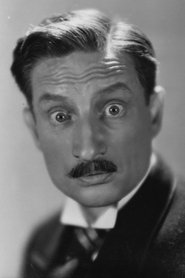 René BergeronMeunier
Directing
- Julien DuvivierDirector
Writing
- Jacques ConstantAdaptation
- Henri JeansonDialogue
- Henri La BartheNovel
- Henri La BartheScreenplay
- Julien DuvivierScreenplay
Production
- Raymond HakimProducer
- Robert HakimProducer
- André GargourProduction Manager
Recommended by
Bob le Flambeur, To Have and Have Not, Beyond Rangoon, Port of Shadows, Coogan's Bluff, The Violent Years, Ankur, The Emperor of Paris, My Best Friend, Live Flesh, The Dancer of Paris, The Lodger, A Royal Scandal, Jenny, Hôtel du Nord, Madame Bovary, Monsieur Papa, Marius