
Film
The Emperor of Paris
A stylish crime thriller set in early 19th-century Paris, following the legendary convict Vidocq as he navigates the underworld's treacherous politics. Gorgeously photographed and darkly atmospheric, it trades conventional plotting for mood and visual flair. For viewers drawn to historical crime sagas with a European sensibility and don't mind ambition outpacing clarity.
Should you watch it?
Watch it if you like period crime stories built on a damp, shadowy Paris and a hero who is more haunted than heroic, with a taste for ornate, theatrical villainy.
Skip it if you want a tight, plot-driven thriller; this one lingers on mood and brooding backstory, and its pace can feel slow and self-serious.
What it asks of you: Two hours of slow, shadowed scenes that linger on private grief and dim rooms, so it wants you settled in and willing to let mood carry the plot.
Not sure? Find tonight's pick in a minute.
If you liked this
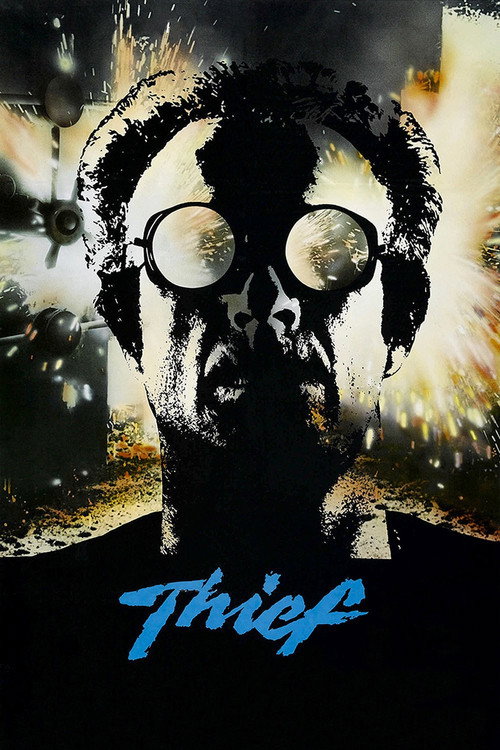
Thief1981
Michael Mann's precise, glacial masterpiece about a master thief's careful world unraveling. Stylish as anything, with that same sense of a man trapped between identities and loyalty. The heist sequences are pure cinema.
But Glacial pacing and minimal dialogue won't appeal if you need constant plot momentum. The emotional core is buried deep.
A Prophet2009
Jacques Audiard's masterwork about a young prisoner's rise through the system. Like Vidocq, it's absorbed in the rules and hierarchies of a violent closed world, and how power corrupts from within. Tense and brilliantly acted.
But It's long, punishing, and deliberately slow in places. French prison brutality isn't cushioned for comfort.

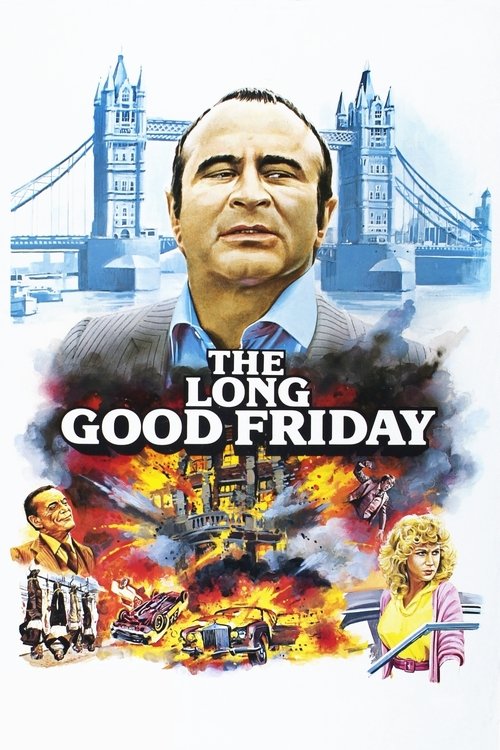
The Long Good Friday1980
Bob Hoskins as a London gangster watching his empire crack in real time. The same contained-pressure atmosphere, the same sense of a man outmaneuvered by forces he didn't anticipate. Darkly brilliant.
But Made on a tight budget and it shows in the production design. The pacing sags in the middle act.
Not sure tonight? Get a pick in a minute, starting from The Emperor of Paris
The wildcard
Something you would not have found on your own.
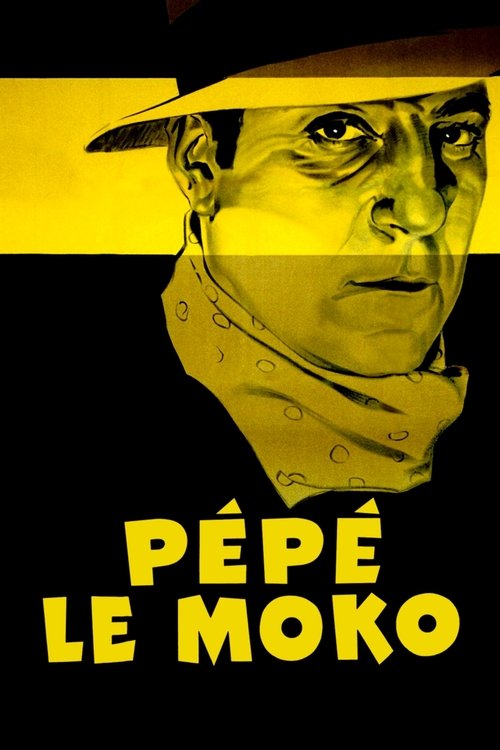
Pépé le Moko1937
Both follow a legendary criminal hero in Paris living in disguise, caught between their criminal identity and the law. Vidocq is literally an homage to and reimagining of this archetype Pépé le Moko created.
The granddaddy of Parisian underworld cinema: a charming career criminal hiding in the Casbah, trapped between worlds, hunted by police. It contains the DNA of every film like Vidocq that followed. You're watching cinema history breathe.
But Pre-war French cinema moves at its own pace. The print quality is imperfect. If you need modern production values or speed, it will feel like archaeology.
More like this (8)
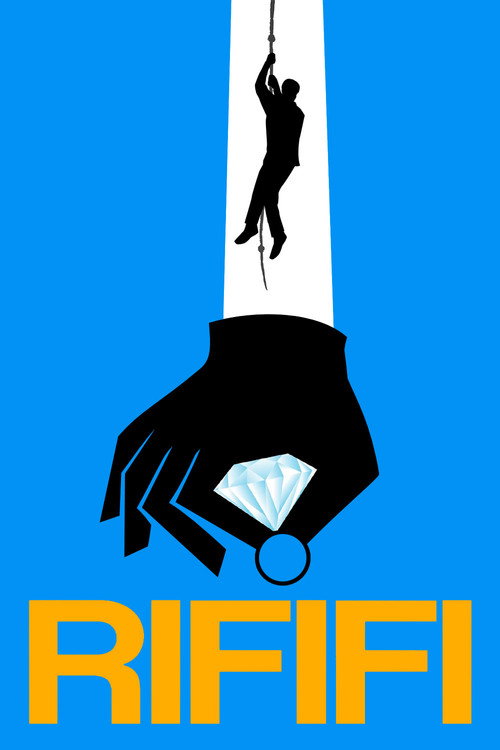
Rififi1955
A foundational heist film set in postwar Paris with the same gritty European underworld texture. Methodical, tense, and shot with real style. Jules Dassin understood how to make theft look like art.
But It's a 1950s film—if period aesthetics feel stuffy or pacing feels slow, this will test you. The moral universe is confined.
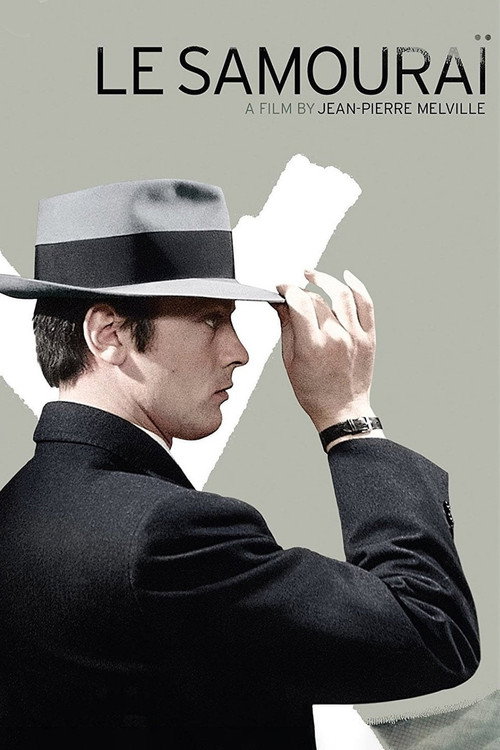
Le Samouraï1967
Jean-Pierre Melville's ice-cold masterpiece about an assassin's code and the machinery that destroys him. Same atmosphere of a man living by rules in a world that doesn't care. Hypnotic and perfectly composed.
But Almost plotless. If you need narrative momentum or character warmth, this is the opposite. It's a mood piece, pure.
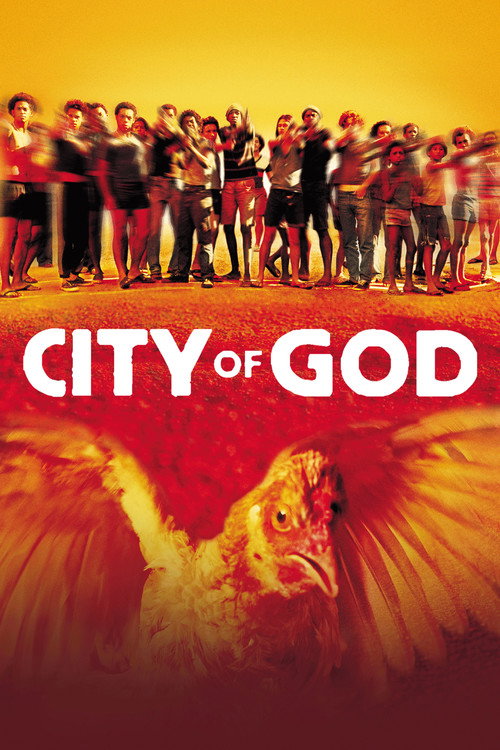
City of God2002
A kinetic, visually inventive exploration of organized crime and the structures that trap people within it. It's got Vidocq's energy but fiercer, younger. The editing and cinematography are relentless.
But It's overwhelmingly stylized and violent. The rapid-fire editing can feel manipulative. Some found it exploitative of real suffering.
In the Mood for Love2000
Wong Kar-wai's achingly beautiful film about desire and secrecy in 1960s Hong Kong. Like Vidocq, it's visual poetry with a plot that matters less than the feeling. Gorgeously composed every frame.
But Almost nothing happens. If you need action or forward momentum, this will frustrate you intensely. It's pure atmosphere.

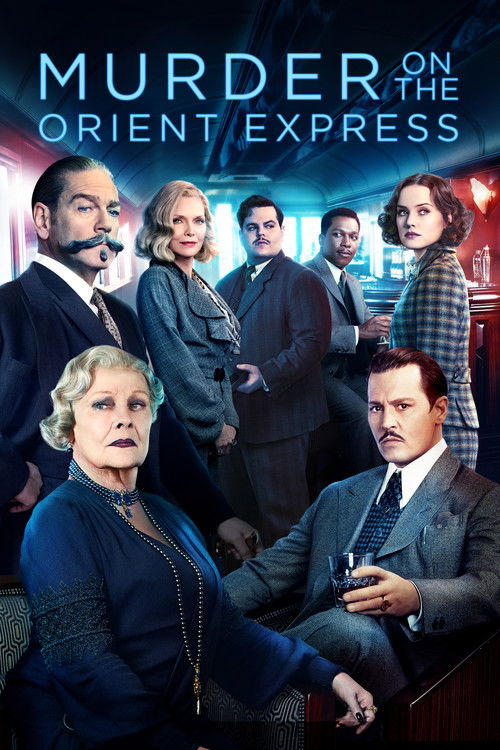
Murder on the Orient Express2017
Kenneth Branagh's stylish, twisty puzzle box. Polished, beautifully shot, with the same commitment to visual storytelling over exposition. It knows it's playing a game and enjoys it.
But Some find it overstuffed and showy. The plot twist might feel convenient. Branagh's performance isn't for everyone.
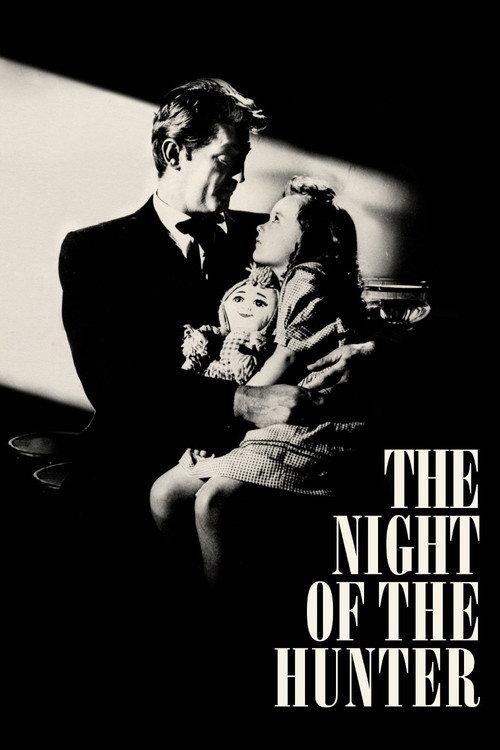
The Night of the Hunter1955
Charles Laughton's only directorial effort—a haunting, Gothic thriller with deeply unsettling atmosphere and moral corruption at its core. Black-and-white and theatrical in the best way.
But It's slow, strange, and deeply dark. The emotional register is bleak and will not brighten. Very much a 1955 film in its rhythms.
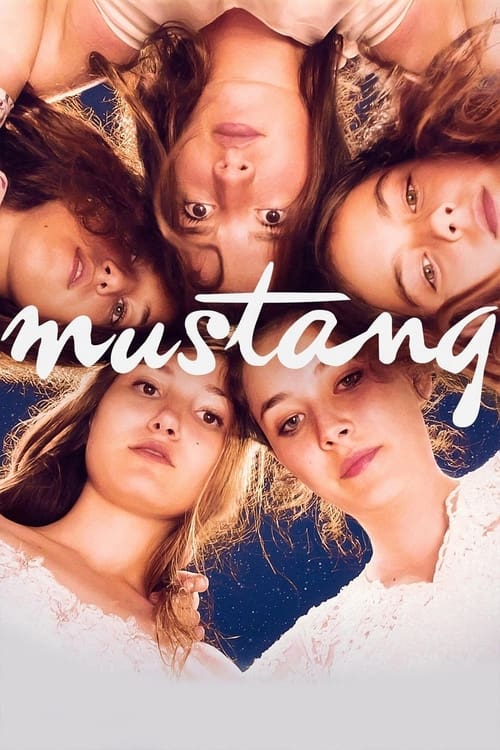
Mustang2015
Both deploy lush cinematography and visual composition over exposition to convey entrapment and the mechanics of power. Both understand that atmosphere and image can tell a story faster than dialogue.
A stunning Turkish film about five sisters trapped in a patriarchal house, navigating power structures and resistance. Shot with gorgeous visual control and a building sense of claustrophobic dread. Olga Kurylenko's co-star here operates in a similar register of visual storytelling.
But It's about female confinement and control—emotionally and thematically heavy. The ending is ambiguous and some find it frustrating. Requires patience with its deliberate pacing.
The Turin Horse2011
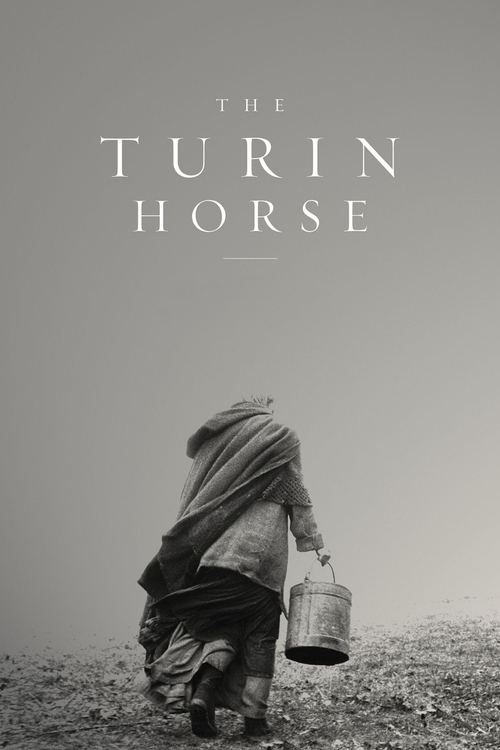
Both prioritize visual storytelling and atmosphere over plot clarity. Both are interested in historical figures and how meaning accumulates through image and silence rather than exposition. Both trust the audience to sit in ambiguity.
Béla Tarr's final film: a haunting, elliptical meditation on decline and the end of the world shot in black-and-white. It's mysterious, deeply atmospheric, and absolutely singular. A masterwork of mood over narrative.
But It's abstract, slow, wordless in long stretches, and deeply pessimistic. No conventional plot to hold you. If you need things explained, you will leave frustrated.
People
Cast
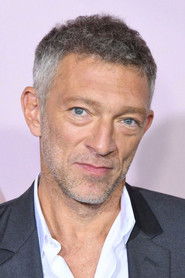 Vincent CasselVidocq
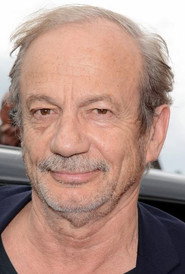 Patrick ChesnaisHenry
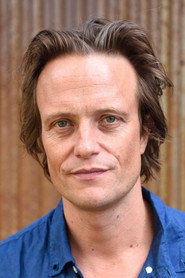 August DiehlNathanaël
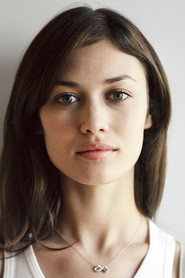 Olga KurylenkoThe Baroness
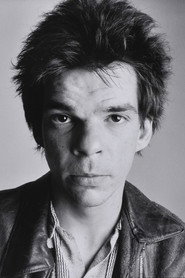 Denis LavantMaillard
 Freya MavorAnnette
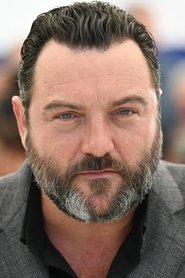 Denis MénochetDubillard
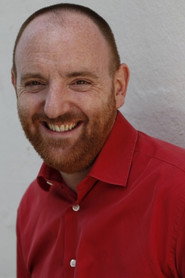 Jérôme PoulyCourtaud
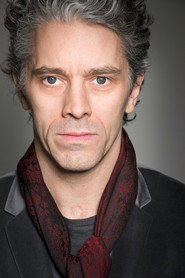 James ThierréeThe Duke
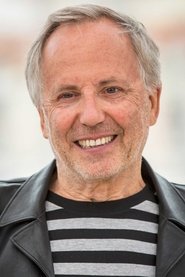 Fabrice LuchiniFouché
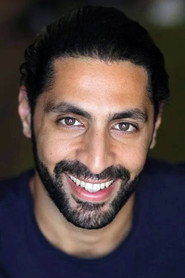 Fayçal SafiMehmet
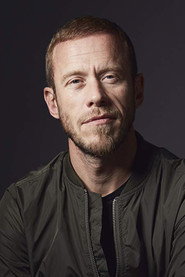 Antoine Lelandais'Fleur d'Épine'
Directing
- Jean-François RichetDirector
- James CanalFirst Assistant Director
- Isabelle QuerriouxScript Supervisor
Writing
- Éric BesnardAdaptation
- Jean-François RichetAdaptation
- Éric BesnardScreenplay
Production
- Gigi AkokaCasting
- Patricia ColombatPost Production Coordinator
- Eric AltmayerProducer
- Nicolas AltmayerProducer
- François HamelProduction Director
- Robin WelchUnit Manager