
Film
Mustang
A visceral, furious film about five orphaned sisters in rural Turkey whose family imprisons them to arrange marriages. Told with crackling energy and visual poetry, it's a coming-of-age story that refuses sentiment. For anyone who wants cinema to make them feel something dangerous.
Should you watch it?
Watch it if you like films that find defiance and warmth inside a constrained world, with the sisters' bond and a sun-bleached, restless energy carrying the weight of the story.
Skip it if you want brisk plotting or a clear dramatic arc, since this leans on mood and observation more than incident, and its unease rarely lets up.
What it asks of you: Expect about ninety-seven minutes of looking and listening; it is restrained rather than slow, and its pressure builds steadily beneath a bright, sunlit surface.
Not sure? Find tonight's pick in a minute.
If you liked this
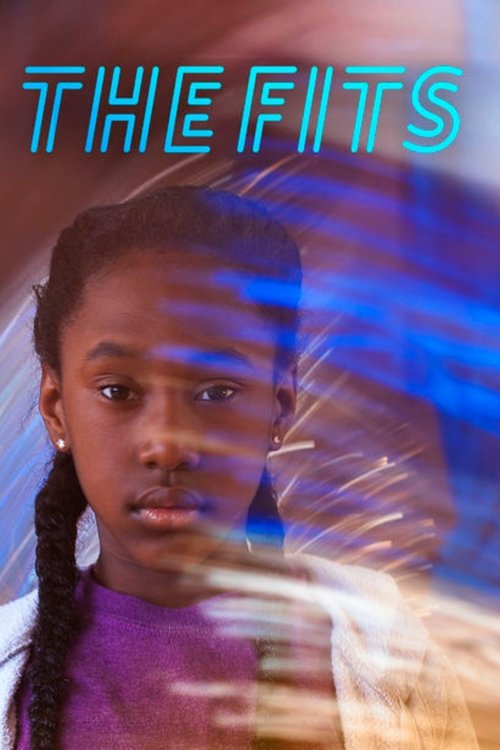
The Fits2016
A mesmerizing portrait of adolescent girls discovering their bodies and power through dance. Like Mustang, it's elliptical and sensory, trusting you to feel what's happening beneath the surface rather than spelling it out.
But The plot is deliberately slight and the ending offers no resolution. If you need narrative clarity and closure, you'll find this frustrating.
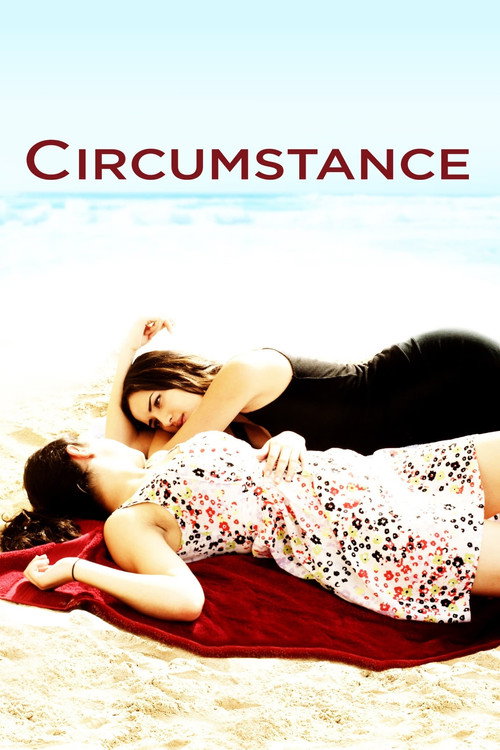
Circumstance2011
Two Iranian girls navigate desire and family control in Tehran. It shares Mustang's claustrophobic intensity and its refusal to sentimentalize oppression—this is lived experience, not a message movie.
But The atmosphere is relentlessly tense and some scenes are sexually explicit. It's a difficult watch by design, not an easy one.
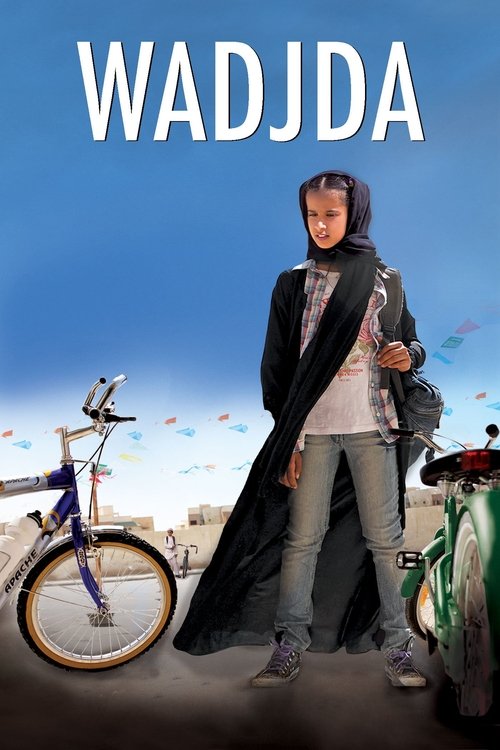
Wadjda2012
A Saudi girl fights quietly for autonomy in a system designed to deny it. Both films are about resistance through small, human acts rather than grand gestures, and both treat their young heroines with absolute seriousness.
But The pacing is deliberate and meditative. There are no dramatic confrontations, which some viewers mistake for nothing happening.
Not sure tonight? Get a pick in a minute, starting from Mustang
The wildcard
Something you would not have found on your own.
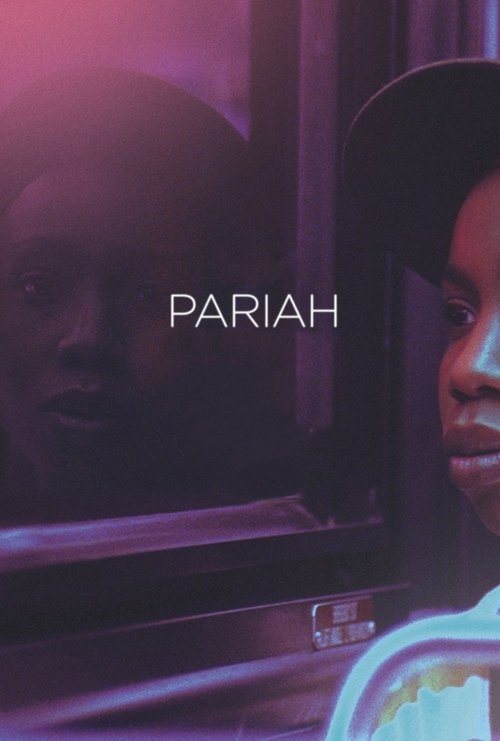
Pariah2011
Both are directorial debuts that use visual language and embodied performance to examine how family and culture conspire to control girls' bodies and desires, refusing to make that struggle legible or comfortable.
Dee Rees's debut about a Black lesbian teenager in Brooklyn navigating her identity within a conservative household. It shares Mustang's portrait of a girl moving toward selfhood despite family structures designed to contain her—and its formal precision is equally stunning.
But It's intimate rather than sweeping, and some find its quiet intensity difficult. Also, it centers a different cultural context, so if you're looking for something that mirrors Mustang specifically, this won't feel like the same story.
More like this (8)
The Housemaid2010
A woman enters a house of secrets where family bonds are weaponized. Like Mustang, it explores confinement and the violence lurking in domestic spaces, though through a very different lens.
But It pivots toward psychological thriller territory, which might feel tonally jarring if you're expecting something closer to Mustang's register.
A Girl Walks Home Alone at Night2014
An Iranian vampire film shot in black and white: formally stunning, atmospheric, about a young woman claiming power in a place that wants to contain her. Genre cinema making political points without announcement.
But It's strange and deliberately paced. If you're not in the mood for something beautifully odd, you might find it remote.
Spring, Summer, Fall, Winter... and Spring2003
A meditation on cycles, desire, and the body told almost wordlessly on an island temple. Like Mustang, it's sensory and poetic, trusting images over exposition, though the mood is contemplative rather than volatile.
But Almost nothing happens and there is minimal dialogue. It requires patience and a tolerance for ambiguity that won't appeal to everyone.
Under the Skin2014
An alien woman moves through Scotland; we experience her otherness and predation sensorily. Both films privilege mood and visual language over plot, and both feature female bodies as sites of transgression and danger.
But It's abstract, deliberately slow, and deeply unsettling. Scarlett Johansson barely speaks. Some find it fascinating; others find it pretentious and boring.

The 400 Blows1959
Truffaut's debut about a boy trapped between family and freedom. It's a classic for good reason—the emotional core and visual freshness still feel alive, and it shares Mustang's insight into how systems imprison the young.
But It's from 1959 and moves at a pace some modern viewers find slow. You have to adjust to its rhythm, which not everyone wants to do.
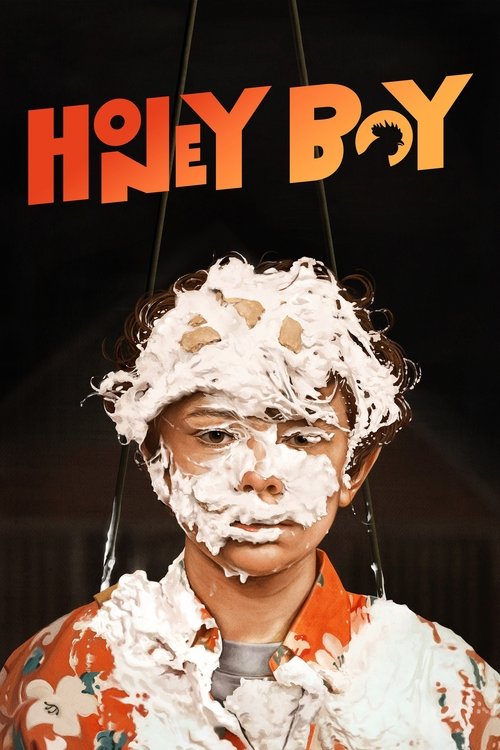
Honey Boy2019
Alma Har'el's semi-autobiographical film about a child actor trapped in an abusive system. It's visceral and formally inventive, touching on similar themes of exploitation and powerlessness within family and industry.
But It's chaotic in its structure and emotionally brutal. The fragmented narrative and raw performances might feel exhausting rather than cathartic.
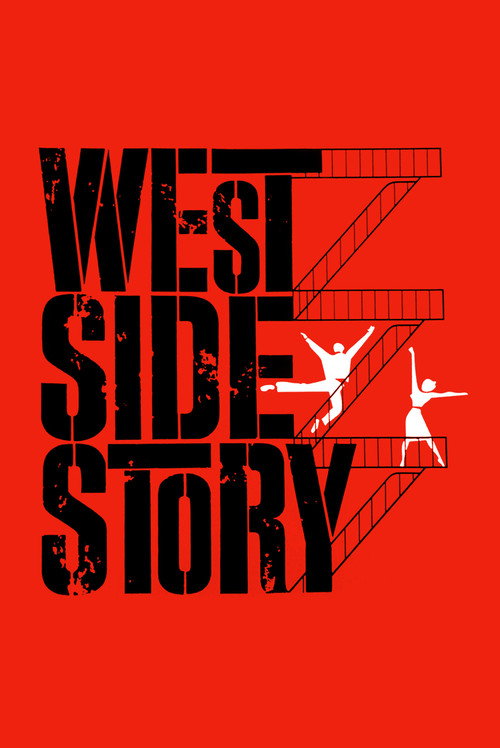
West Side Story1961
Both films argue that the body—especially young female bodies—speaks when speech is forbidden. Both use formal beauty and movement to express what the script cannot.
Bernstein's masterpiece is a musical, yes, but it's also about bodies in motion as rebellion, about young people constrained by family loyalty and ethnic violence. The choreography is Mustang's cousin: movement as resistance and expression.
But It's a musical, which means singing and dancing. If you went to Mustang for gritty realism, this will feel completely tonal, and the 1961 production values might seem dated.
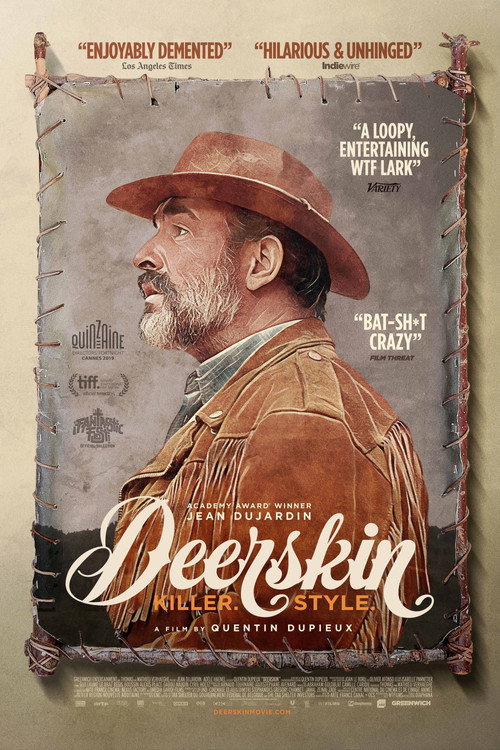
Deerskin2019
Both films are about confinement and obsession, but Deerskin inverts Mustang's politics: where Mustang shows oppression from the inside, Deerskin shows it from the perspective of someone who IS the oppressive force, spiraling into madness from his own imprisonment in a fantasy.
Yorgos Lanthimos's strangest, most visceral work: a man obsessed with a jacket unravels into violent madness. It's formally fearless and deeply, weirdly funny, a film that breaks every rule about what movies should do.
But It's transgressive and sometimes crude, with scenes of shocking violence. It's also sometimes ridiculous, which either works for you or feels like the director is wasting your time. Also: completely tonal shift from Mustang, which is the point.
People
Cast
 Güneş ŞensoyLale
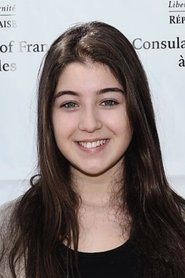 Doğa DoğuşluNur
 Elit İşcanEce
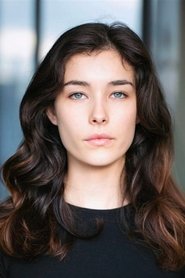 Tuğba SunguroğluSelma
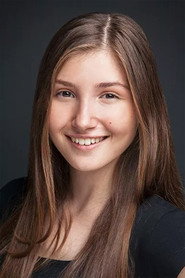 İlayda AkdoğanSonay
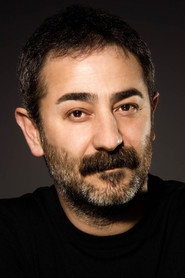 Ayberk PekcanErol
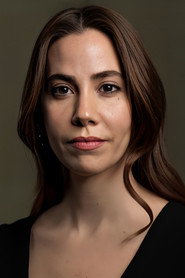 Bahar KerimoğluDilek
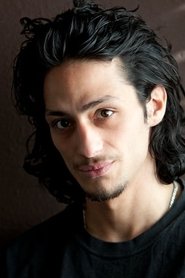 Burak YiğitYasin
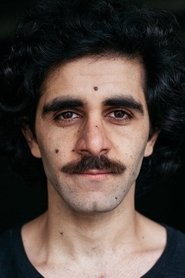 Erol AfşinOsman
- Suzanne MarrotAunt Hanife
- Serife KaraThe Great-Aunt
- Aynur KomecogluAunt Emine
Directing
- Deniz Gamze ErgüvenDirector
- Clément CometFirst Assistant Director
- Marie WeinbergerFirst Assistant Director
- Louise ArhexScript Supervisor
- Filiz PeksenSecond Assistant Director
Writing
- Alice WinocourWriter
- Deniz Gamze ErgüvenWriter
Production
- Harika UygurCasting
- Kristin DiehleCasting
- Anja UhlandCo-Producer
- Frank HenschkeCo-Producer
- Mine VargıCo-Producer
- Patrick AndréCo-Producer
- Violaine GillibertExecutive Producer
- Emre OskayLine Producer
- Charles GillibertProducer
- Nathalie DennesProduction Manager
- Sacha GuillaumeProduction Manager
Recommended by
The Wolfpack, Whale Rider, Janis: Little Girl Blue, Girlhood, Arranged, Wadjda, Three Girls, Lipstick Under My Burkha, Virgin Tales, Tomboy, Mike Birbiglia: The New One, Circumstance, East Side Story, Unorthodox, Mystery Road, Moolaadé, Gidget, The Nightingale of Bursa, We Are the Best!, Water Lilies, Margarita with a Straw, Too Late to Die Young, Towelhead, Caramel, Little Darlings, Teen Spirit, Ginger & Rosa, Lila Says, The Parade, God Exists, Her Name Is Petrunya, Desert Flower, Kadosh, The Emperor of Paris, Metalhead, Crazy/Beautiful, Difret, Honour, Ixcanul, Sami Blood, The Invisibles, Fiore, Jellyfish, Last Breath, The Price of Sex, Combat Girls, Alma, In the Family, The Regime, Seventeen, Han Gong-ju, Jellyfish, Mrs. Henderson Presents, Breathe, Simon & the Oaks, Float Like a Butterfly, Fatih Harbiye, Killa