
Film
Difret
Difret follows a teenage girl in rural Ethiopia who shoots her kidnapper during a forced-marriage abduction, and the young lawyer who defends her against both the justice system and centuries of tradition. It's a taut legal and moral drama rooted in real practice, powered by two luminous performances. For anyone drawn to stories about women fighting institutional violence with intelligence and courage.
If you liked this
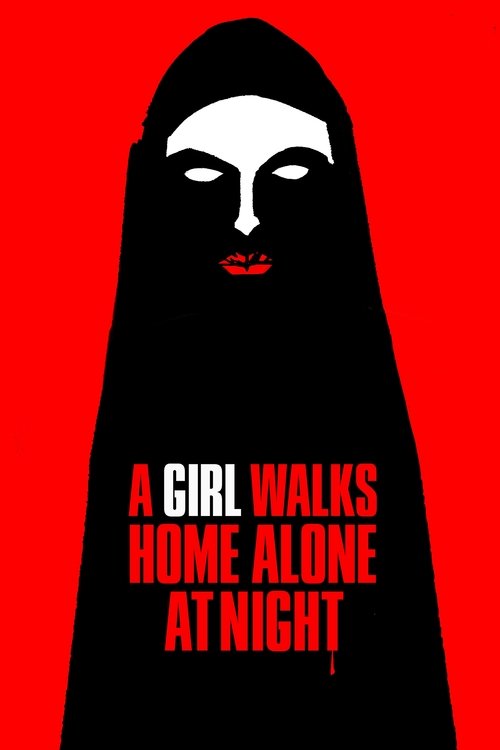
A Girl Walks Home Alone at Night2014
A haunting, formally inventive Iranian vampire film about a young woman reclaiming power in a repressive landscape. Like Difret, it uses genre language to explore female autonomy and resistance without sentimentality.
But Deliberately paced and dreamlike rather than plot-driven. The vampire mythology may feel oblique if you're expecting straightforward narrative.
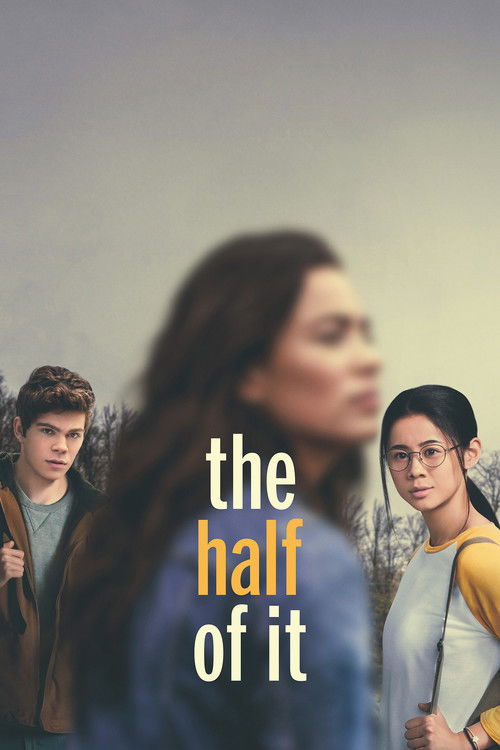
The Half of It2020
A smart, tender coming-of-age romance about a queer Chinese-American girl navigating identity, desire, and what she owes others. Shares Difret's interest in young women thinking their way through impossible situations with grace.
But A US high-school setting may feel lightweight compared to Difret's stakes, and the tone is gentler, more wry than urgent.
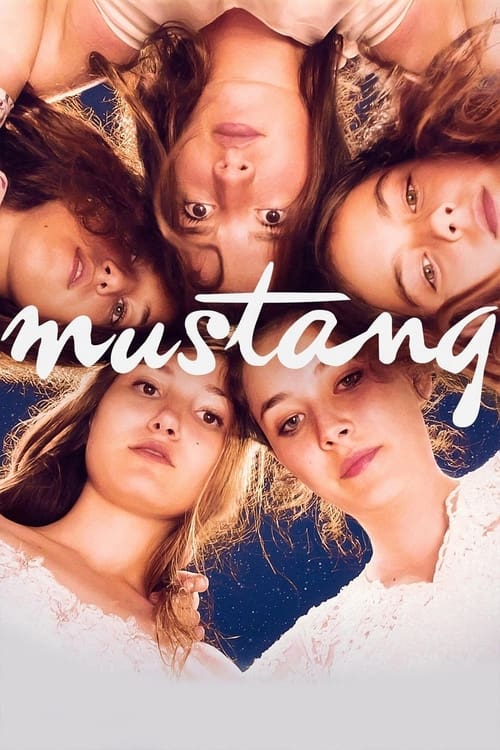
Mustang2015
Five Turkish sisters imprisoned by tradition fight back with wit, music, and sabotage. Darkly funny and furious in ways Difret isn't, but guided by the same rage against the theft of young women's futures.
But The fairy-tale visual language is more stylised than Difret's grounded realism. Some may find the tone uneven between comedy and tragedy.
Not sure tonight? Get a pick in a minute, starting from Difret
The wildcard
Something you would not have found on your own.
Shirley2020
Both centre on a girl's violation and a woman's response; but where Difret is about justice pursued through systems, Shirley is about a woman channelling trauma into art. One fights the law, the other becomes the law through fiction.
Elisabeth Moss as the writer Shirley Jackson, composing her shocking short story during a summer when a local girl goes missing. A meta-theatrical chamber piece about female rage, complicity, and the violence baked into American domesticity—Difret's DNA through a very different lens.
But Claustrophobic, arch, and deliberately overwrought. The film-within-the-film-within-the-film conceit can feel precious. It's as much about the performance of acting as about anything resembling plot.

More like this (6)
Pariah2011
A Brooklyn high schooler secretly explores her sexuality while her religious family tightens control. Dee Rees crafts intimate, unforgiving portraits of love and law colliding within families.
But Claustrophobic and deliberately slow. If you're looking for narrative momentum, this will frustrate you.

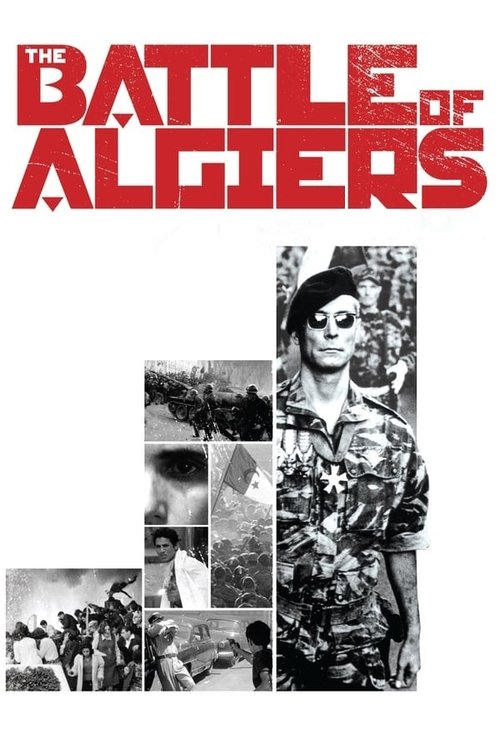
The Battle of Algiers1966
Pontecorvo's revolutionary masterpiece about colonised women becoming freedom fighters. The formal brilliance and moral clarity feel like ancestral lineage to Difret's argument about justice and whose law counts.
But Shot in austere black-and-white and quite didactic. Its 1960s Marxist framework may feel dated or preachy to modern viewers.
Thelma & Louise1991
A Norwegian telekinetic thriller about a young woman discovering her own power and her family's lies. Psychologically tense and visually stunning; it's about a girl learning that what she was taught to fear in herself is actually her salvation.
But The genre machinery (supernatural horror) might feel like a detour from Difret's legal-drama core. Some viewers find the ending divisive.

Spotlight2015
An ensemble procedural about journalists methodically dismantling institutional abuse. Like Meaza's work, it's about using systems and patience and documentation to make the truth impossible to ignore.
But Deliberately unglamorous and conversational; it's about process, not drama. The pacing can feel bureaucratic, which is partly the point but not everyone's evening.

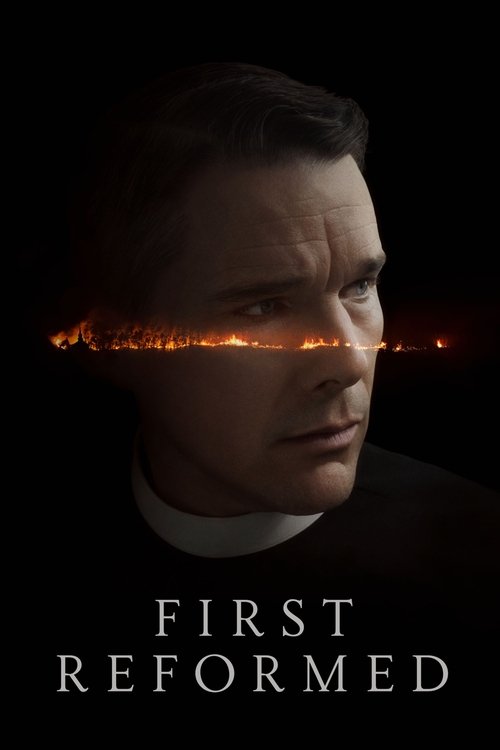
First Reformed2018
Paul Schrader's portrait of a woman of faith reckoning with complicity and moral paralysis. Haunting and austere, animated by the same question: what do you do when institutions fail the vulnerable?
But Deeply bleak and formally experimental. The pacing is glacial and the resolution is deliberately unsatisfying; it demands a particular mood.
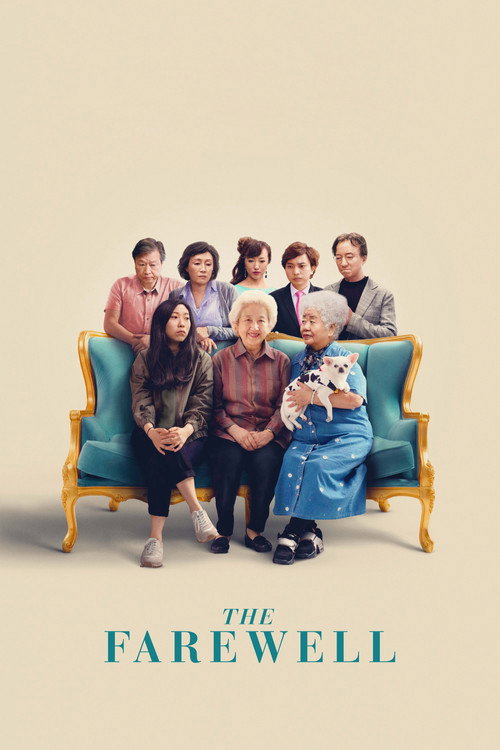
The Farewell2019
Both explore collisions between customary family law and individual agency. Difret fights tradition through courts; The Farewell shows how tradition persists precisely because it feels like love. The moral clarity is much murkier here, and the ending much warmer—a different answer to the same question.
Lulu Wang's film about a Chinese family keeping a terminal diagnosis secret from their elderly grandmother is formally inventive and genuinely funny, but animated by the same question Difret asks: whose law governs? When does kindness become deception?
But Tonal whiplash between comedy and elegy. It's about family conspiracy rather than institutional injustice, so the stakes feel more intimate and personal than Difret's.
People
Cast
 Meron GetnetMeaza Ashenafi
- Tizita HagereHirut Assefa
 Haregewine AssefaMembere Yohannes
 Mekonnen LeakeMr. Assefa Bekele
- Meaza TekleMrs. Mulu Assefa
Directing
- Zeresenay MehariDirector
Writing
- Zeresenay MehariScreenplay
Production
- Andargachew TewodrosAssociate Producer
- Emanuel AGAssociate Producer
- Jay SpanglerCo-Producer
- Angelina JolieExecutive Producer
- Francesca ZampiExecutive Producer
- Jessica RankinExecutive Producer
- Julie MehretuExecutive Producer
- Lacey Schwartz DelgadoExecutive Producer
- Carrie Lynn CertaLine Producer
- Leelai DemozProducer
- Mehret MandefroProducer
- Zeresenay MehariProducer