
Film
Pariah
Dee Rees's debut feature turns her own short film into something quietly devastating: 17-year-old Alike is unmistakably gay in a Brooklyn where her mother's denial is hardening into violence. It watches her try on selves — swapped clothes at the bus stop, a poem read aloud, a first tentative romance — with tenderness and specificity rather than spectacle. For anyone who wants queerness filmed as ordinary, aching life.
Should you watch it?
Watch it if you want a close, unhurried look at a young person negotiating who they are inside a strained family, and you're happy to sit with small domestic moments rather than plot.
Skip it if you need momentum or a story that builds toward big set pieces; much of it is tense, quiet silence and friction that can feel repetitive if you want lightness.
What it asks of you: Its pace is deliberate and its scenes linger on faces and pauses, so it rewards patience across its short running time and a willingness to sit in discomfort.
Not sure? Find tonight's pick in a minute.
If you liked this
Moonlight2016
Barry Jenkins traces a Black boy's queerness across three decades with the same hushed intimacy and color-drenched cinematography Rees uses. It's the closest thing to a spiritual sequel in tone and tenderness.
But The structure is more fragmented and impressionistic than Pariah's clean arc, and the deliberate pacing can feel slow if you want forward momentum.

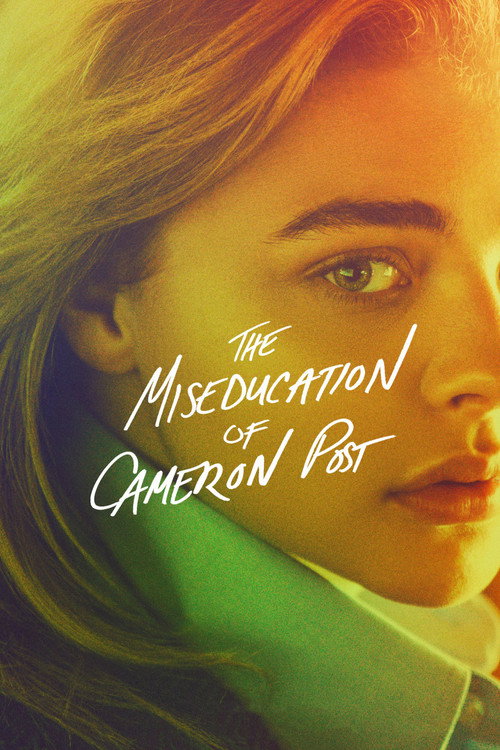
The Miseducation of Cameron Post2018
A gay teenager sent to a conversion-therapy camp finds unlikely camaraderie among other queer kids, making institutional cruelty feel absurd as often as tragic.
But The satire is broader than Pariah's realism, and the tonal swings between comedy and horror can feel uneven.
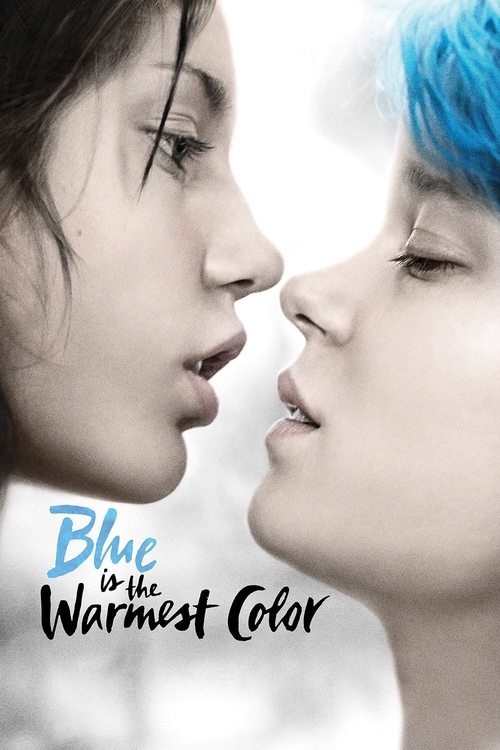
Blue Is the Warmest Color2013
A sprawling, emotionally raw lesbian love story that tracks a young woman's sexual awakening with the same unguarded intensity Pariah brings to Alike's.
But It runs three hours, and the much-debated explicit sex scenes can feel gratuitous depending on your patience for them.
Not sure tonight? Get a pick in a minute, starting from Pariah
The wildcard
Something you would not have found on your own.
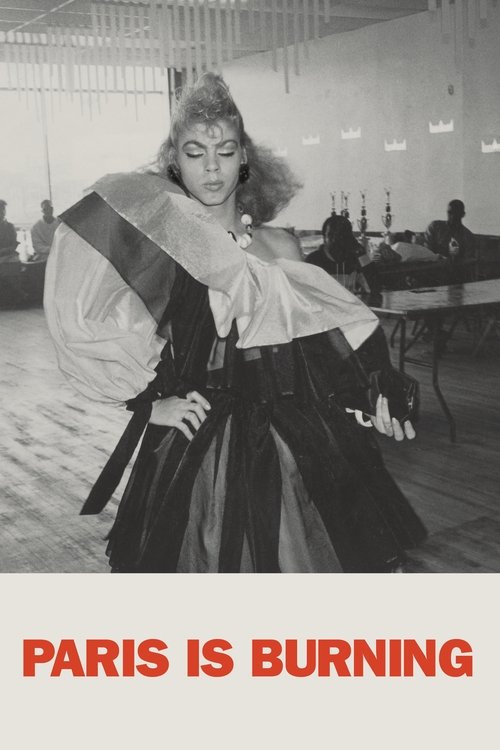
Paris Is Burning1991
Alike's search for a self and a family to hold it is the exact engine of ballroom culture — the same desire, thirty years earlier, in documentary form and one borough over.
Jennie Livingston's documentary on New York's Black and Latino ballroom scene shows the chosen family Alike is reaching for already fully built — houses, categories, mothers who choose you.
But No conventional narrative arc; it's observational documentary, and some of its language now needs its own historical footnotes.
More like this (8)
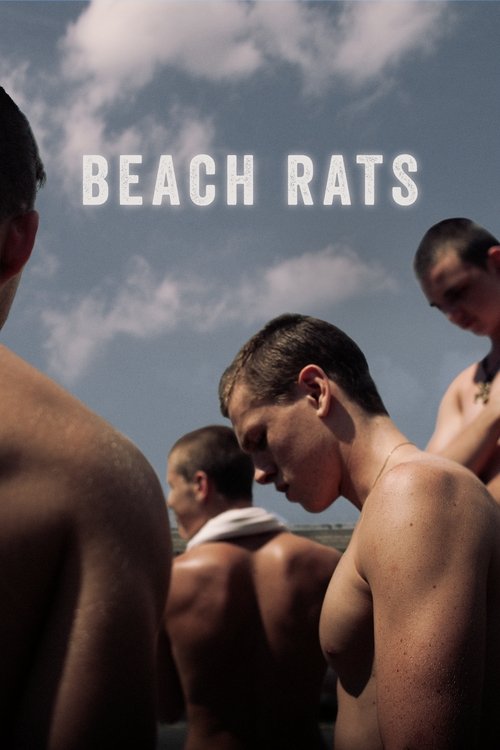
Beach Rats2017
A closeted young man drifts between tough-guy friends and anonymous hookups in a Brooklyn shot with the same hazy, sun-bleached tenderness as Pariah, just filtered through masculinity instead.
But The protagonist is far more passive and self-destructive than Alike, which makes him harder to root for.
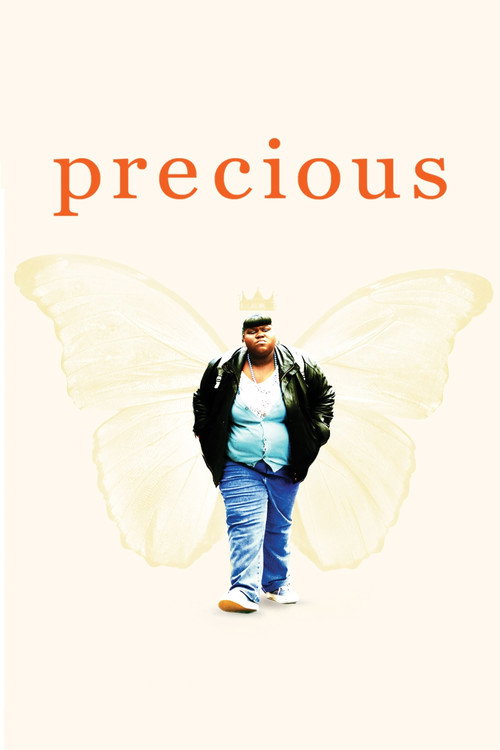
Precious: Based on the Novel 'Push' by Sapphire2009
Same Brooklyn housing-project world, same collision between a daughter who won't conform and a mother who won't accept her, played at a rawer, more brutal pitch.
But It's considerably harsher and more traumatic — this is punishing viewing, not a gentle companion piece.
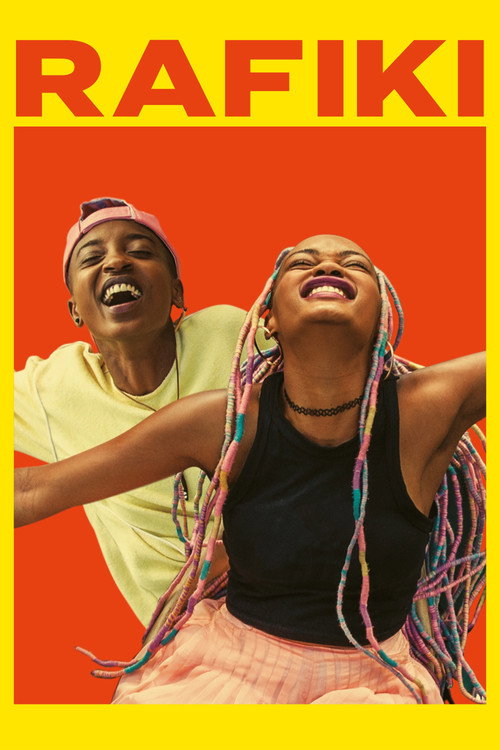
Rafiki2018
A lesbian romance set in Nairobi, banned in its own country on release, sharing Pariah's interest in what it costs to be visibly yourself inside a family that says no.
But The film doesn't shy from difficult confrontations, and it withholds the kind of clean resolution some viewers want.
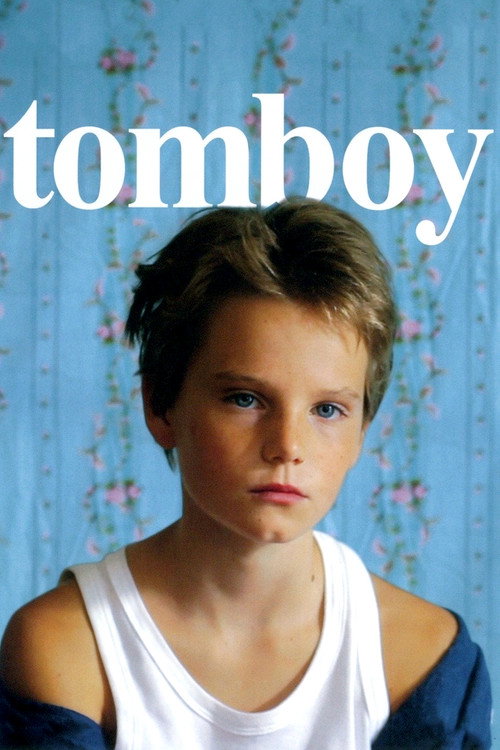
Tomboy2011
Céline Sciamma's story of a ten-year-old exploring gender identity over one summer shares Pariah's patient camera and its refusal to explain its subject to the audience.
But A much younger protagonist and a gentler, more elliptical story — it won't deliver teenage stakes if that's what you're after.
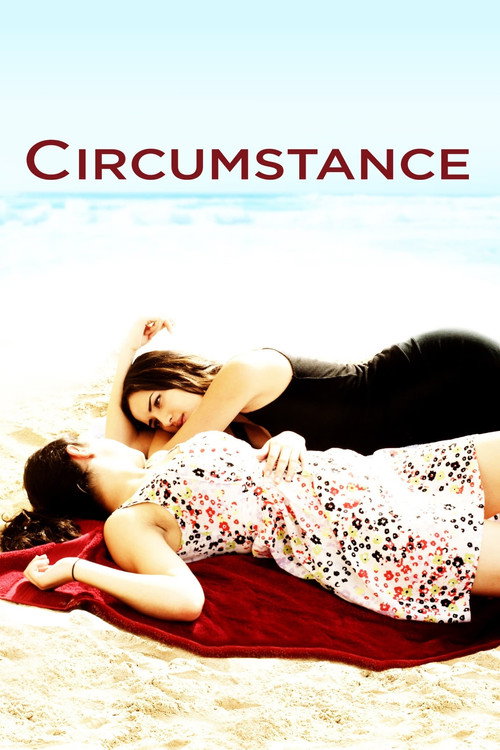
Circumstance2011
Two teenage girls fall for each other in Tehran under a religious brother's watch; the family surveillance and coded self-expression echo Pariah's bedroom scenes almost exactly.
But The politics are heavier and more explicit, and the back half leans into thriller tension rather than Pariah's quiet realism.
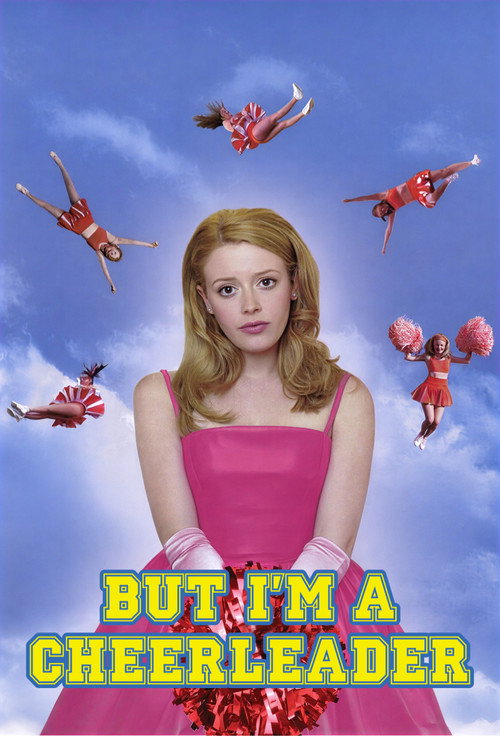
But I'm a Cheerleader2000
A neon-bright satire of gay conversion camp that takes the same family-rejection wound and detonates it as camp comedy — proof it can be told as farce, not just ache.
But Deliberately artificial and broad; after Pariah's realism, the pivot into pastel absurdism might jar rather than land.
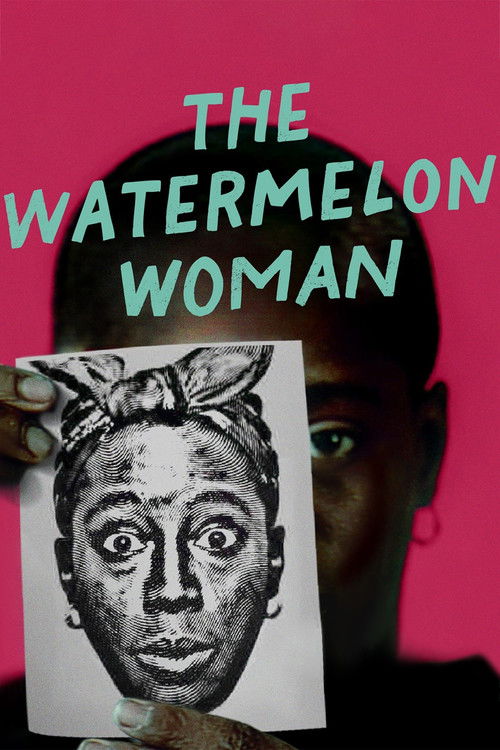
The Watermelon Woman1997
Dunye essentially invented the register Rees works in: a Black lesbian director turning the camera on her own community's self-invention, decades before it had studio backing.
Cheryl Dunye's scrappy, funny mockumentary about a Black lesbian filmmaker hunting a forgotten actress is the low-budget, self-aware ancestor of everything Pariah does with sincerity.
But Shot on a shoestring in the mid-90s, with rough VHS-era visuals and a much shaggier structure than Pariah's polish.
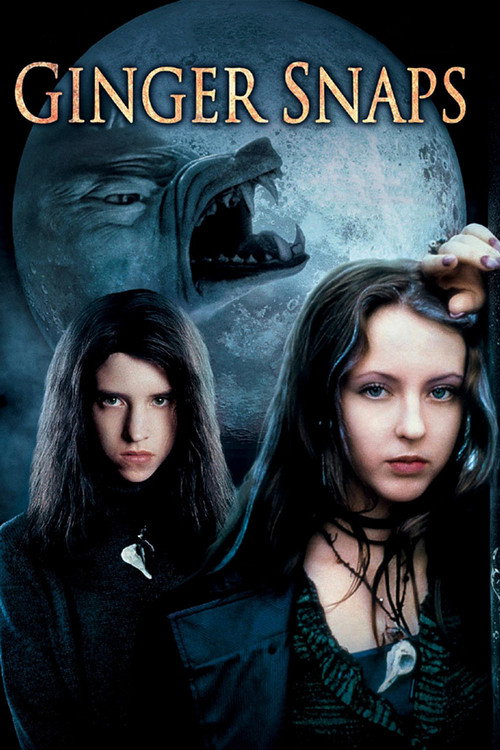
Ginger Snaps2000
Both films use a body changing against a girl's will as the story engine; Ginger Snaps just swaps social alienation for literal monstrousness, the same fear in a completely different costume.
A Canadian body-horror film where a teenage girl's werewolf transformation becomes a blunt metaphor for puberty and becoming other — the same adolescent dread Pariah tells straight, told here through claws and blood.
But It's genre horror with gore and creature effects — a hard tonal left turn from Pariah's naturalism, and it won't satisfy if you wanted realism.
People
Cast
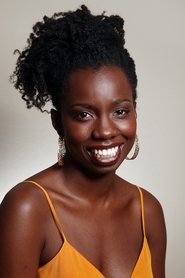 Adepero OduyeAlike
 Pernell WalkerLaura
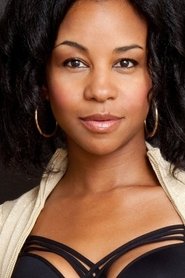 Aasha DavisBina
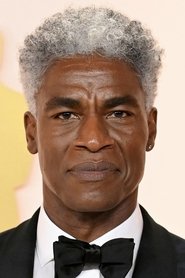 Charles ParnellArthur
 Sahra MellesseSharonda
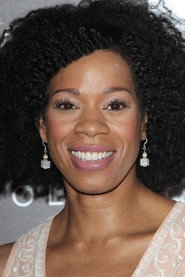 Kim WayansAudrey
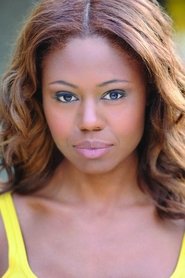 Shamika CottonCandace
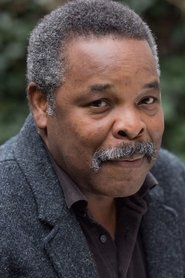
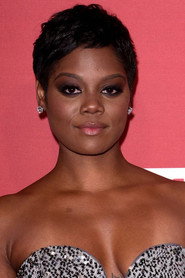 Afton WilliamsonMika
 Zabryna GuevaraMrs. Alvarado
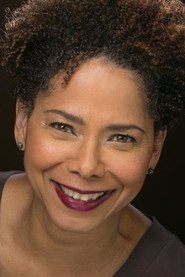 Kim SykesMrs. Singletary
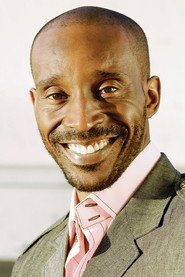 Rob MorganSock
Directing
- Dee ReesDirector
Writing
- Dee ReesWriter
Production
- Eyde BelascoCasting
- Ann BradleyExecutive Producer
- Benjamin WeberExecutive Producer
- Douglas EisenbergExecutive Producer
- Jeanine McleanExecutive Producer
- Judith HelfandExecutive Producer
- Julie Parker BenelloExecutive Producer
- Mary Jane SkalskiExecutive Producer
- Matthew J. SimonExecutive Producer
- Sam MartinExecutive Producer
- Spike LeeExecutive Producer
- Stefan NowickiExecutive Producer
- Susan LewisExecutive Producer
- Wendy EttingerExecutive Producer
- Isaac McGuireLine Producer
- Nekisa CooperProducer
Recommended by
But I'm a Cheerleader, Moonlight, The Fits, The Miseducation of Cameron Post, The Wound, Mustang, Blue Is the Warmest Color, Vida, Real Women Have Curves, Girlhood, Boys Don't Cry, Tangerine, Enough Said, Wadjda, Tsotsi, Guardian, A Fantastic Woman, Rafiki, Down in the Delta, Jumping the Broom, My Brother's Keeper, Undressed, Honeycomb, I Will Follow, The Inspection, Port Authority, 3 Generations, Blackbird, Woman Thou Art Loosed, Madea Goes to Jail, Cornbread, Earl and Me, Mississippi Damned, Just Another Girl on the I.R.T., Jailbait, Difret, Bad Blood, A Girl Like Grace, Collision, For Colored Girls, The Correction, Shortbus, Codependent Lesbian Space Alien Seeks Same, The Inevitable Defeat of Mister & Pete, Audre Lorde: The Berlin Years 1984-1992, Gimme Shelter, Mosquita y Mari, I Do, Acceptance, Yesterday, Middle of Nowhere, The Single Moms Club