
Film
Audre Lorde: The Berlin Years 1984-1992
A documentary portrait of Audre Lorde's transformative years in 1980s Berlin, where the pioneering Black lesbian poet mentored a generation of Afro-German writers and activists. Intimate, archive-rich, and grounded in Lorde's own words and presence. Essential viewing for anyone who wants to understand her influence beyond America, and crucial for grasping a pivotal moment in German cultural history.
If you liked this
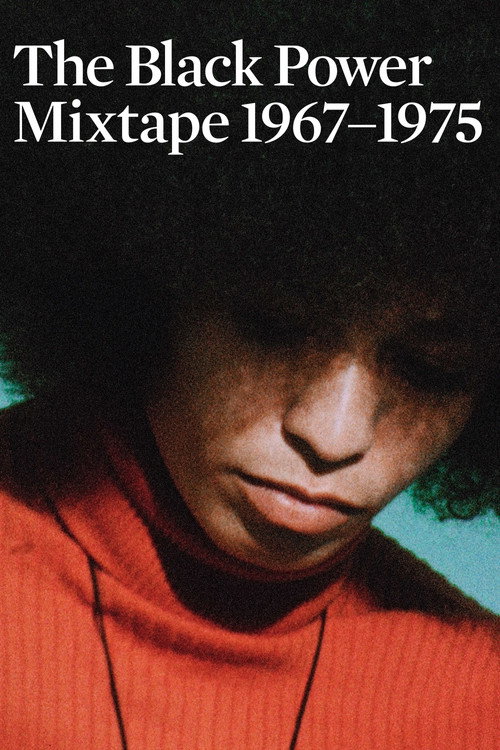
The Black Power Mixtape 1967-19752011
Like the Lorde film, this archival documentary uses newly discovered footage to resurrect a vital Black radical moment. Rich with period material and interviews, it's meditative rather than didactic, letting history breathe.
But The non-linear structure and focus on lesser-known figures means it won't give you a neat timeline. Some sequences linger longer than you might expect.
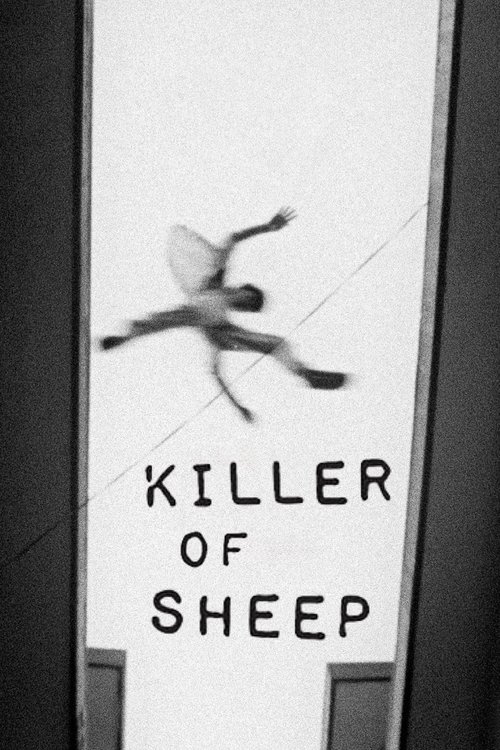
Killer of Sheep1978
A lyrical, formally daring portrait of everyday life in Watts—Black existence rendered with poetry and specificity rather than as a social problem to be solved. Lorde would recognize its commitment to dignity and witness.
But It's deliberately paced and plotless. If you want conventional narrative momentum or clear cause-and-effect, this will frustrate you.
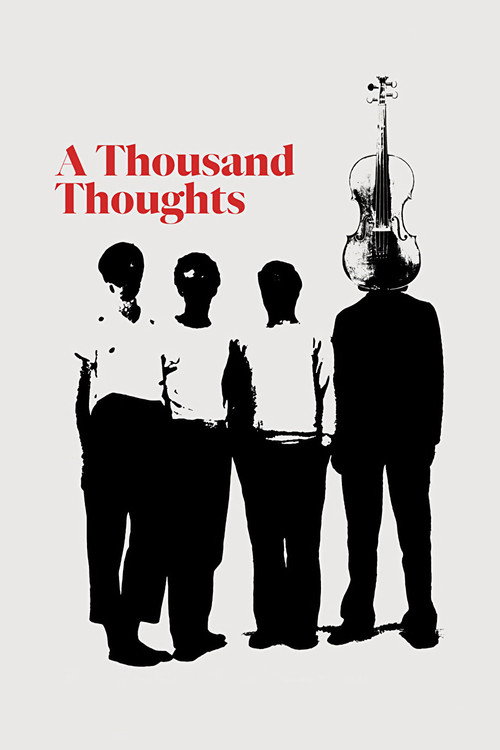
A Thousand Thoughts2018
Chronicles the life of South African activist and writer Zanele Muholi, another figure devoted to visibility and the documentation of Black queer life. Intimate interviews and stunning photography. A conversation across continents and generations.
But The film operates at an introspective register—it's quiet and interior. If you need narrative propulsion or clear conflict, it may not hold you.
Not sure tonight? Get a pick in a minute, starting from Audre Lorde: The Berlin Years 1984-1992
The wildcard
Something you would not have found on your own.
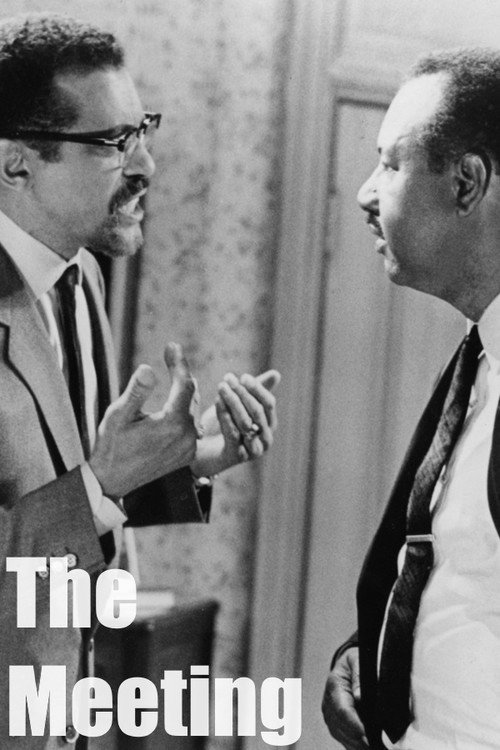
The Meeting1989
This captures Lorde in the same era the Schultz film covers, but through a different formal strategy: not archive but dialogue, not contextualization but pure intellectual encounter. A companion text that deepens understanding of her thought.
An experimental documentary that stages a filmed conversation between Audre Lorde and James Baldwin—two towering Black queer intellectuals talking across genres and time. Hypnotic, rare footage. A masterclass in thought and presence.
But At 27 minutes, it's entirely dialogue with minimal visual variety. If you need conventional documentary movement or aren't ready to just sit with Lorde and Baldwin talking, it's not for you.
More like this (4)
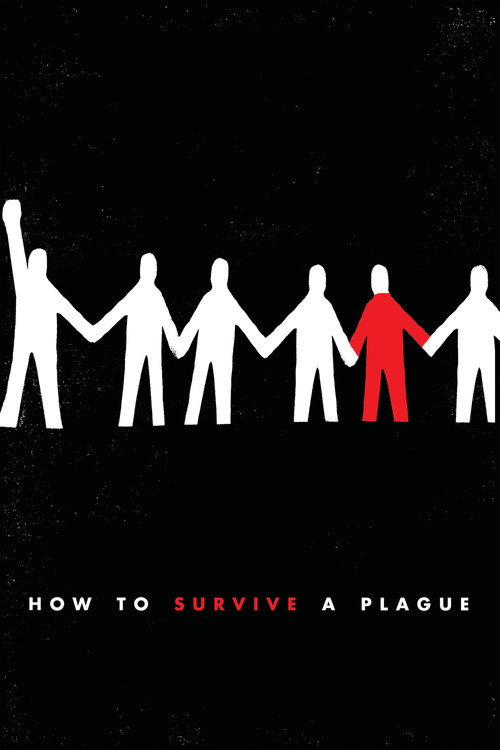
How to Survive a Plague2012
Uses archival footage to document AIDS activism in the 1980s and 90s, the same era as Lorde's Berlin years. A testament to radical care, visibility, and the refusal to be silenced. Lorde's work echoes throughout.
But The material is genuinely difficult—loss, illness, and institutional indifference. The film doesn't soften any of it. Emotionally demanding viewing.
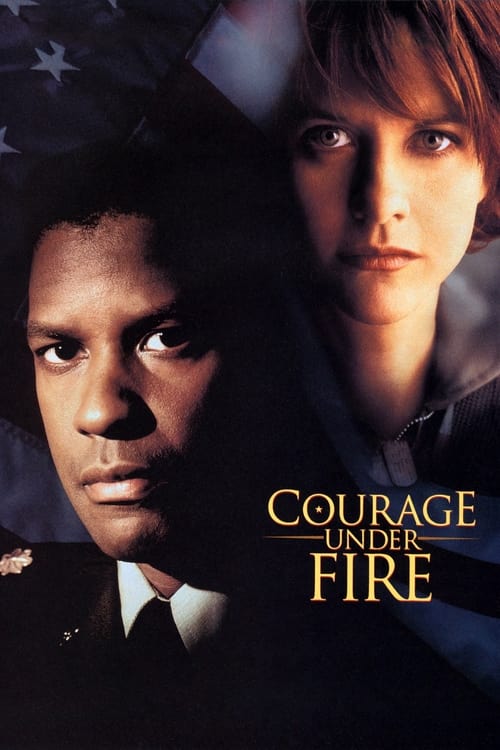
Courage Under Fire1996
Deepti Naval and Shabana Azmi as two women discovering love and desire in Delhi. A quietly radical film about queer possibility in a context hostile to it. Rooted in the same intersectional politics Lorde championed.
But Conservative viewers find it deliberately provocative. The sexuality is matter-of-fact rather than titillating, which some may experience as coldness rather than integrity.
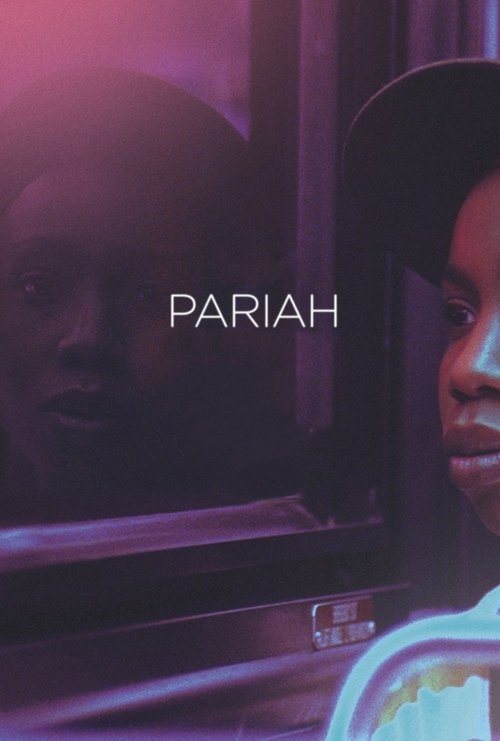
Pariah2011
A young Black lesbian navigating family, identity, and desire in Brooklyn. Visually gorgeous and emotionally specific. The kind of story that wouldn't exist without Lorde's work in Berlin and beyond—a living legacy.
But Quiet family drama may feel slight to those seeking external conflict. The pain is internal and slow-building rather than explosive.
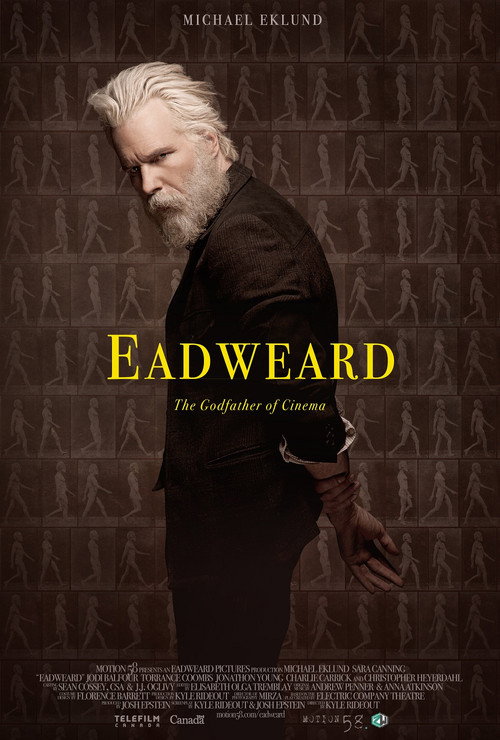
Eadweard2015
Both interrogate archives and visibility. Lorde insisted on being seen and on centering Black women's perspectives in German culture. This film examines who gets to appear in the archive, who controls the frame, and why it matters—a structural dialogue with the same questions.
An audacious essay-film about photographer Eadweard Muybridge, race, motion, and the visual archive. Formally inventive, densely layered. Shares Lorde's insistence that how we see—who controls the image—is itself a political act.
But Highly experimental and literary. If you prefer linear narrative or conventional documentary argument, this will read as impenetrable rather than challenging.
People
Cast
- Audre LordeSelf
- May AyimSelf
- Ria CheatomSelf
Directing
- Dagmar SchultzDirector
Writing
- Aletta von VietinghoffWriter
- Dagmar SchultzWriter
- Ika Hügel-MarshallWriter
- Ria CheatomWriter
Production
- Dagmar SchultzProducer