
Film
Kanehsatake, 270 Years of Resistance
Alanis Obomsawin's documentary captures the 1990 Oka Crisis, when Mohawk nations resisted a golf course development on sacred ancestral land. Shot during the standoff itself, it's urgent and visceral—a front-row seat to Indigenous sovereignty in action. Essential viewing for understanding Canada's relationship with First Nations.
Should you watch it?
Watch it if you want a patient, first-hand account of a standoff told from inside the Mohawk community, where the camera stays close to people who lived it and trusts you to sit with their grievances.
Skip it if you want a tidy, even-handed explainer of the 1990 events, since this makes its case openly from one community's side and assumes you can keep up with the history.
What it asks of you: Nearly two hours at the pace of testimony: unhurried, sometimes circling back, asking you to stay with one voice before the next arrives.
Not sure? Find tonight's pick in a minute.
If you liked this
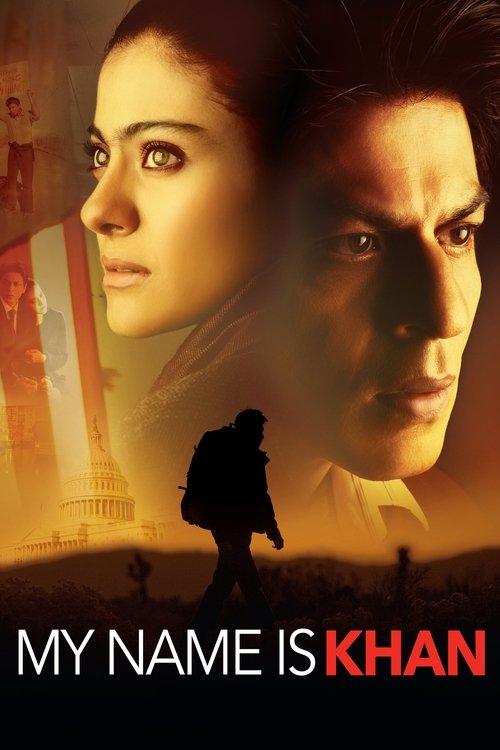
My Name Is Khan2010
A narrative film about identity, belonging, and the fractures between how you see yourself and how the state sees you. Explores faith, family, and resistance to systems that deny your humanity.
But It's lengthy and sometimes melodramatic. The second half shifts tone in ways that may feel manipulative rather than earned.
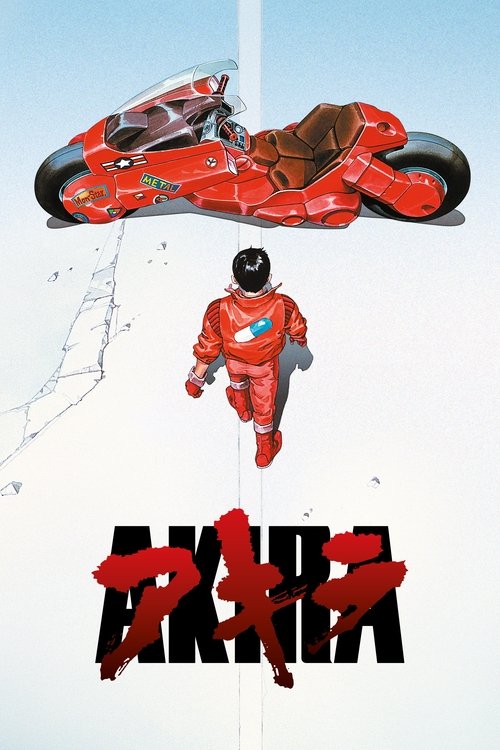
Akira1988
An anime about power, institutional control, and young people fighting systems designed to erase them. Visually stunning and structurally bold; it asks what resistance costs and who bears that cost.
But The dialogue is dense and mythic. The ending is deliberately ambiguous in ways that frustrate as much as fascinate.
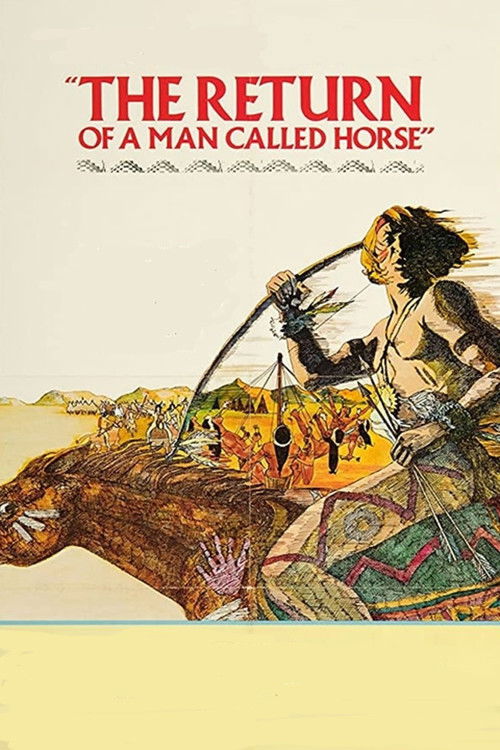
The Return of a Man Called Horse1976
A rare 1970s film that actually centers Native sovereignty and self-determination rather than white redemption. Takes seriously the cultures it depicts and the violence needed to protect them.
But Pacing is glacial. Some depictions of ritual feel like ethnographic spectacle rather than genuine engagement.
Not sure tonight? Get a pick in a minute, starting from Kanehsatake, 270 Years of Resistance
The wildcard
Something you would not have found on your own.
Werewolf1996
Both are about land as contested identity—not a resource to extract, but a living relationship that colonialism violates. Both refuse to center settler perspectives on their own violation.
A Ukrainian-Russian low-budget sci-fi film about an alien who becomes Indigenous. Sounds absurd—it is—but it's a genuine meditation on colonization, transformation, and what it means to belong to land versus claim ownership of it.
But It's weird, slow, and deliberately difficult. Subtitles, surrealist logic, and a resistance to Western narrative convention will test your patience. This is not a film that explains itself.

More like this (7)
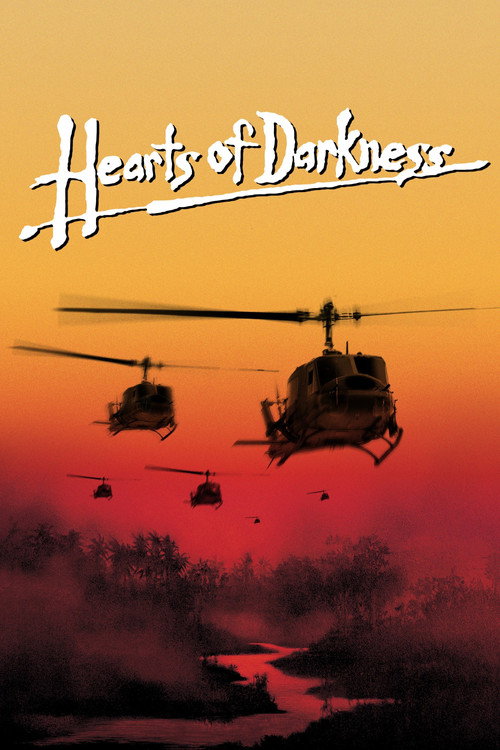
Hearts of Darkness: A Filmmaker's Apocalypse1991
A comedy-drama series created by and starring Indigenous writers and actors. It's funny, it's angry, it's alive—proof that Indigenous storytelling doesn't need permission or apology.
But Limited distribution and only one season. The tone whipsaws between comedy and serious drama in ways that don't always land.
Four Rooms1995
A documentary about Indigenous activism across North America. Wide-ranging and unvarnished, it captures the texture of everyday resistance and the people who carry it forward.
But The editing is loose and sometimes repetitive. Without stronger narrative throughline, it can feel more like documentation than storytelling.

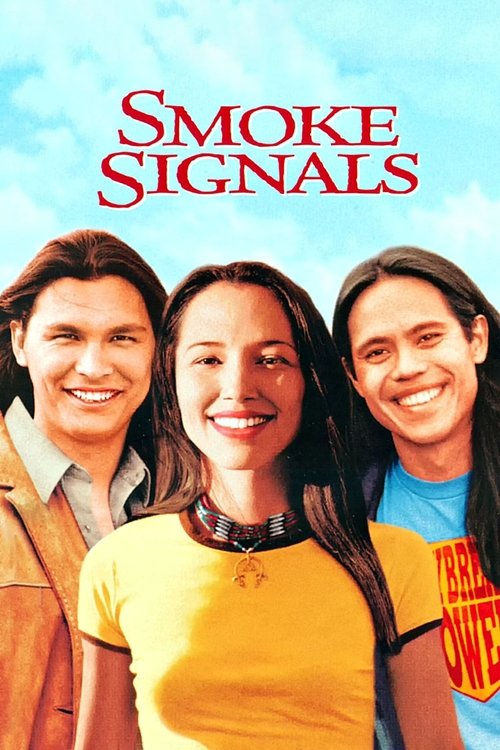
Smoke Signals1998
The first feature film directed by an Indigenous filmmaker (Chris Eyre) and written by a Native author (Sherman Alexie). A road movie about grief, identity, and Indian humor that refuses sentimentality.
But Made in the late 90s, some visual language feels dated. The emotional beats are explicit rather than subtle.
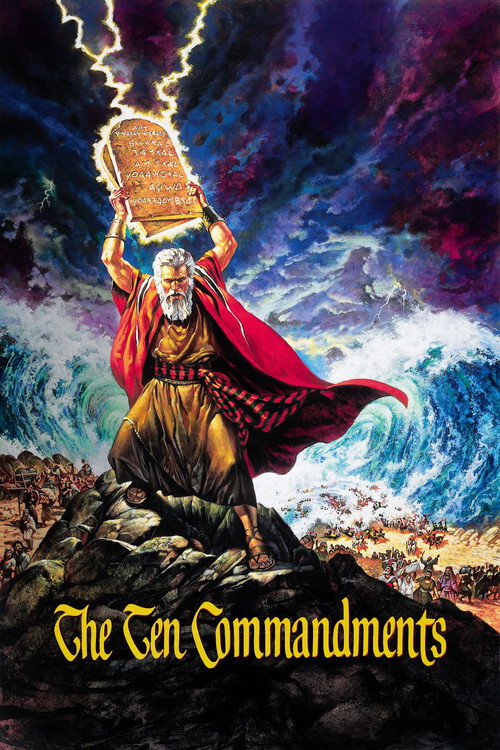
The Ten Commandments1956
A sprawling epic about oppression, liberation, and a people refusing to be erased. The scale and conviction remind you why epic cinema matters for stories this large and this human.
But It's four hours. DeMille's sensibility is unmistakably of its time—bombastic and sometimes hilariously earnest.
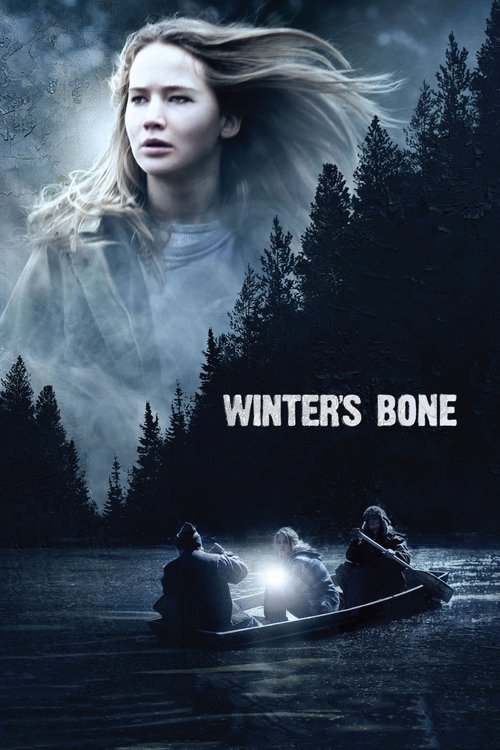
Winter's Bone2010
A woman navigates a broken community and criminal systems designed to protect the powerful. Austere and unsentimental about poverty and the costs of survival.
But Deliberately bleak. No catharsis, no redemption arc—just unflinching clarity about how systems grind people down.
Audre Lorde: The Berlin Years 1984-19922012
Both treat resistance as continuous and epistemological—not a single event but a way of seeing and surviving. Both insist that Indigenous and Black resistance are intellectual practices, not just political ones.
An essay-film combining archive, theory, and diary material about a Black lesbian poet in exile, thinking through resistance, community, and what it means to imagine freedom outside the nation-state.
But It's formally experimental and assumes you're willing to sit with contradiction and ambiguity. No plot, no answers, only thinking alongside someone else's thinking.

The Act of Killing2012
Both force viewers to reckon with how official history buries Indigenous and oppressed peoples' truths. Both refuse the comfort of looking away or treating atrocity as settled past.
A documentary that reverses the gaze: asks perpetrators of mass violence to reenact their crimes. Devastating, methodical, and a profound meditation on how nations erase their own atrocities and demand amnesia.
But It's morally queasy and visually nauseating. Extended footage of men trivializing genocide will make you furious and uncomfortable in ways that don't resolve easily.

People
Cast
 Alanis ObomsawinNarrator (voice)
- Jack BurningChief Joseph (voice)
- Herbie BarnesChief Augnita
- Ethel BlondinSelf
 Robert BourassaSelf
- John CiacciaSelf
- Ellen GabrielSelf
- Elijah HarperSelf
- Ovide MercrediSelf
- Frank NataweSelf
- Bill TraverseSelf
Directing
- Alanis ObomsawinDirector
Writing
- Alanis ObomsawinWriter
Production
- Grace AvrithPost Production Coordinator
- Alanis ObomsawinProducer
- Wolf KoenigProducer