
Film
The Return of a Man Called Horse
Richard Harris returns as an Englishman who abandoned civilization for the Sioux, only to find his adopted tribe decimated by fur traders. This 1976 sequel is a revisionist Western that takes seriously the idea of a man choosing Indigenous life over empire—ambitious in scope, uneven in execution, and utterly committed to its own strange vision of cultural crossover and frontier violence.
If you liked this
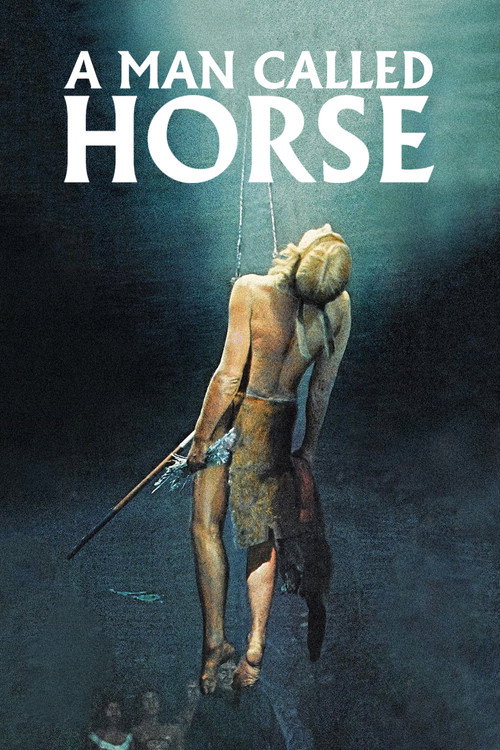
A Man Called Horse1970
The original that started it all: Harris's transformation from English lord to Sioux warrior is genuinely strange and compelling, with rituals and community life treated without condescension. Essential context that's also a remarkable film in its own right.
But The pacing is deliberate to the point of testing, and some depictions feel dated. It's not an action film dressed up as philosophy—it's philosophy moving at ritual speed.
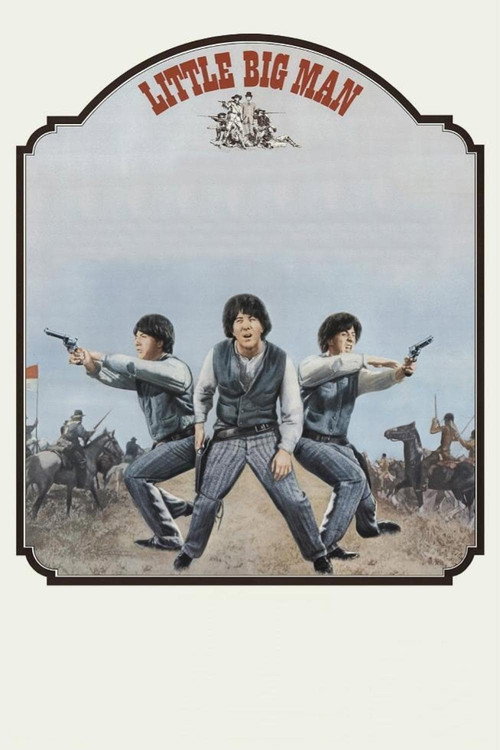
Little Big Man1970
Dustin Hoffman's picaresque journey through the West captures the same obsession with cultural collision and the seductive power of Indigenous life, but with Altman-influenced satire and moral messiness that's endlessly engaging.
But At over two hours, it meanders deliberately. The tone shifts between farce and tragedy can feel tonal rather than thematic, depending on your patience.
Johnny Guitar1954
Nicholas Ray's radical Western puts a woman at the centre and treats the frontier as a space of radical freedom and desire rather than manifest destiny. Like Horse, it rewrites what Westerns can be about.
But It's more interested in psychology and symbolism than plot momentum. The gunfights matter less than what they mean, which frustrated audiences in 1954 and still will now.

Not sure tonight? Get a pick in a minute, starting from The Return of a Man Called Horse
The wildcard
Something you would not have found on your own.
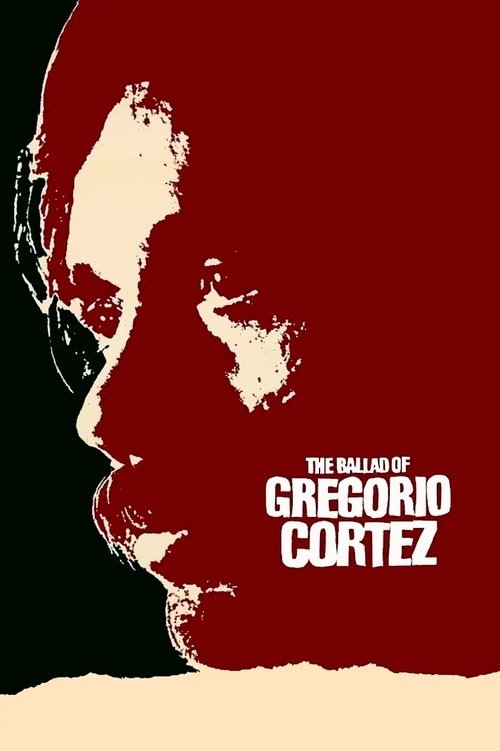
The Ballad of Gregorio Cortez1983
Both centre on men who refuse assimilation into the dominant culture and face destruction for it. Both are interested in honour and identity as acts of resistance rather than romance.
Edward James Olmos in this quietly radical telling of a Mexican-American legend treated as a fully human protagonist rather than a historical figure. It shares Horse's interest in a man standing between two worlds and choosing neither fully—neither the Anglo law nor the Mexican tradition, but his own code.
But It's a regional film that never got wide distribution. The pacing is unhurried and the tone is elegiac rather than dramatic, which some find meditative and others find slow.
More like this (7)
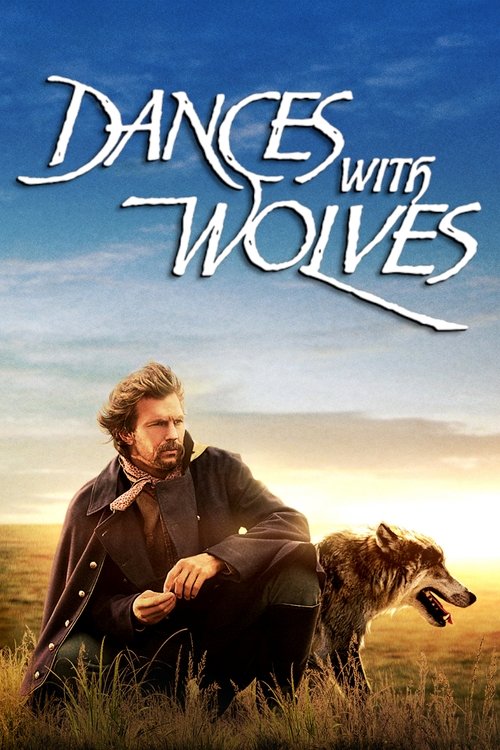
Dances with Wolves1990
Kevin Costner's epic covers similar thematic ground—a white man integrated into Lakota life—but with Hollywood resources and emotional directness. If you want the idea made pristine and accessible, this is it.
But The film smooths where Horse fractures. It's more comfortable with its own message, which some find moving and others find patronizing.
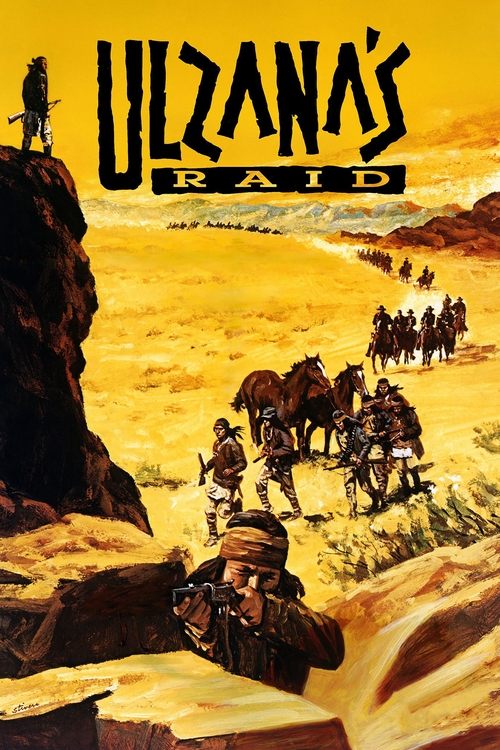
Ulzana's Raid1972
Robert Aldrich's unsparing cavalry Western refuses easy moralizing about Apache resistance and white settlement. It's brutal, intelligent, and treats Indigenous warriors as full moral agents rather than victims or villains.
But It's violent and cynical about American expansionism in ways that can feel bleak rather than cathartic. There's no redemptive arc, which some viewers find punishing.
The Ballad of Little Jo1993
Maggie Greenwald's quietly radical film about a woman passing as a man in the frontier West shares Horse's interest in people who opt out of their assigned civilization and forge new identities.
But It's a chamber piece dressed as a Western—intimate rather than epic. The restraint works thematically but can feel slow if you came for spectacle.

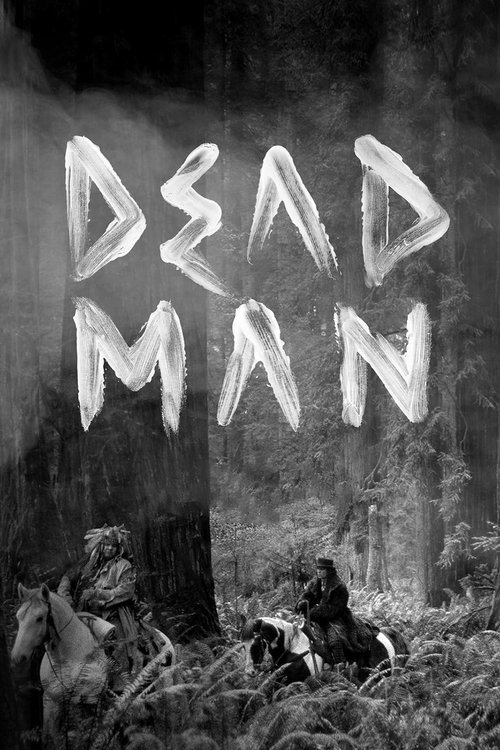
Dead Man1995
Jim Jarmusch's black-and-white fever dream follows an accountant drifting into the frontier with a Native American guide. Like Horse, it's interested in transformation and the death of the self, but through psychedelia rather than earnestness.
But It's deliberately oblique and refuses conventional narrative satisfaction. The tone is distant and sometimes impenetrable, which reads as artistic to some and pretentious to others.
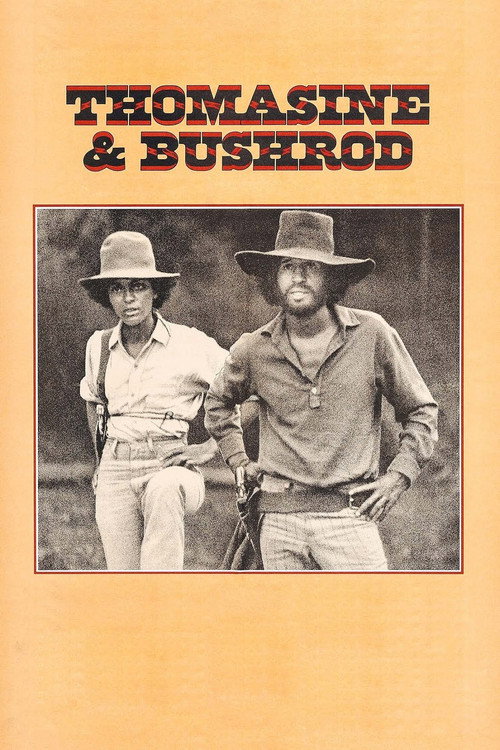
Thomasine & Bushrod1974
This early-'70s Black Western about an outlaw couple contains the same energetic, slightly pulpy revisionism as Horse—taking the form seriously while refusing its old politics.
But It's not well-preserved and hasn't aged into a classic. The budget shows, and the pacing is uneven in ways that feel like limitations rather than choices.
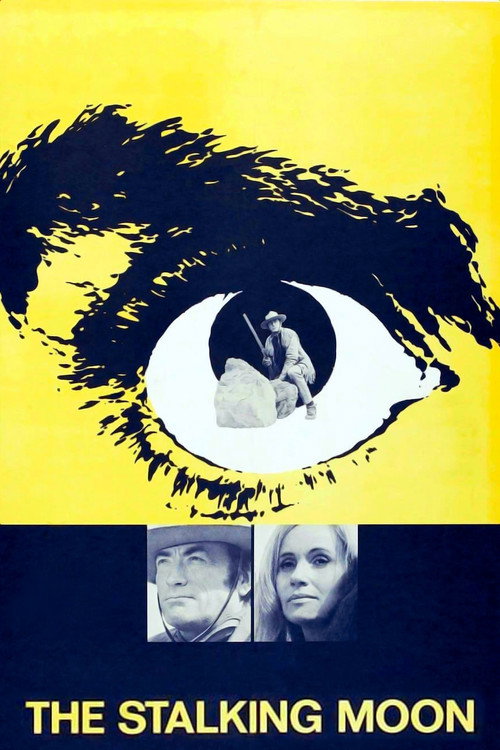
The Stalking Moon1968
Gregory Peck in an Apache revenge narrative that complicates the standard cavalry Western. Tense, morally complicated, and genuinely interested in what happens after the conflict ends.
But It's primarily a thriller rather than a character study, which means the philosophical ambitions take a back seat. Some find it too conventional for what it's trying to say.
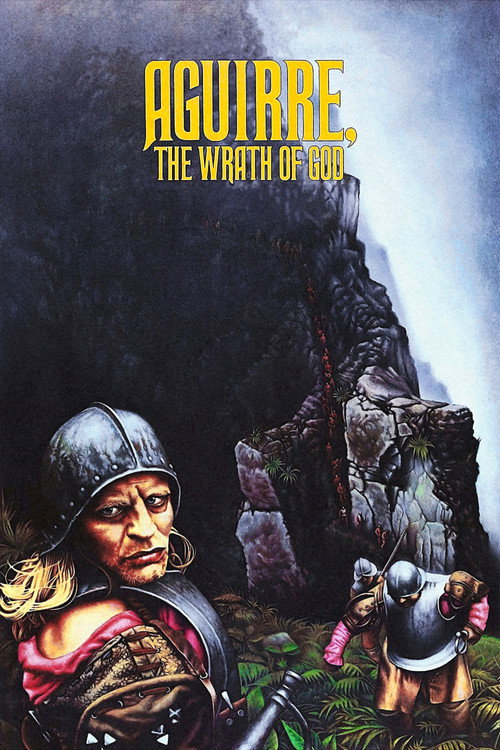
Aguirre, the Wrath of God1972
Both films are obsessed with what the frontier does to European identity—not conquering it, but destroying it. Both treat the landscape as a character with agency.
Werner Herzog's obsessive conquistador, descending into madness in the jungle, is Horse inverted—a man clinging to civilization's hierarchies as they dissolve around him. Klaus Kinski's performance is feral and magnificent. Herzog's vision of the frontier is hallucinatory where Horse is ritualistic, but equally committed to the idea of the land unmade a man.
But It's genuinely strange and sometimes impenetrable. Herzog's symbolism doesn't always cohere, and the film can feel like endurance rather than entertainment.
People
Cast
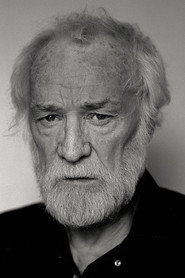 Richard HarrisJohn Morgan / Horse
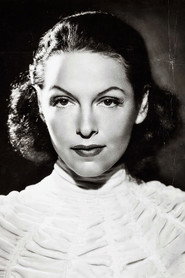 Gale SondergaardElk Woman
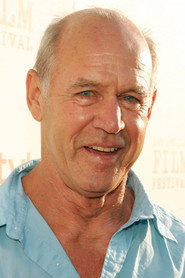 Geoffrey LewisZenas
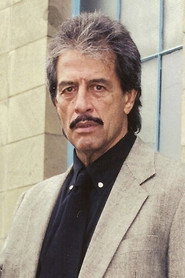 Jorge LukeRunning Bull
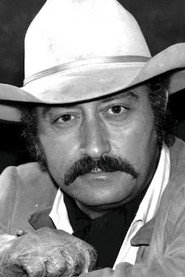 Jorge RussekBlacksmith
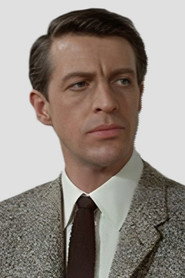 Claudio BrookChemin De Fer
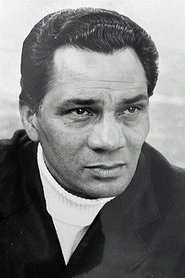 Enrique LuceroRaven
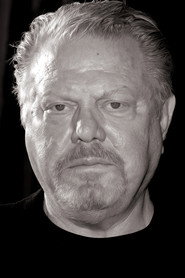 William LuckingTom Gryce
- Regino HerreraLame Wolf
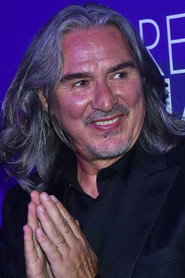 Pedro DamiánStanding Bear
- Humberto LópezThin Dog
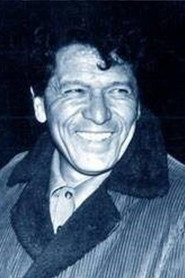 Alberto MariscalRed Cloud
Directing
- Irvin KershnerDirector
- Michael D. MooreSecond Unit Director
Writing
- Dorothy M. JohnsonCharacters
- Jack DeWittWriter
Production
- Lea StalmasterCasting
- Richard HarrisExecutive Producer
- Sandy HowardExecutive Producer
- Jan DeWittLocation Manager
- Terry Morse Jr.Producer
- Theodore R. ParvinProducer