
Film
A Man Called Horse
A 1970 Western that strips away myth to show cultural collision and assimilation with shocking physicality. Richard Harris plays an English aristocrat captured by Sioux warriors and forced through brutal rituals to earn his place in the tribe. It's anthropological and unflinching, more interested in the texture of survival than heroics. For viewers who want their Westerns strange and serious.
Should you watch it?
Watch it if you want a slow, patient survival film where the drama lives in ritual, silence and an outsider learning a different world's rules, and you don't mind a 1970s western that takes its time.
Skip it if you want gunfights and a clear hero's arc, since this is mostly endurance and cultural immersion, and its portrayal of Native characters may feel dated today.
What it asks of you: It is long and unhurried, with quiet stretches and a lot of time spent on physical hardship, so it rewards patience more than it rewards quick attention.
Not sure? Find tonight's pick in a minute.
If you liked this
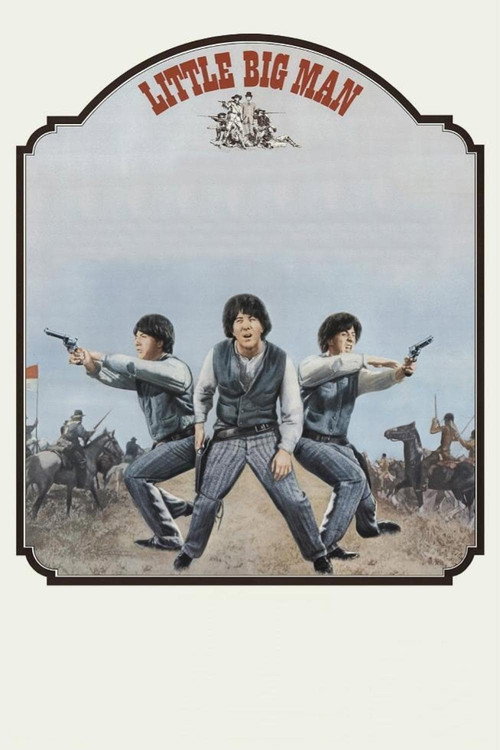
Little Big Man1970
Released the same year, this revisionist Western also questions white civilization through an outsider's perspective. It pairs savage humour with genuine tragedy and paints the frontier as morally ambiguous rather than heroic.
But It's long and episodic, bouncing through decades of American history. The tonal shifts between comedy and atrocity can feel jarring if you're expecting conventional narrative.
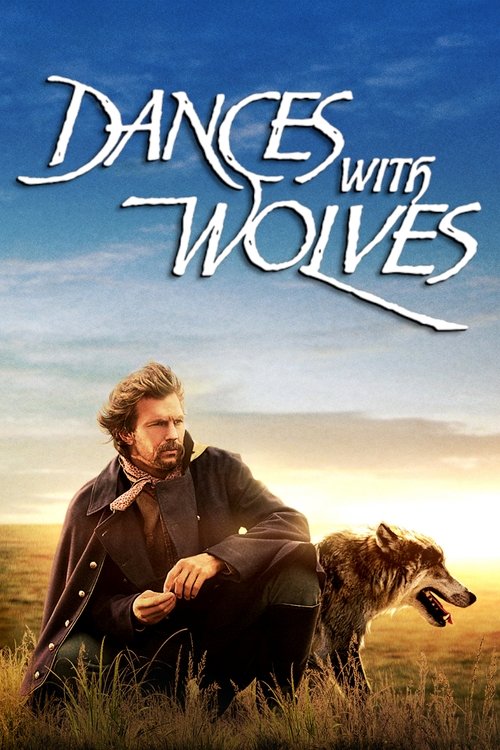
Dances with Wolves1990
Kevin Costner's epic also tracks a white man's transformation through immersion in Lakota culture, with sweeping cinematography and emotional weight. It shares the slow-burn commitment to showing cultural integration rather than conquest.
But It's considerably more romantic and forgiving about colonialism. If you want the grit and moral complexity of *A Man Called Horse*, this softens the edges considerably.
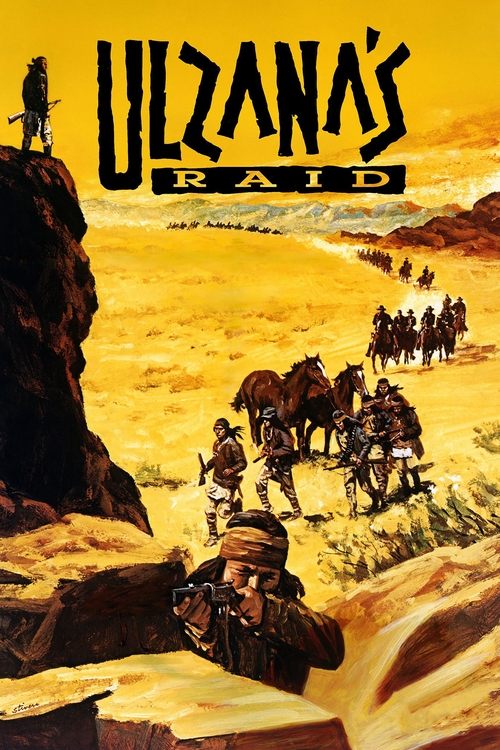
Ulzana's Raid1972
Robert Aldrich's lean, brutal Western respects Indigenous warfare and resistance without sentimentalizing either side. It has the same unflinching approach to violence and cultural difference, packed into a tighter frame.
But It's a revenge pursuit film, so it moves faster than *A Man Called Horse*—less time for ritual and immersion, more for action. Some find Aldrich's cynicism exhausting rather than clarifying.
Not sure tonight? Get a pick in a minute, starting from A Man Called Horse
The wildcard
Something you would not have found on your own.
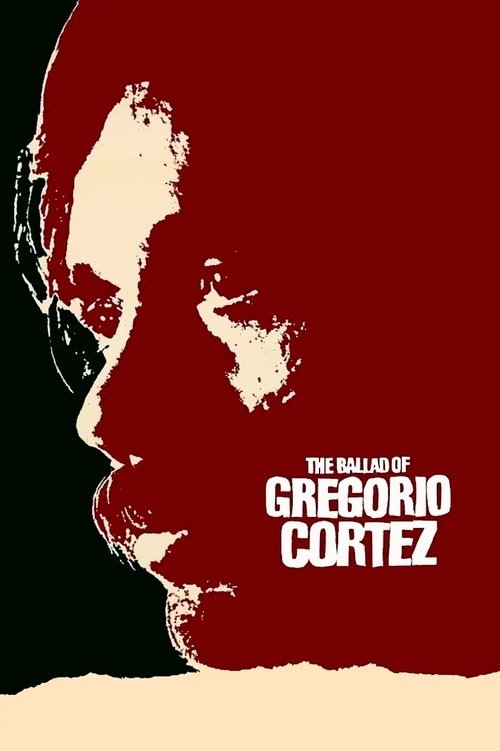
The Ballad of Gregorio Cortez1983
Both films center on a man defined by cultural difference trying to survive in an American landscape that sees him as fundamentally foreign or threatening. Both refuse to make his outsider status a source of advantage or narrative redemption.
A Chicano Western about a Mexican ranchero hunted across Texas after a misunderstanding. It shares *A Man Called Horse*'s interest in how cultural outsiders navigate white American power structures, but adds language barrier, legal injustice, and folk-hero mythology. Urgent and human.
But It's made for television and shot on a modest budget. The production values are humble and the pacing is deliberate rather than propulsive. Also rarely available—finding it requires effort.
More like this (8)
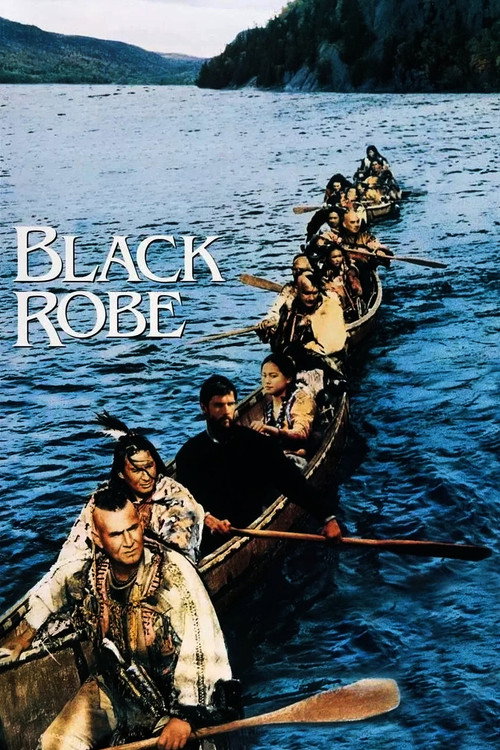
Black Robe1991
A Jesuit missionary among the Huron in 17th-century Canada. It has the same commitment to showing cultural practices without judgment, stunning cinematography, and the same sense that integration is survival. Historically serious and visually stunning.
But The pacing is meditative and slow. Religious themes and the missionary's spiritual crisis may feel distant if you're after straightforward action or character arcs.
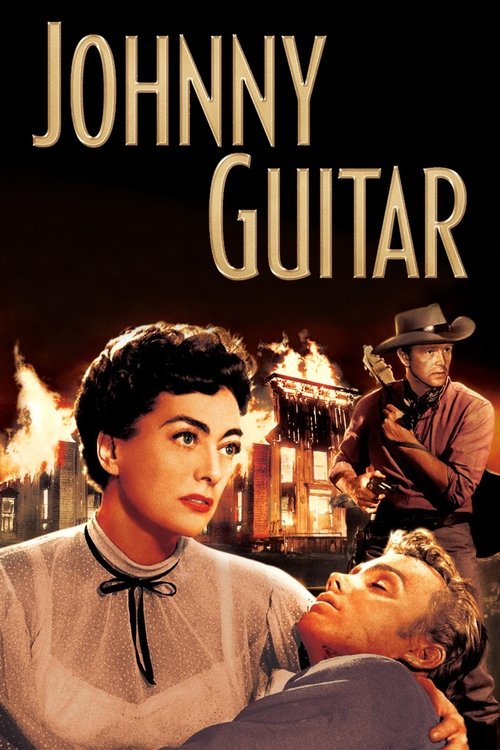
Johnny Guitar1954
Nicholas Ray's utterly strange Western features a woman rancher as the protagonist and subverts almost every genre expectation. It shares *A Man Called Horse*'s willingness to make the genre unfamiliar and psychologically complex.
But It's surreal and theatrical rather than realistic. The dialogue is arch, the logic dreamlike—if you want verisimilitude, this abandons it entirely.
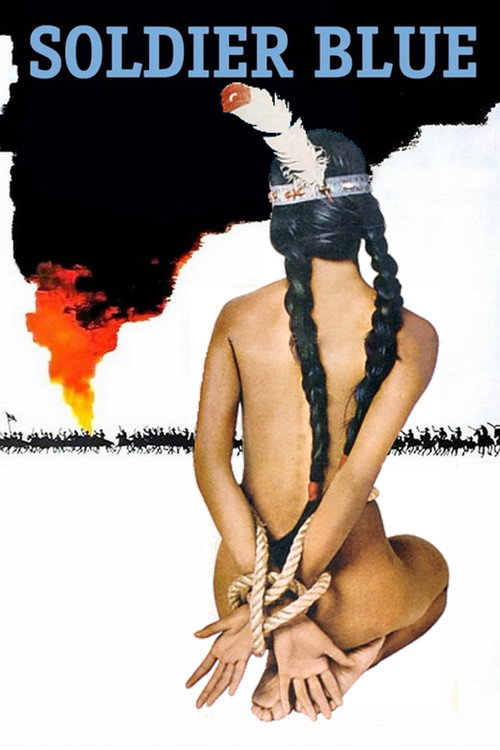
Soldier Blue1970
Another 1970 Western that doesn't flinch from showing cavalry brutality against Indigenous peoples. It pairs an unlikely friendship with historical horror, and refuses the comfort of easy heroism.
But It's polemical in ways that can feel heavy-handed. The violence toward Native Americans is unflinching to the point where some viewers experience it as exploitation rather than critique.
The Ballad of Little Jo1993
Maggie Greenwald's quiet Western about a woman passing as a man in 1860s Nevada, surviving through deception and adaptation. It shares the focus on survival through reinvention and the willingness to show hardship without melodrama.
But It's intimate and small-scale where *A Man Called Horse* is epic and immersive. The rewards are internal; there's no triumph, just endurance.

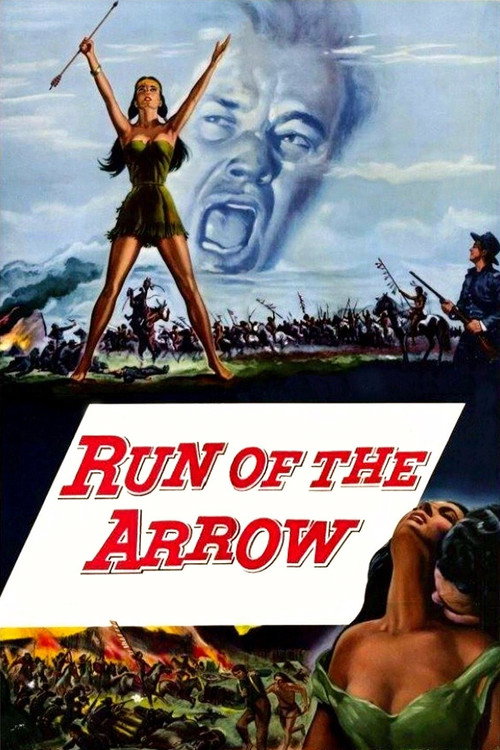
Run of the Arrow1957
Samuel Fuller's rogue Western follows a Confederate soldier who joins the Sioux after the Civil War. It predates *A Man Called Horse* with similar themes of cultural crossing and asks whether loyalty to tribe or nation matters more.
But It's didactic and the dialogue can feel clunky by modern standards. Fuller's directness sometimes overwhelms the storytelling, and the pacing is uneven.
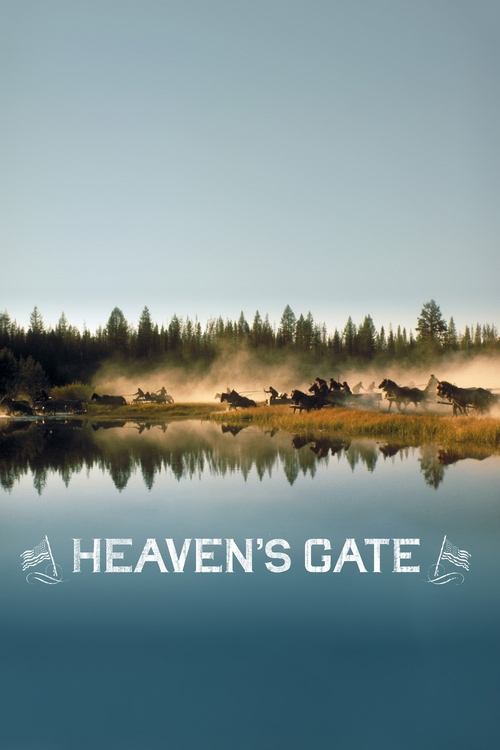
Heaven's Gate1980
Cimino's epic Western, though focused on class conflict rather than Indigenous culture, shares the commitment to showing frontier life as brutal, complex, and resistant to heroic framing. It's visually extraordinary and morally serious.
But It's notoriously long, slow, and demanding. Many find it self-indulgent. If you want narrative clarity and forward momentum, this will frustrate you deeply.
The Holy Mountain1973
Both films treat the body and suffering as the primary language of spiritual or cultural transformation. Both reject psychological realism in favor of ritual and symbol. Both are interested in what it costs to be reborn.
Jodorowsky's surreal spiritual epic tracks an alchemist's transformation through brutal ritual and symbolic trials. Like *A Man Called Horse*, it's obsessed with initiation, the body as site of transformation, and the cost of becoming something new. Visually hallucinatory and philosophically ambitious.
But It's deliberately obscure and avant-garde. There is no plot in any conventional sense, the symbolism is dense and debatable, and the imagery is often grotesque or disturbing. If you want coherence or comfort, this will punish you.

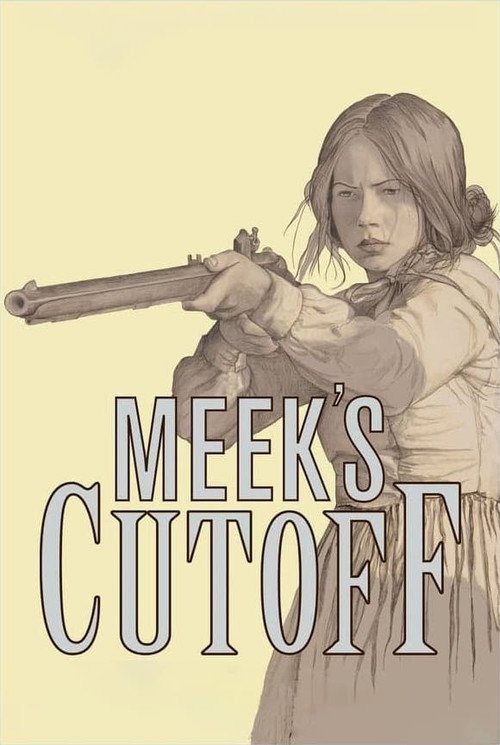
Meek's Cutoff2011
Both films use the Western form to explore vulnerability and displacement rather than mastery. Neither offers the comfort of heroic agency. Both suggest that survival in harsh landscapes is about endurance and luck rather than will or virtue.
Kelly Reichardt's austere Western follows settlers on the Oregon Trail led by a guide of uncertain competence. Shot in tight framing and sparse dialogue, it shares *A Man Called Horse*'s commitment to showing survival as unglamorous labor. The landscape is indifferent; so is the film.
But Almost nothing happens in a conventional sense. The emotional register is flat. If you need clear narrative arcs, character psychology, or a sense that the story is leading somewhere, this will feel punishing and incomplete.
People
Cast
 Richard HarrisJohn Morgan
 Jean GasconBatise
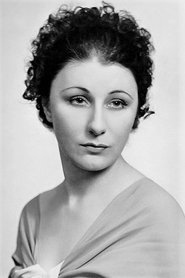 Judith AndersonBuffalo Cow Head
 Corinna TsopeiRunning Deer
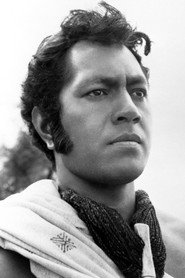 Manu TupouYellow Hand
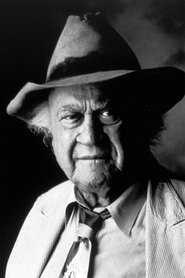 Dub TaylorJoe
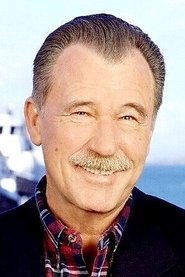
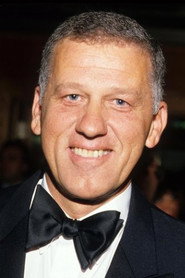 William JordanBent
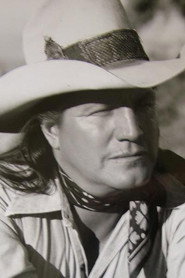 Eddie Little SkyBlack Eagle
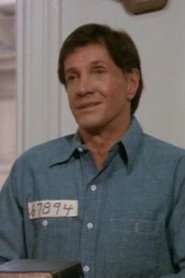 Michael BaseleonLongfoot
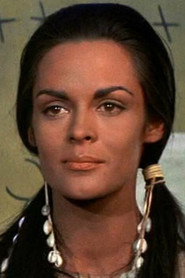 Lina MarínThorn Rose
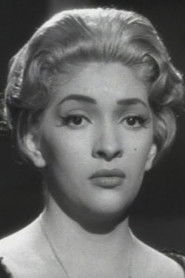 Tamara GarinaElk Woman
Directing
- Elliot SilversteinDirector
- Charlsie BryantScript Supervisor
Writing
- Jack DeWittScreenplay
- Dorothy M. JohnsonStory
Production
- Frank BrillProducer
- Sandy HowardProducer
Recommended by
Dances with Wolves, Jeremiah Johnson, Broken Arrow, The Trap, Don Q Son of Zorro, Unbroken: Path to Redemption, The Return of a Man Called Horse, The Savage, The Great Adventure, Johnny Tiger