
Film
Run of the Arrow
A 1957 Western about a defiant Confederate soldier who rejects America entirely, joins a Sioux tribe, and marries into their community—until tribal warfare forces him to reckon with where his loyalties truly lie. Samuel Fuller's film is bold and strange, treating its premise with seriousness rather than adventure-movie gloss. It's for anyone curious about Westerns that actually grapple with ideology and displacement.
Should you watch it?
Watch it if you like revisionist westerns that treat the frontier as a place of outsiders and hard loyalties, and you don't mind a rough, talky film with a 1950s studio gloss.
Skip it if you want a clean, sunlit cowboy adventure; this one is gritty, uneven in tone, and its Sioux are mostly played by white actors of its era.
What it asks of you: Under ninety minutes, with a slow, deliberate build and a dark undertow; it wants your full attention on a divided man more than on gunfights.
Not sure? Find tonight's pick in a minute.
If you liked this
Johnny Guitar1954
Vienna, a woman saloon-owner, stands her ground against a lynch mob with the same moral clarity O'Meara seeks among the Sioux. Joan Crawford in full command, plus a Western that treats power and belonging as philosophical questions rather than plot points.
But The tone is theatrical and strange in ways that feel dated. Some sequences move glacially. Not a shoot-em-up.

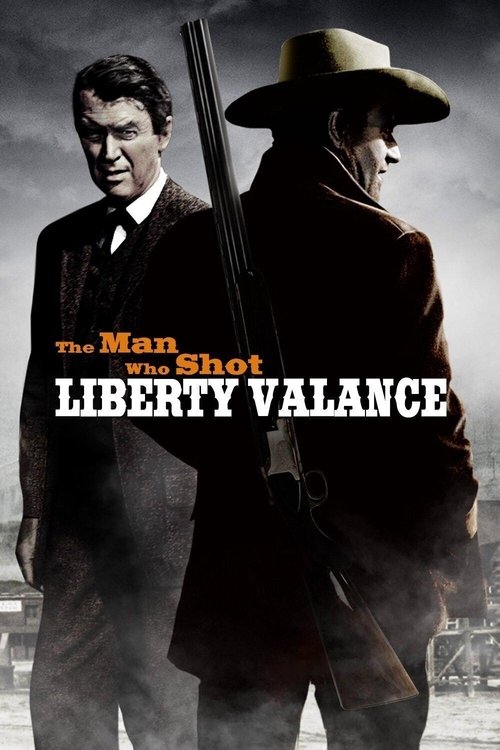
The Man Who Shot Liberty Valance1962
Explores the myth-making around the West and asks whether civilization is worth the cost. Ford's meditation on loyalty, identity, and the stories we tell ourselves about America feels like a natural companion to Fuller's restless questioning.
But Deliberately unhurried, almost elegiac. Shot in black-and-white studio sets. Rewards patience but doesn't flatter impatience.
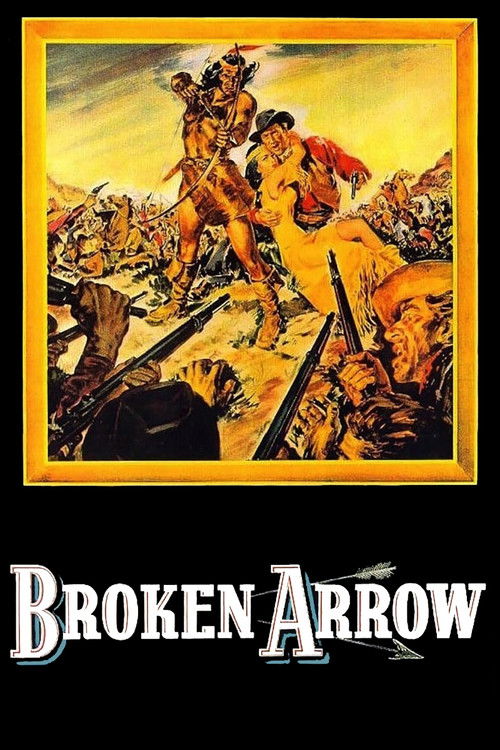
Broken Arrow1950
James Stewart plays a white man who falls in love with a Native American woman and tries to broker peace. Where Run of the Arrow asks how deep sympathy can go, this asks whether it can survive institutional pressure. Sincere and surprisingly complicated for its era.
But The racial politics are paternalistic by modern standards. Feels safer and more optimistic than Fuller's film, which some may prefer but others will find evasive.
Not sure tonight? Get a pick in a minute, starting from Run of the Arrow
The wildcard
Something you would not have found on your own.
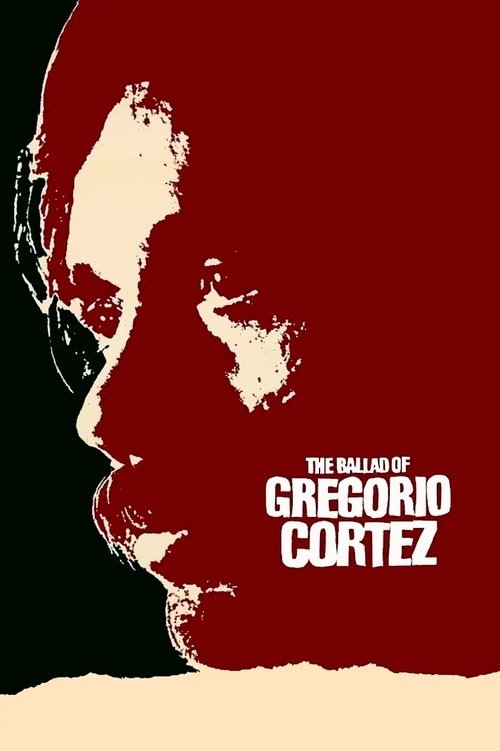
The Ballad of Gregorio Cortez1983
Both films show men at war with the nation-state itself, each choosing exile or defiance rather than assimilation, and both are skeptical that sympathy across cultural lines can survive institutional pressure.
Edward James Olmos plays a Mexican rancher hunted by Texas Rangers after a misunderstanding escalates into violence. Like O'Meara, Cortez must navigate a landscape where his race and origins make him automatically suspect, and where escape seems impossible. A quiet masterpiece about systems of power.
But Made on a modest budget with minimal score. The pacing is contemplative and the outcome is predetermined by history. Shot in a flat, documentary style that rejects romance.
More like this (8)
The Ballad of Little Jo1993
A woman presents as male to survive the frontier West. Like O'Meara, the protagonist chooses an identity that lets them live freely outside the structures others insist on. Maggie Greenwald's film is spare, unsentimental, and quietly radical.
But Low-budget production values. The pacing is deliberate. Lacks the star power and visual scale of prestige Westerns.

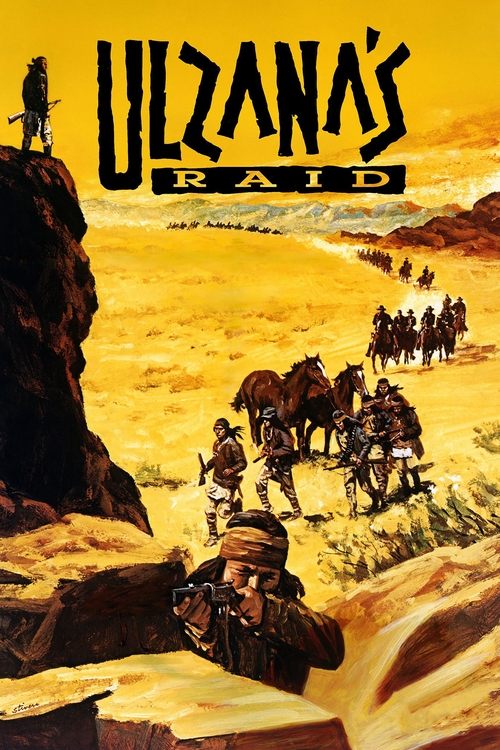
Ulzana's Raid1972
Robert Aldrich's Western refuses easy sides: it shows Apache raids as rational responses to injustice, not barbarism, while following soldiers who are neither heroes nor villains. The moral clarity O'Meara seeks is shown as genuinely elusive.
But Brutally violent and pessimistic. The famous opening sequence is shocking. Not interested in consoling you.
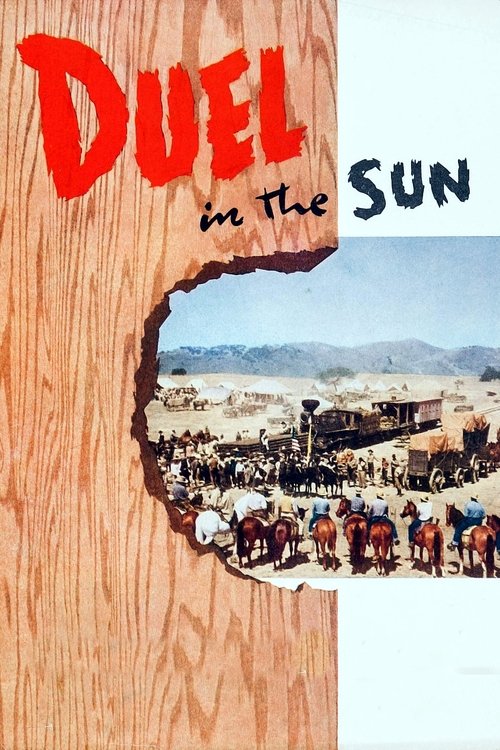
Duel in the Sun1946
David O. Selznick's lurid melodrama about a mixed-race woman torn between two brothers asks similar questions about belonging and identity, but in register that's operatic rather than austere. Jennifer Jones and Gregory Peck's chemistry crackles.
But Overwrought and camp. The Technicolor is garish. If you want restraint and realism, this will feel unserious to you.
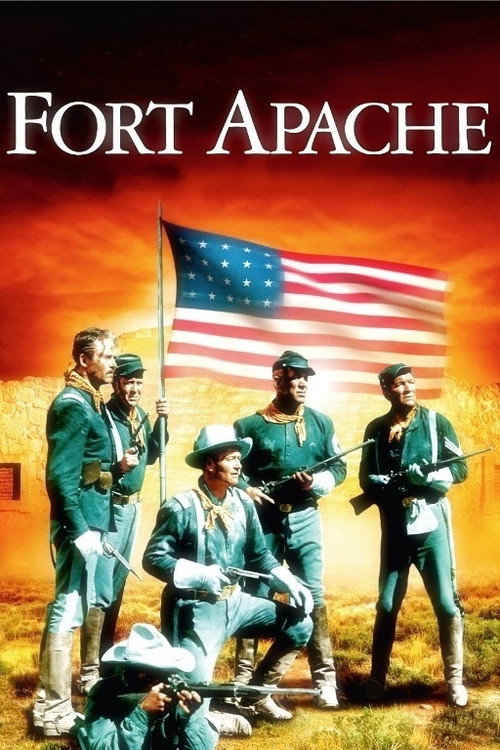
Fort Apache1948
John Ford's cavalry Western pits a rigid commanding officer against the more humane wisdom of his subordinates. It's about when following orders means betraying what you know is right—O'Meara's dilemma in different uniform.
But Somewhat dated in its racial attitudes. The action sequences are perfunctory compared to Ford's later work. The message can feel didactic.
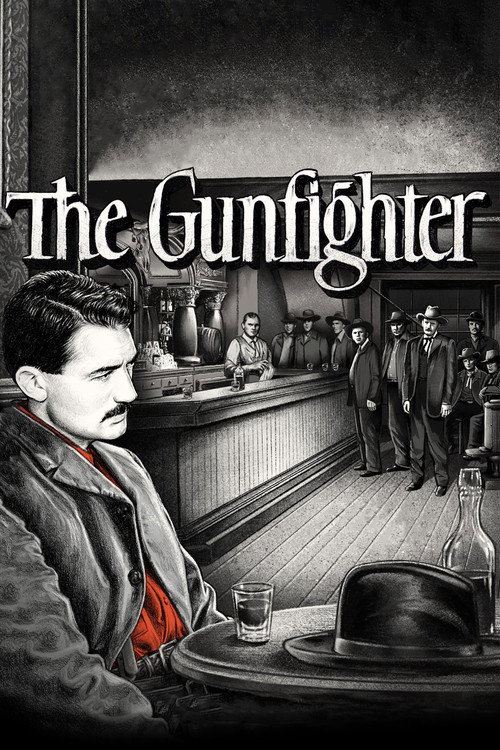
The Gunfighter1950
Gregory Peck as an aging gunslinger desperate to escape his reputation. Like O'Meara, he wants out of the identity others have forced on him, but discovers that leaving the past behind may be impossible. Existential and moving.
But Not a typical Western—very little action, mostly conversation. The mood is melancholic throughout. Some find it static.
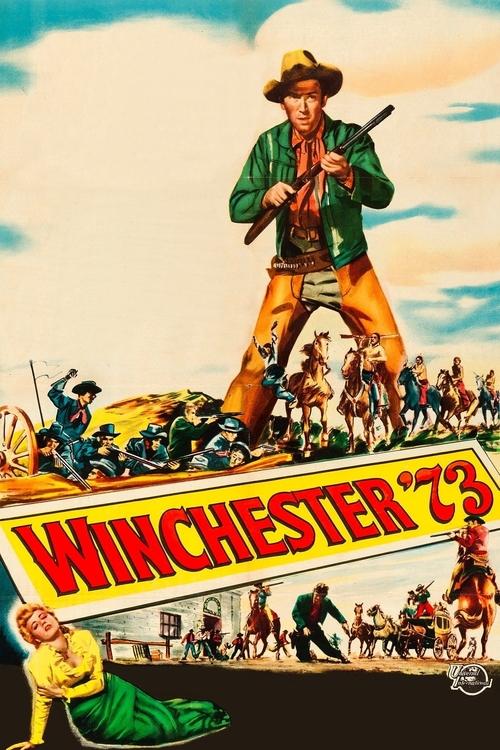
Winchester '731950
A rifle passes between obsessed men across the frontier. Anthony Mann's film is formally inventive and uses landscape as character. Shows how identity can be built on objects and vengeance rather than genuine belonging.
But The narrative is episodic and can feel scattered. The violence is brief and sudden rather than spectacular. James Stewart against type may surprise or disconcert you.
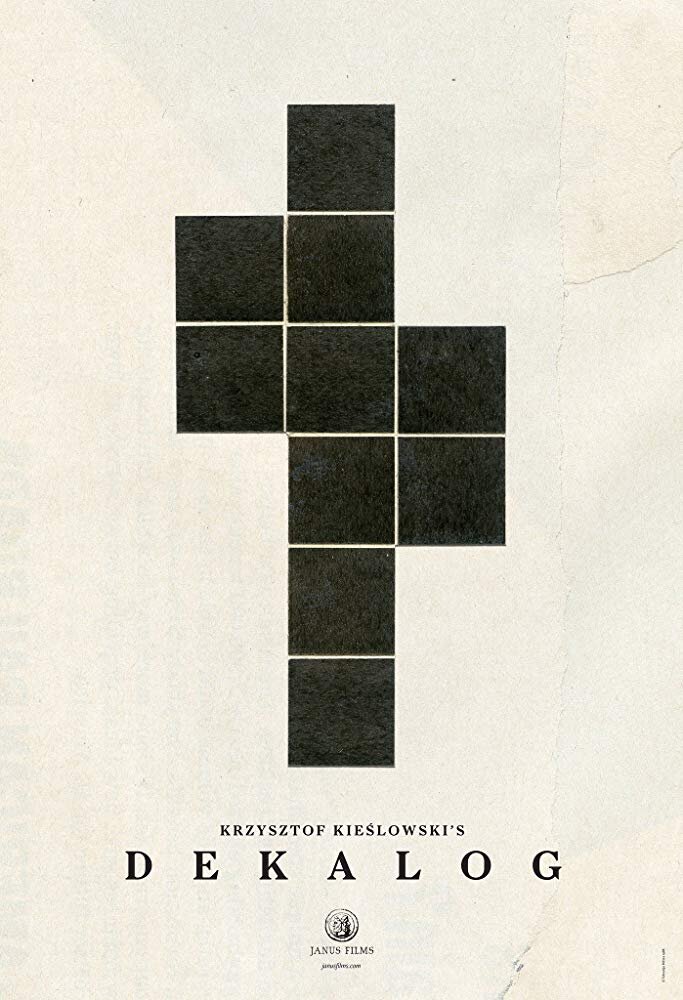
Dekalog1989
O'Meara's central conflict—which loyalty trumps which?—is Kieślowski's obsession. Both work is about the weight of choosing a side when every choice betrays someone.
Kieślowski's 10-part series examines moral choice through ordinary people facing impossible dilemmas—a grandmother must choose between her religion and her family, a man between ambition and conscience. Each episode asks whether loyalty to an abstract code matters more than loyalty to a person.
But Polish-language television from 1989. Each episode is 55 minutes with no action, only conversation and waiting. Requires real attention and emotional generosity. Can feel slow or oppressive if you're not in the mood.
Stalker1979
Both are about men seeking refuge in places beyond the reach of civilization, and both suggest that running away only delays the moment when you must finally decide what you actually believe.
Andrei Tarkovsky follows a guide and two men through a mysterious zone toward a rumored room that grants wishes. Visually hypnotic and philosophically dense. It's a Western in spirit—a journey into unknown territory that becomes a reckoning with belief and identity—but in the language of science fiction.
But Soviet science fiction, deliberately slow. Three hours long. Has one 15-minute sequence of a man and woman in a car. If you need plot momentum, you will be bored into anger. Dialogue is sometimes abstract.

People
Cast
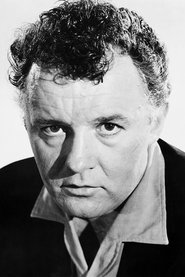 Rod SteigerPvt. O'Meara
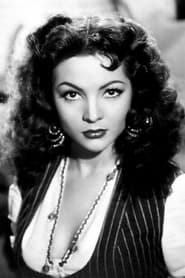 Sara MontielYellow Moccasin
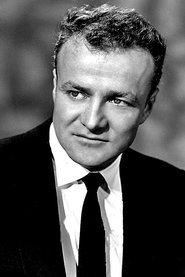 Brian KeithCaptain Clark
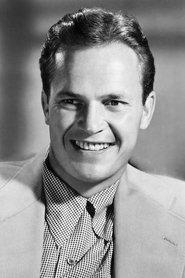 Ralph MeekerLieutenant Driscoll
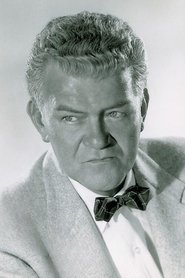 Jay C. FlippenWalking Coyote
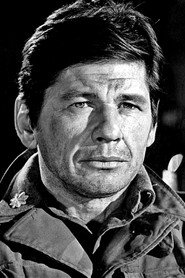 Charles BronsonBlue Buffolo
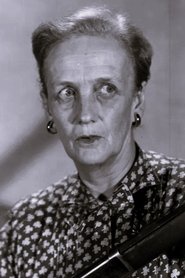 Olive CareyMrs O'Meara
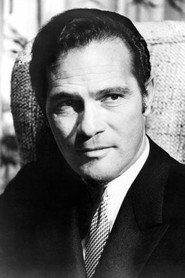 H.M. WynantCrazy Wolf
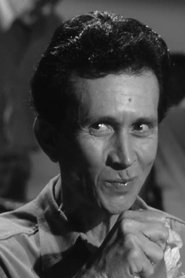 Neyle MorrowLt. Stockwell
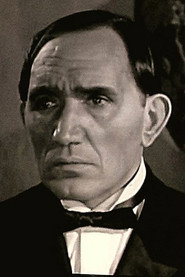 Frank De KovaRed Cloud (as Frank De Kova)
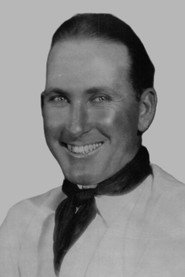 Tim McCoyGen. Allen (as Colonel Tim McCoy)
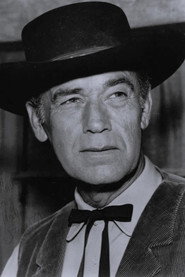 Stuart RandallCol. Taylor
Directing
- Ben ChapmanAssistant Director
- Gene BryantAssistant Director
- Samuel FullerDirector
Writing
- Samuel FullerWriter
Production
- Samuel FullerProducer
- Walter DanielsProduction Manager
- Gene BryantUnit Production Manager
Recommended by
A Man Called Horse, Broken Arrow, Devil's Doorway, Bend of the River, Cheyenne Autumn, The Last Wagon, Apache, The Savage