
Film
Don Q Son of Zorro
A 1925 silent swashbuckler following Zorro's son as he outwits a corrupt officer through swordplay, romance and elaborate disguises. Douglas Fairbanks is a human cartoon of charm and athletic impossibility—this is pure adventure cinema, all momentum and invention, built on the assumption that watching a beautiful man leap between rooftops for two hours is exactly enough story you need.
If you liked this
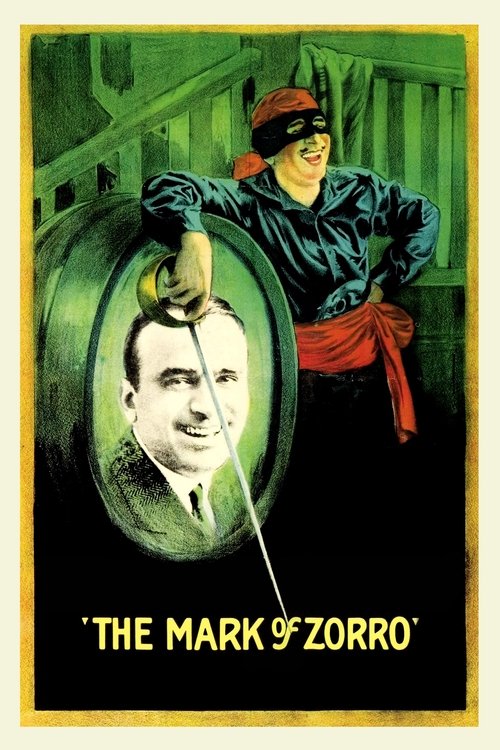
The Mark of Zorro1920
The original, where Fairbanks first became the masked swordsman. Tighter and more inventive than its sequel, with the definitive performance and a blueprint so perfect it's never really been improved.
But Twenty minutes of slow setup before Zorro appears. Silent film acting can read as stagey if you're not tuned to it yet.
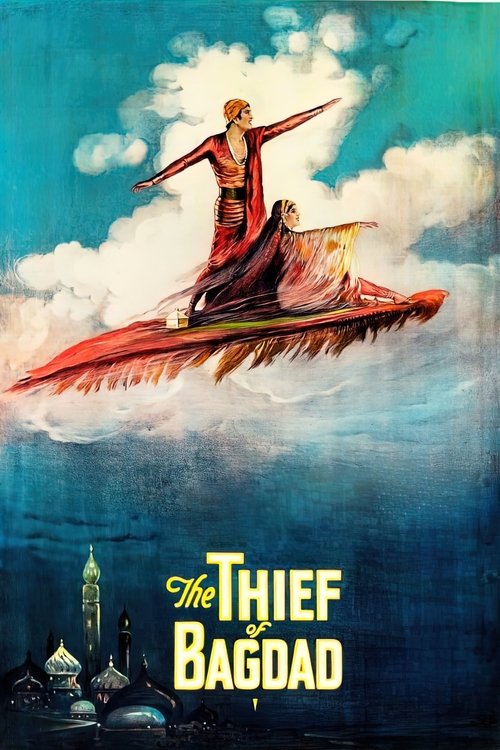
The Thief of Bagdad1924
Fairbanks at maximum impossible physicality, performing acrobatics that still look photoshopped. A fantasy adventure with far fewer constraints than historical swashbucklers—pure visual storytelling and stunts.
But The narrative is gossamer-thin and moves in weird directions. Stops dead between action sequences while the plot reorganizes itself.
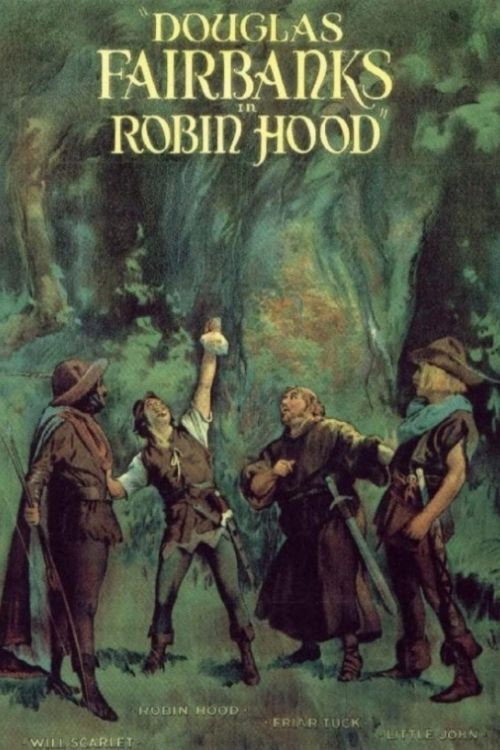
Robin Hood1922
Fairbanks as the ultimate Robin Hood—witty, fearless, and performing stunts that defy physics. An earlier proof that he could carry an entire film on charm and athleticism alone.
But Runs 146 minutes and some of the comedy bits wear thin. The back half sags while setting up the finale.
Not sure tonight? Get a pick in a minute, starting from Don Q Son of Zorro
The wildcard
Something you would not have found on your own.
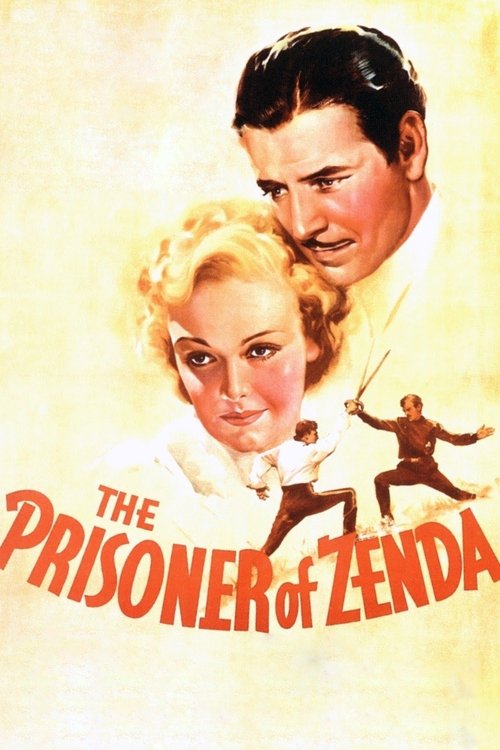
The Prisoner of Zenda1937
Both are elaborate games of mistaken identity and disguise played through swordplay and wit; both use the double role to explore duty versus desire.
Ronald Colman as a commoner forced to impersonate a kidnapped prince—the exact same engine as Don Q (doubles, disguises, sword fights against impossible odds) but in a different era and played dead straight. Shows you how the swashbuckle formula survived into sound cinema at full sophistication.
But It's more concerned with plot mechanics than Fairbanks' energy. Takes itself seriously in ways that occasionally feel stiff.
More like this (8)
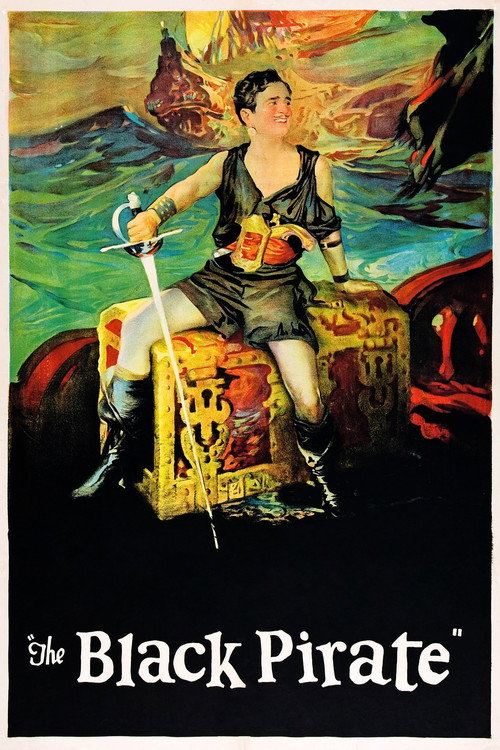
The Black Pirate1926
Fairbanks as a pirate seeking revenge, with an iconic sword-slide down a sail that's still genuinely astounding. Peak Fairbanks: handsome, funny, and doing his own impossible stunts.
But The plot is thinner than tissue. If you need narrative coherence over visual spectacle, this will frustrate you.
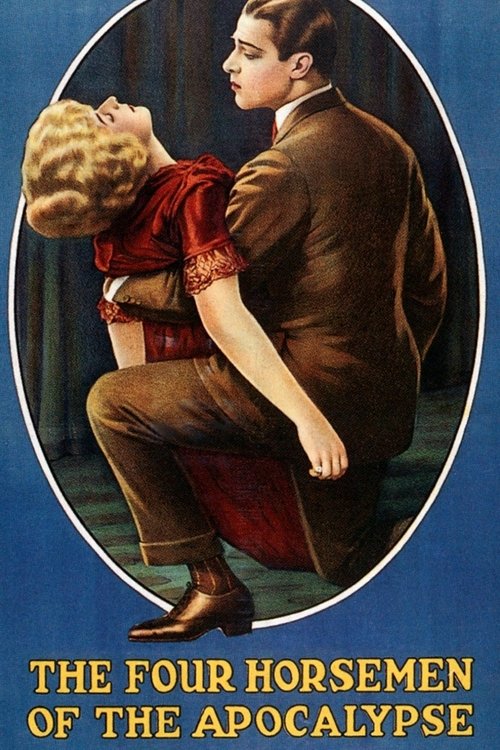
The Four Horsemen of the Apocalypse1921
Rudolph Valentino in an epic war drama that understands silent film's visual language better than almost anything else. A companion piece to the era's ambitions: slower, sadder, monumentally made.
But It's heavy and doesn't have Fairbanks' levity. The first half moves through wartime like sludge. Requires patience with pacing that isn't designed for modern attention.
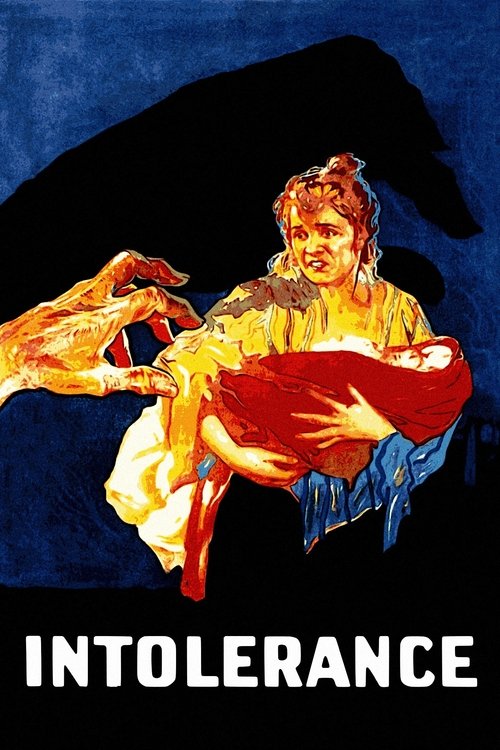
Intolerance: Love's Struggle Throughout the Ages1916
D.W. Griffith's maximalist epic—four stories across centuries told in parallel, with sets so vast they dwarf the actors. Instructive about what silent cinema could attempt when budget had no real ceiling.
But Nearly three hours, formally confusing, and the scale often overwhelms the human stories. It's fascinating more than it is fun.
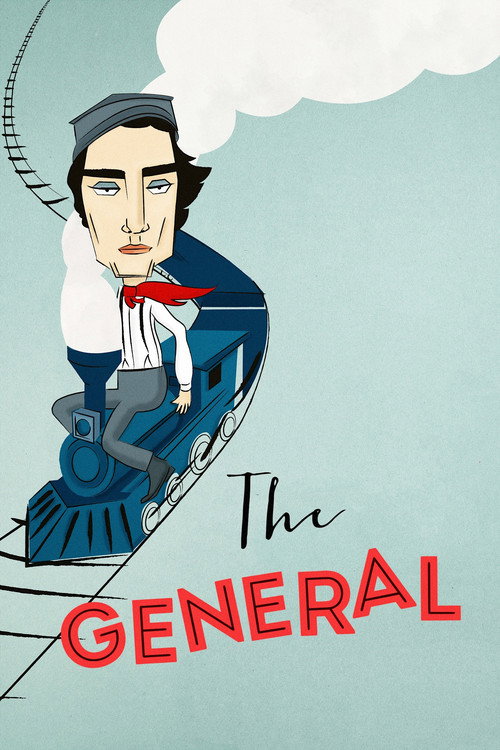
The General1926
Buster Keaton performing comedy through stunts and deadpan timing in a Civil War-set railroad chase. Completely different comedian energy from Fairbanks, but equally skilled at making physical impossibility feel casual.
But Keaton's humour is drier and stranger. If you're coming for swashbuckling romance, this has neither.
The Phantom Carriage1921
Swedish silent cinema at its most atmospheric and strange—a ghost story told with startling visual effects and a genuine sense of dread. Shows you what else the 1920s were doing beyond Hollywood adventure.
But It's a dark, morally complicated drama. The mood is grave and the pacing glacial. Almost the opposite of Fairbanks' optimism.

Nosferatu1922
German expressionist horror that invented the vampire film vocabulary we still use. Eerie, inventive, and made on a fraction of Hollywood's budget but with far more visual intelligence.
But Slow, bleak, and demands a different kind of attention than adventure films. The vampire barely appears until the final act.

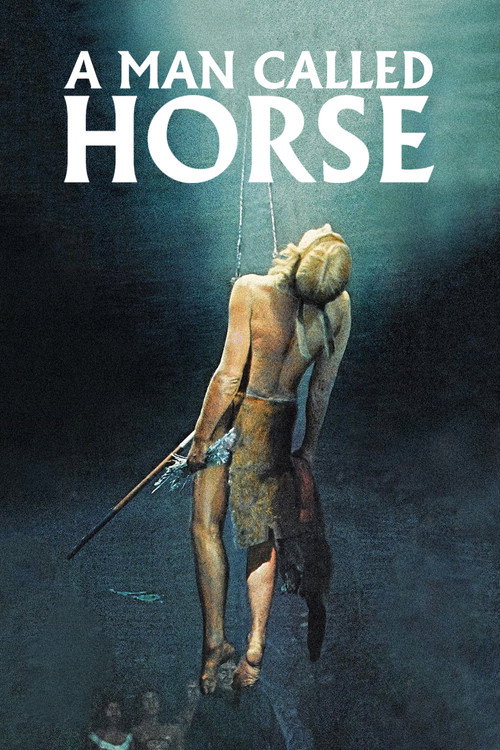
A Man Called Horse1970
Both feature a nobleman who must prove himself through physical testing and ritualistic trial; both ask whether an outsider can truly integrate into a world not his own.
Richard Harris as an English aristocrat captured by Lakota in the 1820s, gradually choosing between two worlds. A Western that borrows the adventure-film language of silent cinema but uses it to ask genuinely uncomfortable questions about colonialism and belonging.
But Violent and sometimes brutal. Takes a long time to get anywhere and rejects easy sentiment. Very different in tone from the playfulness of swashbuckling.
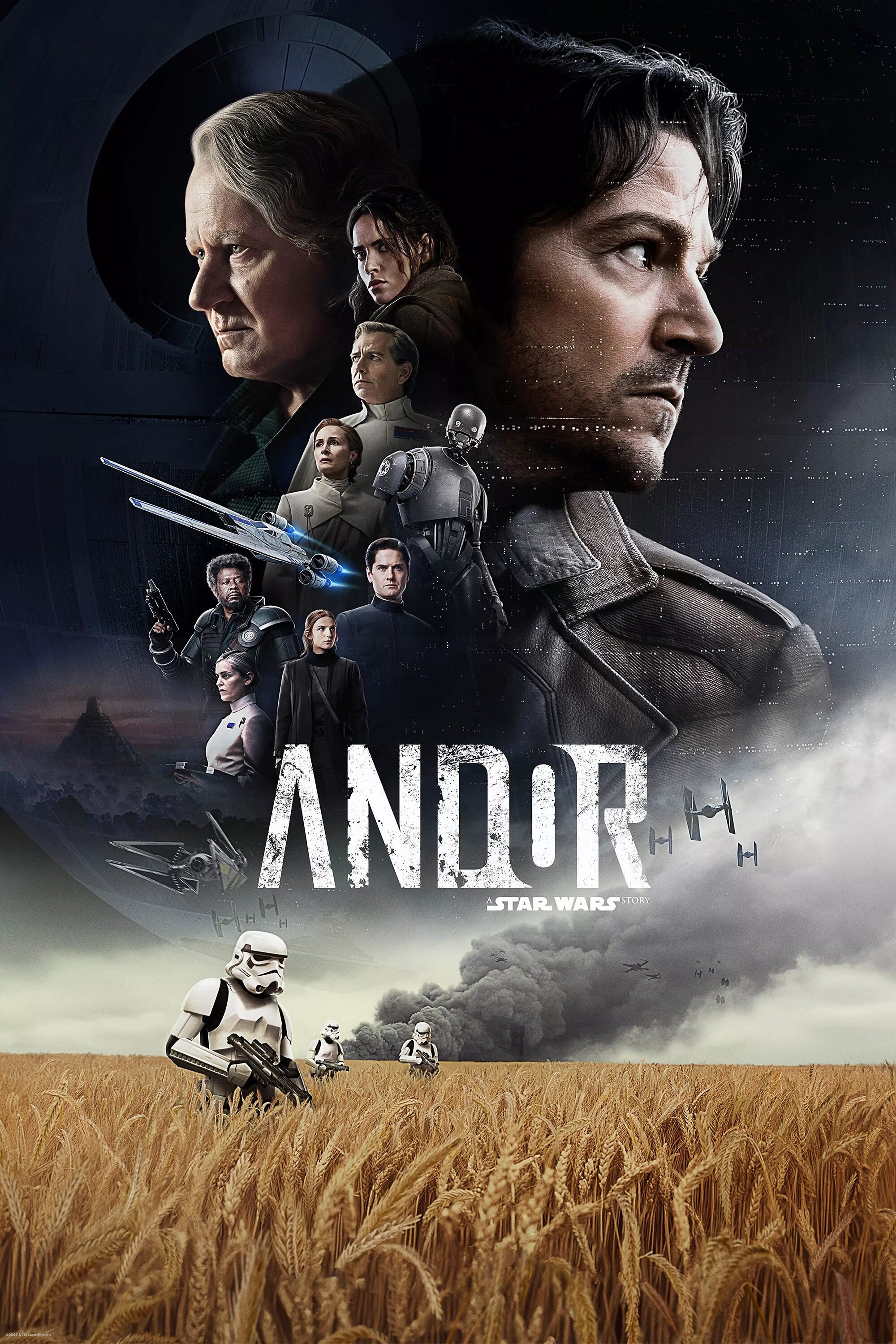
Andor2022
Both are stories about a fundamentally decent person forced into opposition against systemic corruption; both understand that the real power is in the apparatus of resistance, not individual heroics.
Twelve-hour narrative that builds a rebellion through unglamorous character work and political machinery. Where Don Q uses adventure as escape, Andor uses the same settings (corrupt officials, rebel networks, disguise) as the mechanism of a story about how ordinary people become revolutionaries.
But Glacially slow, intentionally mundane in its approach to Star Wars mythology. The first three episodes are deliberately tedious—a test of patience that not everyone will pass.
People
Cast
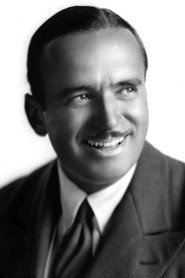 Douglas FairbanksDon Cesar de Vega / Zorro
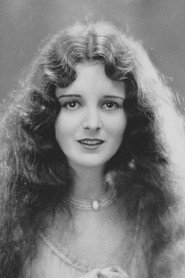 Mary AstorDolores de Muro
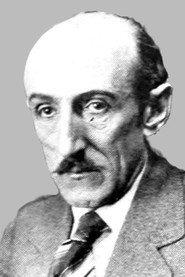 Jack McDonaldGeneral de Muro
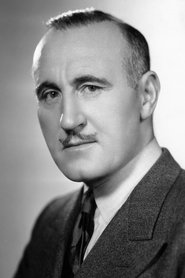 Donald CrispDon Sebastian
- Stella De LantiThe Queen
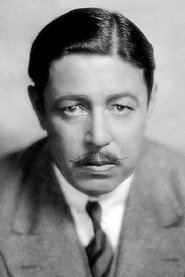 Warner OlandThe Archduke Paul
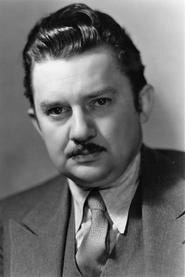 Jean HersholtDon Fabrique Borusta
- Albert MacQuarrieColonel Matsado
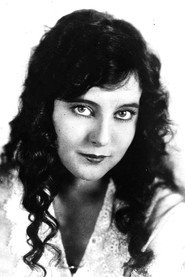 Lottie PickfordLola
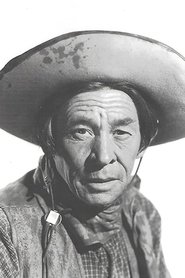 Charles StevensRobledo
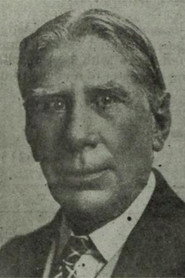 Tote Du CrowBernardo
- Martha FranklinThe Duenna
Directing
- Frank RichardsonAssistant Director
- Donald CrispDirector
Writing
- Hesketh PrichardNovel
- Kate PrichardNovel
- Jack CunninghamWriter
- Lotta WoodsWriter
Production
- Robert FairbanksGeneral Manager
- Douglas FairbanksProducer