
Film
The Eagle
Other titles called The Eagle: the 2011 film.
A 1925 silent adventure where Rudolph Valentino plays a wronged Russian officer who becomes a masked vigilante, torn between revenge and romance. It's genuinely thrilling—Valentino moves with such grace and intent that you forget you're reading intertitles. For anyone curious what made silent cinema matter, or what Valentino's fuss was about.
If you liked this
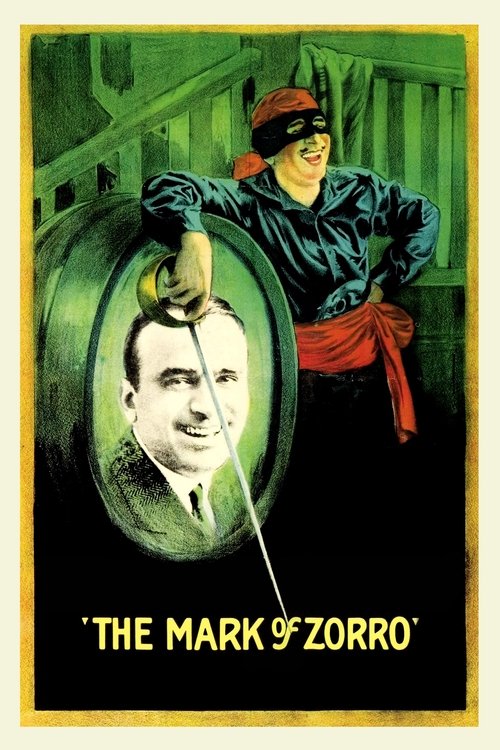
The Mark of Zorro1920
Douglas Fairbanks essentially invented the masked-hero template here, and it crackles with invention. Swashbuckling, witty, astonishingly athletic. A direct ancestor of everything Valentino does in The Eagle.
But It's only 78 minutes of silent film, so if you need dialogue and plot density, you'll feel the age immediately.
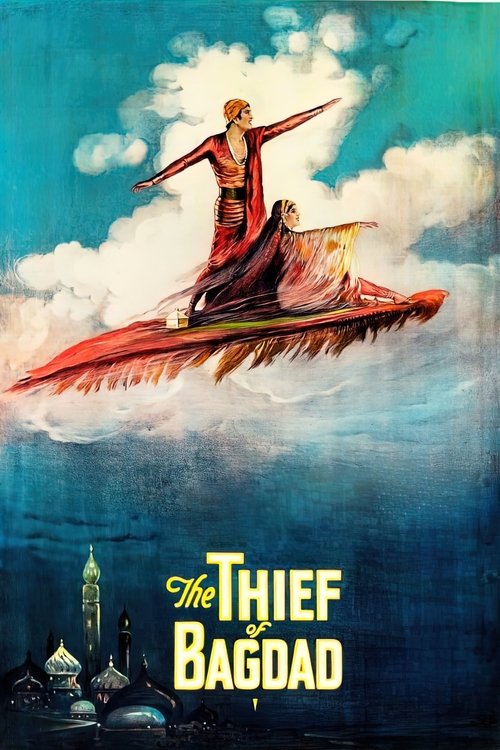
The Thief of Bagdad1924
Fairbanks again, but this time in an Arabian fantasy with production design so wild and imaginative it makes modern CGI look timid. Pure cinema—no plot contrivance goes unmade, no stunt unsolved.
But Intertitles break the spell constantly, and what story there is feels thin compared to the visual spectacle.
The Phantom Carriage1921
Swedish horror-drama with genuine atmosphere and a structure that influenced everything after. The visual storytelling is so sophisticated it feels modern. Ystads in winter, ghosts, redemption.
But It's a bleak film, slow in places, and demands patience. The narrative jumps around. Not adventure at all, really.

Not sure tonight? Get a pick in a minute, starting from The Eagle
The wildcard
Something you would not have found on your own.
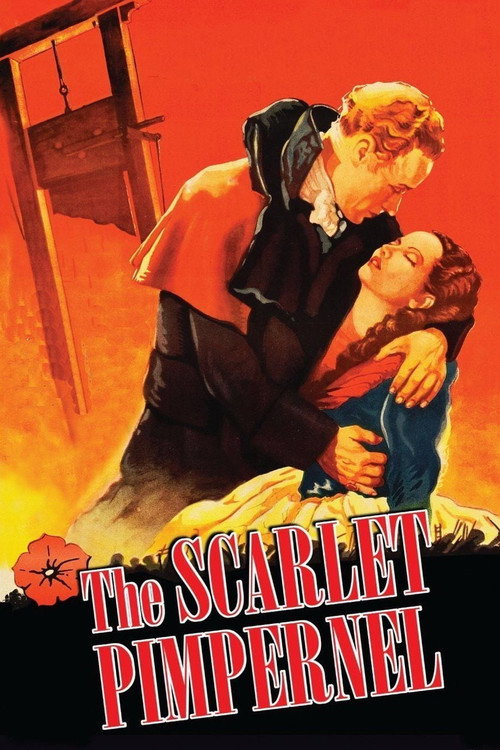
The Scarlet Pimpernel1934
Both are masked-hero revenge fantasies where the hero must hide his true identity from the woman he loves, but they play the same engine completely differently—one romantic and urgent, one ironic and arch.
Exactly the same plot—wronged aristocrat as masked avenger—but Leslie Howard plays it as high comedy, all wit and nonchalance. It's what The Eagle would be if it were made five years later with sound and irony.
But Howard's diffidence doesn't suit everyone. Some viewers want their heroes fiercer. The film is stage-bound and talky by modern standards.
More like this (6)
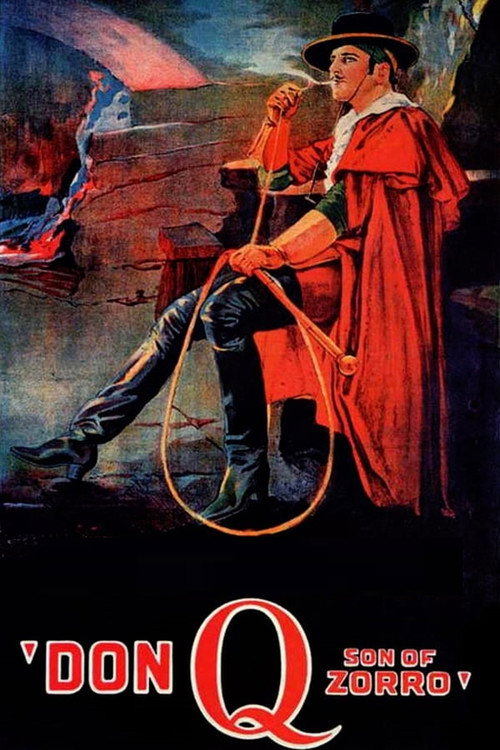
Don Q Son of Zorro1925
Fairbanks as Zorro's son, swinging through Old California with more rope work and ingenuity per minute than seems physically possible. It's The Eagle's closest peer—same year, same energy, pure acrobatic joy.
But The plot is genuinely skeletal, and the framing devices pile up awkwardly. You're really here for Fairbanks' body.
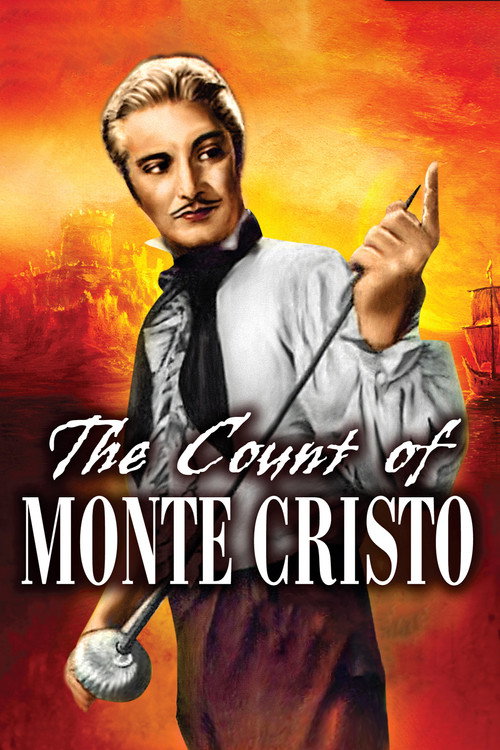
The Count of Monte Cristo1934
A sound-era take on Dumas's revenge epic, with Robert Donat as a man wronged who orchestrates an elaborate comeback. It has that same delicious mix of cunning, romance, and righteous fury.
But It's 113 minutes of elaborate plotting that can feel soap-opera-ish. The romance is secondary to the vendetta machinery.
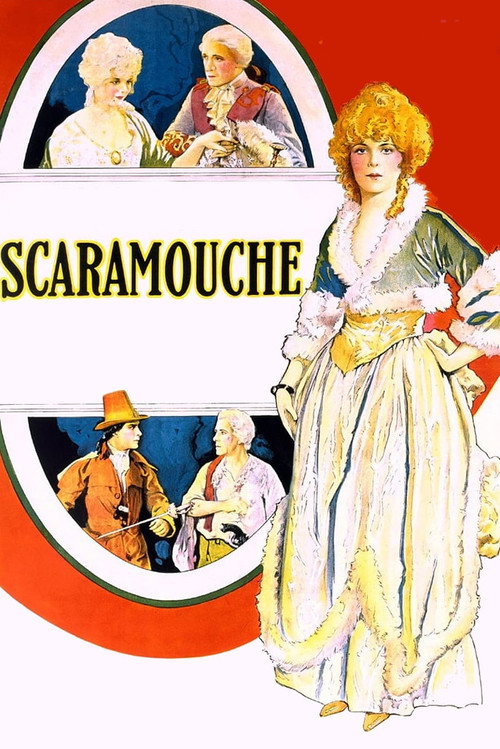
Scaramouche1923
Ramon Novarro as a charismatic swordsman caught between revolution and class. The final duel is a technical marvel, and there's real political anger underneath the swash and buckle.
But It's long for a silent film, and the middle section drags when Novarro joins the theatre. The politics can feel dated.
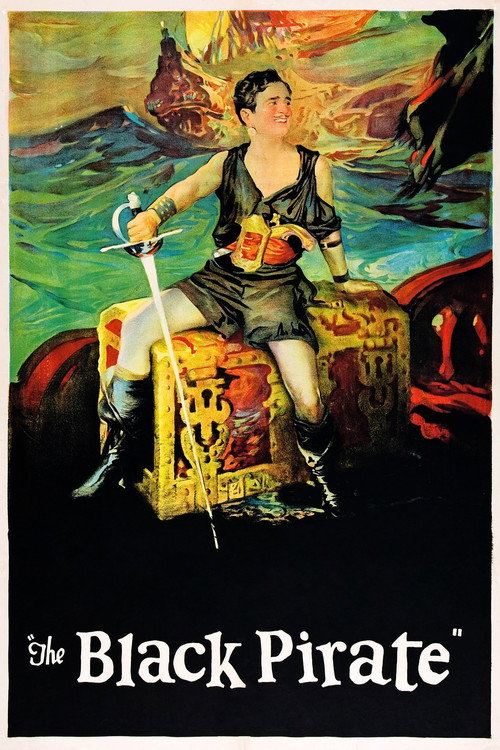
The Black Pirate1926
Fairbanks in color (two-strip Technicolor), playing a nobleman infiltrating a pirate crew. The production is sumptuous, the action inventive, the tone buoyant. A technical marvel for its time.
But The colour process is unstable and often looks strange. The story is thinner than usual Fairbanks. It feels experimental rather than finished.
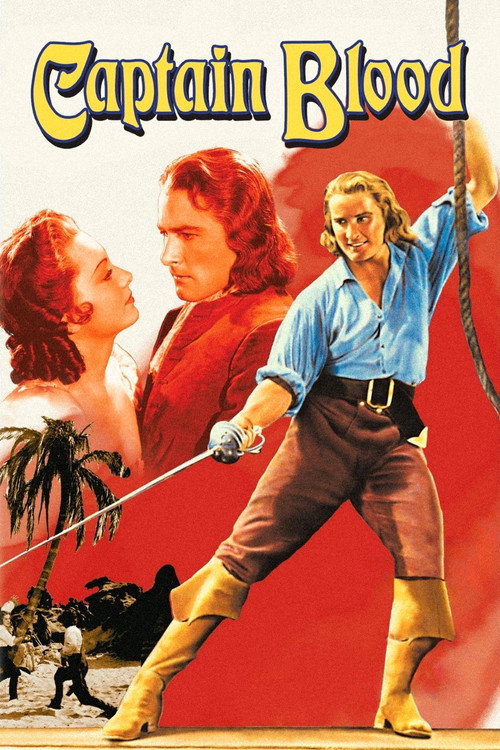
Captain Blood1935
Both give us a man of noble birth cast as an outlaw, fighting injustice under a different name. But Flynn's pirate is socially mobile and increasingly idealistic, while Valentino's officer never stops being an aristocrat playing at rebellion.
Errol Flynn's first swashbuckler, directed by Michael Curtiz. A wronged man becomes a pirate, chased by the law, caught between duty and desire. The sword work is real, the wit is sharp, and the Technicolor is gorgeous.
But It's more conventionally plotted than The Eagle. Flynn is charming but less dramatically interesting than Valentino. It's a formula adventure, superbly made.
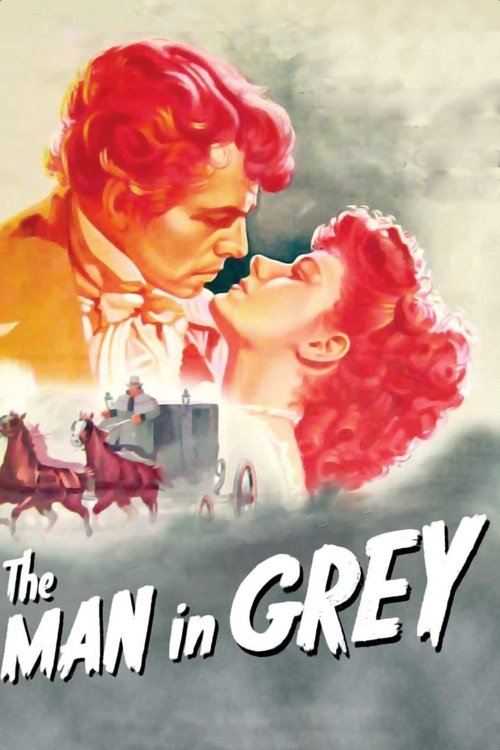
The Man in Grey1943
Both hinge on the betrayal of an officer by someone in power, but where The Eagle resolves through heroic action and romance, this one sits in the wreckage of that betrayal and won't let anyone escape it.
A Gothic melodrama about betrayal and revenge, starring James Mason as a cruel aristocrat. It's soap opera with genuine visual style, and Mason's moral rot feels genuine. Costume drama that doesn't pretend to be anything but emotionally operatic.
But It's utterly unironic about its own melodrama. If you want restraint or realism, this will seem overwrought and silly. It's also much darker than The Eagle.
People
Cast
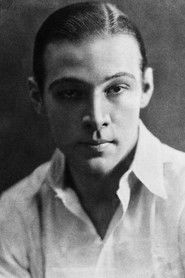 Rudolph ValentinoLt. Vladimir Dubrovsky / The Black Eagle / Marcel Le Blanc
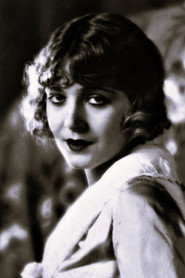 Vilma BankyMascha Troekouroff
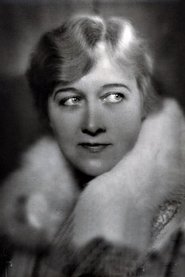 Louise DresserThe Czarina, Catherine II
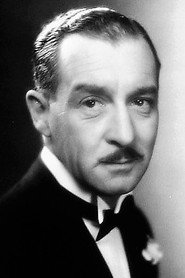 Albert ContiKuschka
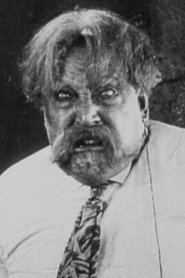 James A. MarcusKyrilla Troekouroff
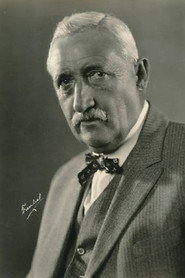 George NicholsJudge
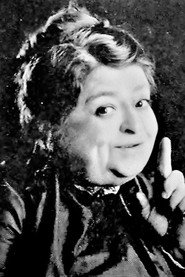 Carrie Clark WardAunt Aurelia
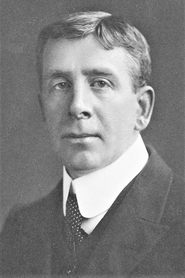 Spottiswoode AitkenDubrovsky's Father (uncredited)
- Agostino BorgatoPriest (uncredited)
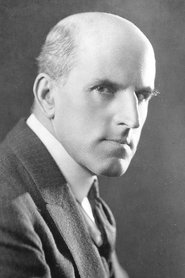 Gustav von SeyffertitzCourt Servant at Dinner (uncredited)
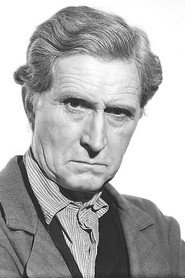 Russell SimpsonThe Eagle's Lieutenant / Coach Driver (uncredited)
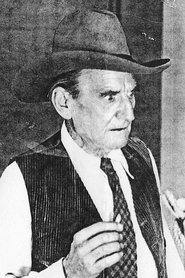 Otto HoffmanMan Whose Purse is Stolen (uncredited)
Directing
- Clarence BrownDirector
Writing
- Alexander PushkinNovel
- Hanns KrälyScreenplay