
Film
The Thief of Bagdad
Other titles called The Thief of Bagdad: the 1940 film.
Douglas Fairbanks leaps and tumbles through a fantastical Bagdad in this 1924 silent masterpiece, where acrobatic roguishness meets magical set design. It's pure visual storytelling—swashbuckling, romantic, gorgeously stylized. For anyone who loves adventure that moves like dance, or wants to see what cinema could do before sound arrived.
Should you watch it?
Watch it if you love silent-era spectacle built on acrobatic stunts, painted sets and a swashbuckler grinning his way through impossible feats, the sort of old-fashioned wonder that feels handmade.
Skip it if you need brisk pacing and modern dialogue; at nearly two and a half hours it drifts between lavish set pieces, and intertitles carry much of the talking.
What it asks of you: Settle in for a long, unhurried sitting of roughly 149 minutes, with patience for broad silent-screen acting and cards doing the heavy lifting.
Not sure? Find tonight's pick in a minute.
If you liked this
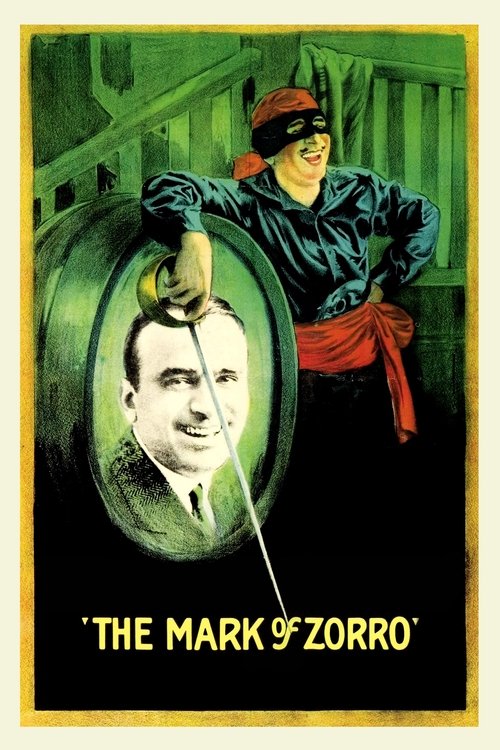
The Mark of Zorro1920
Fairbanks in his element: masked hero, impossible athleticism, witty charm. It has the same DNA as *Thief*—a rogue with principles, impossible stunts, romance woven through adventure.
But It's silent and in black-and-white, and the plot is straightforward. If you need constant dialogue or intricate narrative, it may feel thin.
Sunrise: A Song of Two Humans1927
A German Expressionist film made in Hollywood with camera work that still astonishes. Visual storytelling at the highest level—every frame composed with impossible care and beauty.
But It's emotionally heavy and tragic. The romance here ends in near-drowning; there's no swashbuckling joy. The pacing is deliberate and slow.

The Phantom Carriage1921
Swedish silent fantasy with supernatural dread and genuine emotional weight. Proves that silent cinema could conjure atmosphere and genuinely move you, not just dazzle.
But It's a ghost story, not an adventure. The tone is melancholy and fatalistic. If you watch *Thief* for fun, this will feel like a different country.

Not sure tonight? Get a pick in a minute, starting from The Thief of Bagdad
The wildcard
Something you would not have found on your own.
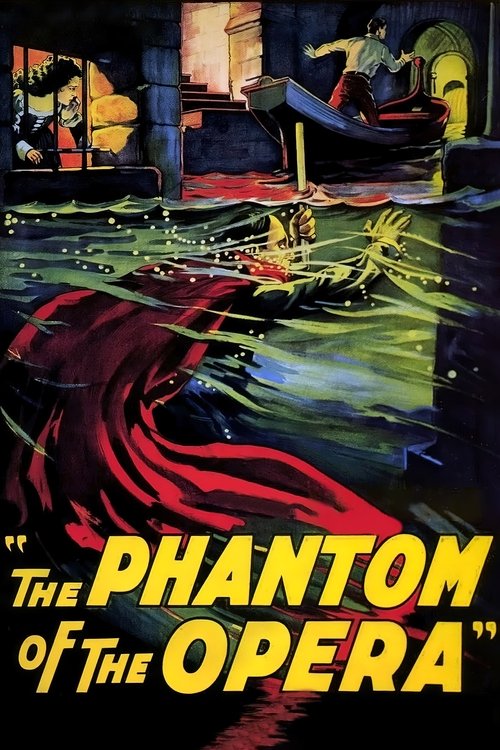
The Phantom of the Opera1925
Both are fantasies built on visual spectacle and scale rather than dialogue. Both use sets as characters. Both ask: what can you make an audience feel with design and movement alone?
Lon Chaney, opera house intrigue, and—crucially—sequences in garish hand-tinted color that now seem hallucinatory and strange. A film that uses color itself as a storytelling tool decades before it became standard.
But Color tinting was inconsistent in 1925; some prints look ghastly now, others sublime. The restoration you find matters enormously. And the masked monster pursuing a young woman plays uncomfortable to modern eyes.
More like this (7)
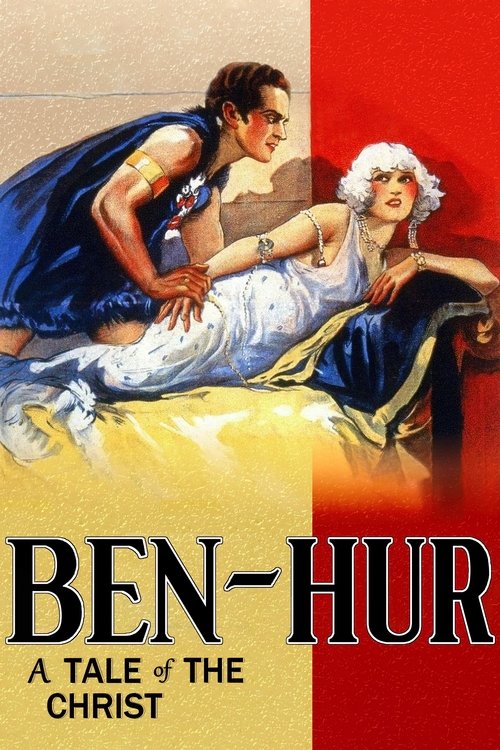
Ben-Hur: A Tale of the Christ1925
Colossal spectacle with real stunts and real crowds. The chariot race still works—a sequence of pure cinema that justifies the entire three-hour epic around it.
But It's long, preachy, and stops for religious scenes that now feel didactic. The romance is dutiful. You're watching for the set pieces and action.
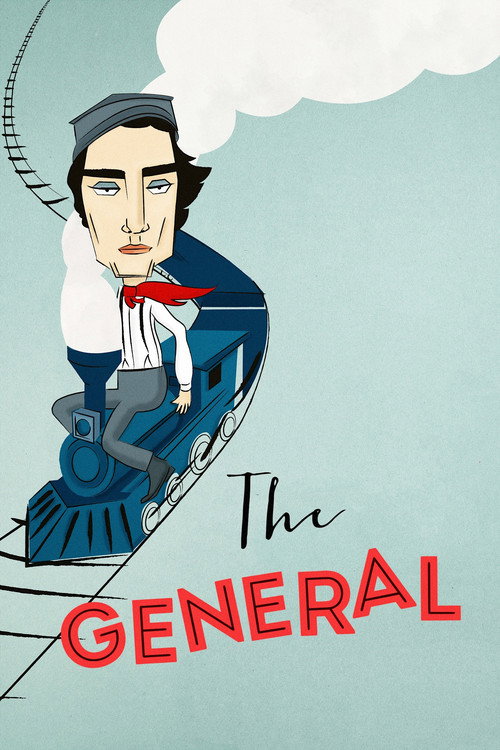
The General1926
Buster Keaton riding a moving train for real, doing comedy at feature length without sentiment. Pure physical intelligence applied to laughs and astonishment in equal measure.
But It's a Western. The humor is physical, not witty. If you prefer charm and romance to perfect geometric gags, you'll admire it more than love it.
Intolerance: Love's Struggle Throughout the Ages1916
D.W. Griffith's mad carnival—four stories across centuries, Babylon rebuilt to impossible scale, editing that was generations ahead. A film that wanted to say everything at once.
But It's chaotic and three hours long. The political messaging is dated. It requires patience and a willingness to accept that coherence was not the goal.

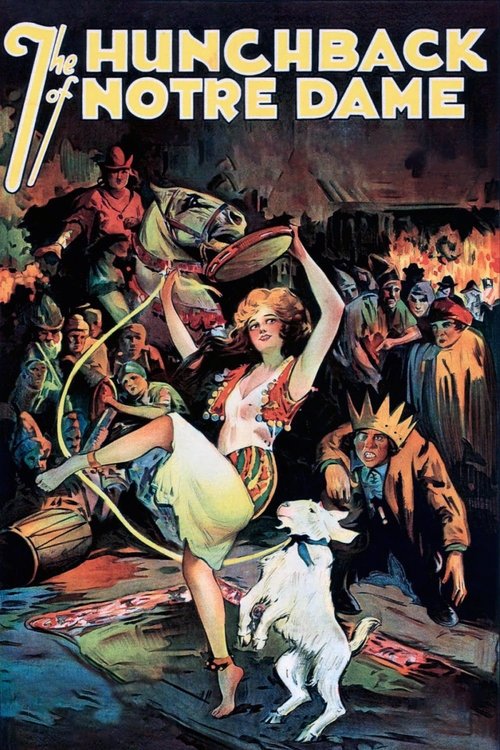
The Hunchback of Notre Dame1923
Lon Chaney's makeup and pathos, Gothic architecture made into emotion. A film that understands how to make an audience ache for someone society rejects.
But It's tragic and morally complicated in a way *Thief* isn't. Chaney's performance is intense and often difficult to watch. The fantasy here is dark.
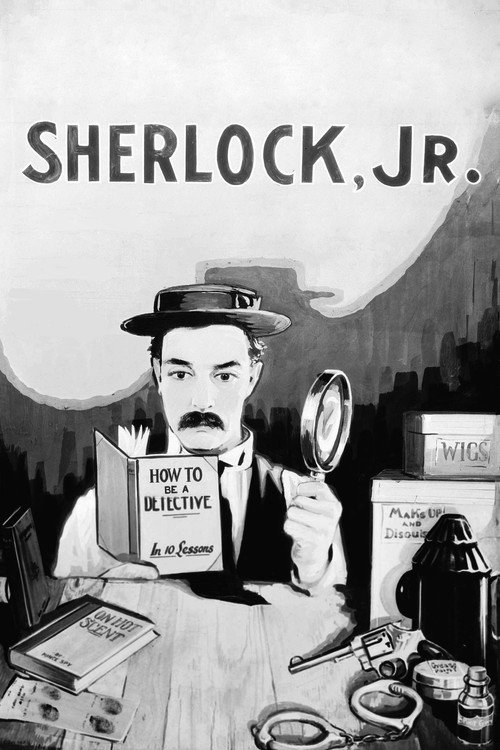
Sherlock Jr.1924
Keaton stepping into a film-within-the-film, doing stunts that seem physically impossible. Comedy and magic tricks for the mind, with genuine warmth underneath.
But The plot is slight and the middle sags. It's shorter and looser than *Thief*, more sketch than epic. Some sequences are just excuses for gags.
The Lodger: A Story of the London Fog1927
Hitchcock's directorial debut—psychological suspense, visual storytelling, a tenant who might be Jack the Ripper. Early proof that cinema could do menace and atmosphere.
But It's a thriller, not an adventure or romance. The mood is anxious and paranoid. If you want to feel safe and happy, this film actively works against that goal.

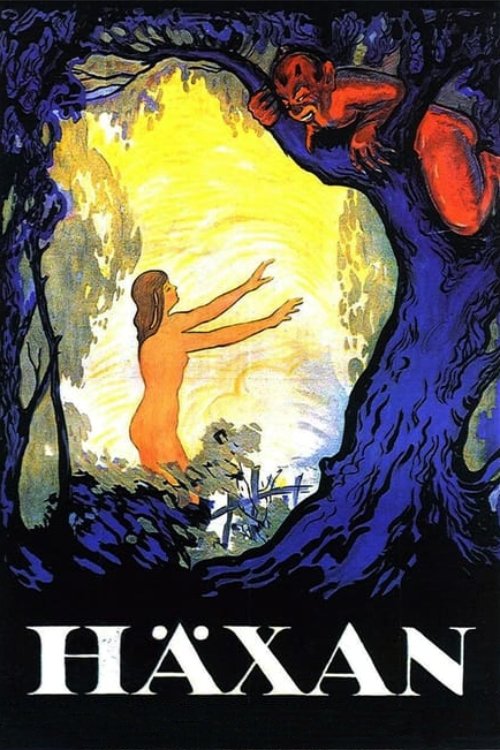
Häxan1922
Both films treat the magical and impossible as real, visible, material things. Both understand that cinema's superpower isn't dialogue—it's the ability to show you worlds that don't exist and make you believe in them while you're watching.
A Swedish documentary-fantasy hybrid about witchcraft, the supernatural, and hysteria. It mixes real scholarship with staged tableaus of impossible beauty and genuine horror. Part lecture hall, part fever dream, entirely unique.
But It's genuinely disturbing—demons, torture, suffering. Some sequences are grotesque. It's also pedagogical; you're learning history. If you want pure entertainment, this teaches as it terrifies.
People
Cast
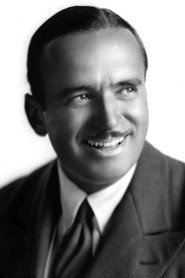 Douglas FairbanksThe Thief of Bagdad
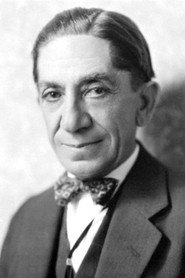 Snitz EdwardsHis Evil Associate
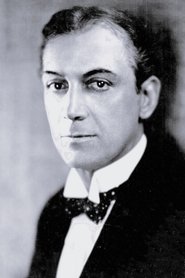 Charles BelcherThe Holy Man
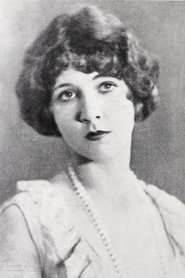 Julanne JohnstonThe Princess
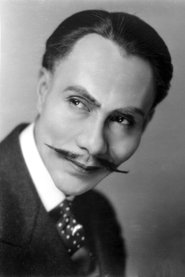 Sôjin KamiyamaThe Mongol Prince
 Anna May WongThe Mongol Slave
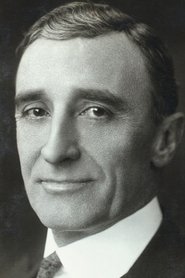 Brandon HurstThe Caliph
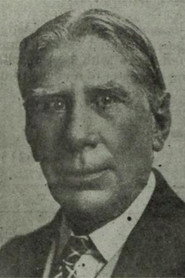 Tote Du CrowThe Soothsayer
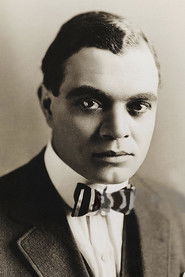 Noble JohnsonThe Indian Prince
- Sam BakerSworder (uncredited)
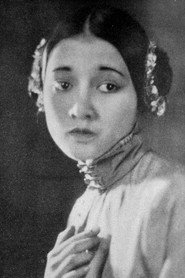 Laska WinterSlave of the Lute (uncredited)
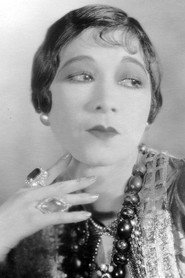 Etta LeeSlave of the Sand Board (uncredited)
Directing
- James T. O'DonohoeAssistant Director
- Raoul WalshDirector
- Richard HolahanSecond Assistant Director
Writing
- James T. O'DonohoeAdaptation
- Achmed AbdullahScreenplay
- Douglas FairbanksStory
- Lotta WoodsStory Editor
Production
- Douglas FairbanksProducer
- Theodore ReedProduction Manager
Recommended by
The Mark of Zorro, His Regeneration, The Iron Mask, Robin Hood, The Sea Beast, The Perils of Pauline, The Cave of the Silken Web, Pandora and the Flying Dutchman, The Sheik, Beau Geste, Foolish Wives, L'Atlantide, Scaramouche, The Three Musketeers, Don Q Son of Zorro, The Prisoner of Zenda, Under Two Flags, The Bottle Imp, The Viking, Maciste in Hell, The Son of the Sheik, The Fall of Babylon, Don Juan, Ashes of Vengeance, A Woman of Paris: A Drama of Fate, The Midnight Express, Fires of Fate, The Last of the Mohicans, The Foreign Legion, Carmen, The Student Prince in Old Heidelberg, Under Two Flags, Kismet, Salammbô, The Winding Stair, Quo Vadis?, Gul-e-Bakavali, The Arab, The Leopard Woman, Filibus, The Son of Tarzan, Johny Mera Naam, The Spanish Dancer, Submarine, 20,000 Leagues Under the Sea, The Eagle, The Tales of the Thousand and One Nights, Shiraz: A Romance of India, Man of the Forest, The Rainbow Trail, A Connecticut Yankee in King Arthur's Court