
Film
Carmen
Other titles called Carmen: the 1984 film, the 2017 film.
Jacques Feyder's 1926 Carmen is a silent film of operatic intensity, adapting Mérimée's story of a soldier undone by obsession. Raquel Meller commands the screen as the eponymous Carmen—alluring, dangerous, utterly free. It's a film about the collision between passion and duty, shot with the visual splendour silent cinema could muster at its peak. For anyone who loves cinema history or romantic tragedy told without sentiment.
Should you watch it?
Watch it if you enjoy silent cinema's patient, gestural storytelling and want to see a familiar tale rebuilt as a close look at one man's fixation rather than a spectacle.
Skip it if you need a brisk pace, since this runs 165 minutes and its romance unfolds at a deliberate, almost stately crawl.
What it asks of you: Settle in for a long, unhurried evening: the film trusts stillness and glances, so you'll need to read faces and gestures closely.
Not sure? Find tonight's pick in a minute.
If you liked this
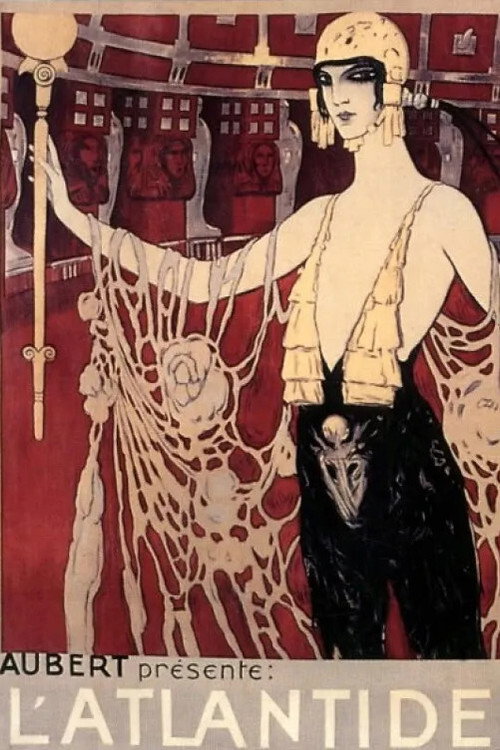
L'Atlantide1921
Feyder's earlier masterpiece: exotic, visually sumptuous, obsessed with a man's descent into desire for an unattainable woman. The same psychological architecture as Carmen, built on sand.
But It's slow, wordless, and demands patience. The print quality varies wildly depending on where you find it.
Pandora's Box1929
Pabst's Lulu (Louise Brooks) is Carmen's spiritual sister—a woman of appetite and freedom who destroys the men around her with her mere existence. Equally hypnotic and far more dangerous.
But Brooks's sexuality is presented without apology, which some find bracing and others uncomfortable. It's a different kind of film entirely.

The Phantom Carriage1921
Sjöström's Swedish masterpiece shares Carmen's fatalism and supernatural dread. A man haunted by a woman, by choice, by consequence. Visually extraordinary and emotionally devastating.
But It's longer than Carmen, even slower, and entirely without levity. Not for an evening when you want brightness.

Not sure tonight? Get a pick in a minute, starting from Carmen
The wildcard
Something you would not have found on your own.
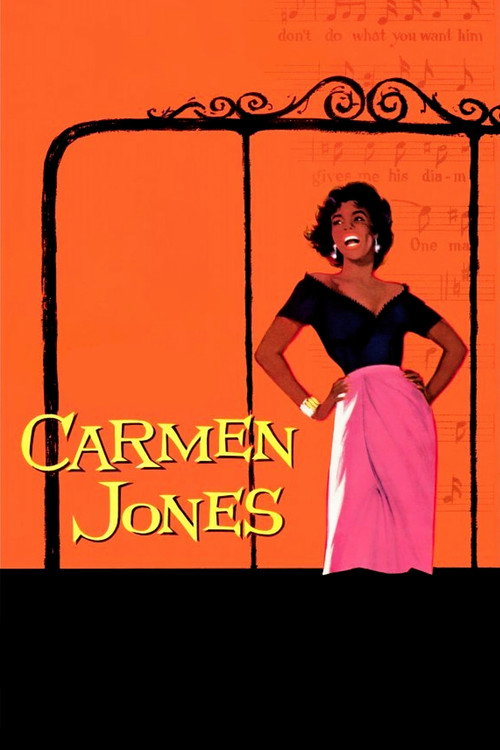
Carmen Jones1954
Both are uncompromising adaptations of Mérimée that use their medium's full visual and narrative power. Carmen Jones proves that the story's architecture survives transplantation—it's not about geography, it's about inevitable collision.
Otto Preminger transplants Mérimée's tragedy to 1950s Black America, keeping the opera's bones intact. Harry Belafonte as José, Dorothy Dandridge as Carmen. It's a radical act of reclamation—the same story, the same fate, but told by and for a community Feyder's 1920s Europe would have erased.
But The film was controversial on release for its sexual frankness and is now controversial for different reasons. It requires an audience willing to sit with historical contradiction.
More like this (6)
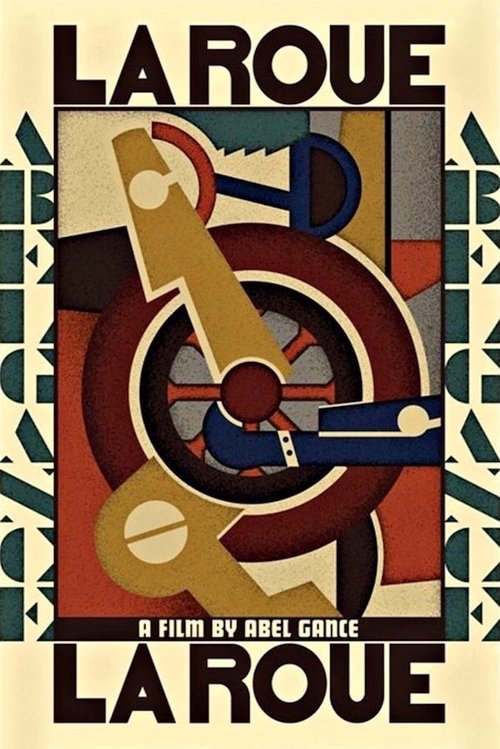
La Roue1923
Gance's three-hour hymn to obsession and masculine self-destruction. A father's love, a man's passion—the camera itself becomes delirious. Technically revolutionary and thematically kindred.
But The pacing is genuinely punishing. Modern audiences often find it bewildering rather than moving on first viewing.
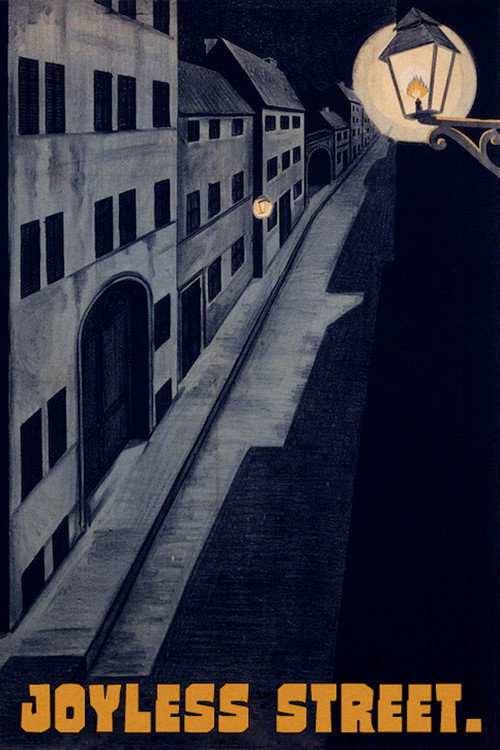
Joyless Street1925
Pabst again, this time with Greta Garbo and Asta Nielsen as women navigating desire and degradation in post-war Vienna. Carmen's darker, more political cousin.
But It's bleak to the point of nihilism. There is no redemption here, only survival and compromise.
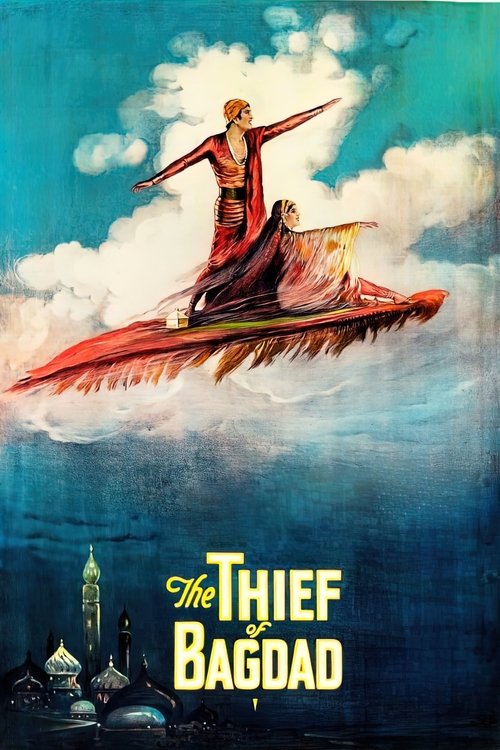
The Thief of Bagdad1924
Raoul Walsh's Sabu in a fantasy of desire and spectacle, visually as lush as Carmen but tonal worlds away. Proves that obsession plays across genres.
But It's a matinee adventure story, not a tragedy. Tonally jarring if you want to stay in Carmen's mood.
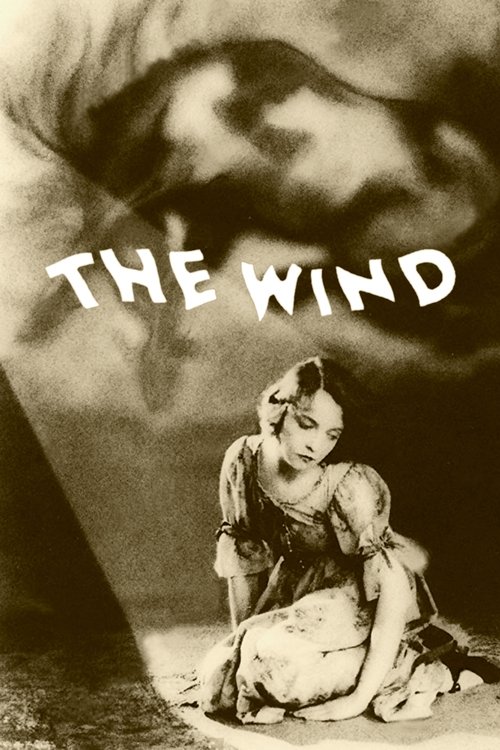
The Wind1928
Sjöström again, this time directed by Victor Sjöström, a psychological thriller where desire and circumstance conspire to destroy a woman. As relentless as Carmen, far more intimate.
But It's genuinely disturbing and unsympathetic to its heroine. Not everyone wants their tragedies this bleak.
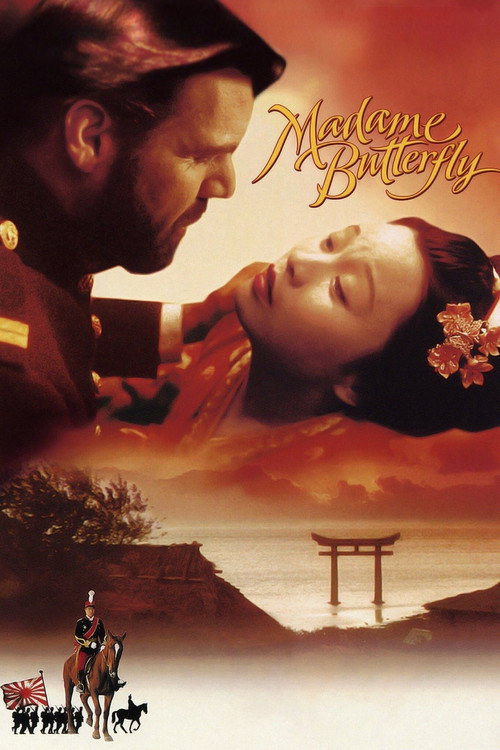
Madame Butterfly1995
Both are about the destruction of a woman by a man's inability to see her as anything but his own projection. Both treat this tragedy with visual grandeur rather than irony. Feyder's silence makes space for Puccini's sound.
Puccini's opera, filmed by Frédéric Mitterrand as a glorious, heartbreaking visual event. If you loved what Feyder's silent camera could do with passion and fate, here's what sound and colour and orchestration add to the same emotional register.
But It's nearly three hours of opera. If you don't love the form, no production values will save you. The pacing is glacial by modern standards.
Letter from an Unknown Woman1948
Both films understand that passion is a force of nature that doesn't care about morality or consequence. Both treat their heroines' desire with complete seriousness. Ophüls saw in Carmen's tragedy something essential about how cinema photographs longing.
Ophüls's masterpiece: a woman's lifetime of unrequited love for a man who doesn't remember her. It's Carmen inverted—she pursues him, he remains oblivious, and the tragedy is no less absolute. Visually rapturous, emotionally savage.
But It's told in flashback and requires you to sympathize with a woman whose love destroys her. Some find it unbearably sad rather than cathartic.

People
Cast
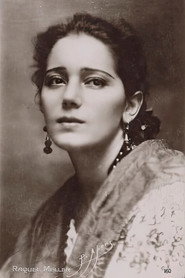 Raquel MellerCarmen
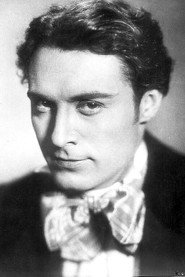 Fred Louis LerchJosé Lizarrabengoa
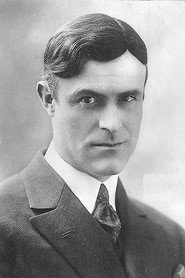 Gaston ModotGarcía 'El Tuerto'
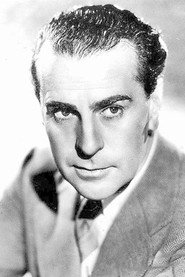 Jean MuratOfficier
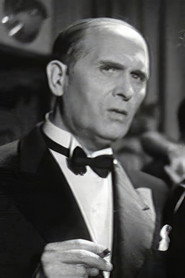 Victor VinaLe Dancaire
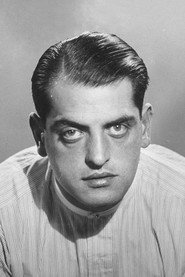 Luis BuñuelContrebandier chez lillas pastia
Directing
- Charles SpaakAssistant Director
- Luis BuñuelAssistant Director
- Jacques FeyderDirector
Writing
- Prosper MériméeNovel
- Jacques FeyderScreenplay