
Film
Joyless Street
- Drama
- Very dark
A silent masterpiece of Weimar cinema set in postwar Vienna, where two women navigate poverty and moral compromise during hyperinflation. Greta Garbo gives a luminous performance in a film that feels urgently contemporary—about desperation, resilience, and the cost of survival. Essential cinema for anyone curious about silent film's emotional power.
If you liked this
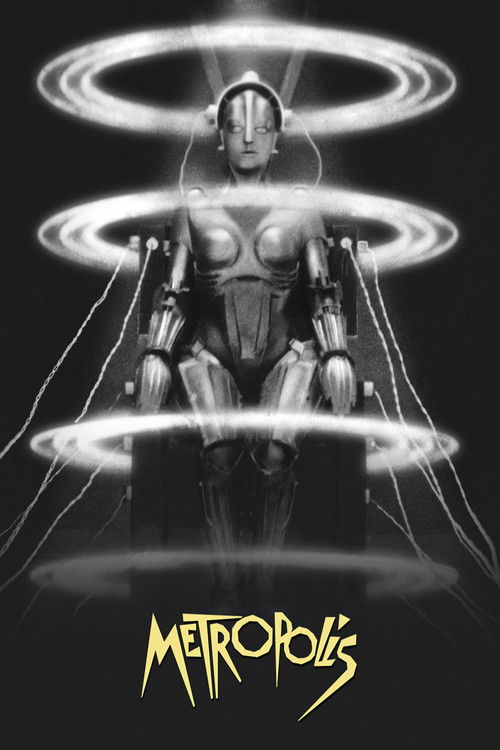
Metropolis1927
Fritz Lang's dystopian epic about class division has the same grand social vision as Joyless Street, with equally stunning visuals and an urgent moral centre about how systems crush the vulnerable.
But The full restored version is over two hours, and while spectacular, the plot mechanics feel more dated than Joyless Street's human focus.
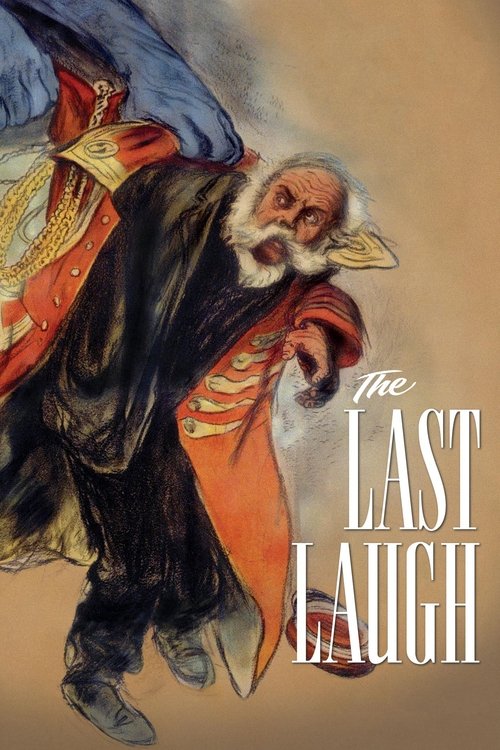
The Last Laugh1924
F.W. Murnau's intimate portrait of a man's dignity destroyed by circumstance is the spiritual twin of Joyless Street—both use visual storytelling to devastate you without a word of dialogue.
But It's relentlessly bleak. The camera work is revolutionary but the emotional payoff is pure heartbreak.
Nosferatu1922
Murnau again, and though it's horror, it shares Joyless Street's expressionist visual language and sense of inescapable doom. The atmosphere is as suffocating as economic collapse.
But If you want human drama, this pivots to gothic dread. It's a very different register, even if the mood aligns.

Not sure tonight? Get a pick in a minute, starting from Joyless Street
The wildcard
Something you would not have found on your own.
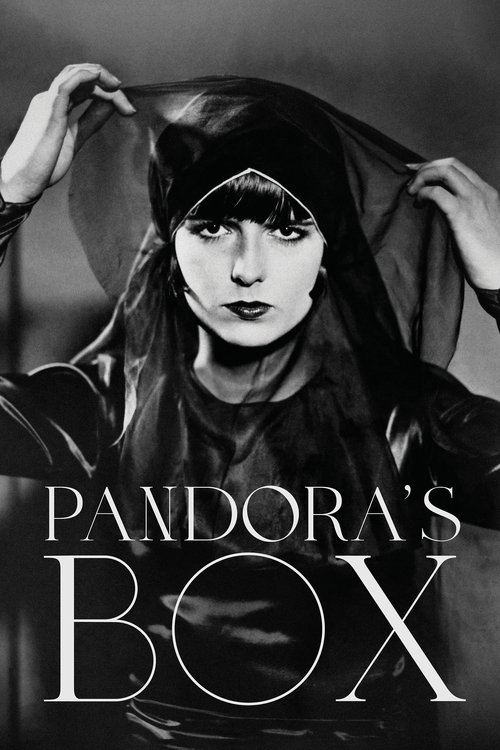
Pandora's Box1929
Both are Weimar-era Pabst films about women navigating systems designed to exploit them, but Pandora's Box is more fatalistic and erotically charged.
G.W. Pabst, who directed Joyless Street, made this final masterpiece about sex, power, and economic desperation in Berlin. Louise Brooks is incandescent. It's the film Pabst was always meant to make, and Joyless Street was his rehearsal.
But It's even more sexually frank than Joyless Street, and the tragedy is bleaker. Pabst shows desire and commerce as utterly inseparable.
More like this (8)
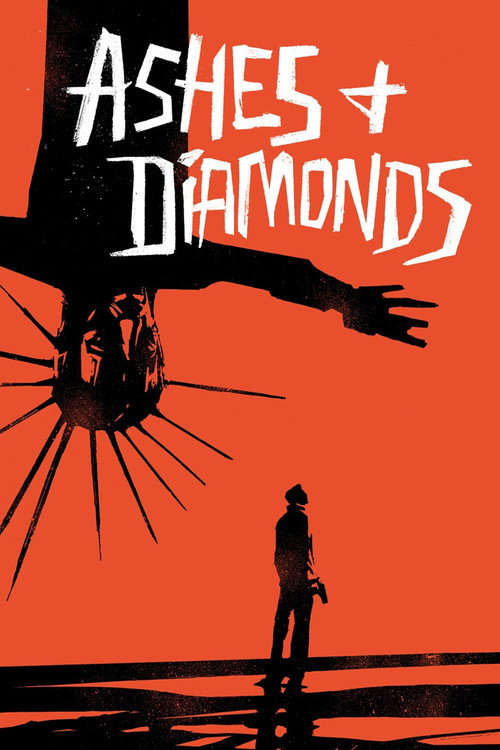
Ashes and Diamonds1958
Andrzej Wajda's postwar Polish masterpiece about moral ambiguity in devastated cities captures the same tension between personal survival and ethical choice that defines Joyless Street.
But It's in Polish, and while the subtitles are excellent, the political context requires some historical patience to fully land.
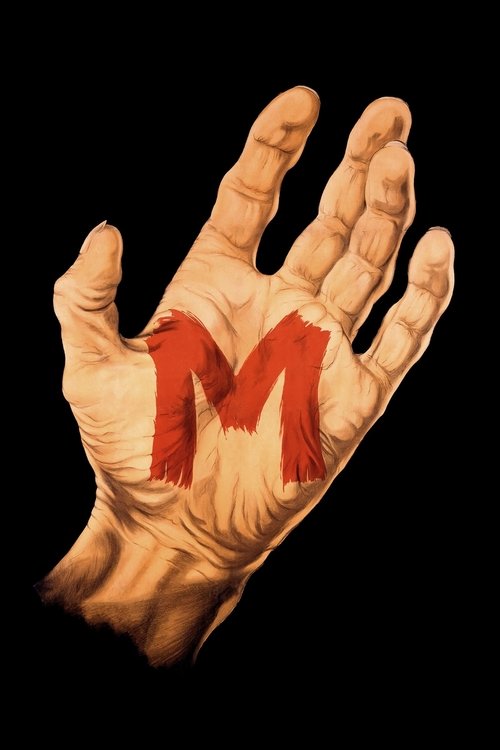
M1931
Fritz Lang's portrait of Weimar society under strain—cops, criminals, and ordinary people grinding against each other. The social observation is as acute as Joyless Street, the filmmaking equally ruthless.
But It's a talkie, and the shift from silent cinema means you lose the visual purity. The subject (child murder) is extremely dark.
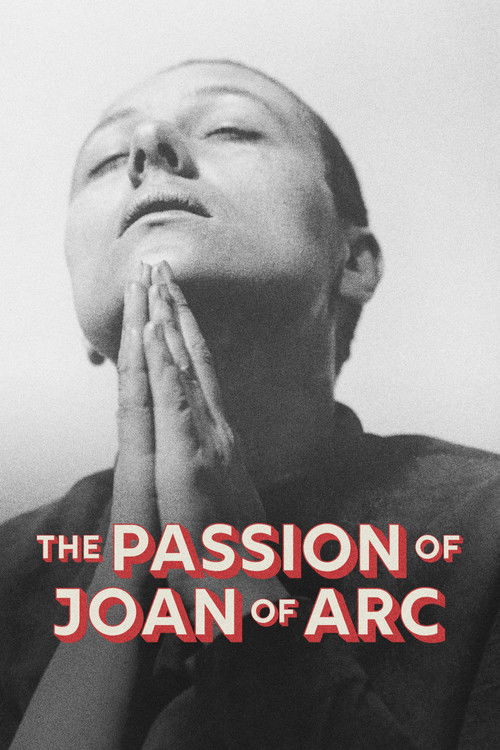
The Passion of Joan of Arc1928
Dreyer's close-ups of Renée Jeanne Falconetti's face are perhaps cinema's greatest capture of human suffering. It has Joyless Street's commitment to watching pain without flinching.
But It's a trial film—mostly one location, one face. If you need plot momentum, this will feel glacial.
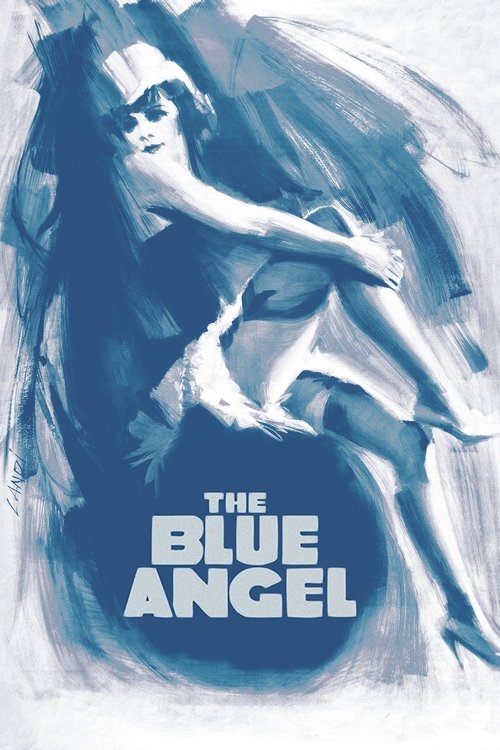
The Blue Angel1930
Marlene Dietrich and Emil Jannings in a seedy Weimar tragedy about sex, power, and economic precarity. It's the darker cousin of Joyless Street, more lurid but with the same unflinching eye.
But The gender politics will read as problematic even by 1930 standards, and Jannings' performance tips into self-pity at points.
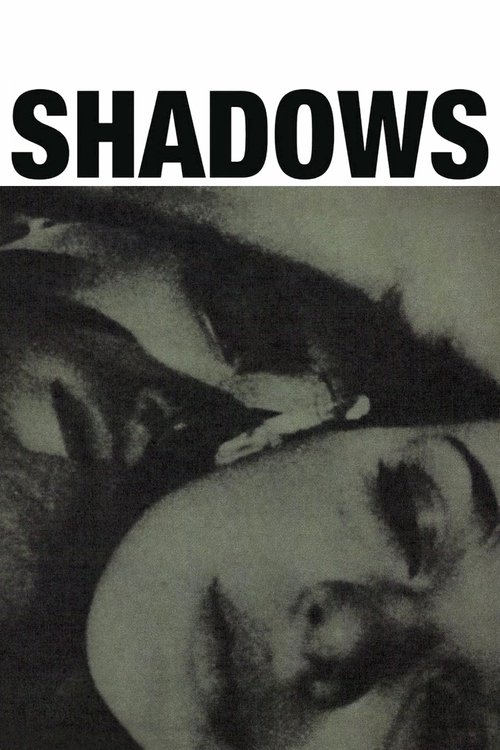
Shadows1960
John Cassavetes' improvisational drama about race and class in New York has the same loose, observational urgency—it watches how poverty and prejudice actually live in people's bodies and choices.
But The sound is deliberately raw, the editing rough. It looks and sounds deliberately amateurish, which some find liberating and others find exhausting.
Stalker1979
Tarkovsky's slow meditation on desire and morality in a decaying world shares Joyless Street's sense of inexorable systems grinding down human will, though through metaphor and philosophy rather than plot.
But It's glacially slow, more interested in mood than narrative. If you watch Joyless Street for story, this will feel like penance.

Bicycle Thieves1948
Both are about ordinary people crushed by economic forces beyond their control, but shot a generation apart—one through German Expressionism, one through Italian neorealism.
Vittorio De Sica's neorealist masterpiece follows a man trying to survive postwar Rome with almost no resources—same desperation as Joyless Street, but filmed on actual streets with non-actors, creating devastating immediacy.
But The plainness of the filmmaking might feel less 'cinematic' than Joyless Street's expressionism. It asks you to find drama in ordinary failure.

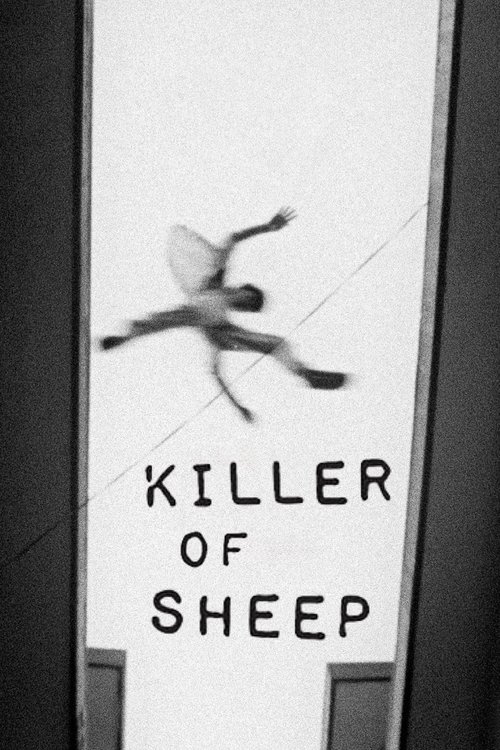
Killer of Sheep1978
Both use visual poetry to show how economic systems erase human dignity, but where Joyless Street is expressionist and Weimar, this is observational and shows poverty through a Black radical lens forty years later.
Charles Burnett's LA Rebellion masterpiece observes a man's slow dehumanization by poverty and slaughterhouse work in 1970s LA. It has Joyless Street's moral weight and visual poetry, but filtered through Black American experience and shot in grainy 16mm.
But It's structurally loose, almost documentary in approach. Some scenes feel abstract or unfinished. The degradation it shows is very contemporary and very American in ways that might feel too immediate.
People
Cast
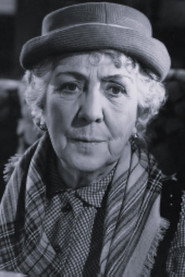
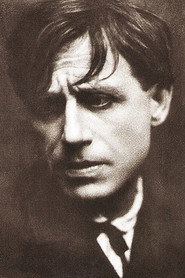
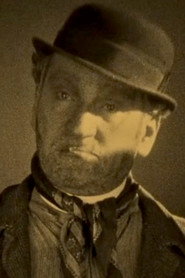
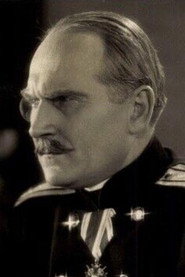
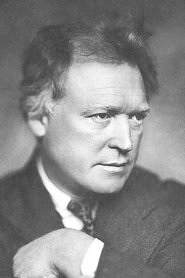 Werner KraussJosef Geiringer
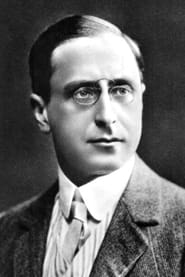 Jaro FürthHofrat Rumfort
 Greta GarboGreta Rumfort
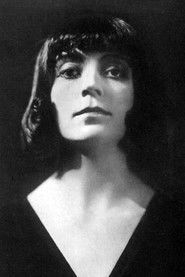 Asta NielsenMaria Lechner (Mizzi)
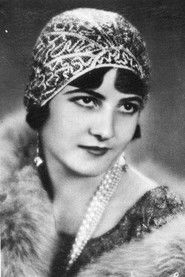 Agnes EsterhazyRegine
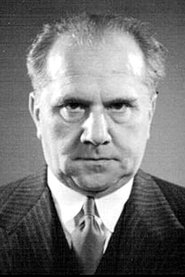 Karl EtlingerGeneraldirektor Rosenow
Directing
- G.W. PabstDirector
Writing
- Hugo BettauerNovel
- Willy HaasScreenplay
Production
- Michail SalkindProducer
- Romain PinèsProducer
Recommended by
Diary of a Lost Girl, The Waltz Dream, The Divine Woman, Carmen, Merry-Go-Round, The Four Horsemen of the Apocalypse, Laugh and Get Rich