
Film
Killer of Sheep
Charles Burnett's 1978 UCLA thesis film follows Stan, a Watts slaughterhouse worker, through a string of ordinary days that never quite add up to a plot. Shot on threadbare 16mm with non-actors and a jukebox of soul and blues, it's less story than mood — tender, funny in flashes, and quietly devastating about what grinding work does to a man's spirit.
If you liked this
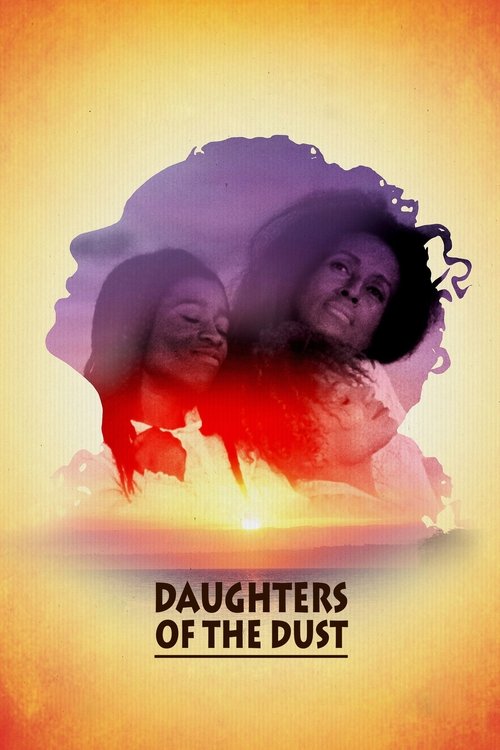
Daughters of the Dust1991
Julie Dash's Gullah island epic shares Burnett's refusal of conventional plot for texture, memory and rhythm — a landmark of Black independent cinema built on patience and beauty rather than incident.
But Its dreamlike, non-linear structure asks for real surrender; if you need a plot to hold onto, it may frustrate.
Do the Right Thing1989
Spike Lee's Brooklyn block on the hottest day of summer gives you the same sense of a whole community rendered in close, loving, unsentimental detail, building pressure instead of story.
But It's louder, funnier and angrier than Killer of Sheep — Lee's style is maximalist where Burnett's is hushed.

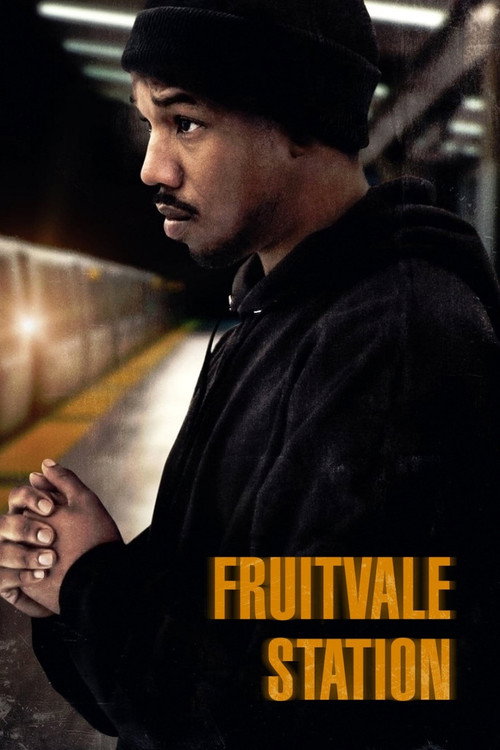
Fruitvale Station2013
A single day in the life of a young Black man in Oakland, full of small tenderness and dread, told with the same attention to ordinary gestures that make a life feel real.
But It's building toward a known, devastating real-life event, which gives it a grief and momentum Killer of Sheep never reaches for.
The wildcard
Something you would not have found on your own.
Hale County This Morning, This Evening2018no page yet
A direct descendant — Ross has cited Burnett's vignette structure and refusal of plot as foundational, proving the approach still works, in a different medium, forty years on.
RaMell Ross's documentary drifts through years in the lives of two young Black men in rural Alabama using almost pure image and rhythm instead of narration or plot — poetry, not reportage.
But It has even less conventional structure than Killer of Sheep; some will find it too abstract, too slow, too unwilling to explain itself.
More like this (8)
Moonlight2016
Barry Jenkins' triptych of a boy becoming a man in Miami has the same lyrical patience with silence and gesture, finding poetry in poverty without ever exploiting it.
But It's more visually lush and emotionally structured — Burnett's rawness and Jenkins' polish are different kinds of beautiful.

The Florida Project2017
Sean Baker follows kids and their broke, exhausted parents around a motel in loosely strung vignettes, finding both joy and despair in the margins the way Burnett does in Watts.
But Its color and childlike wonder are a world away from Killer of Sheep's grainy black-and-white weariness.

Nomadland2021
Chloé Zhao's drifting portrait of gig-economy America has the same interest in dignity under economic strain, told through faces and landscapes more than dialogue.
But It's gentler and more redemptive in tone — Burnett offers less comfort and no scenic escape.

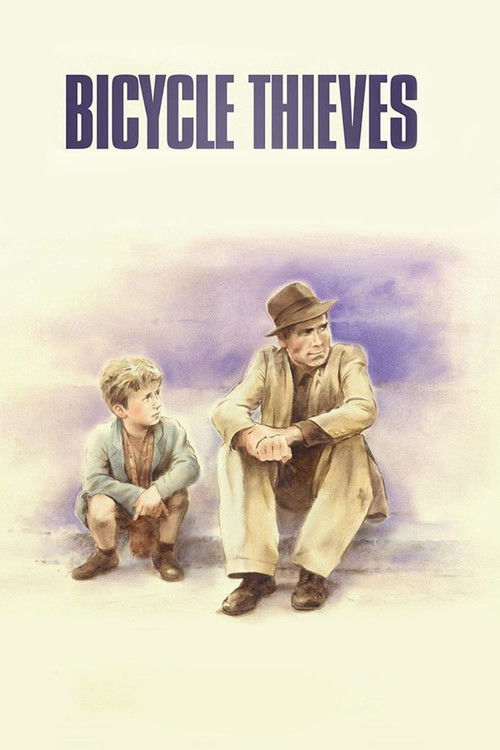
Bicycle Thieves1948
The Italian neorealist classic that essentially invented this mode — nonprofessional actors, real streets, a working man ground down by circumstance he can't control.
But It's melodramatic by comparison, with a clearer plot engine and a more insistent emotional pull.
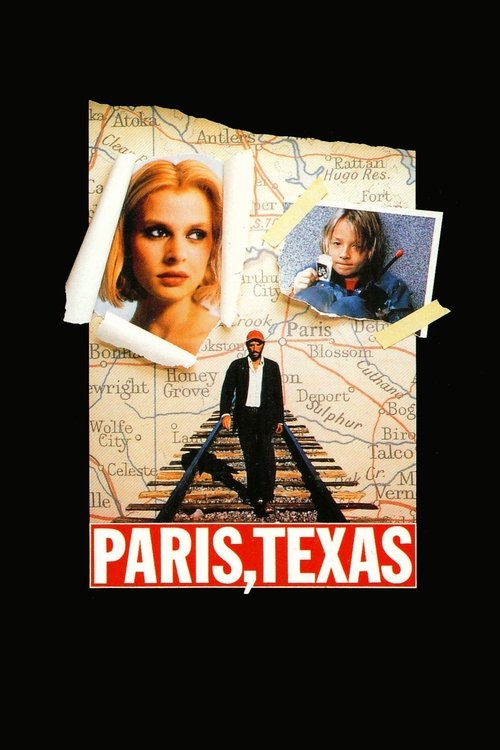
Paris, Texas1984
Wim Wenders' meditative American road film shares Burnett's interest in a man adrift, unable to fully connect with the people who love him, told at an unhurried pace.
But It's a wide-open, sunbaked Texas landscape film rather than a cramped urban portrait — very different scale and mood.
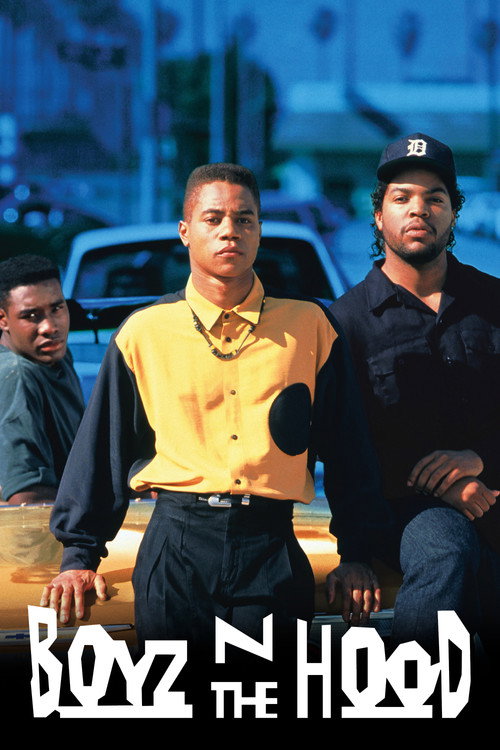
Boyz n the Hood1991
Another Los Angeles story of Black manhood and the forces bearing down on it, this one more plotted and urgent but sharing the same neighborhood-as-character instinct.
But It's a much more conventional, dramatic narrative — violence and stakes escalate where Killer of Sheep stays deliberately still.
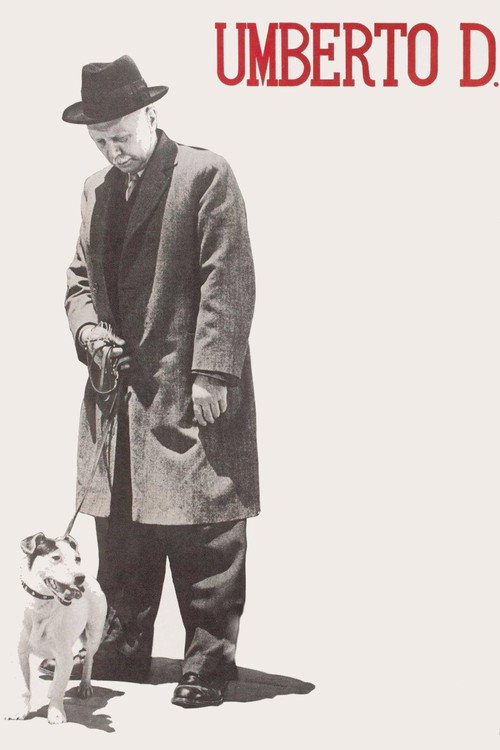
Umberto D.1952
Neorealism's founding text: amateur cast, real locations, economic desperation observed rather than dramatized — the aesthetic lineage Burnett studied and reinvented.
De Sica's story of an old pensioner and his dog wandering Rome, filmed with nonactors on real streets, is the postwar Italian root of the style Burnett later brought to Watts.
But It's openly tearjerking in a way Killer of Sheep resists — De Sica wants you crying, Burnett wants you sitting with discomfort.
Modern Times1936
Same moral core — labor stripping a man of his humanity — filtered through the opposite register: broad comedy instead of hushed realism, decades earlier.
Chaplin's silent comedy about a man swallowed by an assembly line turns industrial dehumanization into slapstick — the same machine grinding down the same kind of body, played for laughs instead of quiet dread.
But It's pure comic entertainment with a happy ending — nothing like Burnett's unresolved, melancholy tone, though the target is identical.

People
Cast
 Henry G. SandersStan
 Kaycee MooreStan's Wife
- Charles BracyBracy
- Angela BurnettStan's Daughter
- Eugene CherryEugene
- Jack DrummondStan's Son
Recommended by
Moonlight, If Beale Street Could Talk, Wattstax, Boyz n the Hood, Nothing But a Man