
Film
Pennies from Heaven
Other titles called Pennies from Heaven: the 1978 series (BBC One), the 1981 film.
A 1936 musical where a newly freed prisoner keeps a promise to help a poor girl and her grandfather, only to find his street-singing dreams tangled up with a welfare worker determined to separate them. Bing Crosby in lighter territory, buoyed by Louis Armstrong and genuine tenderness beneath the comedy. It's a film that believes in redemption through kindness, and means it.
Should you watch it?
Watch it if you like old-fashioned sentimental musicals where a crooner's easy charm and Depression-era streets make the songs feel like part of the everyday story.
Skip it if you need modern pacing, since the story wanders between sentiment and comic set pieces and the songs arrive with a 1930s stiffness that some will find creaky.
What it asks of you: A brief eighty-one minutes, unhurried at the edges and sweet rather than sharp, so settle in for a gentle story that trusts its songs more than its jokes.
Not sure? Find tonight's pick in a minute.
If you liked this
It Happened One Night1934
Capra's screwball blueprint for romance between unequals: fast dialogue, real chemistry, and the sense that two people from different worlds genuinely change each other. Crosby fans will recognize the charm, the ease.
But The pace is relentless and the gender politics are very 1934. If you need quietness or modern sensibilities, it won't give them to you.

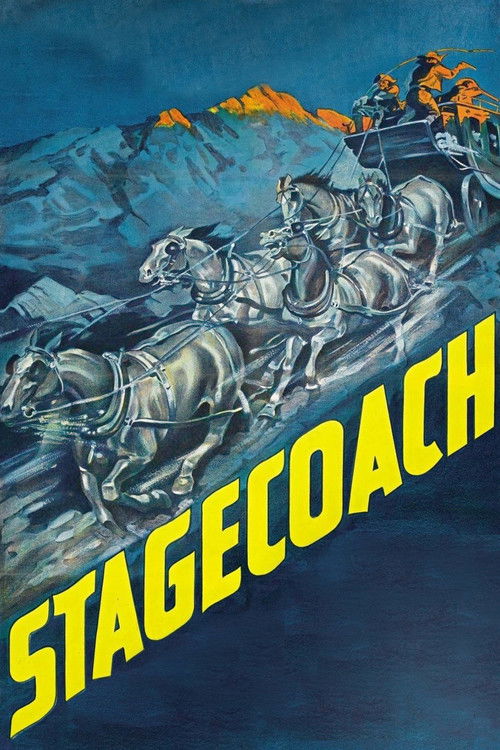
Stagecoach1939
Ford brings operatic scale to strangers thrown together, each carrying secrets and dignity. Character-driven, visually stunning, and proof that a Western can be about people, not just gunfights. The moral weight of *Pennies* lives here too.
But It's a John Ford film: the pacing is deliberate, the heroism is masculine, and there's violence that won't sit easy with everyone. Also nearly two hours.
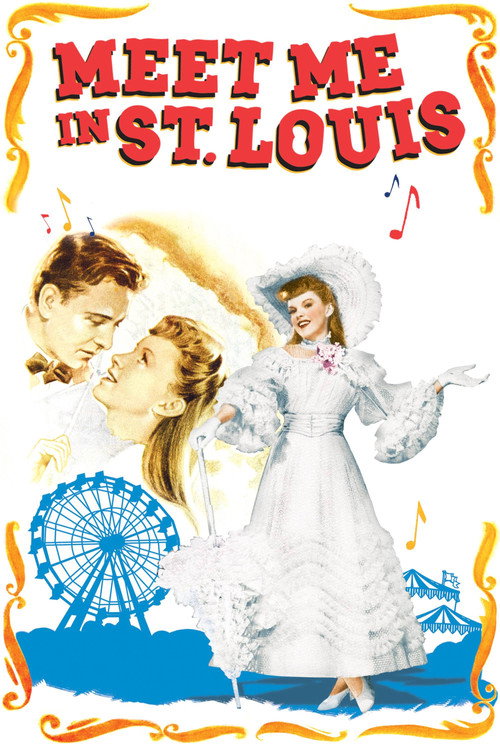
Meet Me in St. Louis1944
Vincente Minnelli's hymn to American small-town life and family obligation. Judy Garland, gorgeous Technicolor, songs woven into story rather than stopping it cold. Shares *Pennies*' belief that love and duty can live in the same heart.
But If you find family-as-theme claustrophobic or saccharine, this will test you. The pacing is unhurried to the point of stasis in places.
Not sure tonight? Get a pick in a minute, starting from Pennies from Heaven
The wildcard
Something you would not have found on your own.
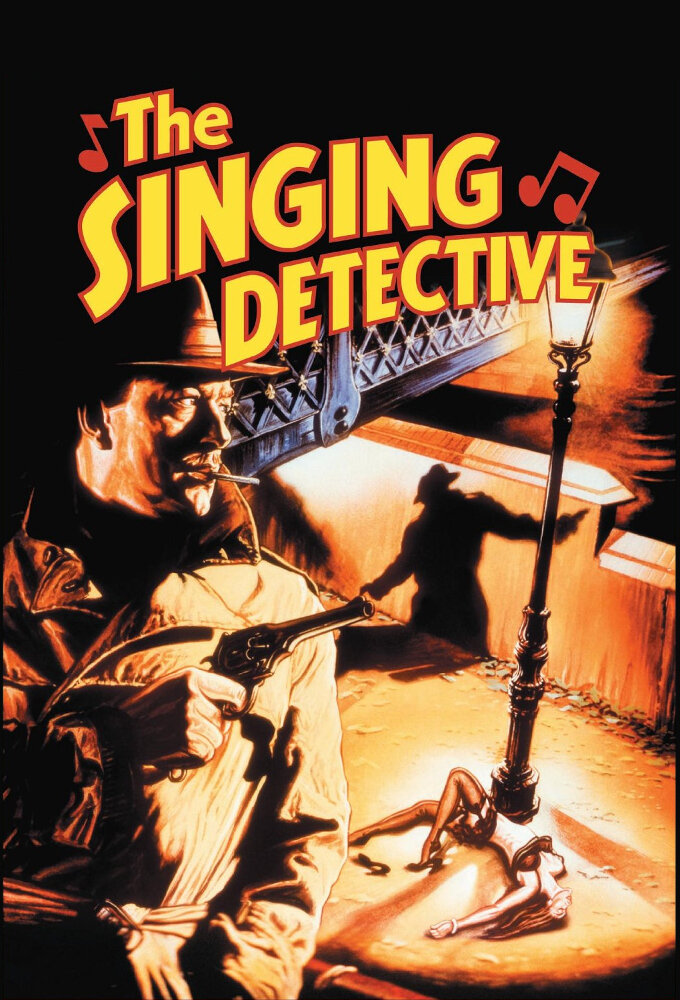
The Singing Detective1986
Both treat songs as acts of grace that reveal character and emotion rather than interrupt story. Music as survival mechanism, not decoration.
Dennis Potter's miniseries weaves a man's fevered memory, detective noir, vintage music, and genuine trauma into something that feels like a fever dream made flesh. It's about how stories—and songs—help us survive pain. The connection to *Pennies* is structural: both use music not as escape but as truth-telling.
But It's dense, sometimes nauseating, and deeply uncomfortable about the body and desire. The narrative loops and callbacks demand active watching. Not entertainment in the conventional sense.
More like this (8)
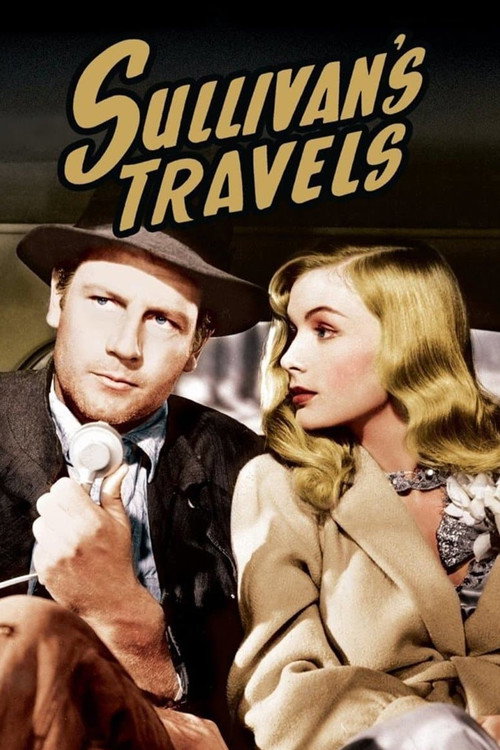
Sullivan's Travels1941
Preston Sturges' masterpiece about a director trying to make serious art while learning what people actually need from stories. Comedy and gravity in perfect balance. The sequence with a chain gang and a film screening gets at something *Pennies* also understands about joy as necessity.
But It's smart about itself in ways that can feel arch if you're not in the mood. Nearly two hours, and the tonal shifts require patience.
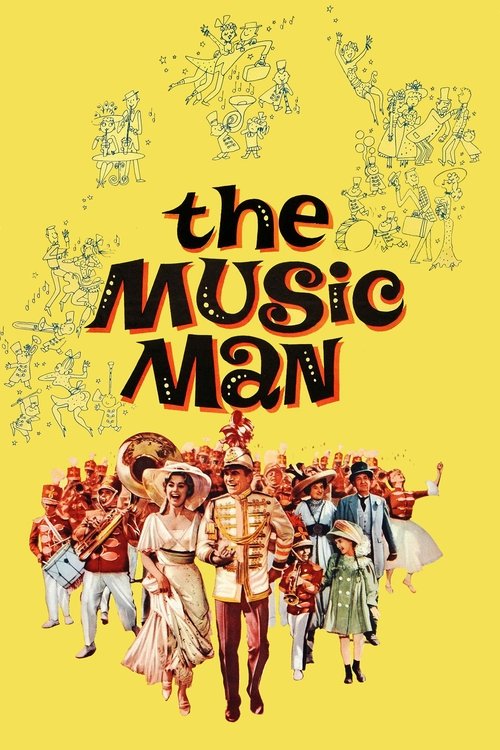
The Music Man1962
A con man and a librarian in a small town: music, charm, and genuine affection for Americana. Like *Pennies*, it trusts that decency and dreams aren't enemies. The dancing is joyful and the score is immaculate.
But If you have no patience for theatricality or show tunes, you'll be grinding your teeth. It's nearly two and a half hours of unironic wholesomeness.
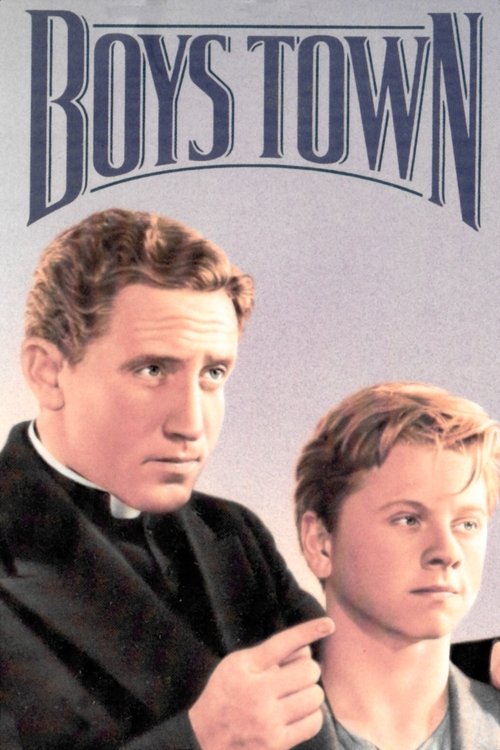
Boys Town1938
Spencer Tracy as a priest building a home for street kids, with Mickey Rooney as a troubled boy learning to belong. It's earnest about redemption and kindness without being mawkish. Real emotion underneath the sentiment.
But The religious element dominates, and the film's faith in institutional salvation feels dated now. It can tip into preachy if you're resistant to the message.
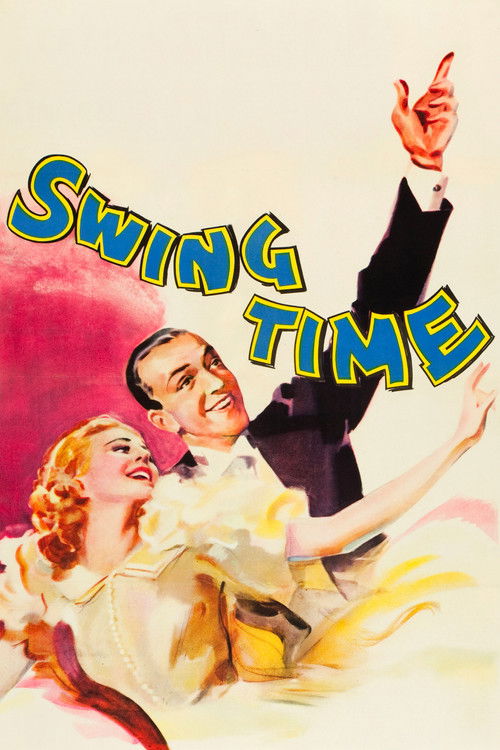
Swing Time1936
Astaire and Rogers in their element: a story thin as tissue but a vehicle for dancing so inventive and joyful it makes the heart ache. The film-making gets out of the way. Pure cinema, pure pleasure.
But If you don't care about dance, there's not much plot holding your interest. And the racial elements of 1930s Hollywood are uncomfortable to modern eyes.
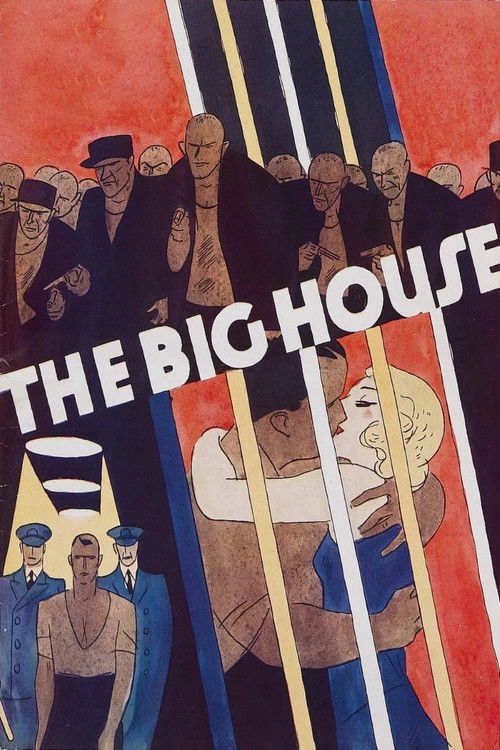
The Big House1930
Early prison drama with real grit and humanity. Multiple prisoners, multiple stories, no easy answers. Shares *Pennies*' interest in what prison does to a person and what redemption might look like beyond bars.
But It's brutal and occasionally exploitative, made in a pre-Code era when films could be darker. The pacing is uneven by modern standards.
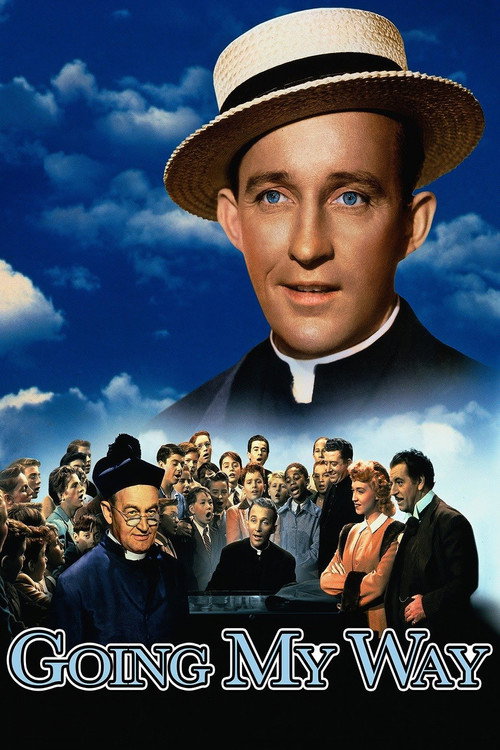
Going My Way1944
Crosby himself, playing a priest who charms his way into fixing a parish with music and good humor. Sentimental but earned, and Crosby's warmth is genuine. If you like him in *Pennies*, you'll understand why the world did too.
But It's very much of its moment—aggressively wholesome in ways that can feel suffocating. The drama is mild, the stakes are low, and the religion is unexamined.
Umberto D.1952
Both center on an older person and a young child learning to need each other. Both argue that ordinary kindness is the only redemption available, and it's enough—or it has to be.
Vittorio De Sica's devastating neo-realist film about an old man and his dog facing poverty in post-war Rome. No sentimentality, no music, no easy answers—just the weight of age, dignity, and the small kindnesses that keep people alive. The moral core is *Pennies*' core: what we owe each other when the world offers nothing.
But It's austere and bleak. There is no redemption arc, no happy ending, no catharsis. If you need cinema to comfort you, this will wound you instead.

Killer of Sheep1978
Both center on a man taking care of others despite his own fractured dreams. Both understand that love and hardship are the same texture. Both use music (spirituals, blues) as the only honest language available.
Charles Burnett's film poem about a man working in a slaughterhouse, his family, his neighborhood in Watts. Shot in grainy black and white, almost documentary, with a blues and R&B score that channels real feeling. It's about dignity in exhaustion, love under pressure, and what beauty persists in hard lives. It shares *Pennies*' faith in ordinary people.
But There is almost no plot. It moves like memory, not narrative. If you're looking for story momentum, you'll be frustrated. The grain and the pacing ask patience most viewers won't give.

People
Cast
 Bing CrosbyLarry Poole
 Madge EvansSusan Sprague
 Edith FellowsPatsy Smith
 Louis ArmstrongHenry
 Donald MeekGramp Smith
 John GallaudetJ. C. Hart
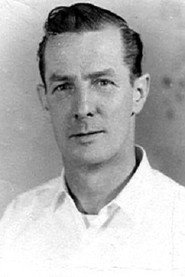 William StackClarence B. Carmichael
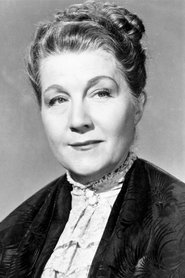 Nana BryantMiss Howard
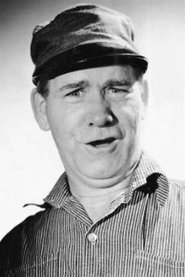 Tom DuganCrowbar Miller
 Nydia WestmanSlavey - Hotel Maid
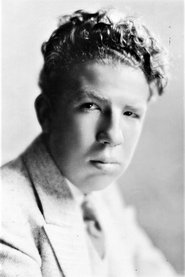 Mickey DanielsHay Wagon Driver (uncredited)
Directing
- Sam NelsonAssistant Director
- Norman Z. McLeodDirector
Writing
- Johnny BurkeLyricist
- Katherine Leslie MooreNovel
- Jo SwerlingScreenplay
- William RankinStory
Production
- Emanuel CohenProducer
- Earl RettigUnit Manager
Recommended by
Easter Parade, Death Takes a Holiday, Stage Door Canteen, It Happens Every Spring, Bright Eyes, Pot o' Gold, Royal Wedding, High, Wide and Handsome, The Barkleys of Broadway, I Love Melvin, Naughty Marietta, Sun Valley Serenade, Hans Christian Andersen, Lullaby of Broadway, Captain January, The Little Colonel, The Perils of Pauline, Higher and Higher, Summer Holiday, Rich, Young and Pretty, Andy Hardy Gets Spring Fever, The Good Companions, Cab Calloway's Hi-De-Ho, A Rhapsody in Black and Blue