
Film
It Happens Every Spring
- Comedy
- Science fiction
- Light-hearted
A chemistry professor invents a ball that evades any wooden bat, then pursues a wild scheme to exploit his discovery. This 1949 screwball comedy pivots on a high-concept gimmick executed with infectious charm and period whimsy. It's lightweight but generous—the kind of film that seems to enjoy its own absurdity as much as you will.
Should you watch it?
Watch it if you like a sweetly silly comedy built on one outrageous gadget, where a straight-faced leading man's scheming gets more absurd and more fun as it goes.
Skip it if you need fast, sharp jokes, since this is a gentle, old-fashioned comedy whose laughs arrive slowly and whose romance is quite conventional.
What it asks of you: It takes its time over a modest 87 minutes, mostly letting the setup and the characters' easy banter do the work rather than racing from one gag to the next.
Not sure? Find tonight's pick in a minute.
If you liked this
Singin' in the Rain1952
Joyous, inventive, and bursting with genuine delight in its own premise. The technical audacity and the sheer pleasure radiating from every frame make it the gold standard for entertainment that knows exactly what it is.
But The melodrama subplot genuinely matters, which some find jarring when you're expecting pure escapism. A few musical numbers lag.

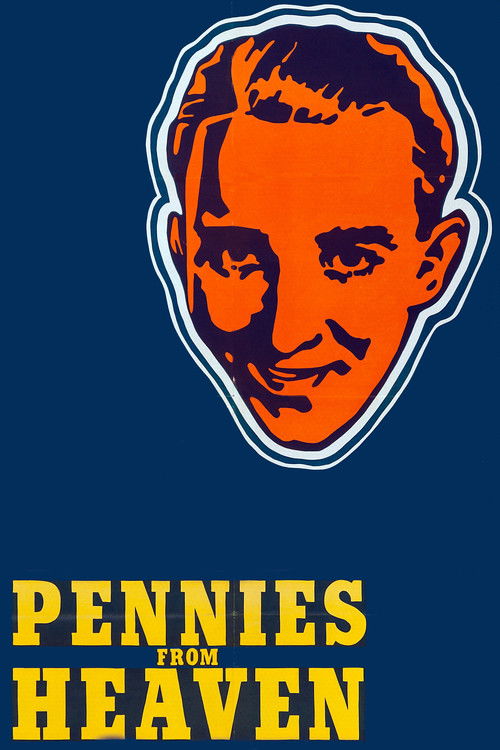
Pennies from Heaven1936
Depression-era escapism with bite: dancing, optimism, and Depression economics colliding in ways that feel both silly and surprisingly pointed. The tone is nimble—comedy and vulnerability trading lines.
But It's of its moment—the pacing is deliberate, and modern audiences sometimes find early musicals talky. The romantic plotline resolves tidily.
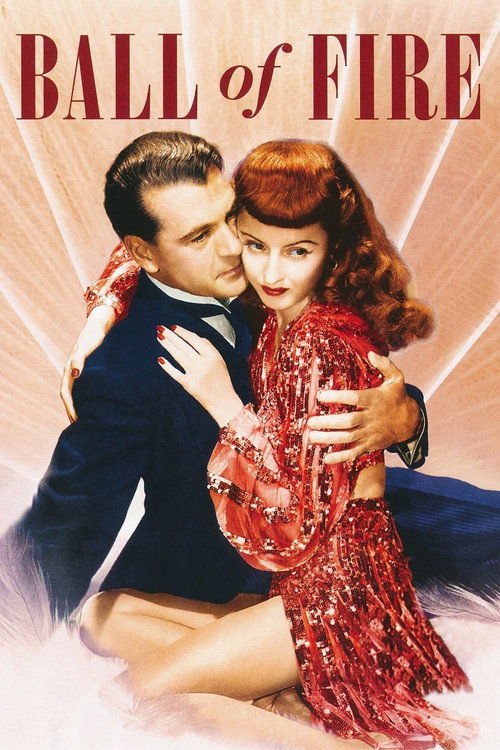
Ball of Fire1941
A screwball gem where a stripper hides out with seven linguists. Wickedly smart, beautifully performed, and it earns its warmth without sentiment. The wit moves fast and lands clean.
But Genre conventions are baked in. If you resist the idea that trouble and innocence belong together, you'll chafe against the engine.
Not sure tonight? Get a pick in a minute, starting from It Happens Every Spring
The wildcard
Something you would not have found on your own.
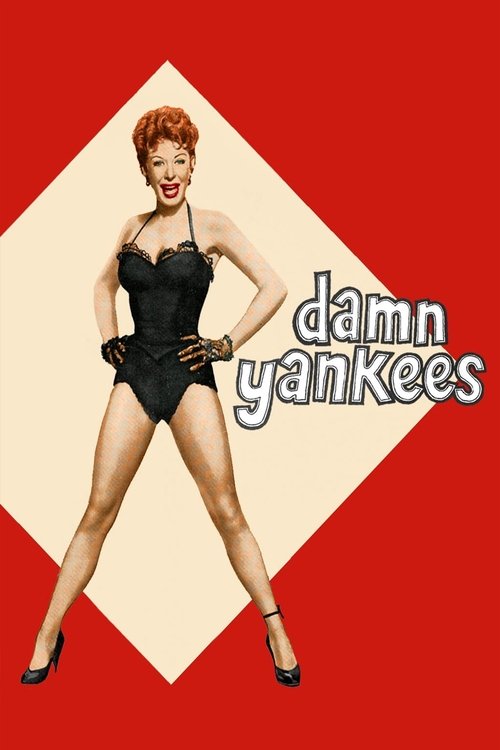
Damn Yankees1958
Both are fantastical schemes centred on baseball, where the impossible becomes the vehicle for comedy and character. Baseball as metaphor for ambition and compromise.
A baseball-obsessed fantasy musical that shares DNA with *It Happens Every Spring*—baseball as the vessel for wish fulfilment, spectacle, and moral reckoning. The Gwen Verdon numbers alone justify the evening.
But It's a filmed stage musical from the tail end of that form's Hollywood dominance. Long production numbers and theatrical staginess will feel slow to modern viewers accustomed to film rhythm.
More like this (8)
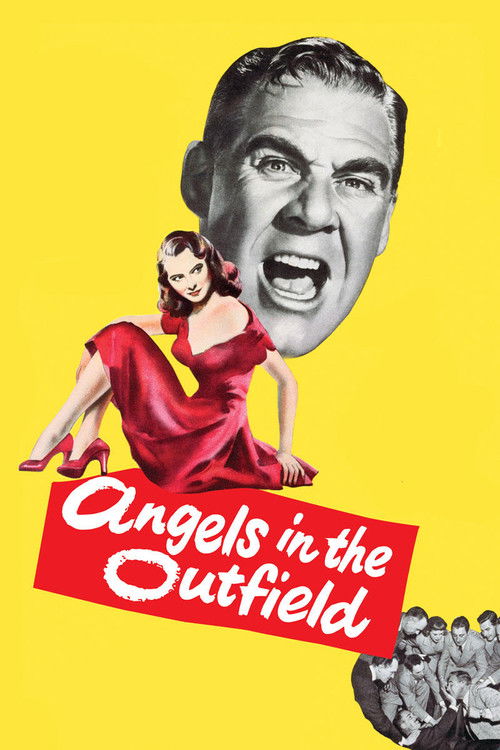
Angels in the Outfield1951
Another baseball-fantasy comedy from the same era, mining similar territory with genuine heart. The special effects are charmingly primitive; the sentiment never curdles into schmaltz.
But It's more explicitly sentimental than *It Happens Every Spring*. The faith element, though handled lightly, won't appeal to everyone.
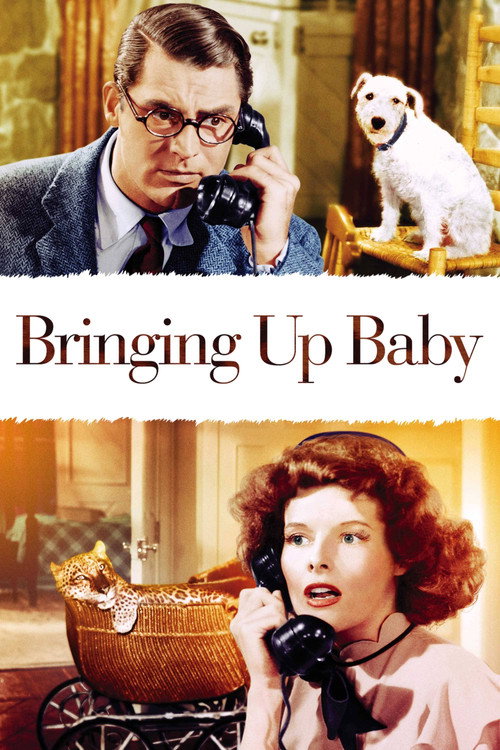
Bringing Up Baby1938
The screwball blueprint—pure velocity, perfect timing, and a leopard that matters as much as the humans. Cary Grant and Katharine Hepburn make chaos look like choreography.
But The plot is a pretext for chaos. If you need narrative momentum or character consistency, the film will exhaust you.
The Philadelphia Story1940
Sophisticated screwball with three leads who are genuinely matched in wit. The comedy emerges from character and consequence, not just situation. Rewarding on every viewing.
But Class politics date visibly—the resolution involves wealth cushioning every problem. The tone can feel remote.

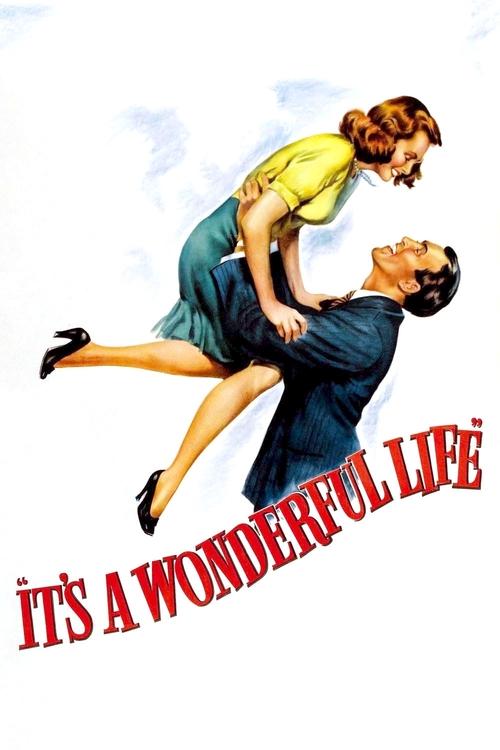
It's a Wonderful Life1946
An earlier example of using a gimmick—the chance to see what didn't happen—to explore something genuinely meaningful. Comedy and sentiment integrated rather than alternating.
But Unavoidable December viewing now; the sacralisation can feel oppressive. Some find the town-sized morality tale heavy-handed.
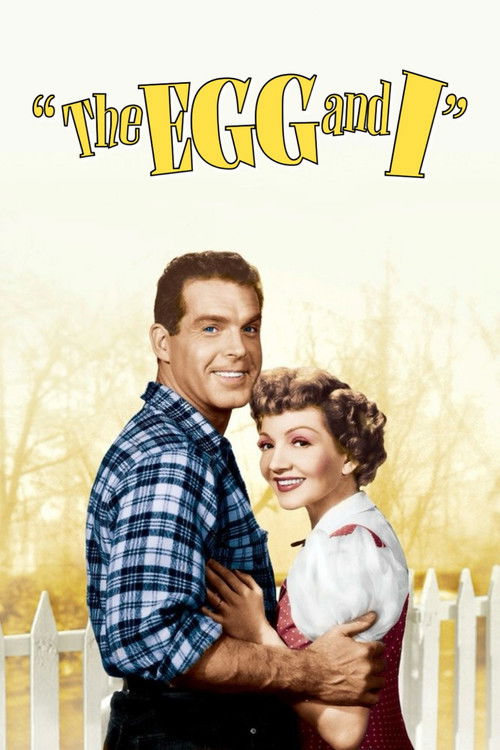
The Egg and I1947
Claudette Colbert and Fred MacMurray navigate homesteading on an island with competitive energy and spark. It's lighter than it sounds, and the two leads elevate modest material.
But The plot meanders by design. Some sequences outstay their welcome, and the resolution feels obligatory rather than earned.
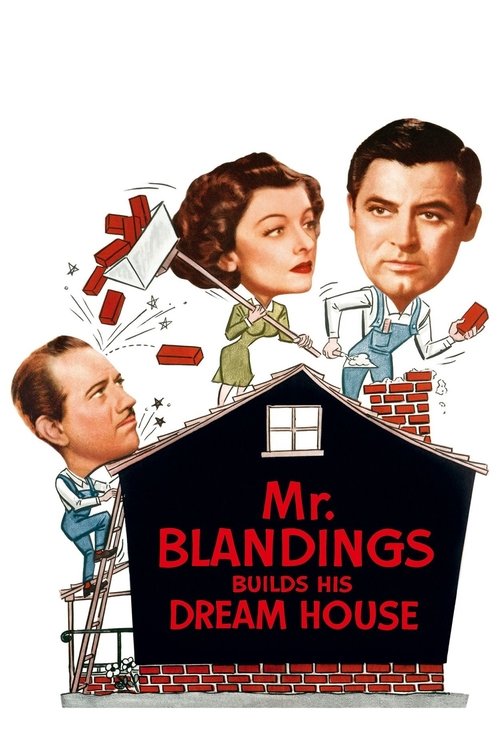
Mr. Blandings Builds His Dream House1948
A deceptively smart comedy about suburban aspiration and the gap between fantasy and reality. Cary Grant as a man drowning in his own ambitions has genuine pathos wrapped in laughs.
But Fifties gender dynamics are front and centre. The house becomes a character in its own right, which can feel dated or labored depending on your patience.
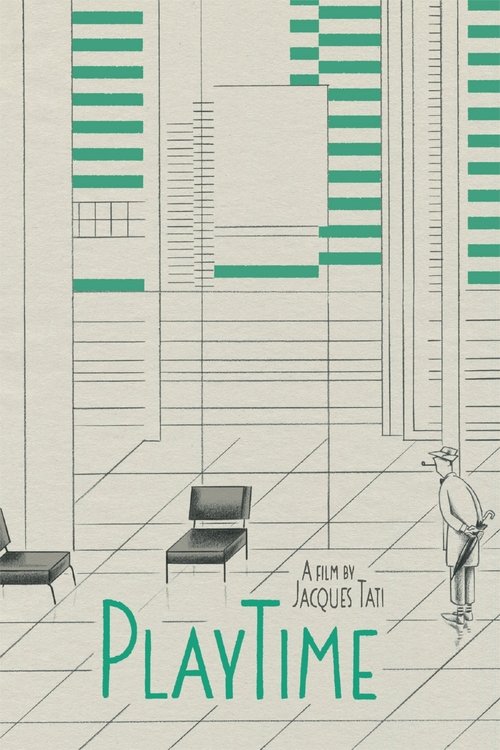
PlayTime1967
Both films are predicated on a central invention or gimmick—Tati's film is about gimmicks, modernity, and absurdity itself. Like *It Happens Every Spring*, the pleasure is watching the logic of the premise play out in increasingly ridiculous scenarios.
Jacques Tati's masterwork: a feature-length comedy built on visual invention and sight gags that require no translation. Every frame is densely packed with humour operating at multiple registers simultaneously.
But It's nearly two and a half hours of sprawling, ambient comedy with no plot to grip you. The tempo is deliberately flat, and many viewers find it exhausting rather than delightful.
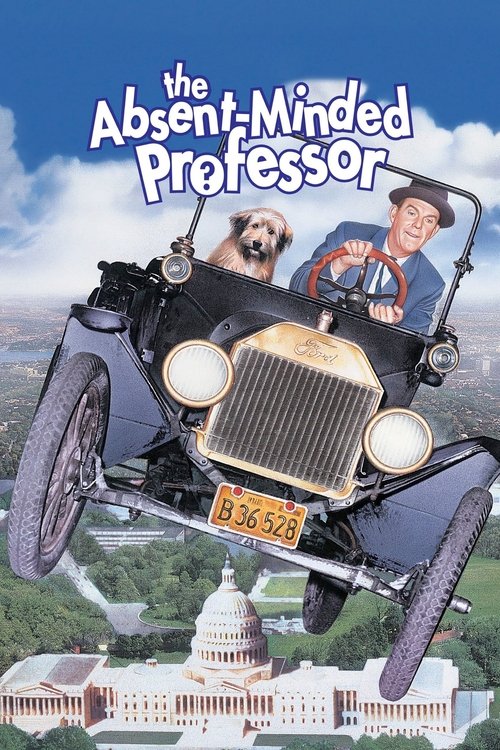
The Absent-Minded Professor1961
A scientist invents something that shouldn't be possible, then the film explores—with warmth but also comedy—what happens when that thing enters the world. Same structural spine: invention as catalyst.
Walt Disney's film about a chemistry professor who invents a gravity-defying rubber: the family-film equivalent of your premise. It's earnest, inventive, and genuinely concerned with what fun looks like.
But It's a Disney film aimed at children, which means it's sentimental in ways that shade toward syrup. The mechanical ingenuity can feel creaky compared to modern spectacle.
People
Cast
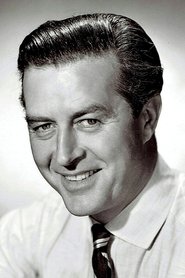 Ray MillandVernon Simpson
 Jean PetersDeborah Greenleaf
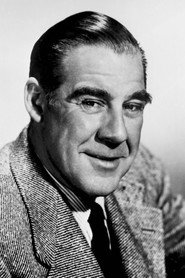 Paul DouglasMonk Lanigan
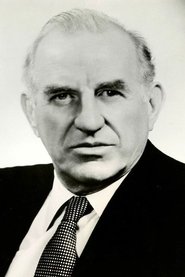 Ed BegleyEdgar Stone
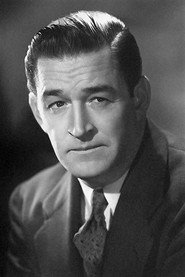 Ted de CorsiaJimmy Dolan
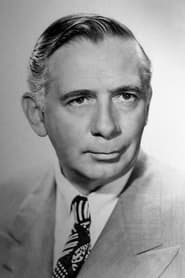 Ray CollinsAlfred Greenleaf
 Jessie Royce LandisMrs. Greenleaf
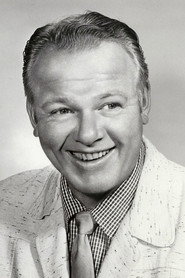 Alan Hale Jr.Schmidt
 Kathleen HughesSarah (uncredited)
 Mae MarshGreenleaf's Maid (uncredited)
 Debra PagetAlice (uncredited)
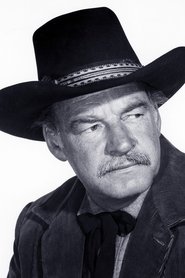 Ray TealMac (uncredited)
Directing
- Jasper BlystoneAssistant Director
- Lloyd BaconDirector
Writing
- Valentine DaviesScreenplay
- Shirley W. SmithStory
- Valentine DaviesStory
Production
- Darryl F. ZanuckExecutive Producer
- William PerlbergProducer
- Charles HallProduction Manager
Recommended by
The Battered Bastards of Baseball, The Scout, The Time of Their Lives