
Film
Angels in the Outfield
Other titles called Angels in the Outfield: the 1994 film.
- Fantasy
- Light-hearted
A crusty baseball manager strikes a deal with heaven: clean up his act, and angels will help his struggling team win. It's earnest and warm, occasionally funny, with real sentiment beneath the fantastical premise. For anyone who loves sports movies that aren't really about sports, or who grew up on films where magic was treated as matter-of-fact.
Should you watch it?
Watch it if you like sentimental fantasy built on sports-page grit, where a bellowing, bruised character gets softened by something larger than himself and you can enjoy the sugar without apology.
Skip it if the faith-and-miracles sentiment is laid on thick, and if a baseball story needs real game tension to hold you, the on-field stakes here will feel light.
What it asks of you: Ninety-nine minutes that move briskly, with its sharpest energy in the dugout and its gentlest passages between innings, and it wants you to meet its sincerity halfway.
Not sure? Find tonight's pick in a minute.
If you liked this
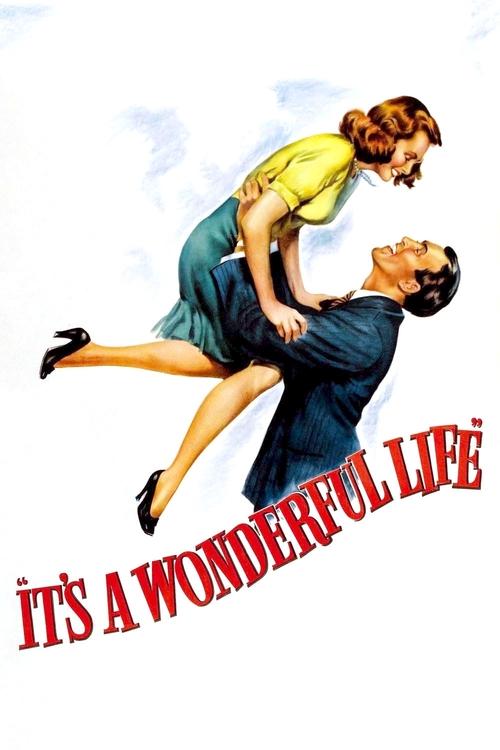
It's a Wonderful Life1946
A man is shown what his town would be without him, learning his life mattered more than he knew. Like Angels, it uses supernatural intervention to explore redemption and human goodness, with genuine emotion and comedy woven together seamlessly.
But The sentimentality can feel heavy-handed, and it's been referenced to death in culture. Some find its moral certainty exhausting rather than comforting.
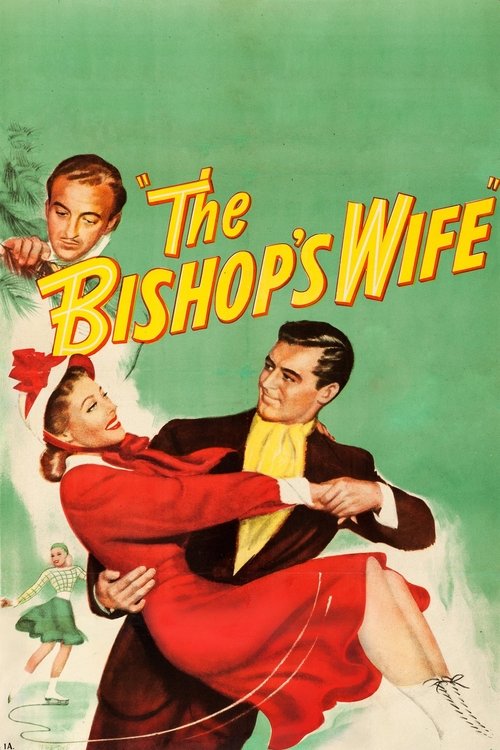
The Bishop's Wife1947
An angel helps a bishop reconnect with his wife and community, mixing divine comedy with real domestic warmth. It shares Angels' belief that heaven cares about small human problems and that grace arrives through grace notes, not grand gestures.
But The romance subplot may feel dated, and the pacing drifts occasionally. Cary Grant's charm can overshadow character development.
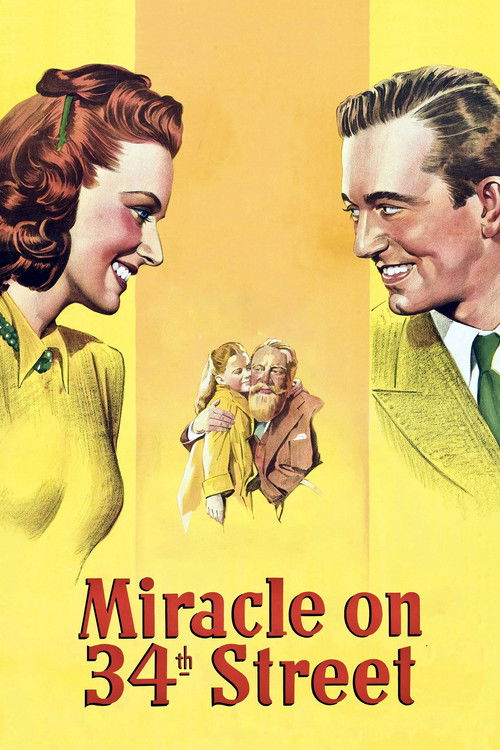
Miracle on 34th Street1947
A department store Santa might actually be the real thing; a child must decide whether to believe. Both films ask us to embrace wonder while staying grounded in real stakes—here, a custody battle; there, a team's survival.
But The courtroom third act feels like a different movie. Some find the metaphysical debate preachy rather than magical.
Not sure tonight? Get a pick in a minute, starting from Angels in the Outfield
The wildcard
Something you would not have found on your own.
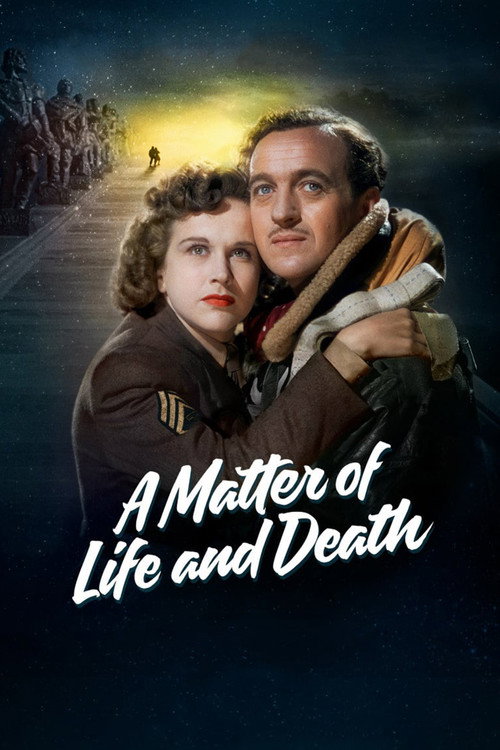
A Matter of Life and Death1946
Both treat the afterlife as genuinely invested in human moral improvement rather than punishing failure.
A RAF pilot faces judgment in a celestial trial about whether he should live. A British film in gorgeous color and audacious design—heaven is real, bureaucratic, and strangely British. It shares Angels' conviction that heaven invests in individual human lives and small redemptions matter cosmically.
But The courtroom debate is philosophical and slow. The British sensibility and 1940s moral framework feel distant from modern taste.
More like this (8)
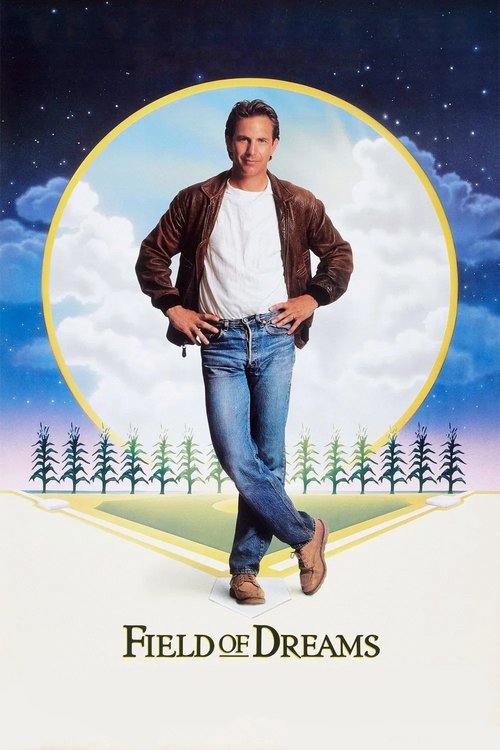
Field of Dreams1989
A farmer builds a baseball diamond on faith, and the dead return to play. It's the spiritual heir to Angels—baseball as a stage for grace, irrational belief rewarded, grief transformed through sport and magic.
But The mysticism can read as New Age sentiment rather than genuinely moving. The protagonist's arc is thin compared to the spectral guests.
Singin' in the Rain1952
A backstage musical about show business and friendship, where charm and craft collide joyfully. Like Angels, it trusts that entertainment and heart aren't enemies—you can laugh and feel something real at the same time.
But The plot is thin and exists mainly to hang music on. If you don't love the songs, there's not much underneath.

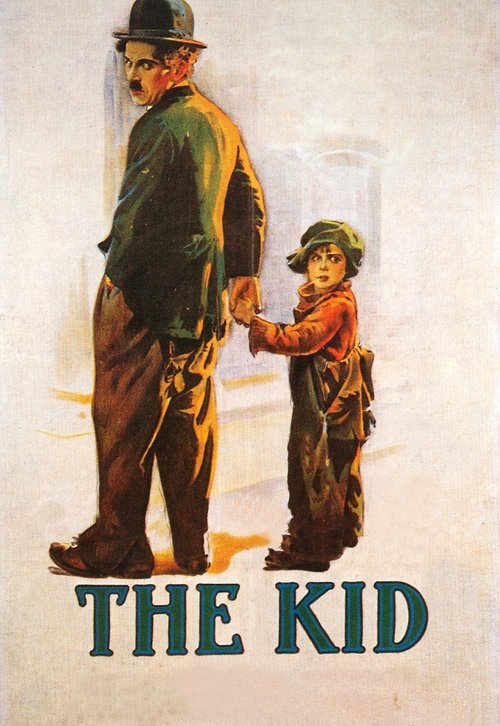
The Kid1921
Chaplin as a vagrant caring for an abandoned child—silent, funny, heartbreaking. Both films believe that broken people can be remade through love and responsibility, and that comedy belongs in stories about transformation.
But Silent film requires patience, and Chaplin's sentimentality can feel manipulative if you're not in the mood for it.
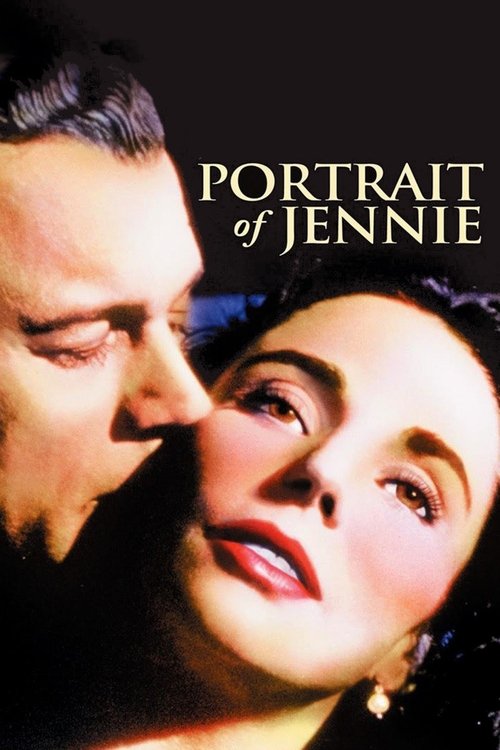
Portrait of Jennie1948
A painter falls in love with a mysterious woman who may be a ghost, blending the supernatural with romantic yearning. Like Angels, it treats magic as sad and beautiful rather than silly—the logic of dreams applied seriously.
But The romance is abstract and the plot vague. The ending divides viewers sharply on whether it's profound or frustrating.
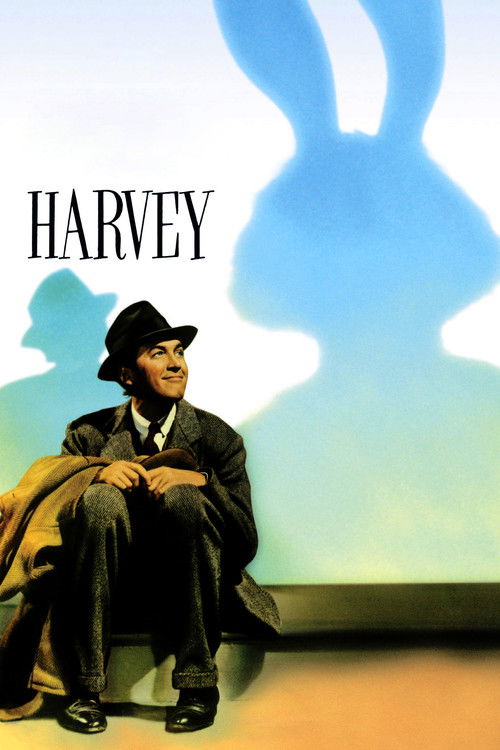
Harvey1950
A man's invisible rabbit best friend brings chaos and kindness to everyone around him. Both films let the fantastical element be matter-of-fact, using it to show how softness and belief can disarm cynicism.
But The whimsy can feel cloying, and the humor relies on repetition rather than invention. Some will find it precious rather than endearing.
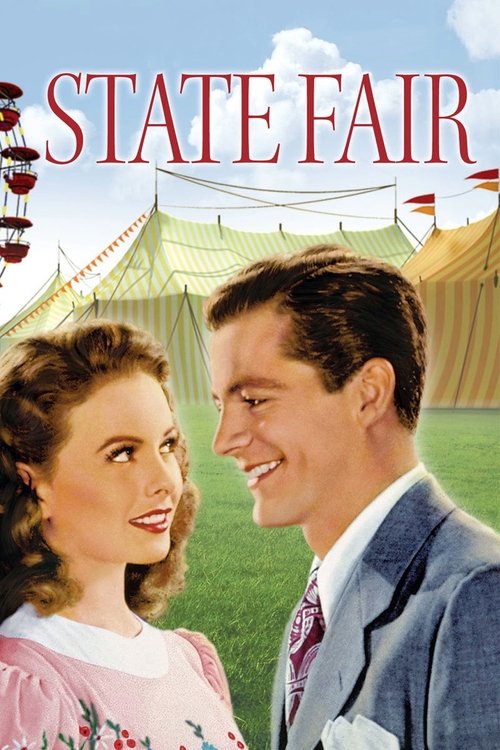
State Fair1945
A family at a state fair finds romance, disappointment, and small redemptions. Like Angels, it's a modest film unashamed of sentiment, finding grace in ordinary life and weather-worn people learning to hope again.
But The plot is slight and the tone relentlessly cheerful. The musical numbers interrupt momentum rather than advancing it.
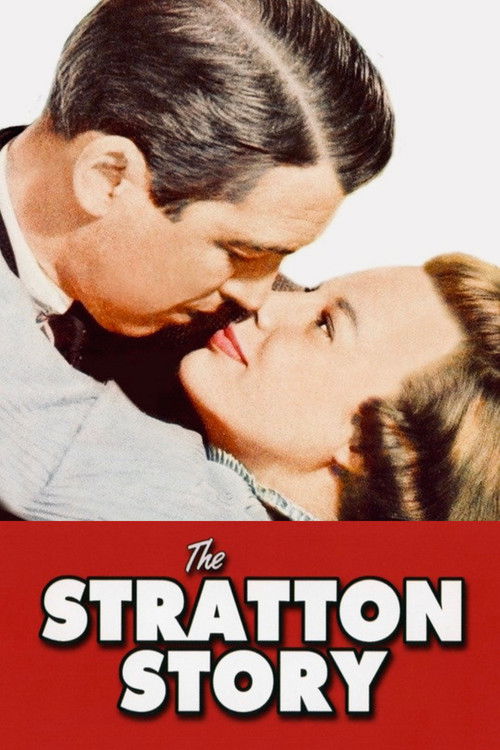
The Stratton Story1949
Both films find redemption in baseball as a stage for human transformation, not victory for its own sake.
James Stewart as a real pitcher who lost his leg but returned to play. It's a sports biography that actually understands what sport offers broken people: purpose, dignity, a way to matter. Like Angels, it knows that redemption and winning are not the same thing.
But It's earnest to the point of grinding. The dramatic structure is predictable, and it works harder than it needs to convince you to care.
Liliom1930
Both imagine heaven as invested in personal moral transformation, but where Angels offers grace easily, Liliom insists it must be earned through suffering and time.
A carnival barker dies and must redeem himself over years of observation from heaven before being allowed to return briefly to earth. A Hungarian fantasy-drama so strange and tender it feels like a folk tale. Both feature heavenly intervention in working-class lives, but Liliom is darker, sadder, and far more surreal.
But It's slow, philosophically dense, and the film quality is fragile. The ending rejects conventional redemption in ways that anger some viewers.

People
Cast
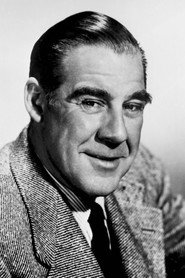 Paul DouglasGuffy McGovern
 Janet LeighJennifer Paige
 Keenan WynnFred Bayles
 Donna CorcoranBridget White
 Lewis StoneArnold P. Hapgood
 Spring ByingtonSister Edwitha
 Bruce BennettSaul Hellman
 Marvin KaplanTimothy Durney
 Ellen CorbySister Veronica
 Jeff RichardsDave Rothberg
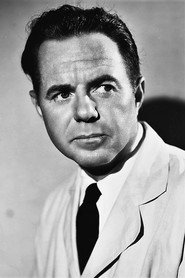 John GallaudetReynolds
 King DonovanMcGee
Directing
- Clarence BrownDirector
Writing
- Dorothy KingsleyScreenplay
- George WellsScreenplay
- Richard ConlinStory
Production
- Clarence BrownProducer
Recommended by
Major League, The Bad News Bears, Here Comes Mr. Jordan, It Happens Every Spring