
Film
Portrait of Jennie
A Depression-era painter falls obsessively in love with a mysterious, ageless girl who seems to exist outside time. Portrait of Jennie is a ghostly romance with visual enchantment—colours shift, sequences blur—that feels less like plot and more like memory. It's for anyone who's ever wanted a film to simply *be beautiful* rather than explain itself.
Should you watch it?
Watch it if you are moved by stories where a painter's longing and a mysterious girl's strangeness are handled with a hushed, slightly melancholy wonder.
Skip it if you need brisk plotting or clear logic, since the film moves slowly and leans on atmosphere, its mystery left deliberately hazy and sentimental.
What it asks of you: Patience with a loose, dreamlike rhythm, and a willingness to float on mood more than cause and effect across a compact 86 minutes.
Not sure? Find tonight's pick in a minute.
If you liked this
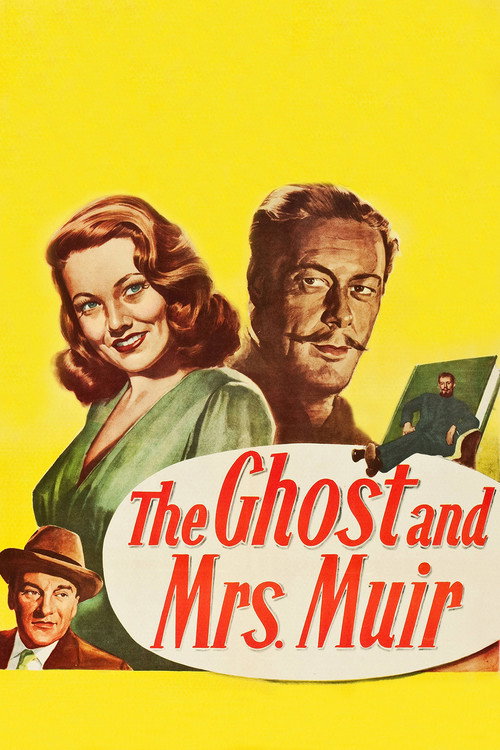
The Ghost and Mrs. Muir1947
Spectral romance with similar mood: a widow falls for the ghost of a sea captain, and the film luxuriates in tenderness and loss rather than scares. Gene Tierney is luminous.
But The pacing is unhurried and the emotional logic is dream-like rather than rational. Some will find it too mannered.
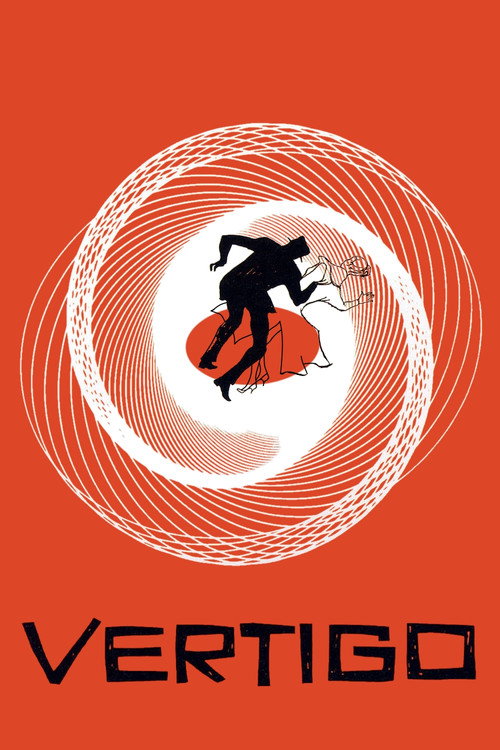
Vertigo1958
Obsession as camera movement. Hitchcock's masterpiece about a detective's fixation on a woman he can never truly possess. Visually intricate, narratively devastating, endlessly rewatchable.
But It's a dark descent into male obsession that doesn't flatter its protagonist. Deeply uncomfortable and deliberately so. Nearly three hours.
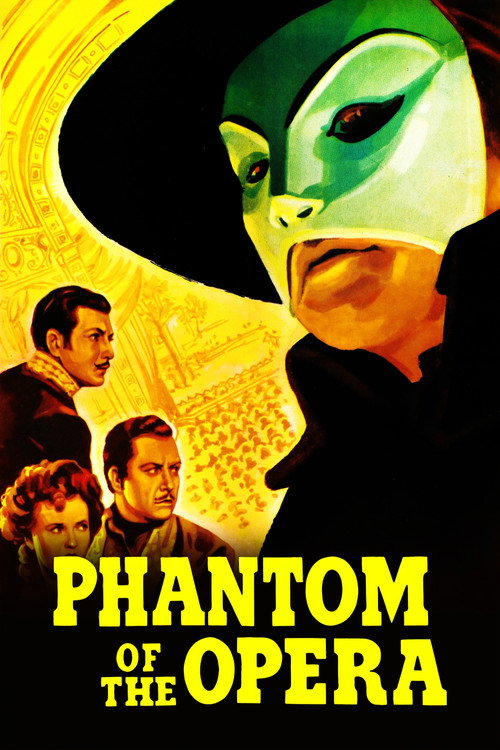
Phantom of the Opera1943
Technicolor Gothic romance with Claude Rains as the tortured, brilliant Phantom. Jon Hall and Susanna Foster carry it with conviction. Sumptuous production design and operatic intensity.
But The story is familiar and the pacing uneven. The ending resolves neatly in a way that undercuts the film's darker impulses.
Not sure tonight? Get a pick in a minute, starting from Portrait of Jennie
The wildcard
Something you would not have found on your own.
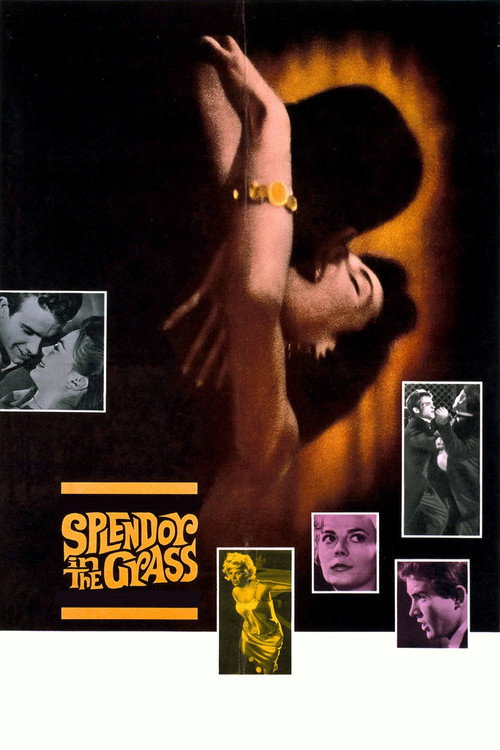
Splendor in the Grass1961
Both films are Depression-era love stories about impossible connections and the ghosts of what might have been. Jennie meets Eben across time; Bud and Deanie meet across class. Both films ask whether the love is real or hallucination.
Warren Beatty and Natalie Wood as lovers torn apart by class and circumstance in Depression Kansas. Elia Kazan directs with operatic intensity. One of cinema's great love stories—tragic, sensual, utterly committed.
But It's earnest and melodramatic in a way that doesn't hide behind irony. The sexual content was shocking at the time and still reads as raw. Very long emotional climax.
More like this (8)
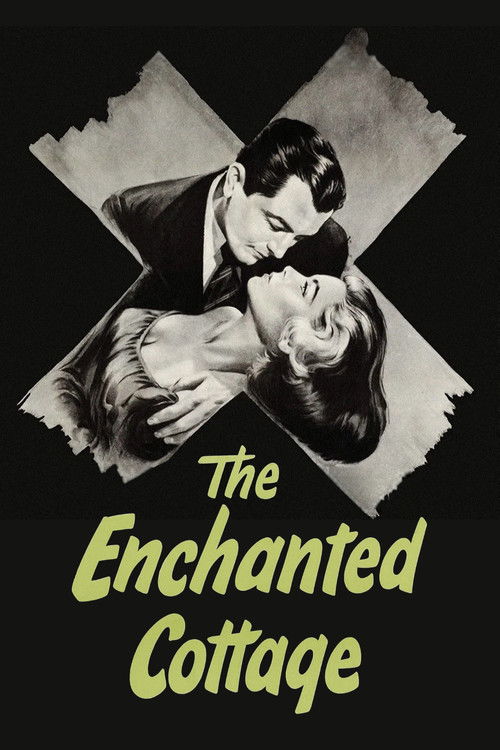
The Enchanted Cottage1945
A disabled soldier and a disfigured woman discover they see beauty in each other that the world denies. Dorothy McGuire and Robert Young are tender and sad. Genuinely moving without sentimentality.
But The magical realism is subtle to the point of vagueness. Its quiet, chamber-piece approach may feel slow if you want clearer narrative momentum.
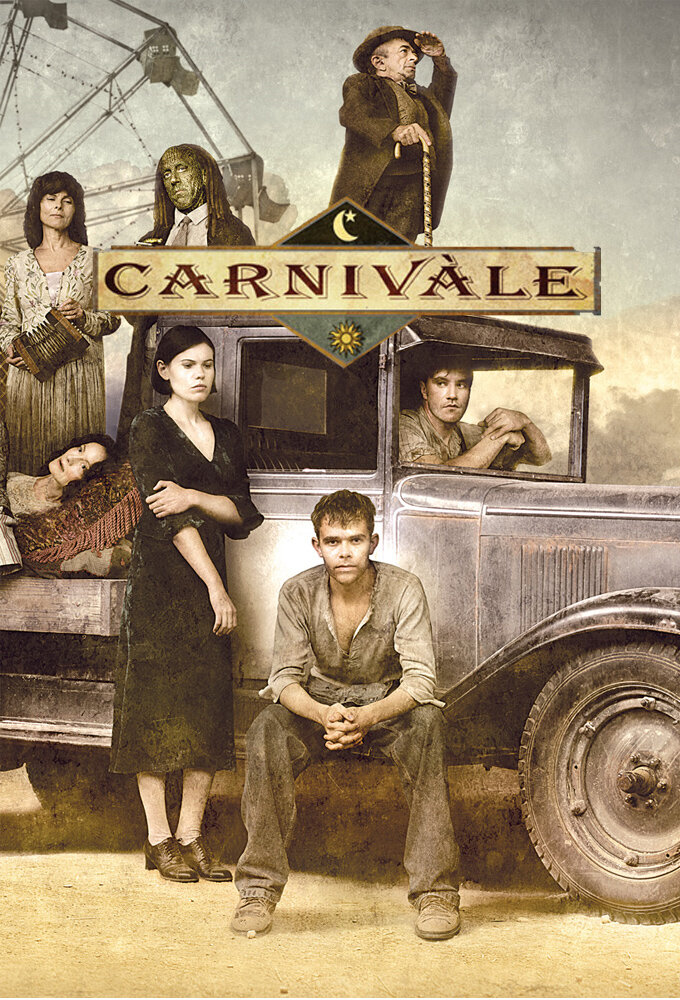
Carnivàle2003
Depression-era carnival with supernatural dread woven through every frame. Two seasons of gorgeous, mysterious storytelling about fate and darkness. Hypnotic cinematography and an unforgettable ensemble.
But The show was cancelled on a cliffhanger after two seasons and never resolved. The pacing is intentionally glacial; patience required. Bleakness accumulates.
The Third Man1949
Post-war Vienna, a man searching for his old friend in the shadows. Carol Reed's direction is immaculate; the zither score lodges in your brain forever. Joseph Cotten (Jennie's co-star) is the moral heart.
But It's a thriller first and a ghost story second. If you want the Jennie-like atmosphere throughout, you'll find the middle act disappointingly straightforward.

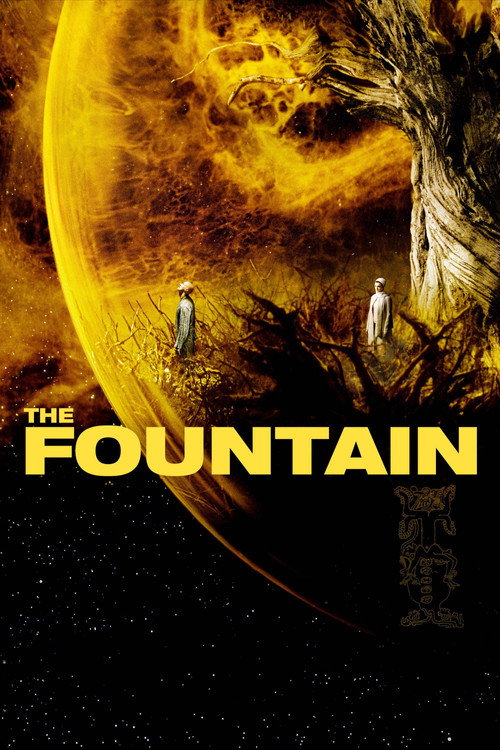
The Fountain2006
Three timelines, one obsessive love, spans centuries. Darren Aronofsky's ambitious meditation on mortality and beauty. Hugh Jackman commits entirely to the emotional core. Visually extraordinary.
But The structure demands active engagement and won't spell out its connections. It's easy to find pretentious. Some will actively resent its metaphysical approach to grief.
Mulholland Drive2001
A woman with amnesia and an aspiring actress form a bond in Los Angeles that feels dreamy and doomed. Lynch's most accessible work; gorgeous and uncanny. Haunts you for weeks.
But The narrative fractures intentionally. If you need plot clarity and a stable reality, this will frustrate you. Long and demands re-watching to parse.

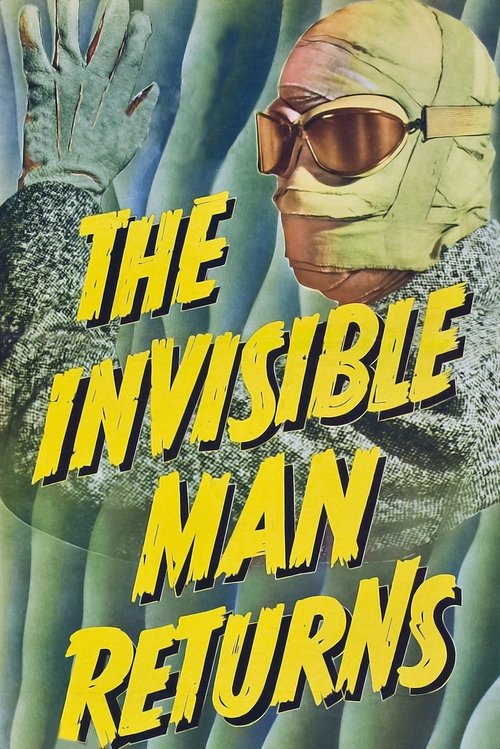
The Invisible Man Returns1940
Vincent Price invisible and desperate in wartime London. A superior B-picture with genuine suspense, dark humour, and Vincent Price's voice alone carrying scenes. Nimble direction and smart special effects.
But The special effects don't always hold up and the plot mechanics creak audibly. It's very much a 1940 picture in its assumptions and pacing. Fun but thin.
The Night Circus
Both are stories where reality bends and time behaves strangely in service of a love story. Neither prioritises logical explanation over emotional and sensory immersion. Both trust the audience to feel rather than understand.
A Netflix limited series about two enchanters locked in a magic competition at a mysterious circus. Visually lush, narratively intricate, dripping with romance and atmosphere. Each episode unfolds like a fever dream.
But The pacing is glacial and the plot less important than mood. It's pure enchantment with minimal plot scaffolding—if you want clarity and forward momentum, it will feel indulgent.
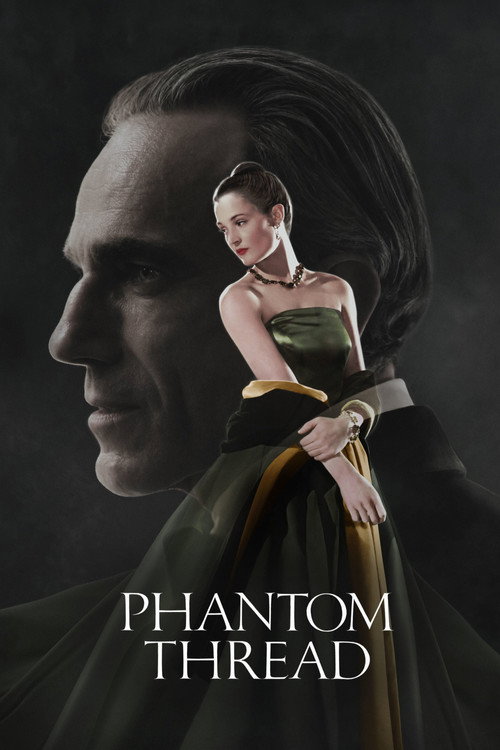
Phantom Thread2017
Like Jennie, Phantom Thread is about a man obsessed with an unknowable woman he cannot pin down. Both films use visual beauty and obsession as their true subject. Both ask whether love is redemption or delusion.
Paul Thomas Anderson's rapturous, unsettling love story between a London fashion designer and his muse. Daniel Day-Lewis is haunting. Gorgeously composed, psychologically twisted, utterly hypnotic.
But It's a slow descent into obsession that reads as romance but functions as psychological thriller. The sexual and power dynamics are murky and never reassuring. Very controlled, very cold beneath the beauty.
People
Cast
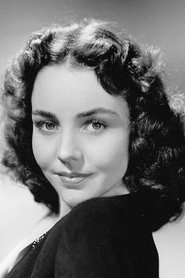 Jennifer JonesJennie Appleton
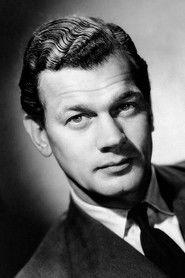 Joseph CottenEben Adams
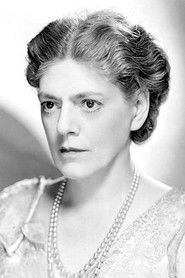 Ethel BarrymoreMiss Spinney
 Lillian GishMother Mary of Mercy
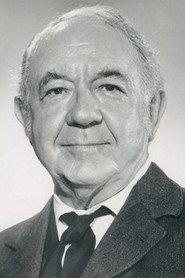 Cecil KellawayMatthews
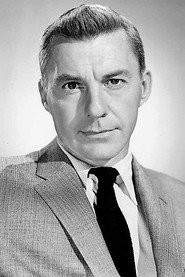 David WayneGus O'Toole
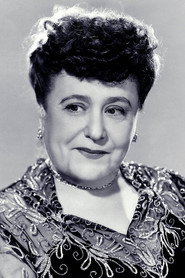 Florence BatesMrs. Jekes
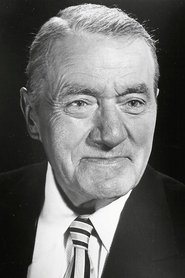 Albert SharpeMoore
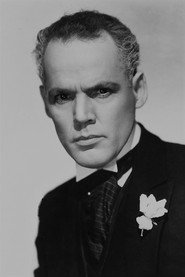 Henry HullEke
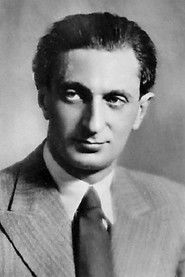 Felix BressartPete
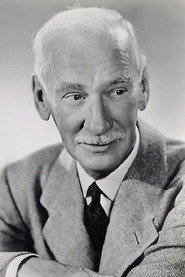 Clem BevansCapt. Cobb
- Maude SimmonsClara Morgan
Directing
- William DieterleDirector
Writing
- Leonardo BercoviciAdaptation
- Robert NathanNovel
- Paul OsbornScreenplay
- Peter BerneisScreenplay
- Ben HechtWriter
Production
- David HempsteadAssociate Producer
- David O. SelznickProducer
Recommended by
A Matter of Life and Death, Ghost, The Uninvited, The Curse of the Cat People, The Ghost and Mrs. Muir, Peter Ibbetson, Angels in the Outfield, Red, White & Royal Blue, Anna Karenina, The Hunchback of Notre Dame, The Scarlet Letter, The Luck of the Irish, Pushing Hands