
Film
Anna Karenina
Other titles called Anna Karenina: the 1935 film, the 1997 film, the 2012 film.
Vivien Leigh is luminous as Tolstoy's doomed heroine, caught between duty to her husband and passion for a cavalry officer in glittering Imperial Russia. This 1948 adaptation is pure visual theatre—sumptuous sets, restrained performances, the weight of society pressing down like a physical force. For anyone who loves slow-burn tragedy and romance that costs something.
Should you watch it?
Watch it if you love costume dramas where drawing rooms and glittering balls carry the emotional weight, and a stylish, melodramatic romance with a pointed eye on society's rules.
Skip it if you need brisk pacing, because at nearly two and a half hours this lingers over conversation and staging, and its heightened, theatrical acting can feel stagey to modern eyes.
What it asks of you: Settle in for a long, unhurried sitting, with dense conversation and slow-building emotional pressure rather than quick cuts or set-piece action.
Not sure? Find tonight's pick in a minute.
If you liked this
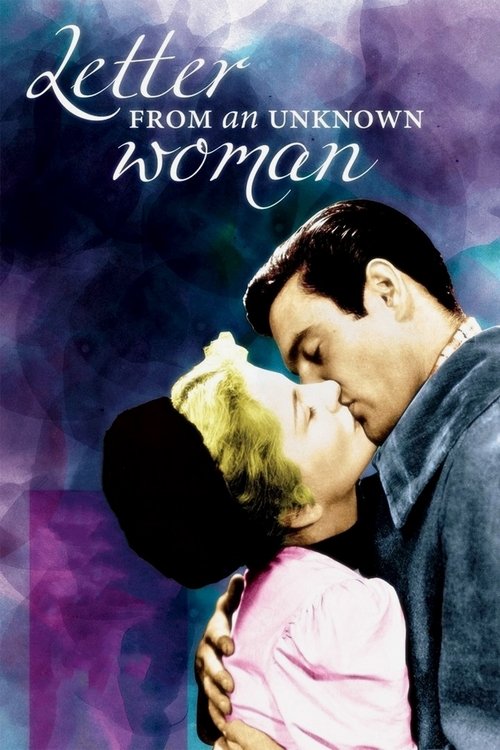
Letter from an Unknown Woman1948
Joan Fontaine's unrequited love unfolds across decades with exquisite restraint. Like Anna Karenina, it's about a woman destroyed by her own heart, but told through memory and loss rather than scandal. Heartbreaking.
But The pacing is glacial and deliberately tragic from the start—there's no mystery, only the slow certainty of ruin. Very much a film that demands patience.
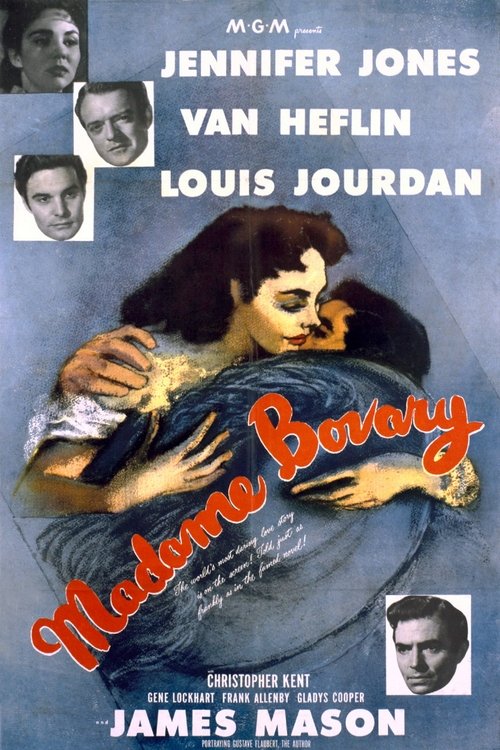
Madame Bovary1949
Jennifer Jones as another woman undone by romantic ideals colliding with provincial reality. Same era of adaptation, same lush visual style, same fatalism. The structure mirrors Anna's arc perfectly—escalation toward inevitable catastrophe.
But It predates modern psychology; the female characters are punished rather than understood. Some will find that actively painful to watch.
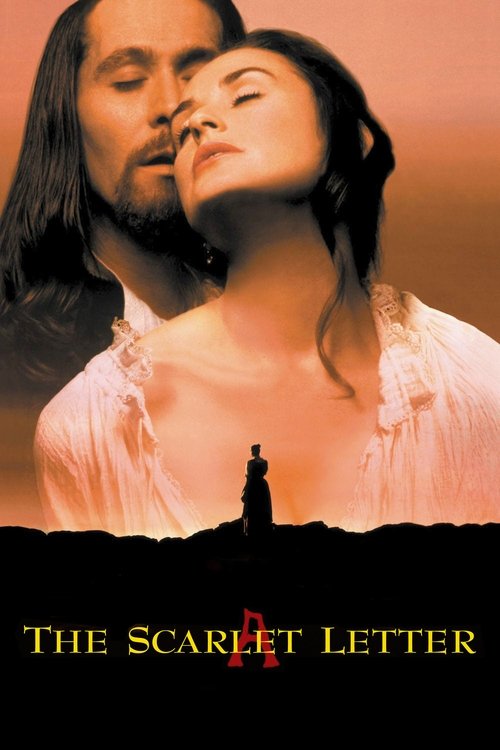
The Scarlet Letter1995
Demi Moore as Hester Prynne navigates desire and social judgment in a different century but with the same intensity. It's more accessible than the novel, visually stunning, and deeply concerned with how society destroys women for their choices.
But The 1995 update is glossy and sometimes undercuts its own seriousness. Purists will bristle at the liberties taken.
Not sure tonight? Get a pick in a minute, starting from Anna Karenina
The wildcard
Something you would not have found on your own.
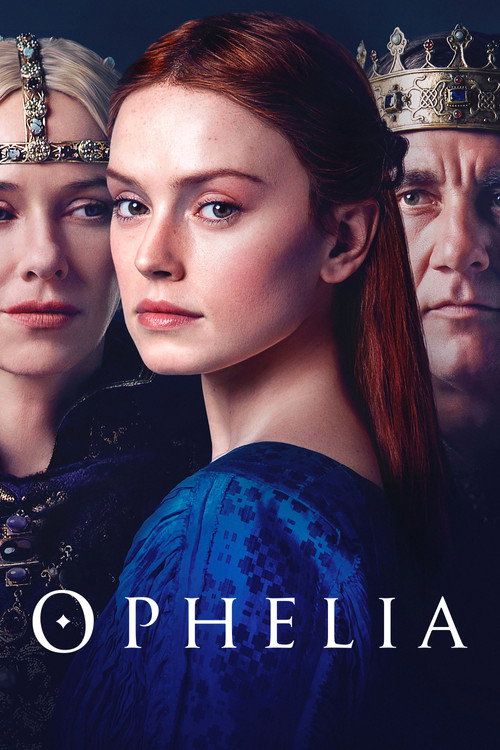
Ophelia2019
Both are about women destroyed by patriarchal structures; Ophelia inverts the perspective by asking what the story looks like when the woman is the protagonist of her own tragedy, not a supporting casualty.
Daisy Ridley as Hamlet's Ophelia, but the film centers her as the tragic hero of her own story—not a pawn, a woman undone by her circumstances and her choices. It reframes the tragedy through a female perspective that Tolstoy's world would have forbidden. Visual, angry, political.
But It's a revisionist take on Shakespeare that purists will hate. Some find the modern feminist angle heavy-handed, and the film itself is uneven in tone.
More like this (8)
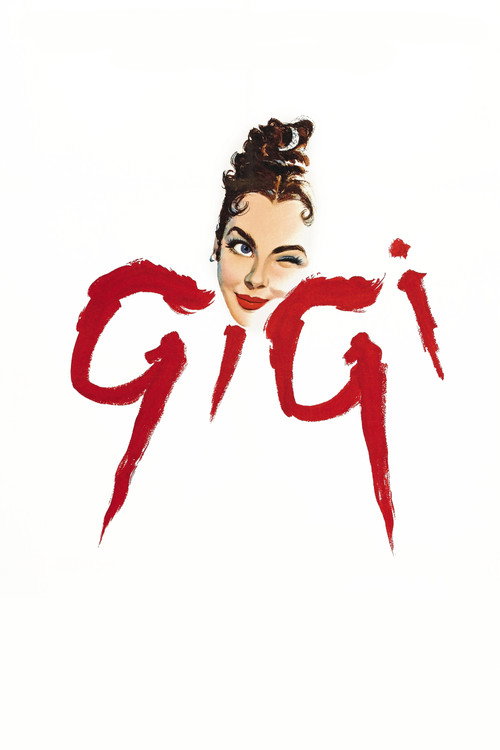
Gigi1958
Another Tolstoy-adjacent world—Belle Époque Paris, romance, codes of honour and scandal. Leslie Caron is radiant, but there's real darkness underneath the musicality about how women are positioned within a rigid social order.
But It's a musical, which means tonal whiplash for anyone seeking unrelenting tragedy. The optimistic ending will frustrate you if you wanted Anna Karenina-level devastation.
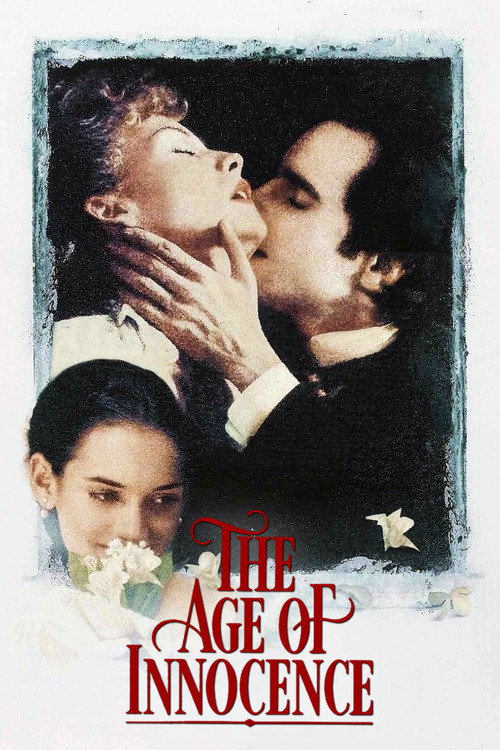
The Age of Innocence1993
Scorsese's Edith Wharton adaptation obsesses over the same thing: how society's unwritten rules can be more binding than law. Michelle Pfeiffer and Winona Ryder navigate a world where passion and duty are irreconcilable. Gorgeous and suffocating.
But Deliberately paced and emotionally controlled. If you want passion to feel wild, not constrained, this will feel cold to you.
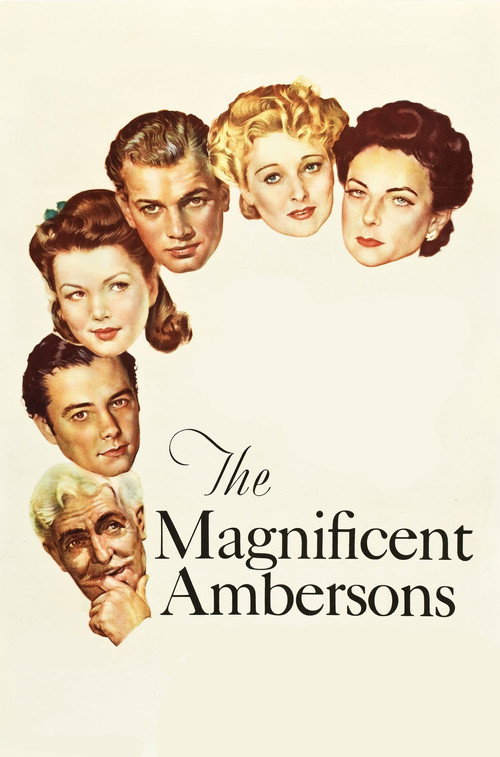
The Magnificent Ambersons1942
Welles examines the decline of a family and one woman caught between old and new worlds. Like Anna Karenina, it's about individuals destroyed by forces larger than themselves—class, time, inevitability. Formally brilliant.
But Welles's theatrical style can feel mannered. The studio recut it, so you're watching a compromised vision that fragments as it goes.
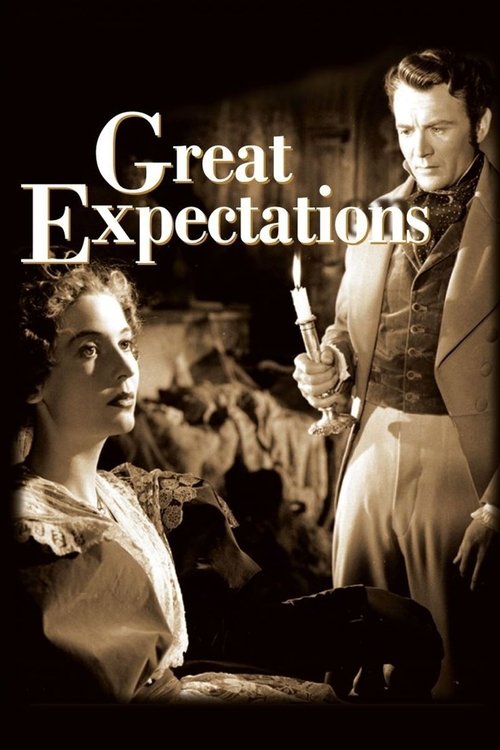
Great Expectations1946
David Lean's Dickens is operatic and visually sumptuous like the Karenina adaptation. Estella is trapped by society and her own nature—a female character as morally complex and self-destructive as Anna, in a different register.
But It's a long film about class and desire that some find slow. The mid-century theatrical acting style isn't for everyone.
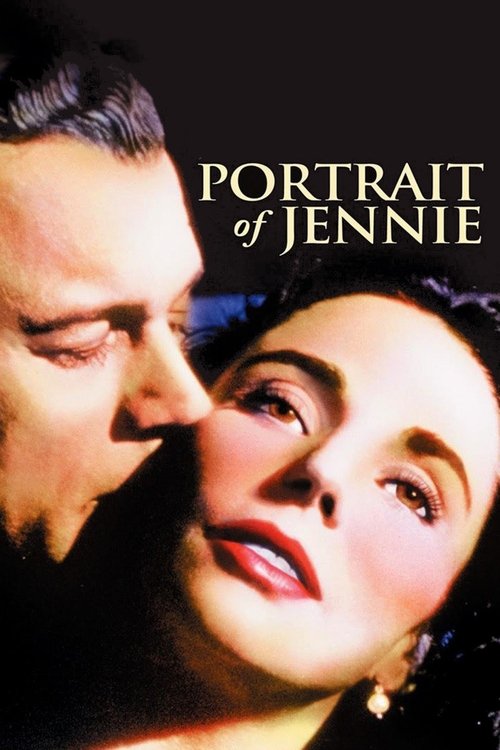
Portrait of Jennie1948
The same year as Anna Karenina and equally gorgeous—a painter obsessed with an impossible woman across time. It's romantic tragedy shot through with mystery. Hauntingly beautiful cinematography.
But The supernatural element will feel sentimental to some. It's also quite short and slight compared to Karenina—almost too dreamy.
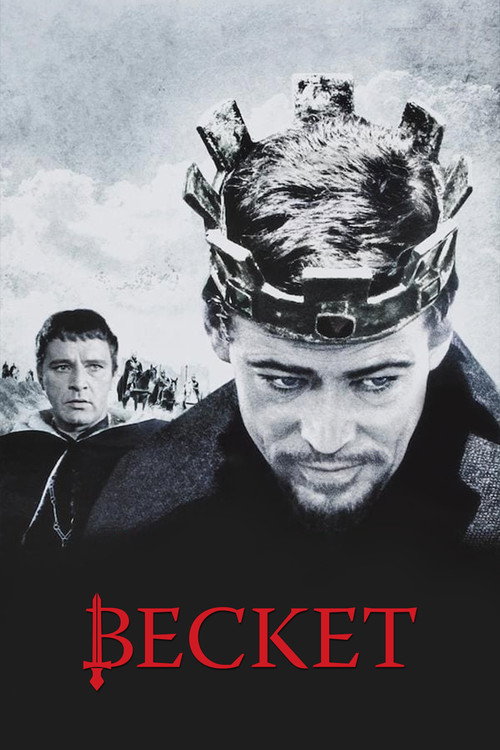
Becket1964
Peter O'Toole and Richard Burton as men torn between passion and duty, honour and desire. Less about romance than Anna, but it has the same architecture: two people pulled apart by forces they can't control.
But It's about male friendship and politics, not heterosexual love. If you're specifically craving romantic tragedy, the emotional register is quite different.
The Phantom Carriage1921
Both use visual grandeur and artifice to explore moral weight and social judgment; both are about figures trapped by invisible forces—society in Karenina, guilt and the supernatural in Phantom Carriage—and both end in resignation rather than triumph.
Sjöström's Swedish masterpiece about a man haunted by his choices and a woman defined by sacrifice. It's a ghost story, yes, but it's also profound tragedy about love, regret, and redemption. Silent cinema at its most moving. The cinematography is extraordinary.
But It's a silent film from 1921—no dialogue, intertitles, a ghost story that requires you to meet it halfway. That's a real barrier for most viewers now.

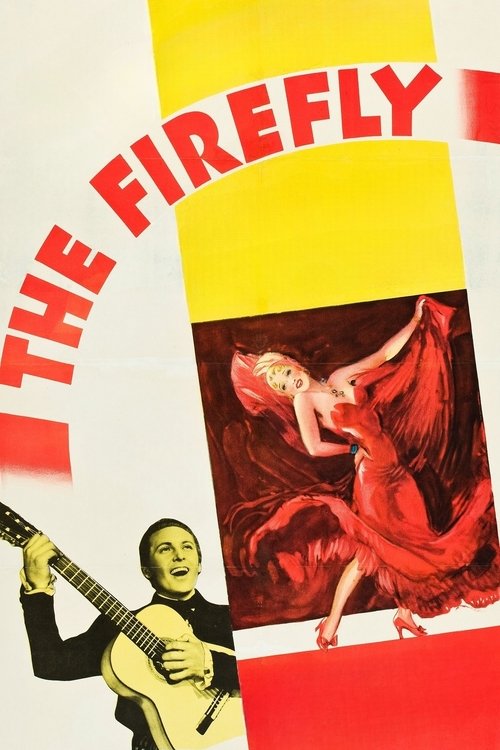
The Firefly1937
Anna Karenina is a tragedy dressed in high society; The Firefly is an operetta that contains tragedy underneath its surface. Both use formal beauty and spectacle to make emotional pain bearable, and both argue that passion and duty are incompatible forces.
A Jeanette MacDonald operetta set in Revolutionary Spain, but it's genuinely about passion, duty, and a woman divided between two men and two worlds. It sounds frothy and is partly frothy, but there's real tragedy underneath. The music is gorgeous and it's wildly entertaining.
But It's a 1930s operetta, which means the plot is thin and sometimes nonsensical. If you can't enjoy obvious artificiality and heightened emotion, the form will frustrate you.
People
Cast
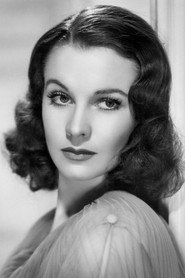 Vivien LeighAnna Karenina
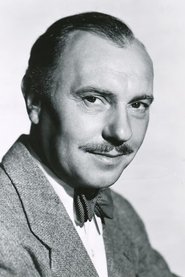 Ralph RichardsonAlexei Karenin
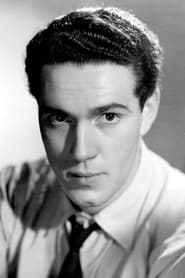 Kieron MooreCount Vronsky
- Hugh DempsterStefan Oblonsky
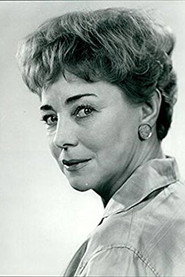 Mary KerridgeDolly Oblonsky
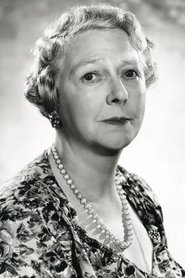 Marie LohrPrincess Scherbatsky
- Frank TicklePrince Scherbatsky
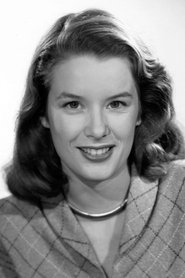 Sally Ann HowesKitty Scherbatsky
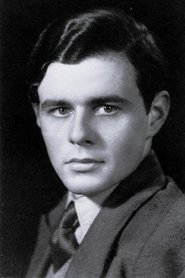 Niall MacGinnisKonstantin Levin
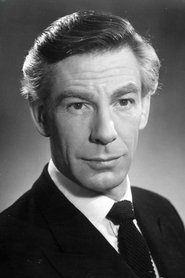 Michael GoughNicholai
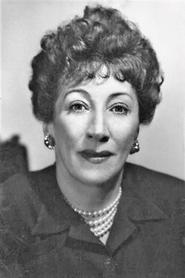 Martita HuntPrincess Betty Tversky
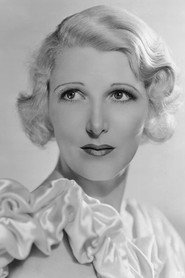 Heather ThatcherCountess Lydia Ivanova
Directing
- Mickey DelamarAssistant Director
- Maisie KellyContinuity
- Julien DuvivierDirector
Writing
- Leo TolstoyNovel
- Guy MorganWriter
- Jean AnouilhWriter
- Julien DuvivierWriter
Production
- Herbert MasonAssociate Producer
- Dorothy HollowayCasting
- Alexander KordaProducer
- Ronald KinnochProduction Manager
Recommended by
A Farewell to Arms, Queen of Spades, A Tale of Two Cities, Tosca