
Film
Queen of Spades
A 1960 Soviet adaptation of Tchaikovsky's opera, itself drawn from Pushkin's haunting novella about obsession and fate. This is operatic cinema at its most visually sumptuous: orchestral swells, ballroom intrigue, and the creeping supernatural dread of a man consumed by greed. It's for anyone who loves the collision of music and narrative pushed to emotional extremes.
Should you watch it?
Watch it if you love opera filmed as opera, where the music carries the dread and a gambler's obsession plays out in candlelit rooms and feverish arias.
Skip it if you find sung-through storytelling stilted or want a brisk plot, since the singing carries most of the narrative and the pacing stays deliberate.
What it asks of you: Sit through a full opera's worth of ornate, measured scenes at its own unhurried pace, roughly a hundred minutes with the music doing much of the talking.
Not sure? Find tonight's pick in a minute.
If you liked this
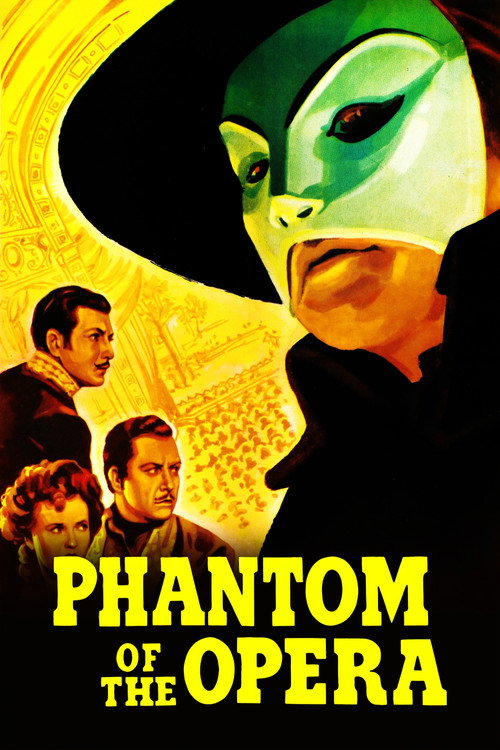
Phantom of the Opera1943
Universal's lavish Technicolor opera adaptation, with a gothic castle and impossible romance. The spectacle rivals *Queen of Spades*, and Deanna Durbin sings with real warmth beneath the melodrama.
But The pacing feels theatrical rather than cinematic, and mid-century attitudes toward women can grate. It's beautiful but slow.
Suspiria1977
Italian horror operatic in its intensity: vivid primary colors, Goblin's hypnotic score, and a young woman trapped in psychological dread. The atmosphere builds the way Tchaikovsky builds. Genuinely unsettling.
But The plot is thin and logic dissolves. It's pure mood and surfaces, which alienates viewers looking for coherent storytelling.

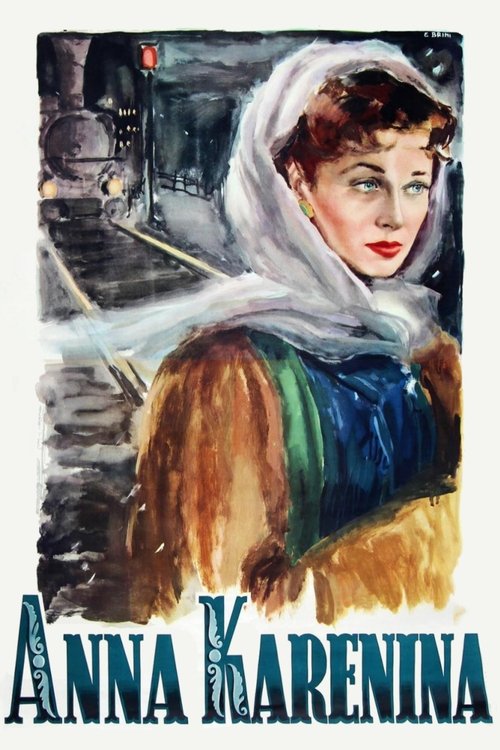
Anna Karenina1948
Korda's British take on Tolstoy, dripping with 1940s glamour and emotional wreckage. The production design is obsessive—every frame matters—and the passion feels genuinely dangerous.
But The film is very long, very British in its restraint, and Tolstoy's themes get softened for wartime audiences. Some cuts sting.
Not sure tonight? Get a pick in a minute, starting from Queen of Spades
The wildcard
Something you would not have found on your own.
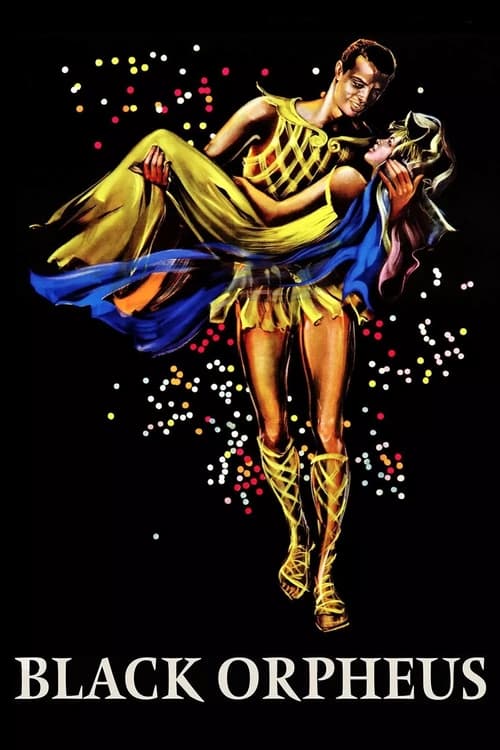
Black Orpheus1959
Both are operatic retellings of classical tales about fate and desire; both use music not as soundtrack but as emotional structure itself.
Brazilian reimagining of the Orpheus myth set during Carnival in Rio. Samba and bossa nova replace Tchaikovsky, but the structure is identical: obsession, descent, inevitable loss. Shot on real streets with non-professional actors.
But The sentimentalizing of Brazil and its people feels uncomfortable now. Some find the color-blind casting retroactively patronizing, and the ending is genuinely bleak.
More like this (7)
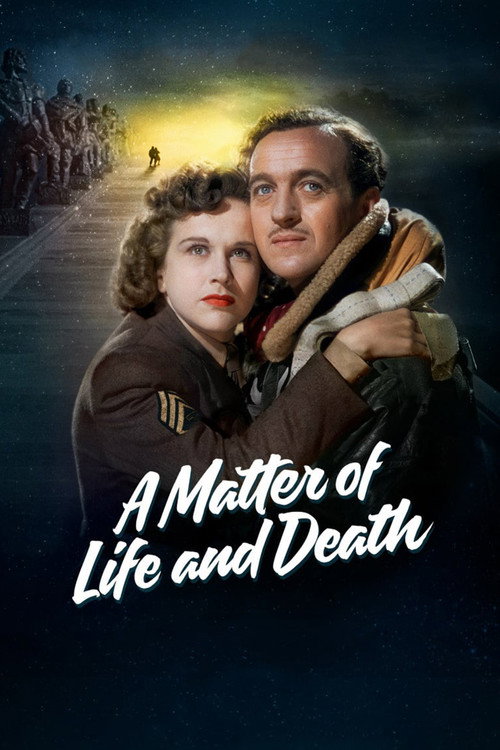
A Matter of Life and Death1946
Powell and Pressburger make celestial bureaucracy beautiful. Like *Queen of Spades*, it's about fate, the supernatural made bureaucratic, and uses Technicolor like a musical instrument. Utterly unique.
But The whimsy curdles for some viewers, and the gender politics feel dated. It's also structurally odd in ways that lose people.
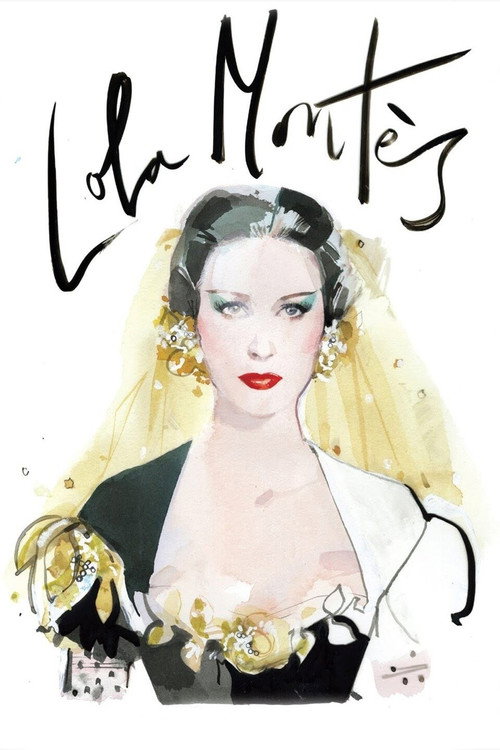
Lola Montès1955
Max Ophüls' final film, about a famous dancer's life told in circus frame story. It's cinema as spectacle and emotion fused—rotating sets, swooping camera, Martine Carol's face. Visually ravishing.
But The narrative is fragmented and deliberately distant. You watch a woman's tragedy without ever quite being allowed to feel it directly.
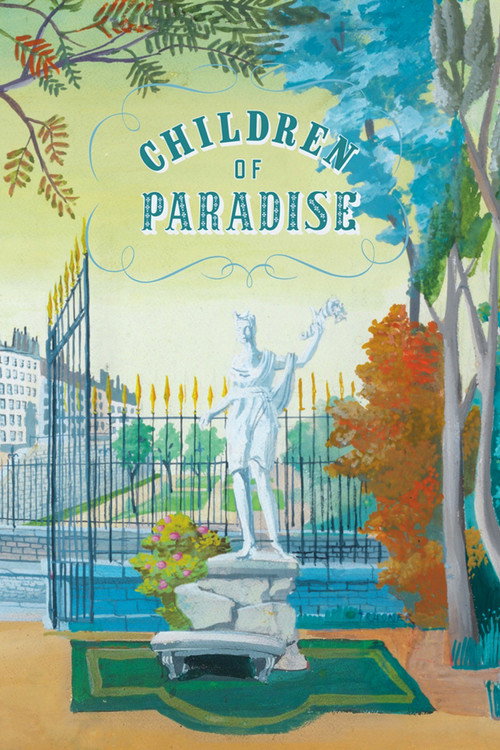
Children of Paradise1945
Carné and Prévert's masterpiece: theatre, passion, shadow and light. A love story told through performance itself, with the density and emotional architecture of grand opera. Essential cinema.
But French dialogue, subtitles, post-war pacing, and the famous ending is heartbreaking in ways some find manipulative. Nearly three hours.
Stalker1979
Tarkovsky's science fiction meditation on desire and faith, with a haunting pipe organ score that echoes through memory. Slow, but each frame carries metaphysical weight. For patient souls.
But Glacially paced, deliberately obscure in meaning, and visually monochrome. Plot barely moves. Tests even arthouse viewers' endurance.

Pather Panchali1955
Ray's Bengali masterpiece about a poor family's daily struggles, with classical music as emotional spine. Intimate, generous, and achingly human. A quieter kind of operatic feeling.
But Very slow, in a different language, and deals with poverty without sentimentality. Requires active engagement to feel engaged.

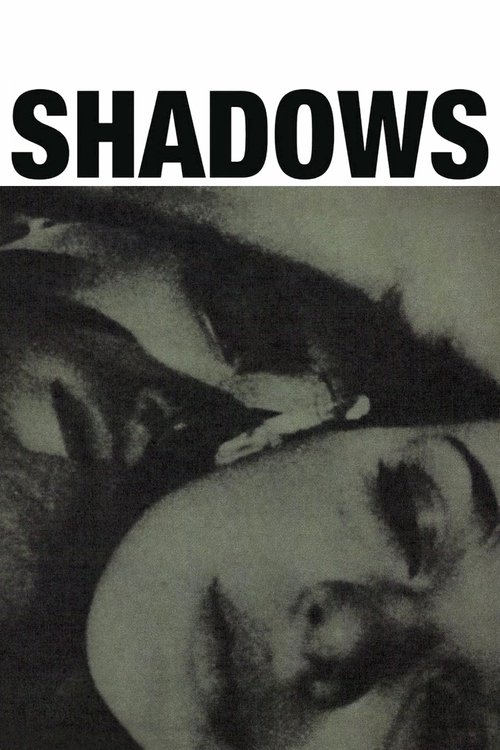
Shadows1960
Released the same year as this *Queen of Spades*—a mirror image in every way. Both explore identity and social position, but one is baroque and fated, the other is raw and immediate. Watching them together is like hearing a story told in two completely different languages.
Cassavetes' improv-based American independent film about three mixed-race siblings navigating New York. Grainy, intimate, alive in a completely different register—no orchestra, just bebop and real streets. Radical for 1959.
But No plot to speak of, sound quality is poor, and the naturalistic acting baffles viewers expecting craft. Feels aimless to many, though that's the point.
The Seventh Seal1957
Like *Queen of Spades*, it's about a man in the grip of something he cannot control—obsession or mortality, superstition or fate—and uses the supernatural not as plot device but as the film's entire moral spine.
Bergman's medieval knight plays chess with Death itself. Stark black-and-white photography, Max von Sydow's existential gravity, and the feeling of supernatural inevitability permeating every frame. Unforgettable.
But Famously bleak, deliberately slow, and Bergman's philosophical preoccupations feel heavy-handed to some. The chess scene with Death is so famous it's become a cliché.

People
Cast
 Oleg StrizhenovGerman
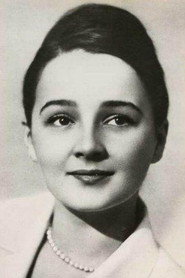 Olga KrasinaLisa
- Elena PolevitskayaCountess
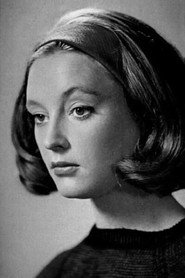 Irina GubanovaPolina
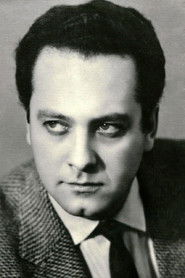 Vadim MedvedevTomsky
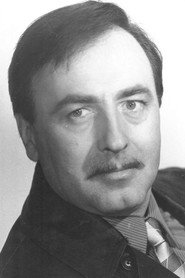 Valentin KulikYeletsky
- Aleksandr GustavsonGerman's friend
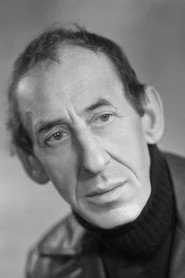 Vladimir Basov(voice)
- Zurab AndgaparidzeGerman (voice)
- Tamara MilashkinaLisa (voice)
- Sofia PreobrazhenskayaCountess (voice)
- Larisa AvdeevaPolina (voice)
Directing
- Nadezhda RusanovaAssistant Director
- Roman TikhomirovDirector
Writing
- Modest ChaykovskiyOpera
- Pyotr Ilyich TchaikovskyOpera
- A. VoytovScript Consultant
- Isaac GlikmanScript Editor
- Alexander PushkinShort Story
- Boris YarustovskyWriter
- Georgi VasilyevWriter
- Pavel VeisbremWriter
- Roman TikhomirovWriter
- Sergey VasilevWriter
Production
- Mikhail ShostakExecutive Producer