
Film
Lola Montès
Max Ophüls's final film is a dizzying, visually rapturous portrait of a woman consumed by the machinery of fame and desire. Told in circular fragments across a decadent circus, it's formally audacious—gliding camerawork, bold colour, theatrical artifice—and emotionally devastating. For anyone drawn to cinema as art, not just story.
Should you watch it?
Watch it if you love Ophüls-style restless camera work and stories told in flashback loops, where the framing device matters as much as the scandal at its center.
Skip it if you want a brisk, linear romance; this one circles back on itself, lingers on spectacle, and can feel stately when you are hoping for momentum.
What it asks of you: Settle in for just under two hours of deliberate, ornate pacing, with long takes and a lot of looking, so you should arrive with patience rather than a need for plot.
Not sure? Find tonight's pick in a minute.
If you liked this
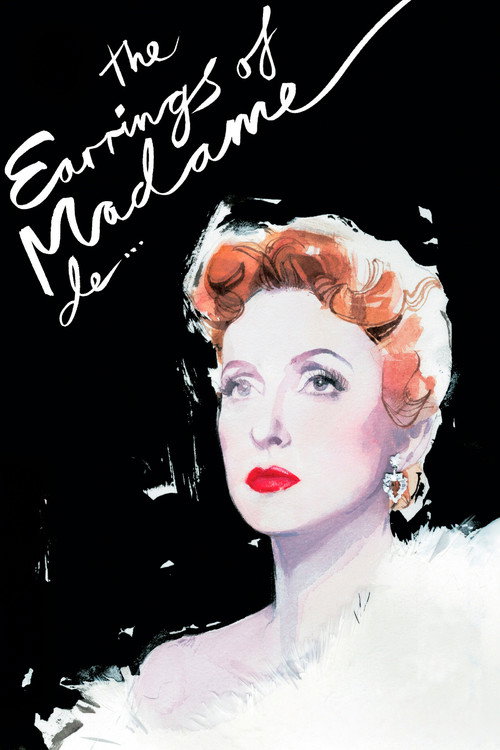
The Earrings of Madame de...1953
Ophüls's earlier masterpiece shares the same flowing camera, the same tragic romance, the same sense of a woman undone by objects and men. Exquisite, controlled, heartbreaking.
But It moves slowly and deliberately; if you want plot momentum, you'll find yourself frustrated by its elegant restraint.
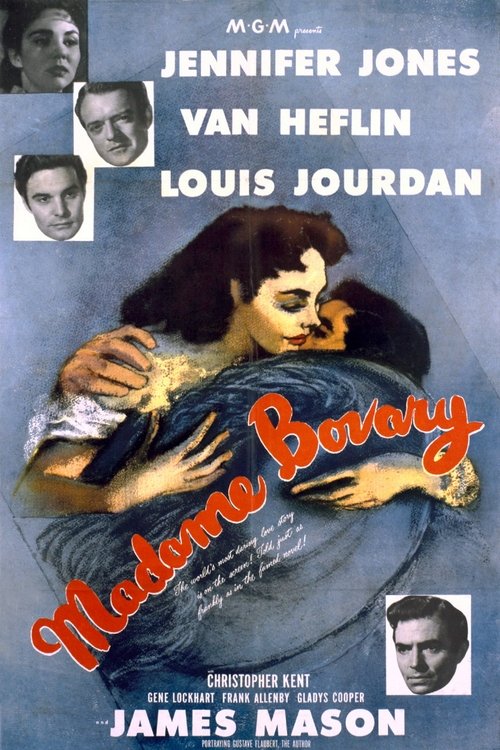
Madame Bovary1949
Vincente Minnelli's ravishing take on Flaubert, another woman destroyed by fantasy and the gap between desire and reality. Similar colours, similar catastrophe, similar formal beauty.
But The psychological portrait takes precedence over dramatic incident; it's introspective rather than thrilling.
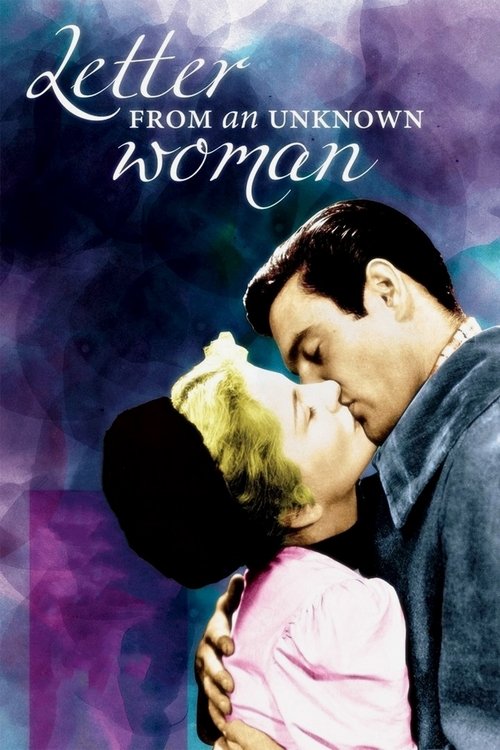
Letter from an Unknown Woman1948
Max Ophüls again, before Lola Montès. A woman's entire life refracted through her passion for a man; unrequited love as the engine of fate. Achingly tender.
But The sentimentality might feel cloying depending on your tolerance for romantic melancholy as the highest human emotion.
Not sure tonight? Get a pick in a minute, starting from Lola Montès
The wildcard
Something you would not have found on your own.
The Phantom Carriage1921
Both films use fragmented storytelling and supernatural/theatrical framing to show a life in ruin; both argue that how we're remembered—and what that says about us—is the real tragedy.
Sjöström's Swedish silent explores the cost of a misspent life with the same formal innovation and emotional depth Ophüls brought to Lola Montès. A direct ancestor to Ophüls's cinema of regret.
But It's nearly a century old, silent, and deeply steeped in Nordic melancholy; very few contemporary audiences find it accessible.

More like this (8)
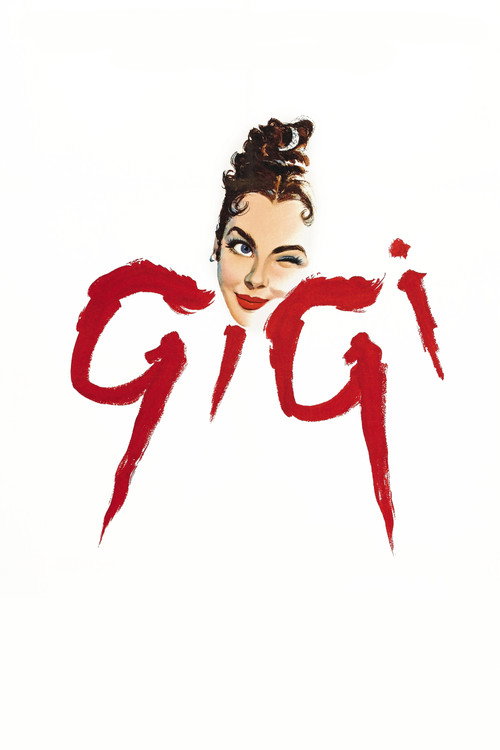
Gigi1958
Vincente Minnelli again, in colour, exploring beauty as currency and the corruption of innocence. Less austere than Lola Montès but with real bite underneath the musical gloss.
But It's a musical, and a Technicolor confection; if you want the film to stay austere and tragic, this turns sideways into spectacle.
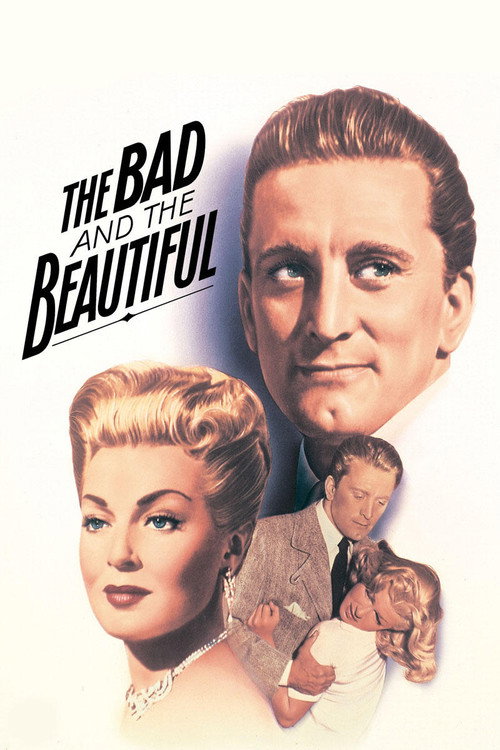
The Bad and the Beautiful1952
A Hollywood film about Hollywood's machinery of exploitation, told through fragments and betrayals. The same interest in fame's cost, in people used up by the system.
But It's more plot-driven and conventional; lacks the formal experimentation and visual daring that makes Lola Montès transcendent.
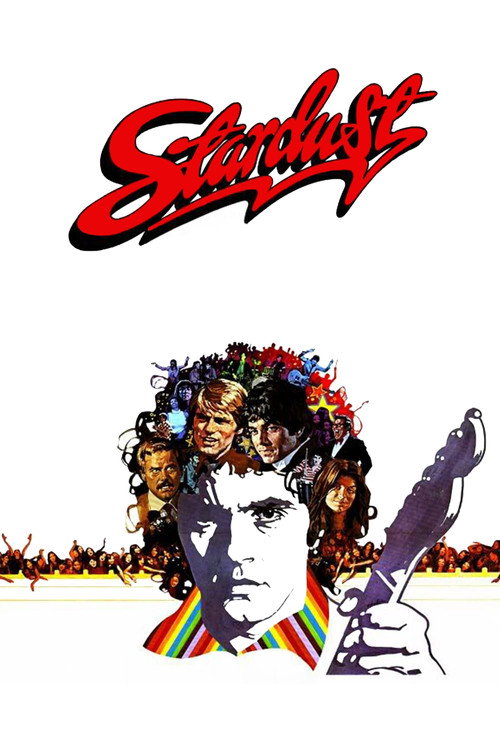
Stardust1974
Roeg and Ray's ferocious revisionist musical drama about the star-making machine, built on artifice and disillusion. A rock-era fever dream of fame's toxicity.
But The visual fragmentation and sexual content are challenging; the narrative refuses coherence in ways even Ophüls didn't attempt.
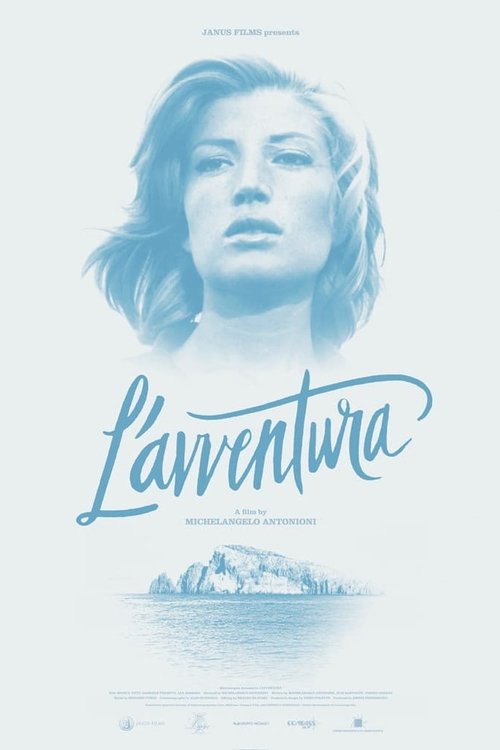
L'Avventura1960
Antonioni's meditation on desire and emptiness, formally inventive, hypnotic camera work, the way people are consumed by surface and sensation. Similar mood, different register.
But It's long, deliberately paced, and philosophically abstract; nothing happens, and that's the point, but patience is required.
Pandora's Box1929
Pabst's silent classic about Lulu, a woman whose sexual power undoes everyone around her, including herself. The prototype for Lola Montès; watch the lineage unfold.
But Silent film, fragmentary narrative, the acting style is period-specific; it requires adjustment if you've never sat with silent cinema.

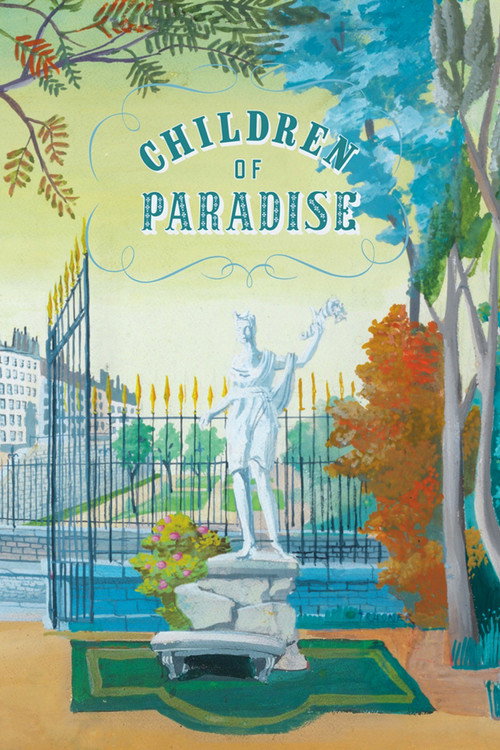
Children of Paradise1945
Carné's masterpiece, another circus-adjacent world of theatre and passion, beautiful people making beautiful mistakes. A meditation on desire and performance.
But It's long, ensemble-focused rather than built around a single protagonist, and the period setting might feel distant.
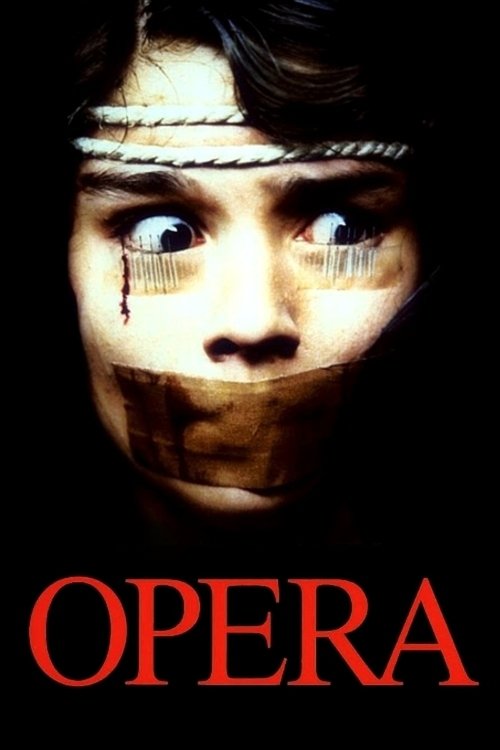
Opera1987
Both films treat cinema/theatre as the site where women are displayed, consumed, and destroyed; both are obsessed with the gaze, the audience, the machinery of spectacle. Opéra is what happens when Ophüls's elegant tragedy collides with horror.
Dario Argento's giallo masterpiece uses the opera house as stage for cascading violence and beauty; formal audacity in service of chaos. Colour and camera movement as weapon and art.
But It's a slasher film with graphic violence and misogyny that makes it genuinely unpleasant in ways Ophüls never is; the gore isn't metaphorical.
Jeanne Dielman, 23, quai du Commerce, 1080 Bruxelles1976
Both films, decades apart, ask what a woman's life costs and what is lost when existence becomes spectacle or routine. Lola Montès is Akerman's opposite: all surface, all display. But both filmmakers are furious about the reduction of women to their visibility—or invisibility.
Chantal Akerman's three-hour meditation on a woman's labour, routine, and the invisibility of domestic life. Formally radical, glacially paced, a complete interrogation of female existence and what makes a life.
But It's punishingly slow, nearly plotless, and uncompromising; watching housework and meals in real time will test anyone's patience.

People
Cast
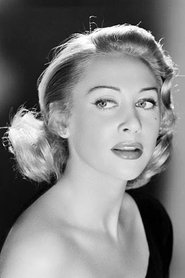 Martine CarolLola Montes
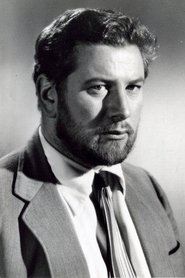 Peter UstinovCircus Master
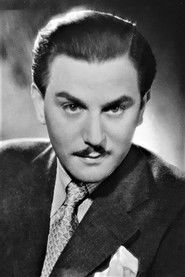 Anton WalbrookLudwig I, King of Bavaria
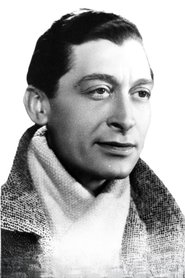 Henri GuisolHorseman Maurice
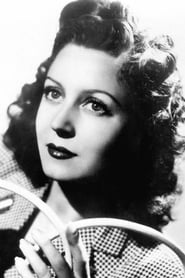 Lise DelamareMrs. Craigie, Lola's Mother
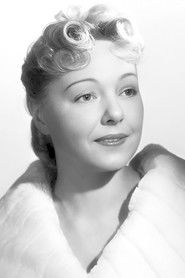 Paulette DubostJosephine, the Maid
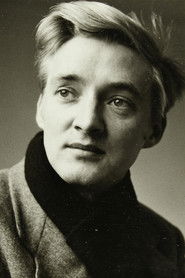 Oskar WernerStudent
 Jean GallandPrivate Secretary
 Will QuadfliegFranz Liszt
 Héléna MansonLieutenant James' Sister
 Germaine DelbatStewardess
 Carl EsmondDoctor
Directing
- Adolf SchlysslederAssistant Director
- Claude PinoteauAssistant Director
- Marcel OphülsAssistant Director
- Tony AboyantzAssistant Director
- Ulrich PicardAssistant Director
- Alain JessuaAssistant Director Trainee
- Max OphülsDirector
- Eva EbnerScript Supervisor
- Lucie LichtigScript Supervisor
Writing
- Jacques LaurentNovel
- Annette WademantWriter
- Franz GeigerWriter
- Jacques NatansonWriter
- Max OphülsWriter
Production
- Roger PeréAdministration
- André HossGeneral Manager
- Albert CaracoProducer
- André HaguetProducer
- Anton SchelkopfProducer
- Tony AboyantzProduction Assistant
- Georg MarklProduction Manager
- Helmut RingelmannProduction Manager
- Karlheinz FörstProduction Manager
- Paule PastierProduction Manager
- Ralph BaumProduction Manager
- Richard BalducciPublicist
Recommended by
Dangerous Love Affairs, Death in Venice, La Bête Humaine, The Big Circus, The Three Musketeers, Le Plaisir, The Damned, Pandora and the Flying Dutchman, Antonieta, A Man in Love, The Marriage of Maria Braun, Cul-de-sac, The Scarlet Empress, Désirée, The Constant Nymph, The Swimming Pool, Daddy Long Legs, Madame du Barry, Morocco, Maytime, Queen of Spades, Suspense, The Lovers, The Burning Secret, Night and Day, Bonjour Tristesse, Unfaithfully Yours, Chocolat, Rise and Fall of a Small Film Company, Two English Girls, Don Juan, Sissi, A Matter of Dignity, A Foreign Affair, The Astonished Heart, The Death of Maria Malibran, The Eternal Return, Dear Murderer, The Savage State, This Angry Age, Naná, Lillie, Avenging Angel, A Place for Lovers, The Man in Grey, Sentimental Education, Conversation Piece, The Devil Is a Woman, Million Dollar Mermaid, Lulu, Nana, Viennese Nights, Jenny, Three Waltzes, Lady Killer, A Man of His Time, Madame Bovary, Captain Kidd, Strauss: Der Rosenkavalier, The Magnificent Matador, The Fighting O'Flynn, Liebelei