
Film
This Angry Age
A 1957 French-Italian drama set in Indochina where two young siblings chafe against their mother's grip on a failing rice plantation, seeking freedom through romance and rebellion. Shot in lush, oppressive color, it's a languid portrait of colonial decay and youthful desire—watchable for its atmosphere and stellar cast, though the pacing demands patience.
If you liked this
The Leopard1963
Visconti's masterpiece about aristocratic decline in Sicily, with similar grandeur, sumptuous cinematography, and the melancholy beauty of a world collapsing. Burt Lancaster's restraint mirrors Perkins' quiet desperation.
But Three hours long and deliberately paced; the politics of Italian unification matter less than the mood, which some find glacial rather than meditative.

Letter from an Unknown Woman1948
Ophüls' exquisite study of desire and regret between a woman and an indifferent man. Like This Angry Age, it finds tragedy in romantic longing and the impossibility of escaping your circumstances, but with sharper emotional clarity.
But The melodrama is concentrated; if you resist the heightened emotion, the whole thing collapses into soap opera.

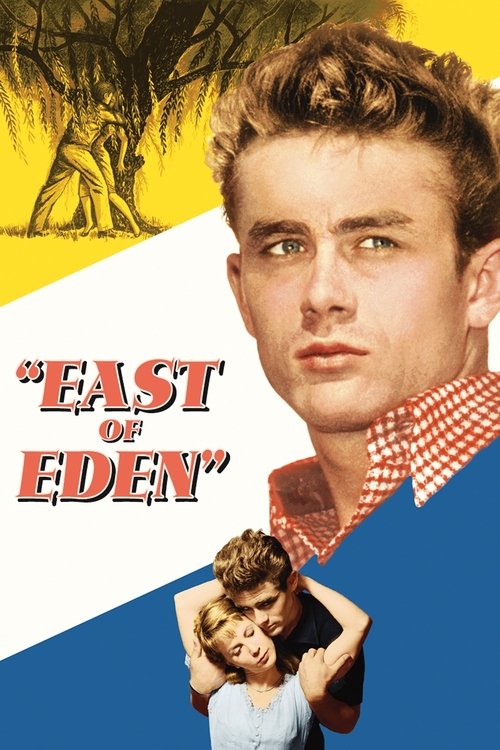
East of Eden1955
James Dean as a young man fighting his mother's control, seeking love and acceptance. Ray's direction captures similar tensions between familial duty and youthful rebellion, with comparable visual intensity and passion.
But Dean's method acting can read as self-indulgent; the Freudian family dynamics are laid on thick, which bothers some viewers immediately.
Not sure tonight? Get a pick in a minute, starting from This Angry Age
The wildcard
Something you would not have found on your own.
Jeanne Dielman, 23, quai du Commerce, 1080 Bruxelles1976
Both films examine how family structures trap their inhabitants, but Akerman shows the mother's invisible labor while This Angry Age shows only the children's rebellion against it.
Chantal Akerman's three-hour essay on domestic routine and female agency. Like This Angry Age, it captures the suffocation of family obligation and the thin line between duty and selfhood—but from the mother's perspective, and through rigorous, Beckett-like minimalism rather than melodrama. It's a complete inversion that illuminates what makes the younger generation's restlessness so urgent.
But It is genuinely slow: repetitive shots of a woman doing housework, no plot, no emotional peaks. Patience for modernist cinema is not negotiable.

More like this (8)
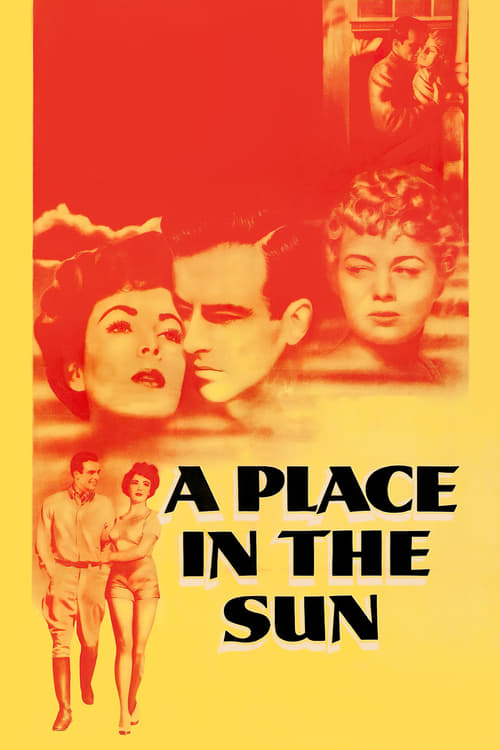
A Place in the Sun1951
Montgomery Clift caught between a poor girl and a wealthy woman, trapped by circumstance. Stevens' film shares This Angry Age's sense of romantic yearning amid social constraint, with similar class tensions and fatalism.
But The ending is bleak and slow-moving; if you need plot momentum, you'll find it frustratingly static.
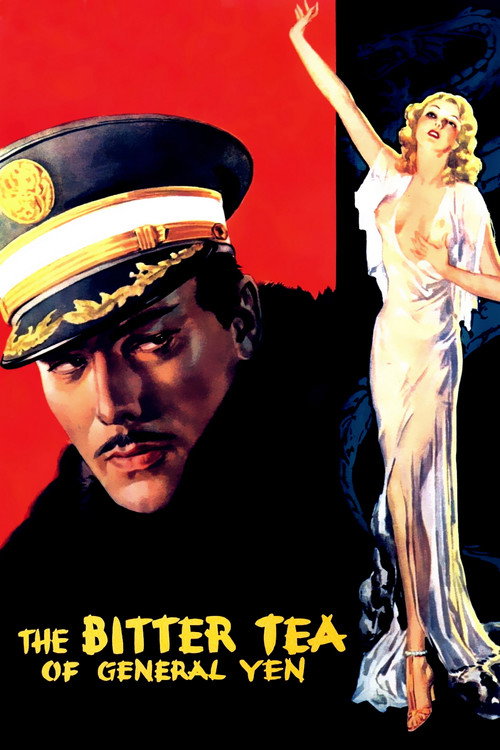
The Bitter Tea of General Yen1933
Sternberg's Shanghaied melodrama of forbidden romance between an American missionary and a Chinese general. Exotic setting, forbidden desire, colonial atmosphere—the DNA of films like This Angry Age, executed with hypnotic visual style.
But Pre-Code politics around race and romance are uncomfortable; the racial dynamics haven't aged well, despite Sternberg's visual sophistication.
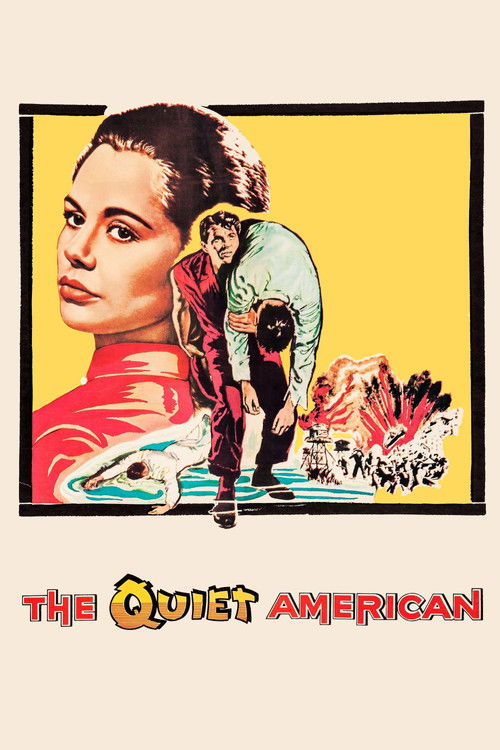
The Quiet American1958
Mankiewicz's cynical take on American innocence and colonial ambition in Indochina, with Michael Redgrave's world-weary elegance. Made the same year, it's set in the same geography but from an entirely different angle—corrupted idealism versus romantic naïveté.
But It's a Cold War parable that dates visibly; the politics are dated and the tone more acerbic than emotionally involving.
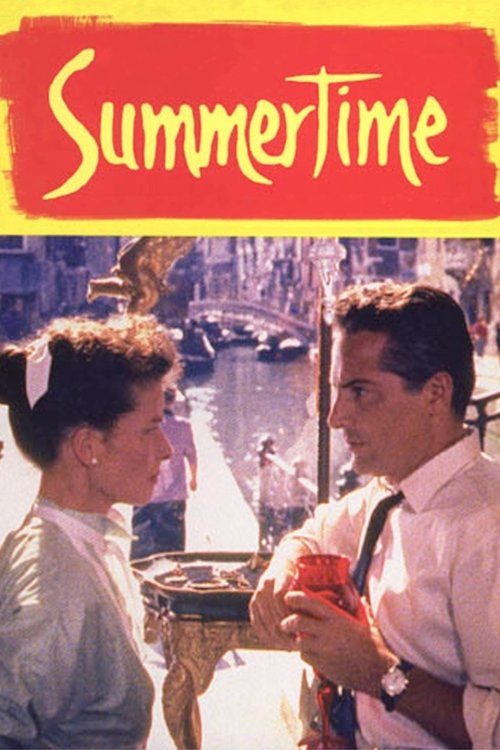
Summertime1955
Lean's Venice-set romance between a lonely American spinster and a married Italian man. Less about youth rebellion than This Angry Age, but it shares the languor, the foreign setting, the tragic impossibility of what the lovers want.
But Deeply romantic and melancholic; if you're allergic to wistfulness, the whole film will feel like being trapped in a sigh.
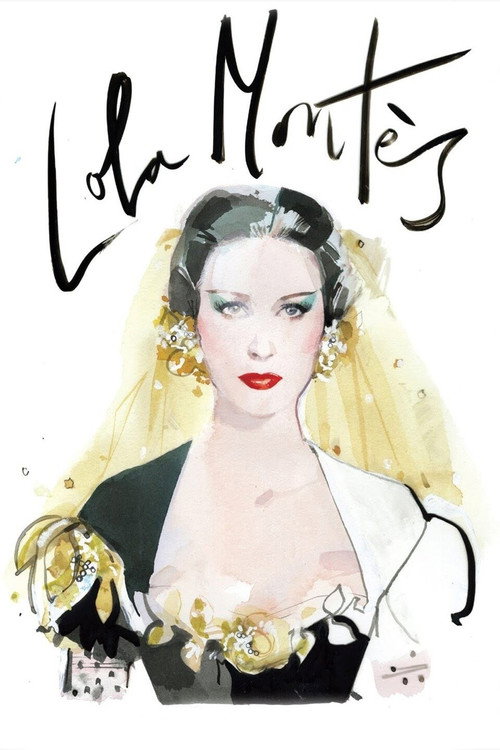
Lola Montès1955
Ophüls' final masterpiece, a baroque tale of a courtesan's rise and ruin, desire and powerlessness. The visual excess and emotional richness parallel This Angry Age's interest in beauty amid moral compromise and inevitable decline.
But The film is structurally fractured and narratively abstract; traditional plot clarity is abandoned in favor of atmosphere and theme.
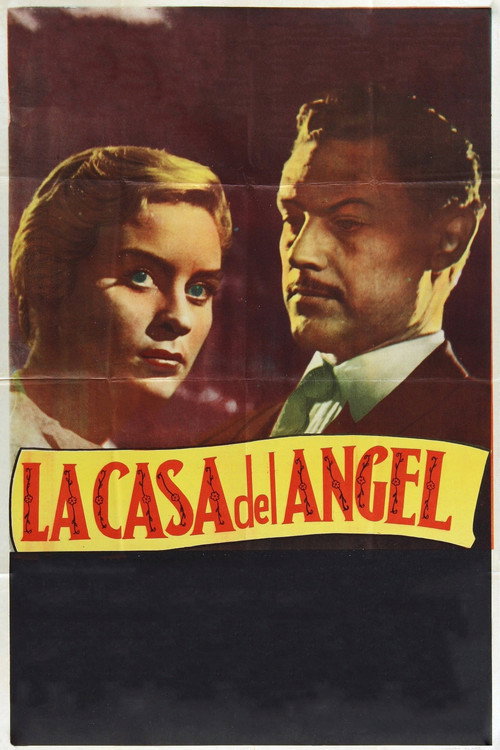
The House of the Angel1957
A lesser-known meditation on youth colliding with harsh reality in a colonial setting. It shares This Angry Age's interest in adolescent longing and the cruelty of circumstance, though with a more documentary-like restraint.
But Obscure even by 1950s standards; the pacing is glacial and the emotional payoff subtle to the point of invisibility.
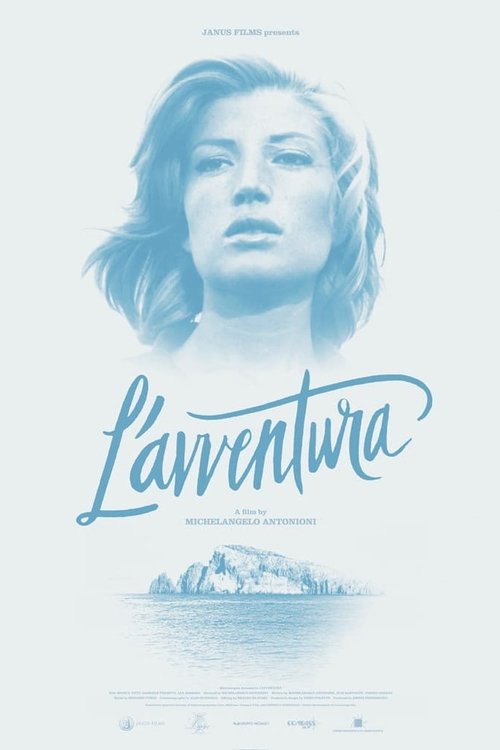
L'Avventura1960
Both prioritize atmosphere and mood over plot; both suggest that desire and circumstance are forces characters cannot escape, though Antonioni withdraws emotional investment while This Angry Age commits to it.
Antonioni's haunting Italian masterpiece about aimlessness and desire. A woman vanishes from an island and her lover begins an affair with her friend; nothing is resolved, everyone drifts. It captures the same emotional texture as This Angry Age—romantic yearning, moral drift, beautiful surfaces hiding emptiness—but abstracts it into near-philosophical detachment.
But The woman's disappearance is treated casually, almost forgotten; many find this callousness alienating rather than profound, and the lack of conventional narrative resolution infuriates those seeking closure.
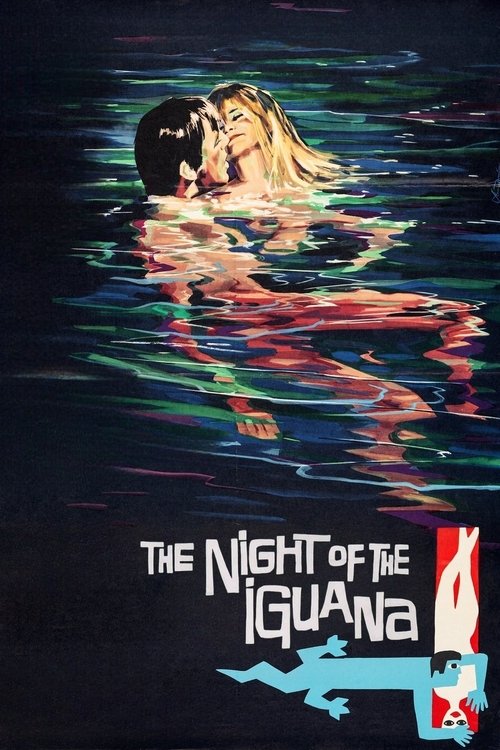
The Night of the Iguana1964
Both use exotic colonial or tropical settings to explore characters fleeing duty and morality, searching for sexual or romantic redemption that never comes. Both suggest place as both paradise and prison.
Huston's adaptation of Tennessee Williams' play, with Richard Burton as a defrocked priest in a Mexican coastal hotel. Tropical setting, sexual tension, moral collapse, expatriate dysfunction—it's This Angry Age's mood shifted to adult disillusionment. The dialogue is incandescent and the performances rawer, but the architecture is similar: beautiful place, trapped characters, desire and decay intertwined.
But Tennessee Williams' heightened dialogue can feel histrionic; the sexual politics are dated, and the film doesn't interrogate them. Some find it overwrought.
People
Cast
 Silvana ManganoSuzanne Dufresne
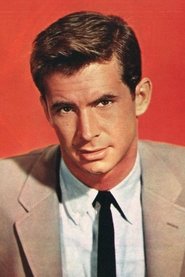 Anthony PerkinsJoseph Dufresne
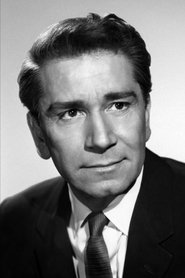 Richard ConteMichael
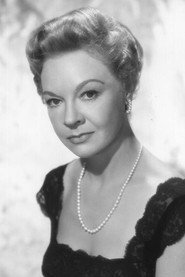 Jo Van FleetMme. Dufresne
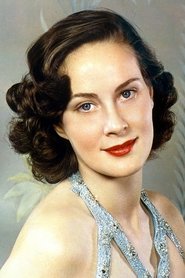 Alida ValliClaude
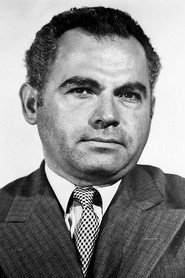 Nehemiah PersoffAlbert Legros
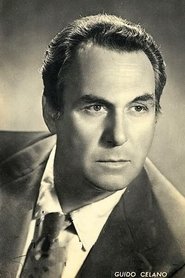 Guido CelanoBart
- Chu Shao ChuanCaporal
 Yvonne SansonCarmen
 Larry WilliamsRoland
Directing
- René ClémentDirector
Writing
- Marguerite DurasNovel
- Diego FabbriScreenplay
- René ClémentScreenplay
- Irwin ShawWriter
Production
- Dino De LaurentiisProducer